
What You Should Know About Shark Activity at Popular US Beaches
It’s kind of wild how much we’ve learned lately about shark activity, and frankly, some of these hotspots might surprise you if you're used to thinking sharks only hang out in the deep blue.
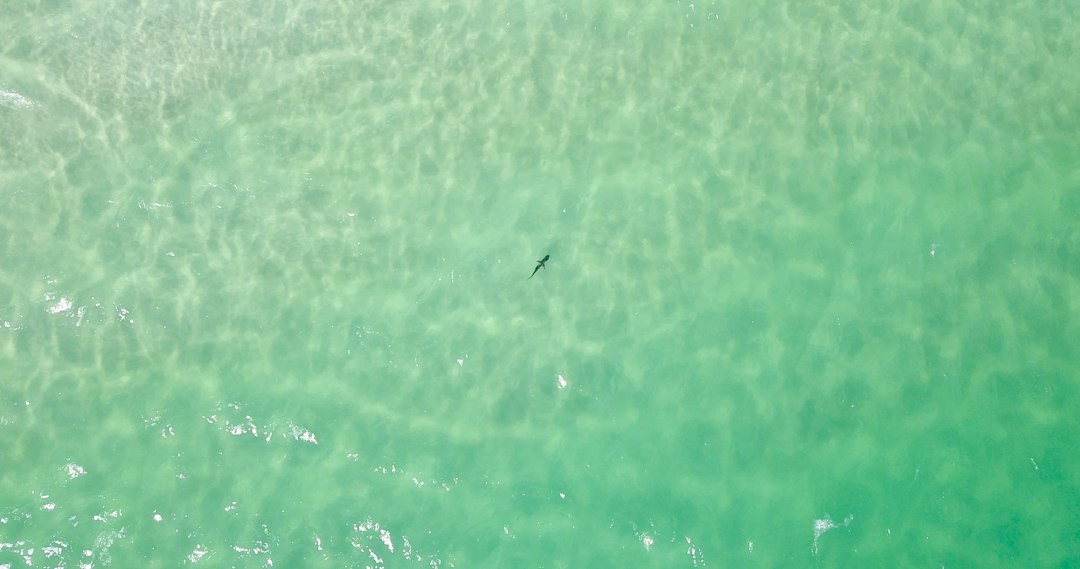
Identifying the Top U.S. Shark Hotspots for Swimmers
When we talk about heading to the beach, most of us just want to focus on the surf and the sun, but I think it’s worth taking a beat to look at where we’re actually stepping into the water. It’s kind of wild how much we’ve learned lately about shark activity, and frankly, some of these hotspots might surprise you if you're used to thinking sharks only hang out in the deep blue. For starters, you’ve probably heard Volusia County, Florida, called the shark attack capital of the world, and there’s a reason for that—the sheer volume of human-wildlife overlap there is just massive. But then you look at Cape Cod, which researchers suggest might actually have the highest density of great white sharks on the planet right now. It really changes how you view a casual morning swim when you realize these apex predators are navigating the same coastal corridors we consider our favorite vacation spots.
Think about it this way: these encounters aren't always in deep water. In fact, a lot of interactions happen in those shallow, surf-heavy zones where visibility is low for everyone involved. We’re seeing juvenile white sharks using Southern California’s nearshore waters as nurseries, which puts them right in the path of swimmers and surfers, while massive adult males are being tracked moving surprisingly close to popular tourist destinations. It’s not just about the species; it’s about the geography, as tidal flows and bait fish movements can turn a quiet beach into a feeding hotspot in minutes. I’ve noticed that as our tracking tech gets better, we’re finding that these animals are much more active near our shores than we ever realized even a few years ago.
If you’re trying to make sense of all this, just remember that shark presence is often dictated by things we can’t see, like thermal gradients or nearby pinniped colonies that serve as their natural buffet. Researchers are now using environmental DNA to spot them even when they’re hiding in plain sight, which is both impressive and a little sobering. I’m not saying you should cancel your beach plans, but being aware of these environmental factors—like avoiding the water during peak bait fish movement or near known haul-out sites—is just smart practice. It’s all about respecting the environment we’re visiting rather than just assuming the ocean is a static, empty pool. Let’s stay curious and keep our eyes open next time we hit the sand.
Why Florida Beaches Consistently Lead in Shark Encounters
Florida’s coastline acts as a unique ecological funnel because the state’s massive length provides a vast, continuous corridor for migratory shark species traveling along the Atlantic. The high number of shark encounters is statistically linked to Florida’s massive coastal tourism industry, which ensures that the density of humans in the water remains higher than almost anywhere else in the United States. Many of these interactions are classified as provoked or unprovoked bites, but they are frequently mistaken for predatory behavior when they are actually exploratory nips by juvenile sharks. The state's unique geography features extensive sandbars that sit just offshore, which naturally trap bait fish and inevitably attract sharks seeking easy feeding opportunities.
Seasonal ocean currents frequently bring warmer water closer to the shoreline, which acts as a thermal magnet for various shark species during their peak activity windows. Florida’s shallow, murky coastal waters often limit visibility for both humans and sharks, leading to accidental sensory confusion when sharks hunt near the surf zone. The presence of piers and jetties along the coast creates artificial reef-like structures that provide refuge for smaller fish, inadvertently concentrating predators in areas popular with recreational swimmers. Shark activity is notably higher during the summer months not just because of water temperature, but because this period aligns with the peak breeding and nursery cycles for several common coastal shark species.
Researchers have noted that the sheer diversity of shark species in Florida waters, including blacktip, spinner, and bull sharks, contributes to a higher statistical probability of encountering a shark compared to regions with less species variety. The state’s rapid population growth and the increasing number of year-round water sports enthusiasts mean that human-wildlife overlap continues to climb regardless of shark population fluctuations. Data from the International Shark Attack File consistently highlights that Florida’s coastal shelf geography is perfectly suited for the hunting habits of sharks that prefer ambush tactics in shallow, turbulent water. Even as tracking technologies improve, the high frequency of interactions remains a direct reflection of the constant and intensive utilization of these specific, nutrient-rich coastal habitats by millions of people each year.
Understanding Environmental Factors and Climate Shifts Affecting Shark Behavior
When we talk about shark behavior, it’s easy to think of them as static residents of the coast, but the reality is that the ocean is currently undergoing a massive, rapid transformation. I think it’s important to realize that rising water temperatures are essentially rewriting the rules for where these animals go and how they act. Because sharks are cold-blooded, their metabolic rates are tied directly to water temperature, which is forcing many species to push toward higher latitudes in search of cooler, more stable conditions. As these thermal gradients shift, we’re seeing predators show up in regions that were previously too cold for them, meaning that historical data on where sharks "should" be is becoming less reliable every single year.
It’s not just about temperature, though; think about how climate change is also shifting the distribution of their prey. When the schools of bait fish they rely on move, the sharks follow, and sometimes that path leads them right into the corridors we frequent for a morning swim or a surf session. We’re even seeing evidence of behavioral plasticity, where some sharks seem to be switching to nocturnal or crepuscular hunting patterns just to avoid the peak heat of the day. On top of that, increased storm intensity is creating massive turbidity events that disrupt traditional hunting cycles, often leaving these animals disoriented and forced into new, nearshore environments they wouldn't normally inhabit.
If you really want to understand why these encounters feel more unpredictable, look at how environmental stressors are starting to affect the animals themselves. There’s growing evidence that changing water chemistry and temperature can actually alter the neurobiology and sensory capabilities of sharks, which might make them more reactive to disturbances in their surroundings. When you combine that with the loss of traditional nursery grounds like mangroves or seagrass beds due to rising sea levels, it’s clear that sharks are being squeezed into tighter, more unfamiliar spaces. It’s a sobering reality, but one that highlights why the ocean is far more dynamic than we often give it credit for. We aren't just visiting a static swimming pool; we’re stepping into a shifting, living system that is currently recalibrating in real time.
Separating Myth from Reality: The Real Reasons Sharks Attack Humans
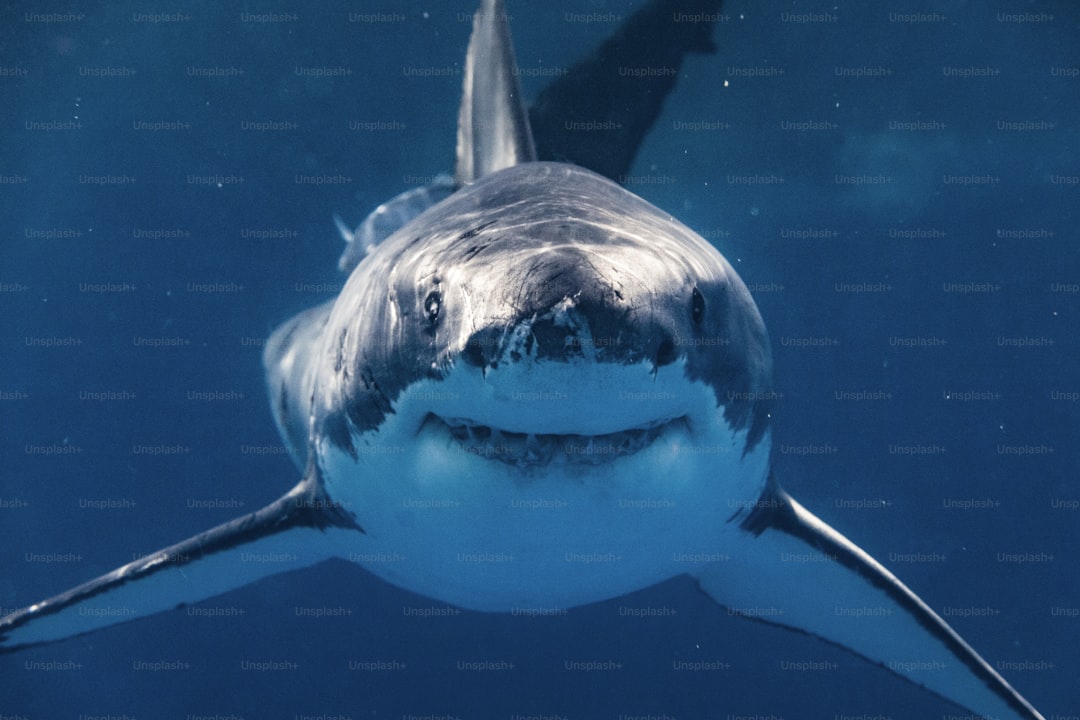
We’ve all grown up with that terrifying image of a shark stalking a swimmer like a scene straight out of a movie, but I think it’s time we look at the actual data. If you’re worried about sharks hunting humans for food, you can honestly take a deep breath and let that go. Biologists have long confirmed that humans simply aren't on the menu; we lack the high-fat, blubber-rich profile that these predators need to fuel their metabolic demands. Think about it: a shark doesn’t have hands to explore the world, so they use their mouths to investigate anything that seems out of place. When you see a shark take a single bite and then move on, it’s not because they changed their mind about the taste, but because they realized you aren't the prey they were looking for.
Here’s the reality of how these animals actually operate. Most interactions aren't predatory hunts but are better described as investigative or accidental encounters. In murky or turbulent water, a shark’s sophisticated sensory systems—which usually allow them to distinguish a human silhouette from a seal with ease—can get overwhelmed. When the water is churning, the splashing of a swimmer can mimic the erratic distress signals of an injured fish, leading to a classic case of mistaken identity. It’s a sensory error, not a malicious choice, and that’s a massive distinction that often gets lost in the headlines.
Beyond these rare accidents, the vast majority of sharks are incredibly cautious, even shy, creatures that would rather avoid us entirely. Research shows that they frequently circle or observe potential targets before deciding how to engage, and their default behavior is almost always to steer clear of humans when they know we’re there. If you’ve ever wondered why there are so many sharks in the ocean but so few negative encounters, it’s because they’re actively choosing to ignore us most of the time. The idea of a rogue shark with a taste for human flesh is a complete Hollywood fabrication that doesn't hold up under any biological scrutiny. We’re essentially just guests in their home, and more often than not, they’re perfectly happy to keep their distance while we’re out there catching waves.
Expert Advice for Staying Safe While Enjoying Popular Coastal Destinations
If you’re planning a trip to a popular coastal spot this season, I think it’s time we talk about how to actually stay safe without letting fear dictate your vacation. It is easy to assume that if you stay in the shallows, you’re completely off the radar, but the reality is that many sharks rely on those exact zones for nursery grounds or to conserve energy while riding the tides. I’ve found that being smart about the water starts with simple, actionable choices, like leaving your flashy jewelry or watches on the sand. Those shiny items mimic the glint of fish scales, and in the often-turbulent water at popular beaches, that shimmer can be enough to trigger an investigative nip from a curious shark. It is not about avoiding the ocean, but about being mindful of how our own gear might signal something to an animal just trying to figure out what’s in its path.
Beyond our own accessories, we should really be paying attention to the environment itself, particularly when it comes to the timing of our swims. Many of us like to head out right at dawn or dusk when the light is low, but those are exactly the hours when visibility for a shark is limited, forcing them to rely on their other senses—like picking up the low-frequency vibrations of a splashing swimmer that sound an awful lot like a distressed fish. I try to avoid the water when it’s particularly cloudy or choppy, as that turbidity forces sharks to lean on their lateral lines and electroreceptors, which can lead to accidental cases of mistaken identity. It is also worth scanning the coast for signs of bait fish or nearby pinniped colonies, as these are natural magnets that draw predators in for a meal. If the birds are diving or the fish are jumping, that is a clear indicator that the local food chain is active and you might want to give the water a pass for a few hours.
Ultimately, I think the best approach is to stop viewing the beach as a static, controlled space and start treating it like the dynamic, wild system it really is. We’ve seen that as water temperatures shift, the traditional migratory patterns we’ve relied on for years are becoming less predictable, so it makes sense to check local beach reports and shark warnings before you even pack your bag. You don’t need to be a marine biologist to stay safe, but staying aware of these environmental signals is a great way to respect the habitat we’re visiting. I always remind myself that we’re just guests in their home; by keeping our distance from known hunting corridors and staying out of the water when the conditions are prime for feeding, we can keep having a great time while staying firmly on the right side of the risk. Let’s stay curious, keep our eyes open, and enjoy the coast with a bit more perspective next time we head out.
Interpreting the Data: How to Read Global Shark Attack Statistics Responsibly
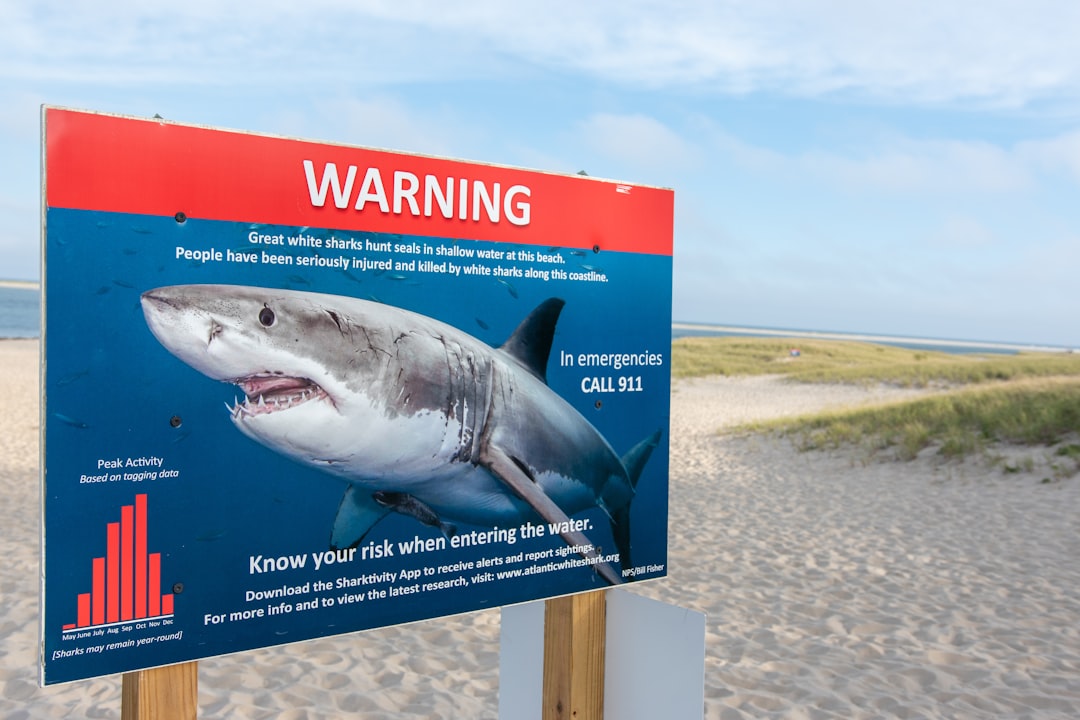
When you look at the raw numbers on shark encounters, it’s easy to feel a spike of anxiety, but I think it’s time we pull back the curtain on how these statistics actually work. The first thing you need to know is that simple counts are almost always misleading because they completely ignore the massive surge in the number of people heading to the beach. When experts normalize these rates against total population growth and tourism volume, the statistical likelihood of being bitten hasn't really spiked—in many places, it’s actually leveled off or even dipped. It’s like looking at a headline about a car crash without knowing how many thousands of other cars were on the road that same day.
We also have to talk about reporting bias, because not every beach has the same level of oversight. High-profile tourist spots with dedicated research programs are going to capture every single minor incident, while remote coastlines often go unrecorded, which creates a skewed map of where the real activity happens. Plus, the data often lumps everything together, failing to distinguish between a minor, accidental scrape from a curious juvenile and a serious, life-threatening injury. When we dig into the species involved, we find that the vast majority of stats are driven by just a few species like bull or blacktip sharks that prefer the same shallow, high-traffic zones we love.
And here is where it gets really interesting: those temporal spikes you see in the news often have nothing to do with sharks changing their behavior and everything to do with us. With modern wetsuit technology, more people are spending time in the water year-round, which naturally increases the window for human-wildlife overlap. It’s not that the sharks are suddenly acting differently; it’s that we’re simply present in their environment more often and for longer stretches of time. Researchers are now shifting away from basic historical counting toward predictive models that factor in satellite tracking and oceanography to map out high-probability zones.
If you really want to read these stats responsibly, you have to stop thinking about sharks as roaming hunters and start seeing the ocean as a shared space. Most of these encounters are happening in very shallow water, which flies in the face of that old myth that the deep blue is the most dangerous spot. When you see an incident labeled as unprovoked, try to remember that it often overlooks the subtle environmental cues—like bait movement or specific water conditions—that might have triggered a defensive or investigative reaction from the animal. At the end of the day, interpreting this data is less about counting bites and more about understanding the precise intersection of our habits and their habitat. It’s a complex, messy picture, but one that makes a lot more sense once you realize it's just about two different groups navigating the same space at the same time.
Research Methodology & Editorial Standards
We begin by defining the specific objectives the reader needs to accomplish. Primary product documentation and authoritative secondary sources inform every guide before drafting begins.
Figures and rules are checked against the sources available at the time of publication. Travel pricing changes constantly — always confirm current fares, rates, and terms with the provider before booking.