
Visit the Italian town where wine flows freely from a public fountain
It’s a fascinating setup, honestly, because it’s not run by the city but through a private partnership between the Dora Sarchese winery and the pilgrimage organization.
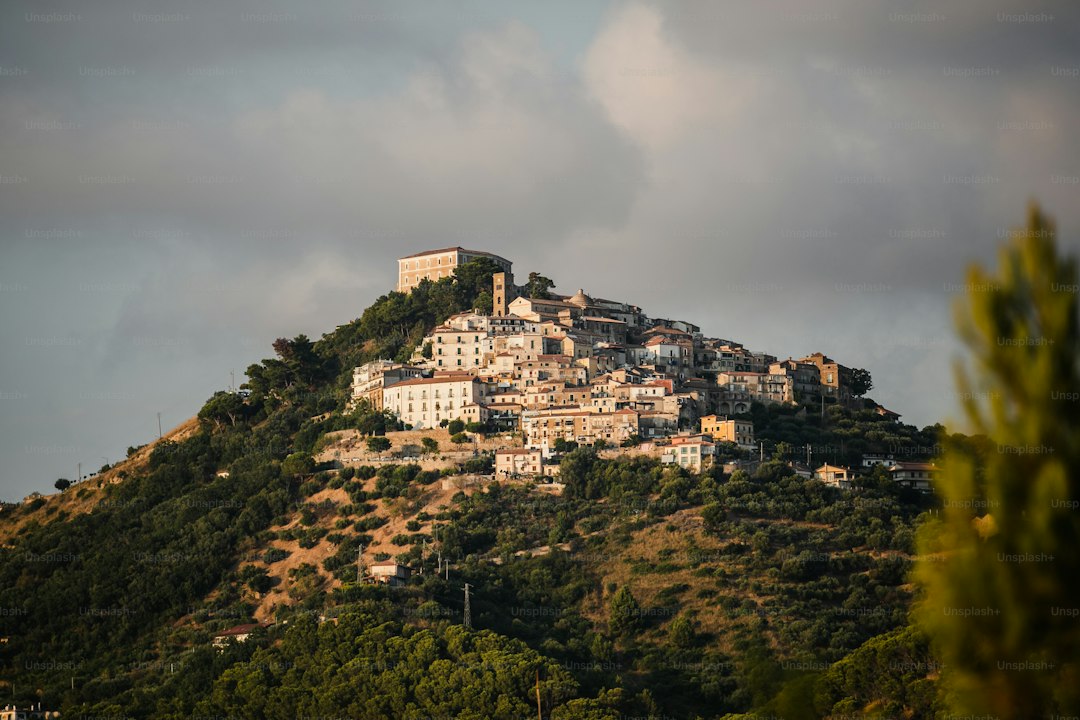
The Legend of the Fontana del Vino in Caldari di Ortona
If you’ve ever found yourself trudging along a long-distance trail, you know that moment when your legs feel like lead and you’d give anything for a break. That’s exactly the spirit behind the Fontana del Vino in Caldari di Ortona, a project that blends the ancient tradition of pilgrim hospitality with a bit of modern flair. It’s located right on the Cammino di San Tommaso, serving as a genuine, physical refueling point for those trekking the 316-kilometer route from Rome to Ortona. Think of it less as a tourist gimmick and more as a nod to the old-school monasteries that used to keep their doors open for weary travelers. It’s a fascinating setup, honestly, because it’s not run by the city but through a private partnership between the Dora Sarchese winery and the pilgrimage organization.
But let’s get into the mechanics of why this actually works, because it’s more than just a pipe sticking out of a wall. To keep that local Montepulciano d'Abruzzo flowing without turning into vinegar, the system uses a specialized stainless steel delivery mechanism that prevents oxidation while the wine sits in its holding tank. It’s pretty clever engineering that keeps the liquid stable despite the temperature shifts we see throughout the seasons. The structure itself is built with local stone, so it doesn't look out of place; it feels like it’s been part of the landscape for years. And don't worry about the environmental footprint—the organizers don't provide disposable cups, which is a smart move to keep the area clean and discourage littering.
If you’re wondering where the idea came from, it’s clearly inspired by the famous fountain at Bodegas Irache in Navarre, which has been a staple for Camino de Santiago hikers for decades. I think the most important thing to keep in mind is the intent behind it all. This isn't a place to belly up and party; it operates on a non-profit basis with a strict code of conduct focused on responsible consumption. It’s a quiet, respectful tradition that’s meant to celebrate the journey rather than just the destination. As someone who watches these kinds of projects, I see it as a brilliant case study in sustainable oenotourism—it’s proving you can respect local roots while managing the realities of modern visitor traffic. It really makes you appreciate the thought that goes into balancing history with a bit of daily comfort for those on the road.
A Unique Pilgrimage: Why Travelers Flock to Abruzzo
If you’re planning a trip to Italy, you’ve probably heard the usual buzz about Rome or Florence, but there’s a quiet, wild heart to the country that most people miss entirely. I’m talking about Abruzzo, a place where over 30 percent of the land is protected within national parks, giving it the highest concentration of preserved territory in the entire nation. It’s not just about the numbers, though; think of the Majella National Park, which shelters nearly a quarter of all Italian flora, or the Gran Sasso massif, which towers as the highest point in the Apennines. And for the curious, yes, it’s home to the Calderone Glacier, the southernmost glacier in Europe, standing as a stubborn reminder of a colder, older world. When you walk these mountains, you’re not just seeing scenery; you’re looking at a region that serves as a critical reservoir for European biodiversity, including the rare Marsican brown bear.
The history here feels deeper than what you find in the guidebooks, especially when you look at the tratturi, those ancient sheep migration paths that date back to the Bronze Age. We’re currently seeing researchers push for these routes to gain international heritage status, and honestly, it’s about time because these paths were trade networks long before the Romans laid their first stone. You can feel this sense of continuity in places like Santo Stefano di Sessanio, where the community turned the town into a scattered hotel to keep their heritage alive instead of letting it crumble. It’s a brilliant way to fight rural depopulation, and it gives you a place to stay that feels like part of the village fabric rather than a sterile hotel room. If you head toward the coast, you’ll find the Costa dei Trabocchi, where those strange, wooden fishing platforms jut out over the Adriatic like giant, beached insects.
I find the local obsession with quality just as fascinating as the geology, especially when you get into the culinary side of things. Take the Saffron from L’Aquila; it’s a protected regional treasure that takes roughly 150,000 flowers to produce just a single kilogram of spice. It’s that kind of labor-intensive dedication that defines the Abruzzo experience, whether you’re talking about the food or the historical pilgrimage to Ortona. People have been traveling that specific route since 1258, specifically to honor the relics of Saint Thomas the Apostle, and you can still catch that same sense of purpose today. It’s a region that balances intense tectonic activity—which keeps scientists busy at local monitoring stations—with a profound, slow-motion way of life. If you’re looking for a destination that rewards patience and a love for the rugged, you really need to put this at the top of your list.
How to Experience the Free-Flowing Wine Fountain
If you're planning to experience the fountain yourself, it’s helpful to understand that this isn’t just a spigot in a wall; it’s an engineered, twenty-four-hour service point that feels surprisingly grounded for how much noise it makes online. The system uses a pressurized stainless steel circuit to keep the wine fresh, which is honestly a clever way to avoid the oxidation you’d get with a standard open-air tap. Because the setup is maintained by the Dora Sarchese vineyard, the wine travels a negligible distance from the tank to your cup, ensuring the Montepulciano d'Abruzzo stays as the winemaker intended. It operates as a private, non-profit utility rather than a public bar, which is exactly why they can keep the flow going at all hours for weary pilgrims.
You’ll notice that the structure itself is tucked into local stone, which isn’t just for aesthetics; it provides enough thermal mass to stabilize the wine’s temperature without needing energy-intensive refrigeration. It’s a pretty smart, low-impact design that reflects a real commitment to sustainability. When you arrive, don't expect a frantic party atmosphere, as the flow rate is intentionally calibrated for a slow, meditative pour. Think of it as a modern nod to the old monastery tradition of offering a bit of comfort to travelers on the Cammino di San Tommaso.
But here is the reality you should keep in mind before you head out: there are no disposable cups provided, so you’ll want to pack your own reusable vessel if you want to participate. This keeps the site clean and respects the surrounding trails, which I think is a massive win for the local community. It’s the only high-capacity, free-access point along the entire 316-kilometer route, so it really does act as a vital, if unconventional, lifeline. If you’re passing through Abruzzo, it’s worth the detour just to see how such a simple, historical idea can be successfully adapted for the modern traveler. Just remember that it’s designed for a quick, respectful stop, so treat it as a refueling break rather than a destination in itself.
Understanding the Tradition: From Local Vineyards to Public Taps
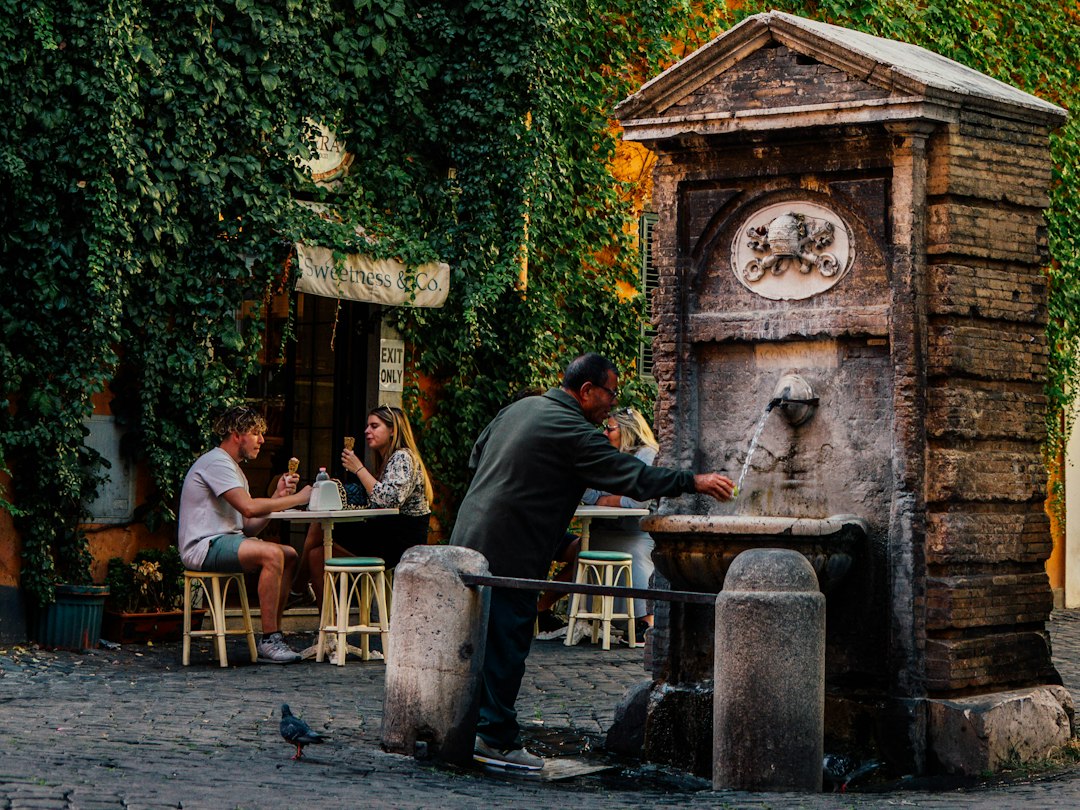
When I look at the history of public wine taps, I think it’s easy to dismiss them as a novelty, but honestly, there’s a much deeper story here about how we’ve viewed land and resources for centuries. In regions like Abruzzo, wine wasn't just a luxury; it was a fundamental, everyday staple tied directly to the harvest, often distributed during festivals to foster community spirit. If you compare this to the industrial models we see today, you realize these fountains are really a throwback to a time when production and consumption were hyper-local and deeply connected to the soil. We’re talking about a landscape defined by calcareous marl and clay, which gives grapes like the Montepulciano the specific mineral profile that’s made them famous. It’s fascinating how those old-school agrarian traditions—relying on natural, altitude-specific yeasts—created a product that was as much about the environment as it was about the craft.
Let’s pause for a moment to consider the engineering side of this, because it’s surprisingly clever. You’d think an outdoor tap would just lead to spoilage, but the locals have mastered thermal inertia by using local stone structures to keep temperatures stable within a very tight range. When you combine that natural cooling with modern, airtight delivery systems, you get a setup that effectively replicates the conditions of a subterranean cellar without needing constant, energy-heavy refrigeration. It’s a low-impact design that really challenges the way we think about retail sustainability today. By skipping the standard commercial bottling process, these projects significantly cut down on the carbon footprint associated with transport and packaging, which I think is a model more regions should be looking at.
The real beauty, though, is how this bridge between the past and present actually functions for the modern visitor. We’re not just talking about a drink; we’re looking at a piece of living history that sits right inside a vital biodiversity corridor. It’s rare to find a project that manages to be both a functional resource for weary travelers and a genuine cultural touchstone that doesn’t feel like a tourist trap. Most commercial models push for high turnover, but this approach favors a slow, meditative interaction that keeps the focus on the quality of the grape. If you’re ever in the area, try to look past the novelty of the tap itself and really appreciate the science of how they keep that wine fresh; it’s a brilliant example of how we can honor our roots without ignoring the realities of how to manage modern crowds.
Beyond the Fountain: Exploring the Charming Town of Ortona
If you manage to pull yourself away from the wine fountain, you’ll find that Ortona itself is a place where the history is as layered as the local geology. It’s hard to walk these streets without feeling the weight of the 1943 Battle of Ortona; the town’s layout was so famously brutal during that conflict that historians actually dubbed it the Little Stalingrad. You can get a sense of that intensity at the Museo della Battaglia, where they document how civilian homes were transformed into defensive strongholds. It’s a sobering contrast to the beauty you see today, but it’s an essential part of understanding how this town rebuilt itself after the chaos of the twentieth century.
And speaking of rebuilding, the Aragonese Castle is a must-see, even if you’re just there for the view of the Adriatic. It has been standing on that cliff since the 15th century, though it’s had a rough ride—a major landslide in 1946 forced a massive reconstruction of the site. That’s just the reality of living on the Adriatic Plate, where the soft clay cliffs are constantly shifting and eroding under your feet. It’s a dynamic, restless coastline, and you can see that same natural tension in the way the town clings to the edge of the sea.
But honestly, the real charm here is how Ortona stays grounded in its maritime and agricultural roots despite the tourist interest. The harbor is still defined by those incredible wooden trabocchi platforms, which are perfect for seeing how people used to fish before modern industrial trawlers took over. Even the wine you’re drinking here is a direct product of the local soil, thanks to the calcareous marl and a thermal inversion effect from the nearby Apennines that keeps the grapes crisp. It’s a rare spot where strict zoning laws have actually worked to keep over-development at bay, leaving the coast feeling wild and protected. If you’re looking to trade the polished, mass-market Italian experience for something with a bit more grit and genuine history, you really can’t do much better than this.
Essential Tips for Visiting the World’s Most Famous Wine Spout
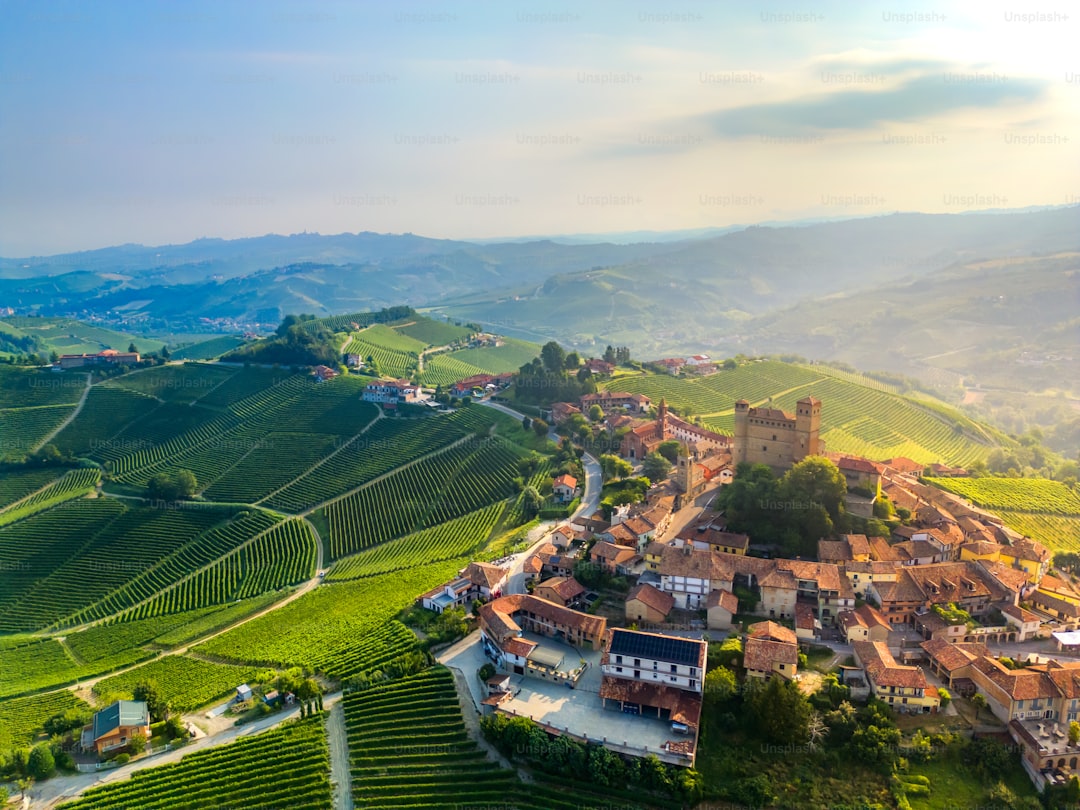
If you’re planning to visit the fountain, the first thing you need to realize is that it’s less of an open bar and more of an engineering marvel tucked into the Abruzzo hills. Honestly, it’s best to view your visit through the lens of a traveler on the Cammino di San Tommaso rather than a casual tourist looking for a party. Before you even head out, you should pack your own reusable cup, as the lack of disposable options is a deliberate move to keep the site clean and environmentally sound. You'll find the flow is intentionally slow, and that’s by design—it’s meant to be a meditative, respectful break where you appreciate the local Montepulciano d'Abruzzo in its purest form.
From a technical perspective, the setup is incredibly sophisticated, utilizing a nitrogen-blanketing system that keeps oxygen out of the lines so the wine stays fresh from the reservoir to your glass. The housing is built with high-density volcanic tuff, which acts as a natural insulator to keep the wine at the perfect temperature without relying on energy-heavy refrigeration. It’s also worth noting that the fountain includes an automated UV-C sterilization cycle during quiet periods, which is a pretty ingenious way to maintain hygiene in an outdoor, public-facing space. They’ve even gone as far as using food-grade 316L stainless steel piping to ensure there’s zero metallic leaching, meaning you’re getting the wine exactly as the vintner intended.
If you’re curious about how it handles the elements, the foundation is anchored directly into the bedrock to ensure seismic stability, which is quite important given the local geology of the region. The drainage basin is sloped at a precise 4-degree angle, a simple but effective detail that prevents any pooling or buildup of residue. I’ve always thought it was smart how the system uses a geothermal heat exchange to leverage the stable temperatures beneath the earth, showing that you don't always need complex, modern machinery to solve a storage problem. Just remember that it’s a non-profit utility meant for pilgrims, so keep your visit brief and respect the space—it’s that kind of thoughtful, low-impact interaction that keeps the tradition alive for the next person coming down the trail.
Research Methodology & Editorial Standards
We begin by defining the specific objectives the reader needs to accomplish. Primary product documentation and authoritative secondary sources inform every guide before drafting begins.
Figures and rules are checked against the sources available at the time of publication. Travel pricing changes constantly — always confirm current fares, rates, and terms with the provider before booking.