
Ultimate Southern California Summer Bucket List Experiences to Plan for 2026
If you’re planning a 2026 trip, it helps to understand that the iconic June Gloom isn't just a mood killer; it’s a legitimate temperature inversion trapping cool, moist air against the coast.
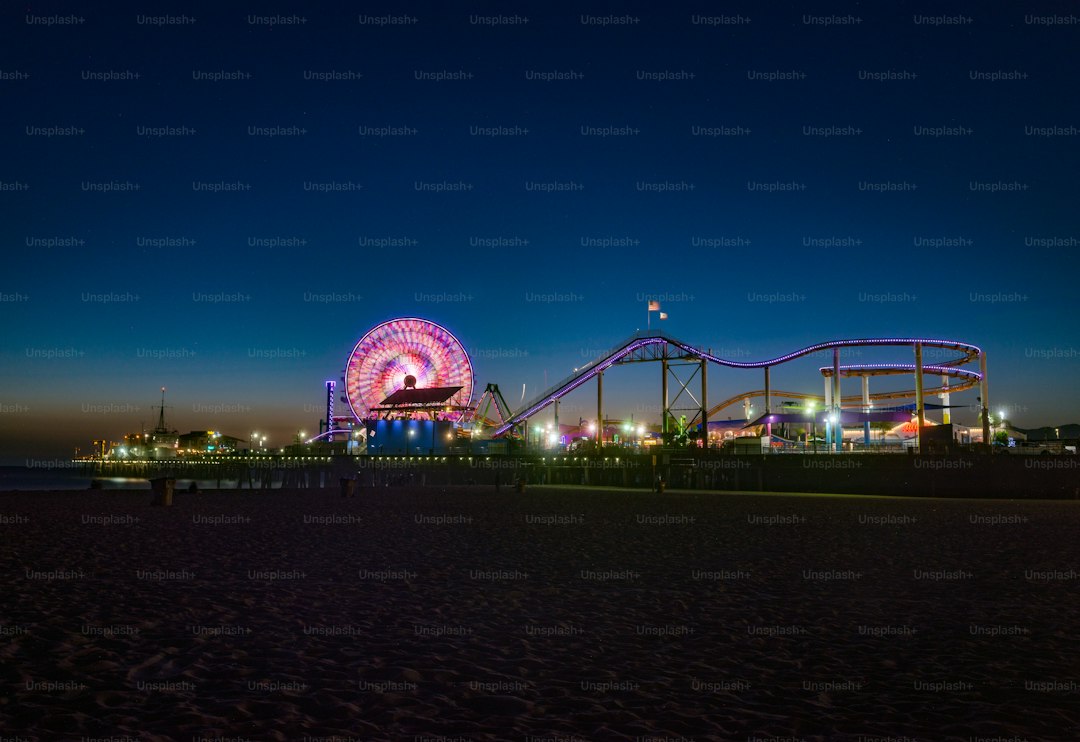
Coastal Escapes: Scenic Drives and Beachfront Getaways
There’s something about the hum of tires on the Pacific Coast Highway that just resets your brain, isn't there? When we talk about scenic drives, we’re really talking about moving through layers of time, like how the route through Malibu brings you face-to-face with Monterey Shale formations from the Miocene epoch. If you’re planning a 2026 trip, it helps to understand that the iconic June Gloom isn't just a mood killer; it’s a legitimate temperature inversion trapping cool, moist air against the coast. This marine layer is actually a blessing for your comfort levels, even if it feels a bit gray when you wake up. Honestly, I’ve found that the best views often happen when the mist starts to pull back, revealing the sharp contrast against the cliffs.
If you’re heading down toward La Jolla, keep your eyes peeled for the Garibaldi; you can’t miss that bright orange flash in the water, and they’re protected for a reason—they’re central to the reef ecosystem. It’s wild to think that the very sand you’re walking on is in constant motion thanks to longshore drift, shifting steadily down the coast with every wave that hits at an angle. If you really want to get away from the typical beach scene, a trip to the Channel Islands is non-negotiable. You’re looking at an isolated pocket of the world where 145 species exist nowhere else, and that kind of biodiversity is pretty humbling when you’re standing in the middle of it.
For those of you who love the geology behind the scenery, the cliffs at Torrey Pines are about 45 million years old, housing a pine forest that’s one of the most restricted in all of North America. Just remember that our tidal zones here operate on a mixed semi-diurnal pattern, meaning you’ll see two high and two low tides of different heights every day. It’s worth checking the tide charts before you set out, especially if you’re hoping to catch a glimpse of bioluminescence at night. That neon-blue glow is caused by Lingulodinium polyedra, and seeing it light up the waves when they’re disturbed is one of those rare, lucky experiences that makes the drive totally worth it.
We’re essentially looking at a Mediterranean climate here, where you can bank on almost zero rain during the summer. The California Current keeps things from getting too sweltering, which is why the kelp forests—growing up to two feet a day in the peak of summer—are so vital for keeping the water and air temperatures in check. If you’re like me and prefer to skip the crowds, focusing on these natural rhythms rather than just the hotel amenities will give you a much better handle on where to be and when. It’s less about just hitting a destination and more about understanding how the coast is actually breathing. Take your time, watch the water, and let the geology dictate your pace.
Iconic Theme Park Adventures and Resort Highlights
When we talk about the massive theme parks defining our Southern California landscape, we aren’t just looking at roller coasters and parades; we’re really looking at incredibly sophisticated engineering marvels that push the limits of physics every single day. If you’ve ever wondered how a vehicle can launch you from zero to 70 miles per hour in seconds, it’s all down to linear synchronous motors that manipulate magnetic fields instead of relying on the clunky mechanical chains of the past. Beyond the thrill, I find the hidden maintenance side just as fascinating, especially the way computerized oscillation sensors monitor the track for microscopic vibrations to catch safety issues long before a rider would ever feel a bump. It’s that kind of behind-the-scenes precision that really keeps the experience seamless while we’re busy just trying to decide which ride to hit next.
But the tech isn't limited to the coasters; the immersive environments we walk through are just as carefully engineered to trick our brains. Designers use forced-perspective architecture, scaling building elements by specific ratios that play with our binocular vision to make distant structures feel impossibly large or deep. Even the soundscapes are a feat of modern engineering, relying on beamforming speakers that push audio into tight, localized zones so you don't hear the music from the next land bleeding into your own. Meanwhile, massive industrial HVAC systems are running constantly to keep humidity at the exact levels needed to prevent delicate props from warping, and the water filtration in aquatic zones often uses ozonation instead of standard chlorine for a cleaner, more efficient way to manage high-traffic crowds.
As we look toward the summer of 2026, it’s worth noting that the industry is also getting smarter about sustainability and long-term operations. Many newer coaster designs now feature regenerative braking, capturing the kinetic energy from every deceleration and pumping it back into the park’s power grid, which is honestly a brilliant way to offset such high energy demands. You’ll also notice that modern pathways are frequently built with permeable materials to handle water runoff, showing how these massive resorts are trying to play nicer with the local environment. With major updates like the new Soarin' Across America debut coming to celebrate the 250th anniversary, there’s a lot to anticipate, but I’d suggest keeping an eye on the smaller operational shifts as much as the big ride announcements. It’s all part of a larger, evolving puzzle where the goal is to keep the illusion perfect while managing the sheer physical strain of running these machines thousands of times a day.
Cultural Immersion: Top Summer Festivals and Street Fairs
If you’ve ever found yourself navigating a packed Southern California street fair in mid-July, you know the experience is as much about the logistics as it is the culture. We’re talking about massive, shifting crowds that planners actually manage using fluid dynamics models, treating pedestrian flow like a non-Newtonian fluid to stop those frustrating bottlenecks in tight corridors. It’s wild to think that while we’re busy grabbing street tacos, engineers are literally using predictive modeling to ensure cooling stations are never more than a three-minute walk away from high-density zones. They’re even using phase-change material vests for the staff to handle the heat, which honestly makes you realize how much tech is humming along under the surface of these summer traditions.
And honestly, the attention to detail goes deeper than just keeping us cool or moving. Look at the temporary flooring used at these events; it’s usually coated in high-albedo materials that reflect solar radiation, keeping the ground up to 15 degrees cooler than the surrounding asphalt. Even the botanical displays are getting smarter, moving toward xeriscaping with endemic succulents that slash irrigation needs by 80 percent compared to traditional ornamental setups. I’ve noticed that even the signage has changed, often using soy-based pigments that break down faster in local landfills, which is a subtle but real shift in how these festivals approach their environmental footprint.
But the real game-changer for 2026 is how these events are handling power and sound. I’ve seen more festivals shifting to microgrid technology, allowing them to disconnect from the main utility grid and run entirely on battery energy during those peak afternoon hours when the demand is highest. It’s pretty clever, especially when paired with the cardioid subwoofer arrays they’re using to keep sound contained, ensuring the bass hits just right without blasting the neighbors and violating municipal noise ordinances. If you’re planning your summer around these fairs, pay attention to these small, tech-driven shifts—they’re exactly what keep these massive, complex events running smoothly while we’re just there to soak up the vibe.
Urban Explorations: Discovering Hidden Gems in Los Angeles
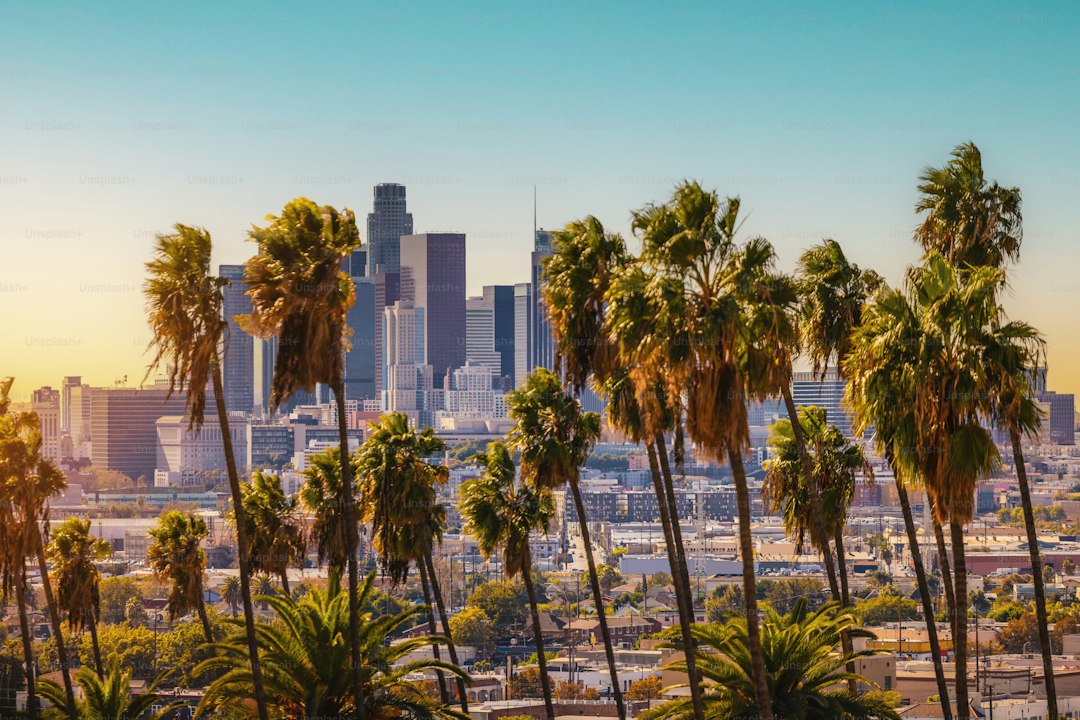
When you start digging into the forgotten corners of Los Angeles, you quickly realize it’s less about finding a secret map and more about reading the city’s history in the stuff that’s been left behind. Take the Bradbury Building, for instance; it’s not just a beautiful lobby, but a masterclass in 1893 climate-adaptive design, using a central light well to pull air through and brighten the space without touching a light switch. Or look at the Sunken City in San Pedro, where a 1929 landslide literally sent houses sliding into the Pacific, creating this weird, beautiful, and constantly shifting geology that nature is slowly reclaiming. It’s a stark reminder that in Southern California, the ground beneath us is almost as restless as the city’s development, and that constant tension between the built environment and the earth is what makes these spots so fascinating to study.
But it isn't just the natural disasters that shape these hidden gems; it’s the human choices that seem almost surreal in hindsight. You can hike through the Hollywood Hills to find the remains of Murphy Ranch, where concrete bunkers and water tanks tell a really heavy story about 1930s political paranoia. Even the city's infrastructure—like the twelve miles of sealed-off pedestrian tunnels beneath downtown—tells a story of a city that once planned for a totally different way of moving through space. I think what hooks me is how these sites often get a second life, like the industrial grain silos in the Arts District that are now being thermally stabilized for modern use, proving that we don't always need to tear down to start fresh.
Honestly, if you’re trying to navigate this sprawl, the best way to do it is to look for the remnants of what came before the freeways took over. You can still spot old Pacific Electric Railway easements if you know where to look, or walk the 1920s stairways that were originally built to get people from their front doors to the trolley lines. It’s funny how those same stairs now serve as essential green canyons for local birds moving through the concrete. And if you’re worried about the footprint of all that driving, new car-sharing programs are starting to pop up right at historic hotels to make the commute a bit lighter on the grid. It’s all just layers of intent—some of it abandoned, some of it repurposed—and honestly, the more you pay attention to these details, the less like a tourist you feel and the more you start to understand how this massive, complicated machine actually breathes.
Family-Friendly Fun: The Best of San Diego for All Ages
When you’re planning a trip to San Diego with the family, the sheer volume of options can feel overwhelming, but I’ve found that focusing on the intersection of education and play usually yields the best results. It’s not just about finding a place to burn off energy; it’s about choosing spots where the infrastructure itself is as interesting as the experience. Take the Birch Aquarium at Scripps, for instance; they use a massive life support system that processes 70,000 gallons of seawater daily to mirror the actual Pacific chemistry, which is a detail your kids might not notice but one that keeps the ecosystem thriving right in front of them. The San Diego Zoo is equally impressive in its engineering, running bio-filtration systems that turn waste into fertilizer, effectively closing the loop in a way that’s rare for such a high-traffic urban space. When you’re walking through these sites, you’re really moving through highly calibrated environments designed to keep nature sustainable while keeping us entertained.
Balboa Park is another area where I think the logistics really shine, especially with their use of recycled water to maintain that sprawling botanical collection despite the summer heat. If you’re heading to the local playgrounds, you’ll likely notice the materials feel different, and that’s intentional; many are built from mass timber or recycled plastics designed to stay cool even when the mercury hits the mid-90s. It’s a small, practical choice that prevents the usual mid-day melt-down at the park. Plus, the city’s transit authority is now using predictive models to manage trolley density, which honestly makes getting around with strollers or tired kids much less of a headache than it used to be. I’ve always felt that when a destination prioritizes these behind-the-scenes systems, it creates a much smoother flow for your entire day.
Of course, there’s a real value in looking for spots that teach us something about the local resilience, too. At Cabrillo National Monument, you can observe anemones that have physically adapted to survive intense low tides by locking in their own moisture, a biological trick that researchers are still studying today. It’s a great reminder that the coast here is a living, breathing laboratory. Even the historic Hotel del Coronado is getting in on the future-proofing, using solar glass to keep its classic charm while pulling energy from the sun. If you want to make your 2026 trip feel less like a standard vacation and more like a discovery, keep an eye on these kinds of details; they’re the reason San Diego manages to feel both timeless and incredibly modern at the same time.
Planning Your 2026 Itinerary: Essential Tips for SoCal Travel

When you start mapping out your 2026 Southern California itinerary, you quickly realize this summer is operating on a different frequency than any year we've seen before. With the massive surge of international visitors descending for the FIFA World Cup, our usual logistical rhythms are being rewritten by heavy-duty infrastructure upgrades. Here is what I think you need to keep in mind: if you’re flying in, skip the assumption that every airport handles traffic the same way. Ontario International, for instance, is rolling out specific shuttle prioritization algorithms, so your transit time will depend entirely on how well you sync with those digital flows. I’d suggest looking at your arrival hub as a tactical decision rather than just a price-point choice.
It’s not just the travel hubs that are changing; the venues themselves are turning into massive, thermal-conscious machines. If you’re heading to any stadium event, notice that they’ve shifted their cooling loads to nighttime hours to save the grid, which creates a really unique, quiet energy efficiency that you wouldn't normally perceive as a guest. And if you’re wandering through the city, keep an eye out for the new augmented reality wayfinding beacons. They offer sub-meter accuracy that’s honestly a game-changer when you’re navigating the dense, chaotic joy of a major festival. It’s a bit like having a local guide in your pocket, and it’s going to be essential when you’re trying to move between crowded event zones without losing your mind.
The best way to handle this summer is to lean into the tech that’s finally catching up to the crowd volume. Don't be surprised if your rental car process feels like a surgical operation—agencies have moved to centralized hubs using automated license plate recognition to force faster turnover. Even the hiking trails are getting smarter, with moisture-sensing stabilizers installed to keep the paths from crumbling under the intense 2026 foot traffic. Honestly, the smartest move you can make is to download the transit apps that show real-time occupancy tracking before you even head to the platform. It takes the guesswork out of the commute, and in a summer this busy, that kind of predictability is the only thing that’ll keep your trip feeling like a vacation instead of a logistical grind.
Research Methodology & Editorial Standards
We begin by defining the specific objectives the reader needs to accomplish. Primary product documentation and authoritative secondary sources inform every guide before drafting begins.
Figures and rules are checked against the sources available at the time of publication. Travel pricing changes constantly — always confirm current fares, rates, and terms with the provider before booking.