
Top West Coast travel destinations recommended by our readers
When you’re staring at a map of the Pacific coastline, it’s easy to get overwhelmed by the sheer scale of the geography, but the real magic often hides in the smaller towns tucked between the cliffs and the surf.
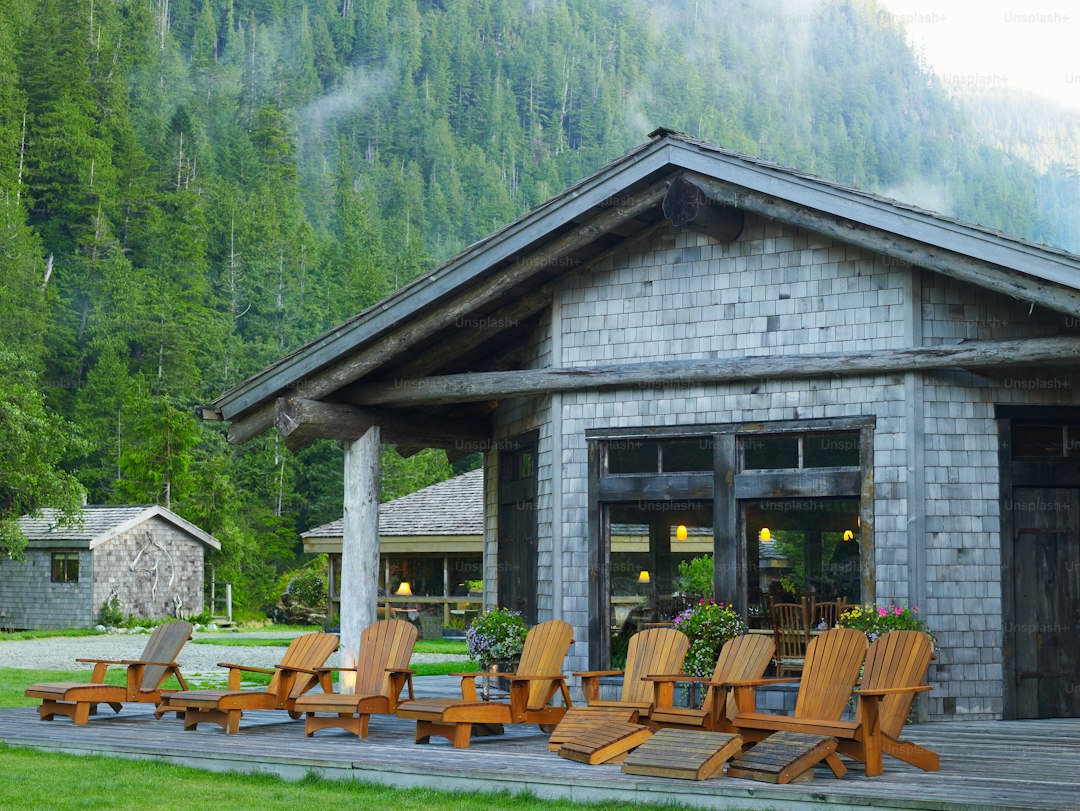
Coastal Escapes: Reader-Favorite Small Towns by the Pacific
When you’re staring at a map of the Pacific coastline, it’s easy to get overwhelmed by the sheer scale of the geography, but the real magic often hides in the smaller towns tucked between the cliffs and the surf. I’ve spent enough time driving these routes to know that the most memorable stops aren't always the ones with the most hotel chains; they’re the ones with a distinct sense of place, like the Victorian architecture in Mendocino or the historic, address-free charm of Carmel-by-the-Sea. It’s fascinating how these spots maintain their identity against the tide of modernization. Whether you’re looking for the dramatic basalt formations of Yachats or the quiet, rain-shadowed streets of Sequim, there’s a technical beauty to why these locations work so well as escapes.
Let’s be honest, the Pacific Northwest and California offer completely different vibes, and understanding the environmental factors behind them helps you pick the right trip. For instance, if you prioritize marine life, the protected tide pools at La Jolla Cove or the nesting tufted puffins at Cannon Beach’s Haystack Rock offer a level of biological diversity you just don't find everywhere. But if you’re more into history, towns like Port Townsend or Coupeville provide a window into the 19th-century maritime economy that feels almost frozen in time. It isn’t just about the view; it’s about the fact that these towns exist within such specific, often fragile, ecosystems.
And look, I know planning a trip can feel like a chore, but narrowing your focus to these reader-favorite spots makes the logistics much simpler. You’re essentially trading the unpredictability of major tourist hubs for well-established, albeit smaller, infrastructure that’s held up for decades. I’d argue that the best way to experience these places is to lean into their quirks—like wandering the wharf in Coupeville or watching the currents collide at the mouth of the Columbia River in Astoria. It’s those specific, tangible details that turn a weekend away into a real reset. Honestly, the next time you need to clear your head, just pick one of these coastal anchors and see how the local geography changes your perspective.
Mountain Retreats and Premier Resorts for Year-Round Adventure
When you’re looking at the evolution of mountain travel, it’s easy to think of these spots as seasonal one-trick ponies, but the reality is much more sophisticated. I’ve spent time looking at how resorts are shifting their infrastructure to stay relevant year-round, and honestly, the technical side of this transition is fascinating. It isn’t just about adding a mountain bike trail and calling it a day; it’s about managing delicate ecosystems while keeping guests comfortable through wild temperature swings. Think about the thermal inversions that trap cold, stagnant air in valleys while the peaks above sit in brilliant, clear sunshine—resorts are now using that precise meteorological reality to position their lodges for better air quality and light.
What’s really catching my eye is how these places are engineering for the future, like the integration of high-altitude golf courses that account for lower air density, which actually adds about ten percent to your ball flight distance. You’re also seeing a massive push toward sustainability that goes beyond marketing, with spots like Taos using advanced water reclamation to protect local aquifers during snowmaking. Even the architecture is getting an upgrade; they're using dendrochronology to make sure those classic, century-old timber frames can handle modern snow loads without failing. It’s a smart, data-driven approach that turns these historic structures into resilient hubs for year-round activity.
And if you’ve ever wondered why you feel so much better after a few days at 6,000 feet, there’s actually research suggesting that altitude forces a unique physiological adaptation that boosts your oxygen efficiency, which is exactly why the wellness retreat industry is exploding in these regions. From the Himalayan foothills to the Rockies, new developments are being mapped out with wildlife corridors to avoid fragmenting the local habitat, which is a big change from how we built things twenty years ago. They’re even using solar path analysis to make sure base villages don't overheat in the summer while staying bright in the darkest weeks of winter. It’s a lot to take in, but when you look at how these resorts are balancing energy grids and soil erosion with high-end guest experiences, you realize we’re seeing a total reimagining of what a mountain vacation can actually be.
Family-Friendly Destinations for Unforgettable West Coast Memories
When you’re planning a trip with your family, the goal isn't just to occupy time—it’s to find those rare, visceral moments that actually stick with you long after the luggage is unpacked. The West Coast offers a distinct advantage here because of how geography acts as a natural laboratory, turning a simple vacation into an interactive lesson in biology and physics. Take the Redwood National and State Parks, for instance, where you can show your kids how trees actually drink from the fog, capturing nearly a third of their water intake directly from the mist. It’s this kind of tangible, observable science that turns a hike into a core memory for a child. We often focus on the big-ticket items, but the real value is in these quiet, high-density ecosystems that feel like they belong on another planet.
If you’re looking for something that hits that sweet spot between adventure and education, consider the contrast between the San Juan Islands and the rugged Oregon coast. While the Pacific Northwest is famous for its rain, the San Juan Islands sit in a unique rain shadow created by the Olympic Mountains, giving you a much drier window for exploring than you might expect. Then you have the Oregon coast, where the sheer hydraulic force of Thor’s Well offers a spectacle of salt-water fountains that can keep even the most restless teenager glued to the railing. It’s a study in contrasts that teaches us how localized weather and geological formations dictate the rhythm of life in these specific zones. Understanding these environmental realities helps you time your trip to avoid the peak frustration of bad weather or crowded trails.
When we get into the marine side of things, the Channel Islands National Park is basically a masterclass in oceanography, sitting right where the cold California Current crashes into the warmer Southern California Countercurrent. This collision creates a level of species richness that you just don't see in more stagnant waters, making it an incredible spot for whale watching or just observing the sheer volume of life. Down in Monterey, you’ve got those massive kelp forests growing at a rate of two feet a day, providing a nursery for everything from sea otters to rockfish. Watching this from a glass-bottom boat isn't just a tour; it's a look at one of the fastest-growing ecosystems on the planet. I’ve found that when you ground your travel in these natural phenomena, the whole experience feels less like a tourist trap and more like a genuine discovery.
Rejuvenation and Relaxation: Top-Rated Spa Getaways in the West

When I look at the current state of wellness travel, I think we often get caught up in the marketing of a "spa day" without really considering the actual chemistry happening behind the scenes. If you’re like me, you’ve probably felt that distinct shift in your own baseline after a weekend away, but it’s rarely just about the plush robes or the quiet atmosphere. It’s actually grounded in specific environmental data. For instance, those mineral-rich geothermal waters you find across the West are frequently packed with high concentrations of lithium and silica, which play a genuine role in curbing inflammation and supporting your skin’s barrier. It’s not just hearsay; it’s a measurable biological response to the water’s mineral profile, which stays incredibly stable because it’s sourced from deep volcanic aquifers unaffected by the weather at the surface.
I really think we should pay more attention to how these resorts are engineering their facilities to work with our biology rather than just providing a place to nap. Take the high-altitude centers in the Rockies, for example, where they’re using hyperbaric oxygen therapy as a standard tool to force faster muscle repair by saturating your plasma with oxygen. Or consider the coastal California retreats that use seawater for thalassotherapy, carefully managing the salinity so the trace elements mirror human blood plasma. It’s incredibly technical when you dig into it, yet it feels so effortless. They’re even moving toward bio-dynamic landscaping now, intentionally designing microclimates that maximize the release of phytoncides—those antimicrobial compounds from plants—which actually help boost your immune function while you’re just walking through the grounds.
If you’re wondering why you feel such a massive difference after a few days, it’s because the best spots are now syncing their infrastructure to your own internal clock. Many of these top-tier destinations have moved to circadian-aligned lighting systems that mimic the natural spectral shift of sunlight, which is honestly a game-changer if you’re trying to reset a wonky sleep-wake cycle. They’re even using infrared thermography to map your specific muscle tension before a treatment, meaning the heat therapy you get is personalized to where you’re actually holding stress. Whether it’s the high thermal mass of volcanic basalt stones or the way they use waterfall aerosolization to pump negative ions into the air to brighten your mood, the level of precision is impressive. It’s worth looking past the surface-level relaxation to find the spots that are actually using this kind of data-driven approach to help you recover.
Cultural City Breaks: Urban Gems Chosen by Our Travel Community
When we talk about urban getaways, I think we often settle for the same dozen tourist-heavy maps, but there’s a real thrill in looking at how cities actually function as living, breathing ecosystems. If you’ve ever wondered why some downtown cores just feel cooler or more breathable than others, it’s rarely an accident; take Portland, for instance, where green roof infrastructure is actively shaving about 4 degrees Celsius off the local temperature by mitigating the urban heat island effect. It’s wild to realize that places like Seattle are literally built on their own history, with a complex network of subterranean passages hiding under Pioneer Square because they raised the street level after the 1889 fire. Even San Francisco keeps you on your toes because its microclimates are so aggressive that you can experience a 30 percent difference in solar radiation just by driving from the Mission to the Richmond District.
I love digging into these structural quirks because they change how you navigate a place once you know what to look for. Think about Victoria’s Chinatown, the oldest in the world, where the narrow alleyways were specifically oriented using feng shui to channel airflow and keep things bearable during those humid summer months. Then you have Salt Lake City, where those famously wide streets were originally mapped out for ox-drawn wagons, yet that historical footprint is exactly what makes their modern light rail integration so seamless today. It’s like the city planners of the past accidentally gifted us the perfect layout for a modern, walkable transit system. Honestly, understanding these design choices turns a simple afternoon stroll into a bit of a treasure hunt for history and clever engineering.
The best part is how these cities are starting to use data to make our visits more comfortable, which feels like a total shift from the old-school tourism model. San Jose is a great example, using smart-city sensors to adjust street lighting based on how many people are actually walking around, which cuts their energy waste by nearly 20 percent. Meanwhile, cities like Sacramento are getting hyper-specific with their canopy management, planting native valley oaks to maximize shade right where you need it most during the hottest parts of the year. Or look at Santa Fe, where they stick to strict ordinances for mud-based plaster because it provides superior thermal mass to keep interiors stable in the high desert. It’s pretty clear that the urban gems our community keeps circling back to are the ones that prioritize these smart, functional details over just looking good on a postcard.
Off-the-Beaten-Path Wonders for Your 2026 Wanderlust List
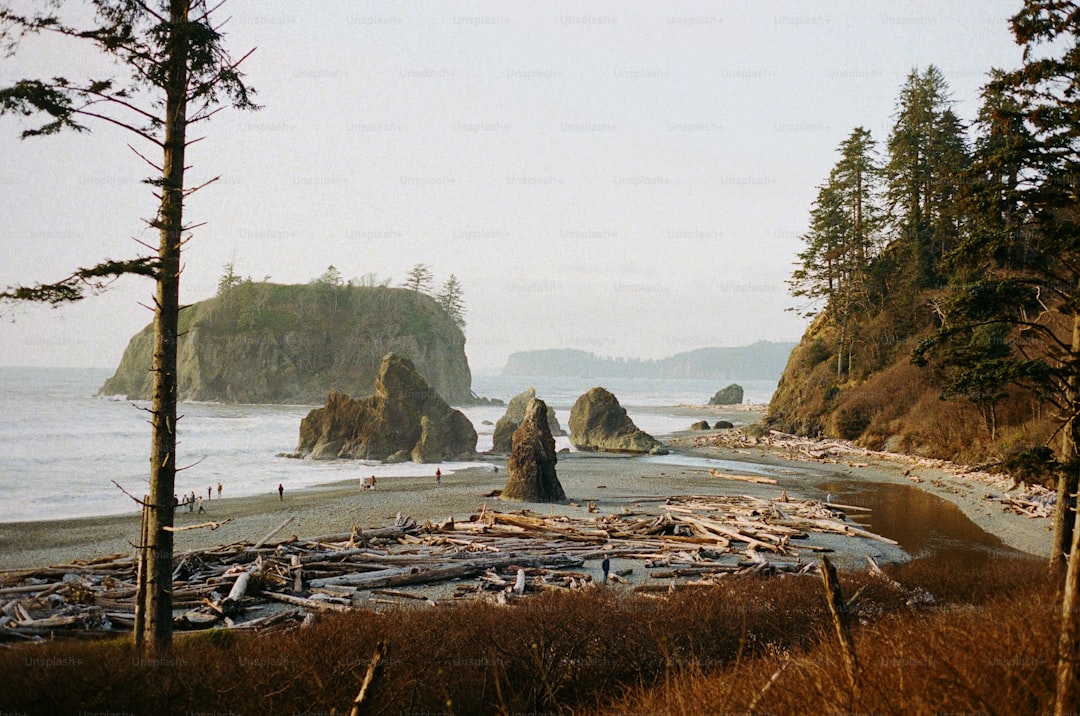
I’ve been thinking a lot about how we plan our 2026 trips, and honestly, the shift toward these quieter, weirder corners of the map feels like a direct reaction to the noise of the major hubs. If you’re like me, you’re probably tired of fighting for a parking spot at the usual suspects, so let’s look at some places that actually offer a genuine sense of discovery instead. Take Haida Gwaii, for instance; it’s not just a beautiful archipelago, but a literal biological time capsule that survived the last ice age, giving you a chance to see plant species that haven't existed elsewhere for millennia. Then there’s the Lost Coast in Northern California, which is only so pristine because the terrain was too rugged for the state to force a highway through it, leaving us with a stretch of beach that feels like it belongs in another century.
It’s these specific, raw encounters with geography that really stick with you, especially when you start to understand the physics behind what you're seeing. Look at the high desert of the Eastern Sierra at Mono Lake, where you’ve got these bizarre limestone towers rising out of the water because of a very specific chemical reaction between underwater springs and alkaline lake water. Or consider the lava tubes in Idaho’s Craters of the Moon, where the thermal insulation is so effective that you can touch ice in the middle of a ninety-degree summer day. It’s wild to think that we have these natural laboratories right in our own backyard, offering a much more grounded experience than your average tourist attraction ever could.
And if you’re looking to get away from the light pollution that’s basically blinded us to the night sky in most cities, the Goldendale Observatory in Washington is honestly a revelation. Because of its unique geographic position, it functions as a dark-sky sanctuary where you can actually see the Andromeda Galaxy without any equipment, which is something most of us have completely forgotten is possible. Even the way the landscape shifts in the Palouse region—those rolling hills are actually wind-deposited silt from the Pleistocene epoch—reminds you that the ground you’re standing on is telling a massive, ancient story if you just stop to look. I’d suggest picking one of these spots not just for the photos, but for the chance to see how these environments actually function when they’re left to their own devices. It’s a completely different way to travel, and to be fair, it’s probably the only way I want to spend my time off in 2026.
Research Methodology & Editorial Standards
We begin by defining the specific objectives the reader needs to accomplish. Primary product documentation and authoritative secondary sources inform every guide before drafting begins.
Figures and rules are checked against the sources available at the time of publication. Travel pricing changes constantly — always confirm current fares, rates, and terms with the provider before booking.