
These Are The Most Peaceful Nations To Visit For Your Next Vacation
Before we start planning your next getaway based on those top-tier rankings, it’s worth taking a second to look at how we actually define peace in the first place.
Understanding the Global Peace Index: How Rankings Are Determined
Before we start planning your next getaway based on those top-tier rankings, it’s worth taking a second to look at how we actually define peace in the first place. You’ve probably seen these lists circulating, but the Global Peace Index isn't just a popularity contest; it’s a heavy-duty data set that tracks 23 distinct qualitative and quantitative indicators across 163 countries. The researchers at the Institute for Economics and Peace group these into three main buckets: ongoing conflict, societal safety, and the level of militarization. Think of it as a balance sheet for a nation’s stability, pulling in credible data from sources like the United Nations and the Uppsala Conflict Data Program to build a score from 1.0 to 5.0, where—counterintuitively—the lower the number, the better off the country is.
I find the weightings especially interesting because they don't treat every issue as equal. Expert panels regularly tweak these metrics to make sure they’re actually tracking modern threats, giving more importance to things like homicide rates or the immediate impact of terrorism compared to other markers. They’re looking at the hard stuff: deaths from internal battles, the number of police officers per capita, and even how much of a country’s GDP goes toward military spending. For instance, that militarization domain alone makes up about a third of the final score, which really shows you how much resource allocation toward defense acts as a proxy for a nation’s overall tension.
But it goes deeper than just military hardware. The index also keeps a close eye on the human side of things, like incarceration rates, the ease of access to small arms, and the number of refugees or internally displaced people. When you see a country slide down the list, it’s often because these secondary factors—like rising political terror or a decline in civil rights—have started to shift, signaling trouble before it makes global headlines. They even factor in contributions to UN peacekeeping funds, which is a neat way of rewarding nations that are actively trying to keep the peace beyond their own borders. It’s a lot to process, but knowing the "why" behind the numbers makes it way easier to figure out if a destination is truly a fit for the kind of trip you’re looking to take.
The Top Contenders: Why Iceland and Nordic Nations Consistently Lead the List
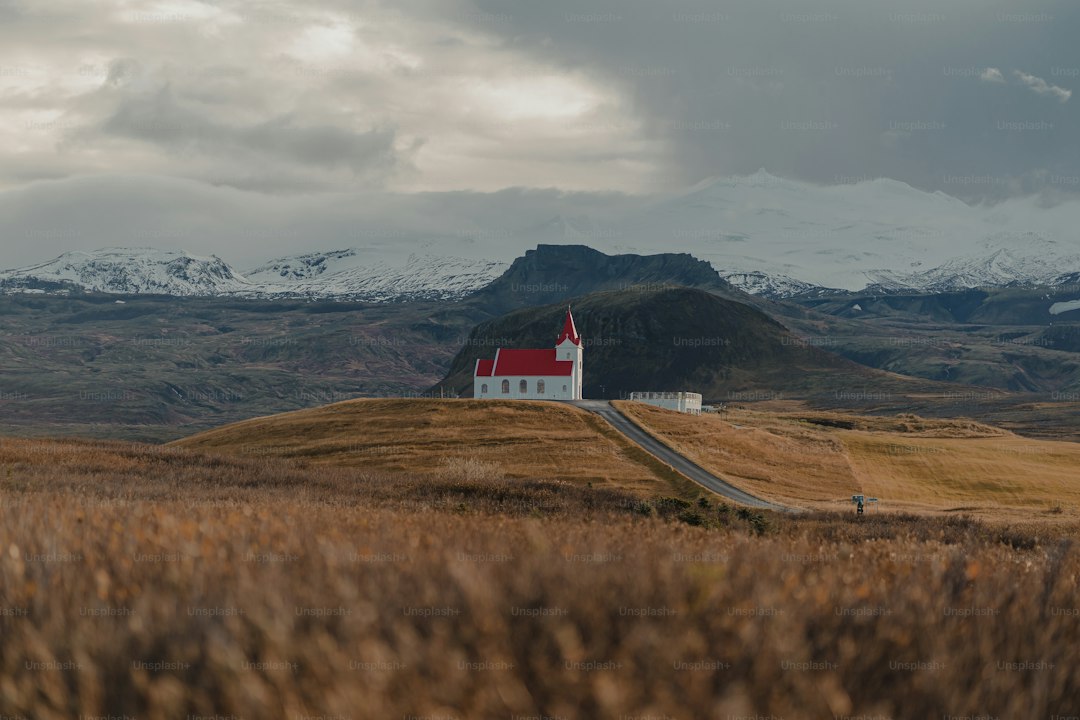
If you’ve ever looked at a map of the world’s most peaceful nations, you’ve probably noticed the same few countries—Iceland, Norway, Denmark, and their neighbors—clinging to the top spots year after year. It’s not just a lucky streak. When we look at why these spots consistently outperform everyone else, it really comes down to a specific, high-trust social model that feels fundamentally different from what we see elsewhere. Take Iceland, for instance; it operates without a standing army, relying on a small police force and a coast guard, which naturally keeps their homicide rates incredibly low, often fewer than two cases annually. That level of safety is paired with a unique cultural fabric where institutional trust is so high that you don't see the heavy surveillance or paranoia present in more volatile regions.
It’s also fascinating to see how their energy independence acts as a stabilizer. By leaning heavily into geothermal and hydroelectric power, these nations dodge the messy geopolitical conflicts that usually flare up over fossil fuel access. Then there’s the social side of things, where the Nordic focus on the Jante Law—a cultural emphasis on collective well-being rather than individual status—helps curb the kind of extreme wealth gaps that are statistically proven to drive internal unrest. It’s not just about money, though; it’s about how that money is used. Universal access to higher education and robust early childhood intervention programs act as long-term investments in peace, creating a population that is largely aligned on basic social expectations and democratic participation.
And we can’t overlook how they handle the legal system. Instead of focusing on punishment, their prison models are built around rehabilitation, which leads to some of the lowest re-offense rates you’ll find anywhere on the planet. This cycle of support extends to their labor markets too, where the gender pay gap is among the narrowest in the world, fostering a sense of fairness that keeps societal harmony intact. When you combine this with voter turnout that frequently tops 80 percent, you get a clear picture of a society where people actually feel like they have a stake in the system. It’s a compelling blueprint for stability, and honestly, it’s why these nations remain the gold standard for anyone looking for a genuinely peaceful place to visit.
Beyond the Rankings: Exploring Peaceful Getaways in Southern Europe
When we move past the predictable dominance of the Nordics, the landscape of Southern Europe offers a different, perhaps more nuanced, version of tranquility that’s well worth examining for your next trip. It’s not just about an absence of conflict; it’s about how these nations have engineered stability through localized governance and social structures that often fly under the radar. Take Portugal, for instance, which consistently secures top-tier global rankings by essentially staying out of the fray, maintaining a low profile in external disputes while keeping organized crime at an absolute minimum. I find this internal cohesion really impressive, as it creates a vacuum where stress simply doesn’t have the room to grow.
Slovenia is another personal favorite of mine when you’re hunting for that specific kind of quiet, as its neutral stance in regional politics pays dividends in its daily safety metrics. It’s remarkable how their low violent crime rates correlate with a geographic position that keeps them largely insulated from the systemic volatility seen elsewhere. Then you have Greece, which might surprise you; once you factor in their high rate of democratic participation, the stability of the islands becomes much easier to explain. Those remote spots rarely mirror the tension of the mainland, and the data shows they’re among the calmest corners of the Eastern Mediterranean, making them a solid bet if you’re looking to truly disconnect.
Spain offers a fascinating case study in how administrative design can act as a shock absorber for the whole country. By leaning into a decentralized structure, they’ve managed to keep regional pressures from boiling over, and their commitment to community policing has pushed their homicide rates down to an incredibly low 0.6 per 100,000 residents. Meanwhile, Croatia has undergone a genuine transformation since entering the European Union, with judicial transparency reforms effectively acting as a pressure release valve that keeps public life predictable and serene. Even in Italy, which can feel chaotic in the major metros, if you head to the central or northern rural zones, you’ll find that traditional social capital is still doing the heavy lifting. It’s these local, community-driven models that keep the peace there, proving that you don’t always need a monolithic system to provide a deep, lasting sense of security.
Safety First: Balancing Travel Advisories with Your Next Vacation Plan
When we talk about safety in travel, I think it’s easy to get caught up in the noise of government advisories and let a single scary headline kill a trip you’ve been dreaming about for months. But if you really look at the data, those warnings often rely on historical patterns rather than what’s actually happening on the ground today. A country might stay under a high-level alert for years simply because the bureaucracy hasn’t updated the status, even though the situation has long since stabilized. I’ve found that these advisories are frequently calibrated for diplomatic staff rather than the average person taking a vacation, which often results in a tone that’s far more cautious than what you’d realistically encounter as a tourist. It’s worth remembering that the statistical likelihood of a violent incident is almost always lower for a visitor than for a local resident, which puts a lot of that "perceived risk" into perspective.
And here’s something else that I think gets lost in the shuffle: travel advisories are often granular, distinguishing between specific provinces or cities, yet we tend to lump an entire nation into one bucket of uncertainty. You might see a country downgraded because of a localized event or even digital infrastructure concerns like cyber-attack frequency, which doesn't necessarily mean your hiking trip in a remote region is suddenly unsafe. Plus, it’s a bit of a reality check to see how much weight is now placed on natural disaster preparedness and cellular connectivity. If a region has poor satellite coverage or is prone to seismic activity, it gets bumped up the risk scale, even if the human-driven safety is perfectly fine. It’s a bit like looking at a restaurant review that dings a place for its parking situation when you were really just there for the food.
Honestly, the biggest risk most of us face abroad isn't political unrest but rather the mundane stuff like petty theft or pickpocketing in crowded transport hubs, which happens in even the safest countries on the planet. I always encourage friends to look past the top-level color coding and actually read the fine print, because that’s where the context lives. If you ignore the nuance, you’re likely to skip over some of the most serene, off-the-beaten-path spots that simply lack the political bandwidth to lobby for a better safety rating. Just be sure to check your insurance policy before you book, because visiting a destination under a Level 4 warning can leave you exposed if something actually goes wrong. At the end of the day, it’s about weighing the cold, hard data against your own comfort level and realizing that the world is almost always more accessible than the official warnings make it seem.
Analyzing the Shift: Why Some Major Nations Are Sliding Down the Peace Index
When we look at why some nations are losing their footing on the peace index, it’s not usually because of a single catastrophic event. Instead, we’re seeing a long-term erosion tied to what researchers call democratic backsliding, where the quality of elections and checks on executive power have been quietly degrading since 2020. It’s pretty unsettling to see how the loss of judicial independence creates a ripple effect, often leading to restricted press freedoms that precede a measurable dip in internal safety. You might not notice it at first, but this kind of friction starts to wear down the foundation of a stable society. Honestly, it’s a classic case of the warning signs being there long before they show up in the final, aggregate scores.
The real story here is the rise in political polarization, which I find even more worrying than the crime stats themselves. Even in places where violent crime remains relatively flat, the public’s perception of safety is plummeting because of the sheer intensity of the rhetoric floating around. We’re seeing more state-sponsored surveillance and tighter controls on civil society groups, which directly drags down those safety domain rankings. It’s a bit like watching a pressure cooker; when you restrict the ways people can engage with their government, that energy has to go somewhere else. It’s not just about what the government is doing, either, but how that environment makes it impossible for the average person to feel like they’re living in a cohesive, functioning community.
Then you have to consider the fiscal side of things, because a nation’s budget really tells you what they prioritize. Many countries are pouring more cash into military hardware, which sounds like a defensive move, but it actually ends up being a massive drain on the social programs that keep a population aligned and stable. On top of that, economic volatility and high inflation are widening the gap between the haves and the have-nots, which is a recipe for internal unrest. When you throw in the way digital misinformation fills the void left by crumbling public trust in traditional media, you get a toxic mix that makes a country feel increasingly on edge. It’s a sobering reality, and it’s why these shifts in the index are worth paying attention to if you’re trying to understand the pulse of the world today.
How to Plan a Stress-Free Trip to the World’s Most Tranquil Destinations
Let’s be honest, we’ve all been there—you reach your destination, but instead of feeling that immediate sense of relief, you’re stuck dealing with the lingering fallout of a chaotic travel day. Planning a truly tranquil getaway isn't just about picking a quiet spot on a map; it’s about engineering your itinerary to bypass the friction points that sabotage your peace of mind before you even unpack. My research into travel psychology suggests that prioritizing rail transport over flying can significantly lower your cortisol levels by skipping the high-stress gauntlet of airport security. I’ve found that even small shifts, like booking accommodations in pedestrian-only historic centers to cut out urban noise pollution, can trigger a more immediate physiological recovery. It’s also worth considering that high-trust destinations—like those I mentioned in the Nordic or Southern European rankings—take the guesswork out of your daily logistics, which helps you avoid that crushing decision fatigue.
You’d be surprised how much better you’ll feel if you simply commit to a slower pace, specifically by capping your daily itinerary at two major activities. This isn't just about avoiding a packed schedule; it’s about allowing your brain to actually form memories rather than just rushing through a checklist. If you really want to reset, try a digital detox for the first 24 hours of your trip, which clinical data confirms drastically reduces cognitive load. I also think there’s a massive benefit to seeking out green-blue spaces, like coastal forests or lakeshores, because spending just two hours there creates a measurable, positive change in your heart rate variability. It really comes down to choosing destinations where the environment does the heavy lifting for you, rather than constantly fighting against the grain of crowded transit or complex, high-maintenance logistics.
Finally, think about your physical environment as much as your destination’s safety rating. I’m a big fan of looking for accommodations with circadian lighting, as this can help you sync up with a new time zone nearly 40 percent faster, preventing that mid-trip slump. And don't underestimate the power of booking during the shoulder season; the reduction in crowd density does more than just save you money—it removes the sensory overload that usually leaves us feeling drained. When you combine these small, analytical adjustments with a bit of realistic planning, you move from just taking a trip to actually reclaiming your downtime. It’s about being intentional with your environment so that your body and mind can finally shift into a state of genuine, restorative relaxation.
Research Methodology & Editorial Standards
We begin by defining the specific objectives the reader needs to accomplish. Primary product documentation and authoritative secondary sources inform every guide before drafting begins.
Figures and rules are checked against the sources available at the time of publication. Travel pricing changes constantly — always confirm current fares, rates, and terms with the provider before booking.