
The Ultimate Los Angeles Bucket List for Every Food Lover
Today, those trucks are more than just a quick bite; they are highly regulated mobile kitchens that must return to a commissary every single day for professional cleaning and waste disposal.
Iconic Street Tacos and the Art of the L.A. Taco Truck
If you really want to understand the soul of Los Angeles, you have to look past the glitzy restaurants and head straight to the curb where the real magic happens. It all started back in 1974 when Raul Martinez took an old ice cream truck and transformed it into the city’s first mobile taco stand, forever changing how we eat on the go. Today, those trucks are more than just a quick bite; they are highly regulated mobile kitchens that must return to a commissary every single day for professional cleaning and waste disposal. Think of these commissaries as the unsung heroes of the scene, serving as the essential logistical hubs for water, electricity, and the refrigeration that keeps everything running smoothly.
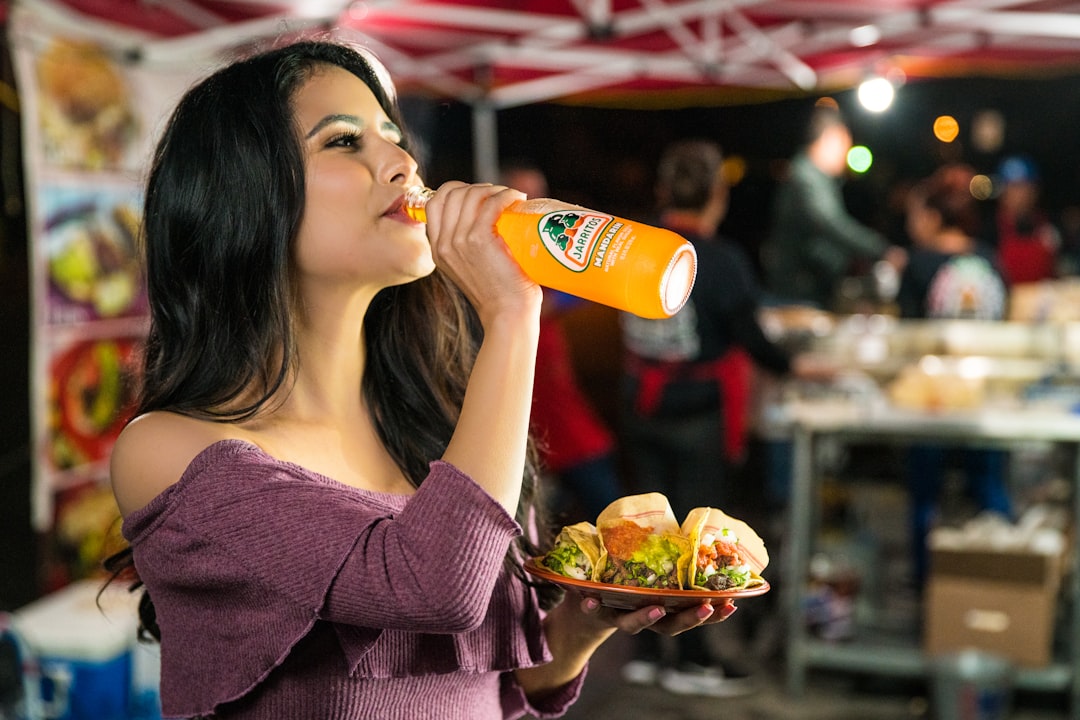
When you walk up to a truck, you’re witnessing a masterclass in structural engineering. Those iconic street-style tacos almost always use two stacked corn tortillas, a necessary move to provide enough structural integrity to hold up against the heavy, moisture-rich salsas and slow-cooked meats. If you’re lucky enough to grab a shrimp taco at a place like Mariscos Jalisco, you’re tasting a recipe straight from San Juan de los Lagos, where the shellfish is folded into a tortilla and deep-fried until it hits that perfect, satisfying crunch. The best vendors don’t stop there, either; many of them are nixtamalizing their masa in-house, a labor-intensive process that actually boosts the bioavailability of niacin and essential amino acids in the corn.
The science behind the flavor is just as deliberate as the cooking itself. That distinctive heat you find in L.A. salsa usually comes from a specific blend of guajillo and arbol chiles, a profile that has evolved to become uniquely Southern Californian. And don’t overlook the role of the avocado-based salsa; it acts as a critical emulsifier, cutting through the intense, rendered fat of proteins like al pastor or carnitas. Even the way the meat is prepared—often on a vertical rotisserie called a trompo—is a calculated effort to ensure that as the fat slowly renders, the outer layer of the pork develops that deep, savory Maillard reaction throughout the entire service window.
It’s pretty fascinating to think about how these trucks have essentially become permanent fixtures in the city’s geography. Many of the most legendary spots have parked in the exact same location for over thirty years, creating an informal land-use history that actually predates the local zoning ordinances we see today. Now, with the expansion of the Metro E Line and other rail corridors, you can physically link these disparate taco hotspots together, forming a massive, transit-oriented dining ecosystem that spans the entire region. Just remember that these mobile units are held to the exact same letter-grading system as any brick-and-mortar restaurant, so you’re getting the same high-level safety standards with a whole lot more character. Next time you’re planning a trip, skip the reservation and look for the longest line on the sidewalk; that’s where you’ll find the best L.A. has to offer.
Coastal Flavors: Where to Find the Best California Cuisine
When we talk about the California coast, it’s easy to just picture the sunset and a nice glass of wine, but if you really want to understand the food here, you have to look at the ocean itself as a massive, naturally regulated cold-storage system. That constant upwelling from the California Current isn't just about cool breezes; it’s the reason our local seafood maintains such intense nutrient density and freshness. Take Santa Barbara, for instance, where the convergence of warm and cold currents creates a rare micro-ecosystem that allows for the harvest of ridgeback shrimp—a species you just don't see in commercial abundance anywhere else. Many of the best spots are now cutting out the middleman entirely with direct-to-dock programs, ensuring that sea urchin goes from the water to your plate in under six hours.
It’s actually pretty wild how the environment dictates the flavor profile of what’s on your fork. The salt-heavy air along the Pacific is constantly playing a role in how artisanal bakeries handle their dough, as that salinity shifts yeast activity and changes the way protein structures form in sourdough. If you look at places like Long Beach, you’ll see how regional food weeks have turned the area into an informal lab where chefs are experimenting with local kelp and sea vegetables in ways that would be impossible elsewhere. Even the rocky intertidal zones near San Diego impart a specific mineral profile to the local mollusks, making them taste noticeably different than anything you’d pull out of the warmer, less saline waters of the Gulf.
The real pros in the industry are getting incredibly technical to keep this quality consistent. You’ll find top-tier kitchens using thermal monitoring to ensure Pacific rockfish is flash-chilled to exactly thirty-two degrees Fahrenheit the second it hits the deck. They’re even utilizing closed-loop water systems to protect the marine life that keeps the whole ecosystem thriving, which is a major win for both the environment and the long-term quality of the catch. It’s a delicate, high-stakes balance where ocean temperatures dictate every single menu change throughout the year. Honestly, when you realize the amount of science and logistics happening behind the scenes, that next meal by the water tastes even better.
Precision and Craft: A Guide to L.A.’s Flawless Omakase
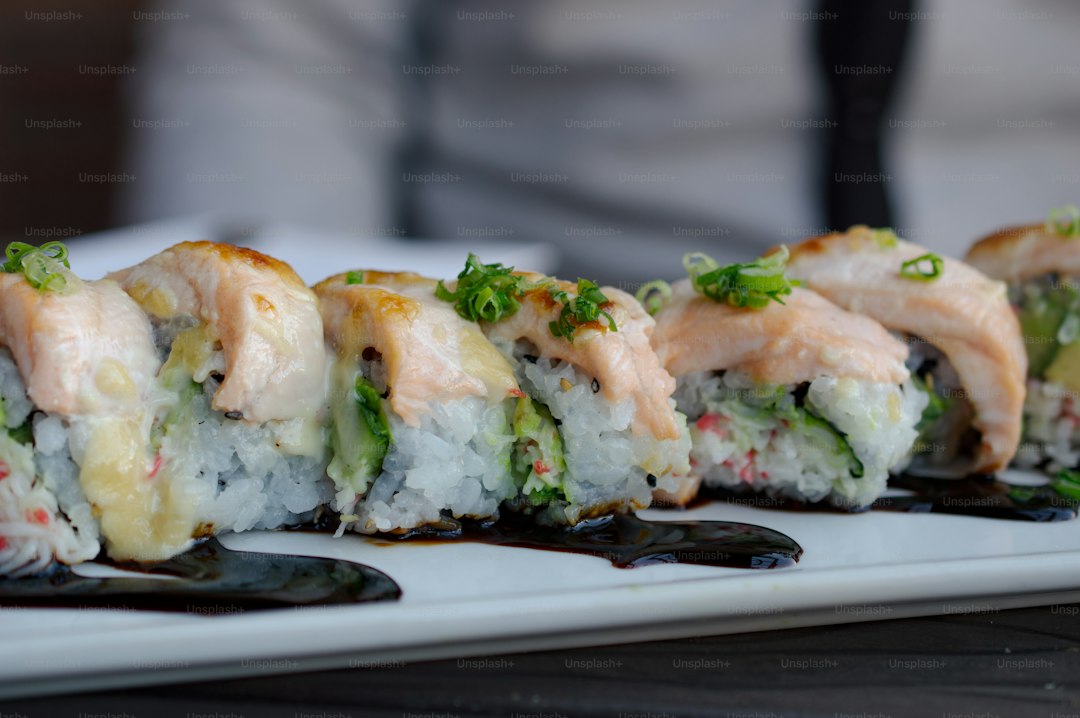
When you step into a high-end omakase counter in Los Angeles, you’re not just sitting down for a meal; you’re entering a space where the physics of food is taken to the absolute limit. It’s wild to think about, but everything you touch, from the hinoki wood counter—which actually helps keep blades sharp and provides natural antimicrobial protection—to the temperature of the rice, is calibrated for a specific sensory goal. For example, masters insist on keeping shari at a tight window between 98 and 100 degrees Fahrenheit, essentially matching human body temperature so the fish fat hits your palate and melts exactly when it should. It’s a level of precision that makes you realize how much engineering goes into that one fleeting bite.
If you’re wondering why the texture in top-tier L.A. spots feels so much more refined than what you find elsewhere, it usually comes down to the jukusei aging process. By letting endogenous enzymes break down connective tissue over several days, chefs transform white fish into something with a buttery, melt-in-your-mouth quality that you just can't get from raw, freshly caught product. And don’t get me started on the rice; it’s not just thrown together. A true master is often counting out roughly 300 grains per nigiri, carefully arranging them to create just the right amount of air pockets so the structure collapses at the perfect moment in your mouth. They even go as far as importing Japanese water filtration systems to replicate the specific mineral content of soft mountain water, ensuring the rice hydrates exactly how it needs to for that perfect, individual grain texture.
There’s also a real science to the flavor profiles, like the use of shime to cure fish in a precise salt and rice vinegar ratio that pulls out moisture and amps up the umami. Even the wasabi isn't just an afterthought; it’s grated in a circular motion on sharkskin to rupture cell walls, which is the only way to properly trigger that volatile heat we all crave. You’ll see this same level of detail in how they select uni, looking for high concentrations of specific amino acids like valine and methionine to ensure that signature custardy, sweet finish. It’s these kinds of technical, almost clinical choices—down to the orientation of the fish grain against the rice—that define the elite tier of the city’s dining scene. Next time you’re at a counter, pay attention to the silence and the pace; you’re witnessing a calculated, beautiful, and deeply scientific performance.
From Donut Dumplings to Deep-Fried Treats: LA’s Most Unique Eats
If you’re looking to move beyond the standard taco truck circuit, you have to appreciate that Los Angeles has turned the deep-fryer into a legitimate piece of laboratory equipment. It’s wild to watch how spots like the Original Farmers Market at Third and Fairfax utilize their historic 1934 layout to create a micro-climate that actually dictates how bread crusts set on their famous goods. I’ve spent a lot of time looking at how heritage bakeries here keep their proofing cabinets at a constant 82 degrees Fahrenheit, which is the secret to that perfect, airy honeycomb structure you find in their signature sourdough donuts. It’s not just about tradition; it’s about controlling variables to ensure consistency in a city that’s constantly raising the bar.
When you dive into the world of donut dumplings and other deep-fried experiments, you’re seeing a real focus on lipid management. The top vendors are now using fryers calibrated to maintain oil temperatures within a two-degree margin of error, which prevents the dough from absorbing excess oil and keeps the texture light rather than greasy. You’ll also notice a lot of chefs using a double-frying technique where the initial pass gelatinizes the exterior starches, and a second, higher-heat fry locks in that shatteringly crisp finish. It’s an engineering feat that requires a specific surface-area-to-volume ratio, ensuring the center reaches 165 degrees without the outside turning into a burnt mess.
And honestly, the science doesn't stop at the fryer. Take the Chinese breakfast scene, where you’ll find youtiao—those incredible fried dough sticks—relying on ammonium bicarbonate for a rapid gas expansion that creates a hollow, crisp interior that’s impossible to replicate with standard baking powder. Many of these shops go as far as installing custom reverse-osmosis water systems because they’ve realized that the specific mineral content of our local tap water changes the elasticity of their dough. It’s these kinds of technical, behind-the-scenes choices, like using high-smoke-point avocado oil or dusting treats with dehydrated citrus peel to cut through the richness, that make LA’s unique eats so much more than just a quick snack. Next time you grab one of these, try to notice the balance—it’s the result of a lot more math than you’d ever guess.
Neighborhood Gems: Discovering Cozy Bistros and Hidden Kitchens
Let’s step away from the high-traffic dining corridors for a moment and consider the hidden architecture of Los Angeles’ neighborhood bistros. When you tuck into a meal at these smaller spots, you’re often experiencing a space where the original 1920s gas infrastructure delivers a slightly higher British Thermal Unit output, which actually allows for a faster, more precise sear on your proteins than you’d get with modern, energy-regulated appliances. It’s a subtle mechanical advantage that really changes how the kitchen functions. Plus, many of these gems occupy older buildings with exposed brick or concrete that naturally optimize the room's acoustics, creating a perfect, intimate environment for conversation without the need for forced, loud music.
If you’re ever curious why the pastry service in these spots feels so consistent, look at the orientation of the building itself. Bistros located on north-facing streets in L.A. maintain ambient dining temperatures roughly three degrees cooler than their south-facing neighbors, which keeps delicate, butter-based items from breaking down before they reach your table. These spaces often rely on the passive cross-ventilation designed into classic California bungalow architecture, cycling the air every twelve minutes without any noisy, artificial HVAC intervention. It’s a quiet, natural efficiency that keeps the room comfortable while you’re focusing on the plate in front of you.
Honestly, the most impressive part is the logistical model these kitchens use to stay so sharp. By operating within a tight pedestrian walk-shed, these chefs can source produce daily rather than weekly, a practice that isn't just about freshness—it’s about cold, hard data. Their "just-in-time" inventory approach is statistically proven to cut food waste by 22 percent compared to the massive, supply-chain-heavy restaurants that dominate the main streets. When you combine that with the way these kitchens use high-velocity, undersized hoods to keep the air clear without stripping away the aromatic notes of a slow-simmered sauce, it’s clear why the food tastes so remarkably vibrant. Next time you find one of these spots, pay attention to the silence and the pace; you’re witnessing a highly calculated, almost scientific approach to the neighborhood meal.
The Essential Los Angeles Dining Bucket List: 50 Experiences to Try
If you’ve lived here long enough, you know that eating in Los Angeles isn't just about grabbing a bite; it’s an exercise in mapping out a sprawling, complex urban ecosystem where every meal tells a story about the city's unique geography. When we talk about curating a list of 50 essential dining experiences, we aren't just picking favorites based on hype, but looking at the deliberate intersections of history, logistics, and raw culinary science that make this city so singular. Think about how the historic Grand Central Market relies on century-old infrastructure that actually dictates the flow of goods, or how the specific density of a French roll in the Arts District is engineered to handle a dip without collapsing. It’s those kinds of hidden variables—the ones you don't notice until you’re sitting there with a fork in your hand—that really define why L.A. tastes the way it does.
Let’s pause for a moment and reflect on why this matters. It’s one thing to say a spot is great, but it’s another to understand that the best Thai clay pots in East Hollywood are holding heat for nearly an hour because of their specific mineral composition, or that our top Oaxacan kitchens are sourcing heirloom cacao with a higher polyphenol count to perfect the viscosity of their moles. Whether it’s the way high-end burger stands balance dry-aged fat trimmings to nail that perfect sear or how San Gabriel Valley dim sum masters use custom water-softening arrays to replicate the water profile of the Pearl River Delta, the level of technical detail here is staggering. It’s this intersection of rigorous, almost clinical, precision and the chaotic, beautiful sprawl of our neighborhoods that keeps me fascinated with every single bite.
I’m convinced that once you start looking for these details, the whole city changes. You stop seeing just a restaurant and start seeing the engineering—like the infrared monitoring at our best pizzerias to guarantee the perfect crust reaction or the clever rooftop gardens that fight the urban heat island effect to keep their herbs vibrant. It’s easy to get overwhelmed by the sheer scale of the city, but by narrowing our focus to these 50 experiences, we can really start to see the method in the madness. I’ve put this guide together to help you navigate that, not just as a diner, but as someone who wants to experience the true, mechanical soul of this city. Let’s dive in and start working our way through the list, because honestly, there’s no better way to get to know Los Angeles than by eating your way through its most technical and delicious corners.
Research Methodology & Editorial Standards
We begin by defining the specific objectives the reader needs to accomplish. Primary product documentation and authoritative secondary sources inform every guide before drafting begins.
Figures and rules are checked against the sources available at the time of publication. Travel pricing changes constantly — always confirm current fares, rates, and terms with the provider before booking.