
The Ultimate Guide to Essential West Coast Adventures
You know that feeling when you're finally hitting the coast, the ocean is right there, and you think you've got the whole trip figured out?
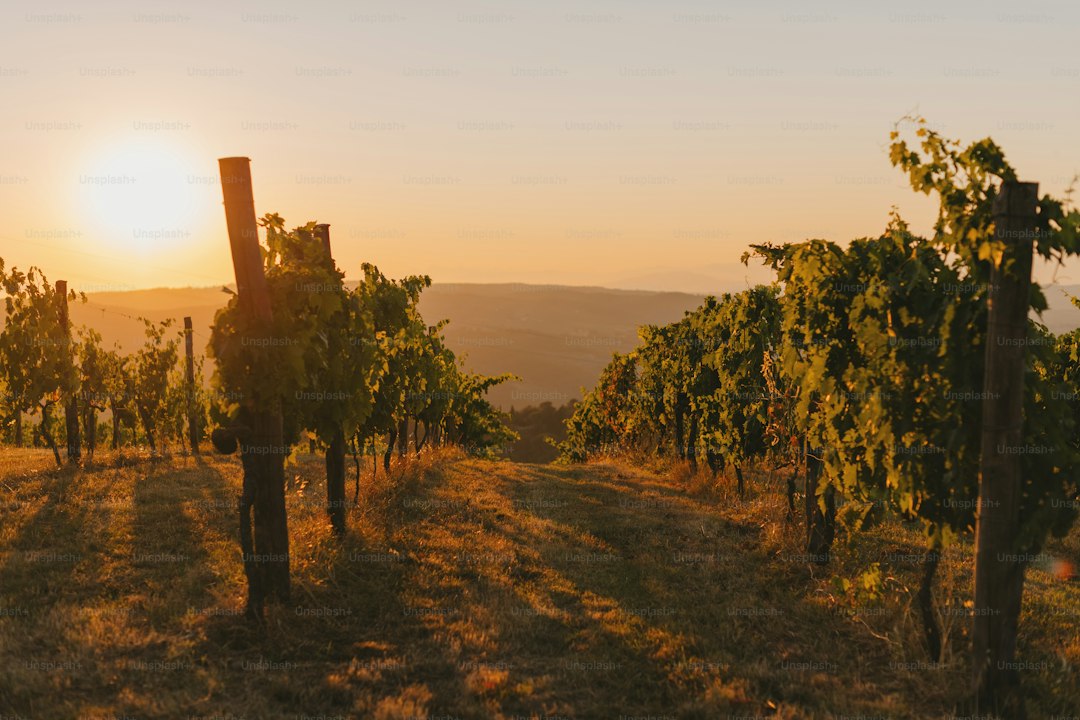
Mastering the Open Road: A Guide to West Coast Campervan Trips
You know that feeling when you're finally hitting the coast, the ocean is right there, and you think you've got the whole trip figured out? Honestly, I’ve been there, but the West Coast is a different animal once you get behind the wheel of a campervan. It’s not just about picking a route; you’re managing complex physics and finicky microclimates that shift every ten miles. If you're planning a trip along Highway 1, you have to account for soil creep rates that can literally move the road, and you really shouldn't underestimate how much that climbing will drain your fuel. I’ve seen rigs struggle on those steep ascents, losing about 15 percent in efficiency just from the incline. And don't get me started on the wind; when you're driving a tall van through Big Sur, gusts over 40 miles per hour are a real challenge for your center of gravity.
You also need to be ready for the gear side of things. I always tell people to check their brake pads before hitting the Siskiyous, because relying on them for those long, winding descents is a recipe for disaster—you have to use engine braking, period. If you’re heading north toward the Olympic Peninsula, expect your tech to fail you; the forest canopy is so thick it basically kills satellite signals, so you'll want a high-gain antenna unless you like getting lost. Solar power is another headache, as you'll see your output drop by nearly 40 percent once you cross the 45th parallel compared to what you’d get in Southern California. Plus, if you're rocking an electric van, that lack of charging infrastructure in Oregon means you need a 300-mile buffer just to stay safe.
Then there’s the day-to-day survival stuff. I’ve learned the hard way that water access gets tight during summer droughts, so having a solid water reclamation system isn't just a luxury, it’s a necessity for boondocking. You should also make sure your interior cabinets have positive-locking latches that can handle some serious movement, especially since we’re dealing with active seismic zones. Even your tires take a beating here; the silica in the local asphalt wears them down fast, so rotate them every 5,000 miles if you want to keep your grip on those cliffside turns. It sounds like a lot, but once you get the rhythm of these variables down, the freedom you find out there is honestly unmatched... just don't expect it to be a simple Sunday drive.
Beyond Napa: Discovering the Best Underrated Wine Regions
Look, I get it—Napa is the default, the gold standard we’ve all been conditioned to reach for, but if you’re actually chasing character rather than just a name on a bottle, you’re looking in the wrong place. We need to talk about the Lodi American Viticultural Area, which alone produces nearly 40 percent of California’s premium Zinfandel across 110,000 acres, yet it rarely gets the same hype. You’ve got to consider the Delta Breeze here, a cooling thermal current that drifts through the Carquinez Strait to keep temperatures in check, which is a massive contrast to the scorching heat you’ll find elsewhere. It’s these kinds of environmental variables that really dictate what lands in your glass. Honestly, when you move beyond the big names, you start seeing how different geological realities actually shape the liquid.
Think about the Anderson Valley for a second; that 40-degree diurnal temperature shift between day and night is exactly why their Pinot Noir and sparkling wines have that razor-sharp acidity that feels so alive on the palate. Or, if you head to the Sierra Foothills, you’re dealing with elevations hitting 3,000 feet where the thinner atmosphere cranks up the ultraviolet exposure, giving you thicker grape skins and a much more aggressive, robust tannin structure. It’s a total shift from the valley floor experience. I’ve always found the Salinas Valley in Monterey County fascinating because it functions like a natural wind tunnel, where 20-mile-per-hour gusts force the Chardonnay grapes to develop thicker skins just to avoid drying out. You aren’t just drinking wine; you’re tasting the direct output of these intense, localized wind patterns.
Then there’s the soil—and this is where I think the real discovery happens, especially in places like Paso Robles or Lake County. Paso Robles offers an insane diversity, with over 45 soil series ranging from ancient seabed deposits to calcareous shale, while the volcanic, obsidian-rich soils of Lake County’s High Valley force vines to struggle deep into the earth for their nutrients. In the Santa Cruz Mountains, you’ve got these steep, terraced plots formed by the literal collision of the Pacific and North American tectonic plates, which is just wild to think about while you’re sipping a glass. Meanwhile, El Dorado County uses granite-heavy soil to trap heat, which is the only reason they can get Italian varieties like Barbera to reach full physiological ripeness. It’s easy to get stuck on the marketing of a famous region, but once you start looking at these specific geological and climatic mechanisms, the landscape of what you’re willing to drink gets a whole lot bigger.
Top 10 Must-Visit Destinations for Your 2024 West Coast Itinerary
When you’re staring at a map of the West Coast, it’s easy to feel overwhelmed by the sheer scale of the terrain. I’ve found that the best way to approach an itinerary isn't to chase every headline-grabbing spot, but to focus on places where the geology and ecology are doing something truly unique. You're not just picking a destination; you're choosing a specific environmental interaction, whether it's the hyper-specific acoustic dampening of the Hoh Rainforest or the volatile tectonic activity fueling the volcanic clusters in Lassen. Think about it this way: comparing the deep, snow-fed clarity of Crater Lake to the hypersaline, low-altitude extremes of Death Valley is like studying two ends of a planetary spectrum. These aren't just scenic stops; they’re high-signal locations where you can actually witness the forces that shape our continent.
Let’s be honest, most travel guides give you a list without telling you why the ground beneath your feet matters. I prefer to look at these sites through a more analytical lens, weighing the accessibility of a place like the Channel Islands—where you’re literally walking through a masterclass in insular evolution—against the logistical challenges of reaching the taller-than-skyscrapers canopy of the Redwoods. The Redwoods, for instance, aren't just big trees; they are biological machines that have hacked the coastal fog cycle to survive, capturing nearly half their water directly through their needles. If you’re planning your 2024 route, you need to be cognizant of these environmental realities because they change the way you pack, move, and ultimately experience the space. It’s the difference between just snapping a photo and actually understanding the mechanics of a thriving ecosystem.
And look, I know everyone wants to hit the main trails, but there’s a real argument for prioritizing these high-value, research-grade experiences over the standard tourist traps. Whether you're timing your visit to the Badwater Basin to catch a rare, short-lived lake or you're geeking out over the four distinct volcano types packed into the Lassen landscape, the value here is in the specificity. I’ve found that when you ground your trip in these kinds of concrete, empirical observations, the whole journey becomes much more coherent. You’ll stop seeing the West Coast as a blurry ribbon of highway and start seeing it as a series of distinct, fascinating laboratories. Let’s dive into these ten spots and figure out how to weave them into a trip that’s actually worth your time.
Pacific Coastal Treasures: Exploring Oregon’s Southern Beaches
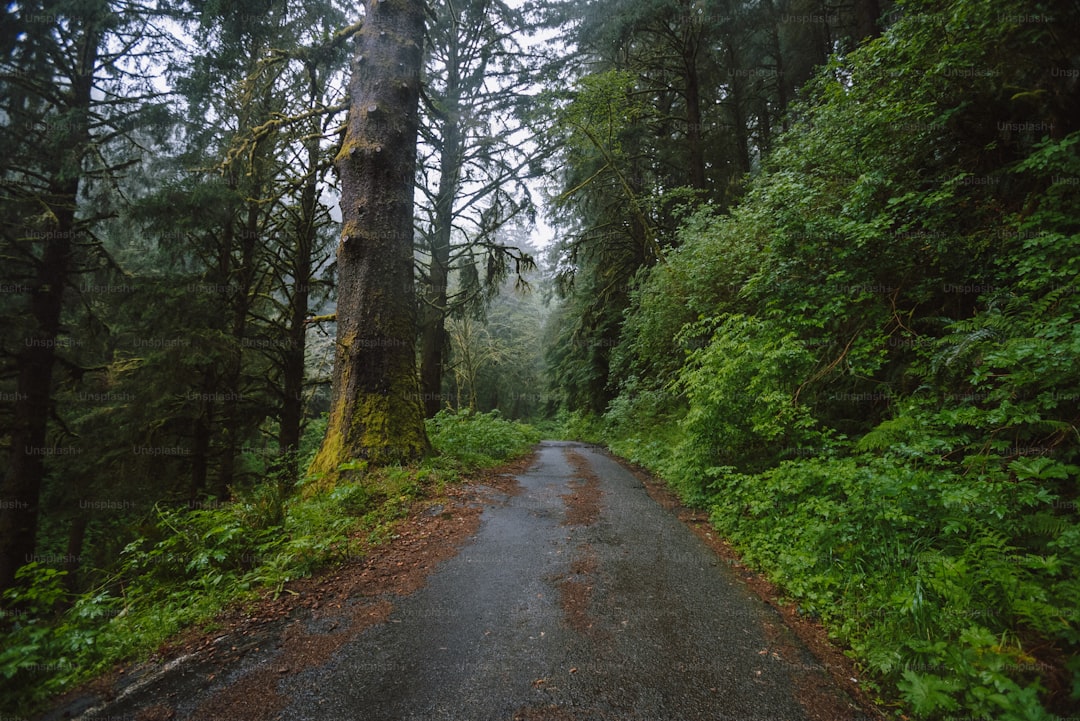
When you look at the map of the Oregon coast, it’s easy to get lost in the aesthetic appeal of the shoreline, but I’ve always found that the southern stretch demands a much more analytical perspective. You’re essentially standing on the edge of the Cascadia Subduction Zone, where the Juan de Fuca Plate is constantly sliding beneath the North American Plate, a process that creates a high-risk environment for real-time seismic uplift. It’s wild to think about, but those massive, dark basaltic sea stacks you’re walking past aren’t just scenery; they’re the literal remnants of volcanic eruptions from 15 to 17 million years ago. If you want to understand why these beaches look the way they do, you have to realize that the vibrant orange hues on the sandstone cliffs, like at Cape Kiwanda, are actually iron oxide staining driven by groundwater percolation over millennia.
But let’s talk about the mechanics of the beach itself, because it’s much more dynamic than a standard sandy strip. During the winter, we get these king tides that push water way past the typical high-water mark, and while they can be intense, they’re actually critical for the coast's survival. These events redistribute sediment eroded from the bluffs back into the nearshore littoral cell, essentially acting as a natural replenishment system for the entire beach profile. It’s also where you’ll occasionally find petrified wood from ancient Miocene forests still embedded in the sedimentary layers, which is a pretty surreal thing to stumble upon while walking the tide line.
The way the water behaves here is just as fascinating, driven by the complex bathymetry of the continental shelf that can trigger internal waves, sometimes shifting local water temperatures by several degrees in a single cycle. And if you’ve ever wondered why there’s so much pumice and driftwood piled up, it’s because these beaches act as a natural catchment for the California Current, dragging debris from as far away as the Cascades or the North Pacific right to your feet. I also find it interesting how the dense, protective kelp forests play a role in this, as they act as a biological breakwater that attenuates wave energy before it ever reaches the shore. It’s all interconnected—from the endangered Western Snowy Plovers nesting in the debris line to the historic shipwrecks like the Beeswax Wreck that still occasionally show themselves when the sand shifts just right. So, when you’re out there, try to look past the view; you’re standing in a living laboratory where geology and biology are constantly battling it out to shape the coast.
Essential Tips for Planning the Ultimate Summer Road Trip
When you’re staring down the prospect of a summer road trip, it’s easy to focus solely on the destination, but I’ve found that the real difference between a seamless journey and a logistical headache comes down to how you manage the car’s physical and thermal limits. Let’s look at the data: UV intensity jumps about 5 to 7 percent for every 1,000 feet you climb, which means your cabin heat isn't just a comfort issue—it’s a performance metric for your interior materials and electronics. You’ll want to utilize reflective window inserts, as they can drop interior surface temperatures by up to 30 degrees Fahrenheit by blocking shortwave infrared radiation, keeping your gear from cooking in the sun. Also, think about your power storage; storing lithium-ion batteries in insulated containers is a must because their capacity degrades rapidly once your ambient temps creep past 95 degrees.
Managing the machine itself requires a bit of an engineering mindset, especially when you’re pushing through the heat. You’re likely to see internal tire pressures spike by up to 10 percent on hot asphalt, so keeping your variance under 2 psi is the difference between a smooth ride and a blowout risk. I also find that drivers often overlook the physics of aerodynamics; once you cross the 45-mph threshold, keep your windows up, as the resulting drag can tank your fuel economy by a full 10 percent. When you’re navigating urban hubs, watch out for the heat island effect where concrete surfaces can be 20 degrees hotter than the surrounding landscape, putting real strain on your engine’s cooling system. And if you’re heading into the mountains, remember that combustion engines lose about 3 percent of their horsepower for every 1,000 feet of elevation, so don't be afraid to drop a gear to avoid lugging the engine.
Finally, let’s talk about the survival basics that most people miss until they're stuck in a dead zone. Packing mechanical fluids in non-reactive, heavy-duty containers is essential because the constant pressure changes from mountain driving will make standard plastic bottles leak or rupture in your trunk. I’ve learned to plan my hydration not just by the thermometer, but by the dew point, because high humidity kills your body's ability to cool down naturally, even if it feels cooler outside. And when it comes to navigation, don't trust the cloud; downloading offline maps with at least a 50-mile buffer is the only way to ensure you aren't left stranded when canyon topography kills your signal. It feels like a lot, but distributing your cargo weight low to keep your center of gravity stable will make those mountain turns feel much more composed, turning a stressful drive into an actual adventure.
Expert Packing Strategies for Iconic West Coast Attractions
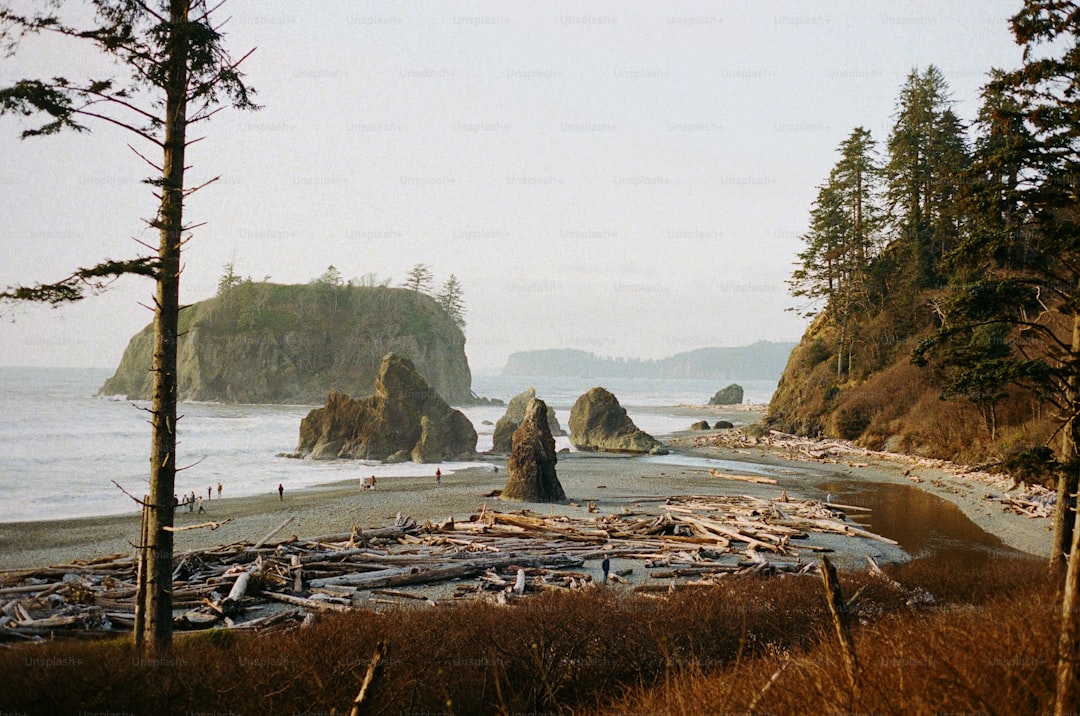
Packing for a West Coast itinerary is less about fitting items into a bag and more about managing a series of intense environmental variables that change every few miles. You have to consider that UV exposure in high-altitude zones like the Sierra Nevada jumps by nearly 7 percent for every 1,000 feet you climb, so sticking to UPF 50+ apparel isn't just about comfort, it's about real skin protection against aggressive radiation. The coastal fog creates a different headache entirely, as the salt-heavy air acts as a corrosive agent; I always recommend stashing your phone and camera in IP67-rated waterproof cases to stop that saline moisture from wreaking havoc on your delicate internal circuitry. And don't bother with cotton out there, as the high humidity levels will just trap sweat against your skin, making moisture-wicking synthetics the only logical choice for staying dry.
When you’re moving between these microclimates, you really need to be prepared for the extremes. If you're heading into desert spots like Joshua Tree, those 40-degree temperature swings are no joke, and I’ve found that phase-change material vests are the best way to passively stabilize your body temperature without needing a battery pack. On the flip side, if you're hitting volcanic trails, your standard sneakers won't cut it because that sharp, igneous rock acts like sandpaper on your soles. You’ll want footwear with high-grip, heavy-duty rubber compounds, or you'll find your treads shredded after just a few hikes.
Urban heat also plays a bigger role than most people realize, especially if you’re leaving gear in a car near major centers; reflective thermal barriers can drop your trunk’s internal temperature by 30 degrees, which is the difference between your tech surviving the afternoon or overheating. For the hikers among us, never trust the stream water near agricultural zones, as runoff and heavy metal particulates are common, making a multi-stage mechanical filter an absolute requirement rather than a backup. Since you’re traveling through active seismic corridors, it’s honestly just smart practice to keep glass containers inside silicone sleeves to prevent accidental breakage from unexpected vibrations. Finally, if you're heading into the dense northern forests, remember that the canopy acts as a natural signal blocker, so bringing a dedicated satellite-linked communication device is the only way to ensure you aren't completely cut off from help when your phone inevitably drops to zero bars.
Research Methodology & Editorial Standards
We begin by defining the specific objectives the reader needs to accomplish. Primary product documentation and authoritative secondary sources inform every guide before drafting begins.
Figures and rules are checked against the sources available at the time of publication. Travel pricing changes constantly — always confirm current fares, rates, and terms with the provider before booking.