
The Best Bakeries and Hidden Food Gems in Brooklyn You Need to Visit
You know that moment when you bite into something and realize the sheer science behind the flavor?
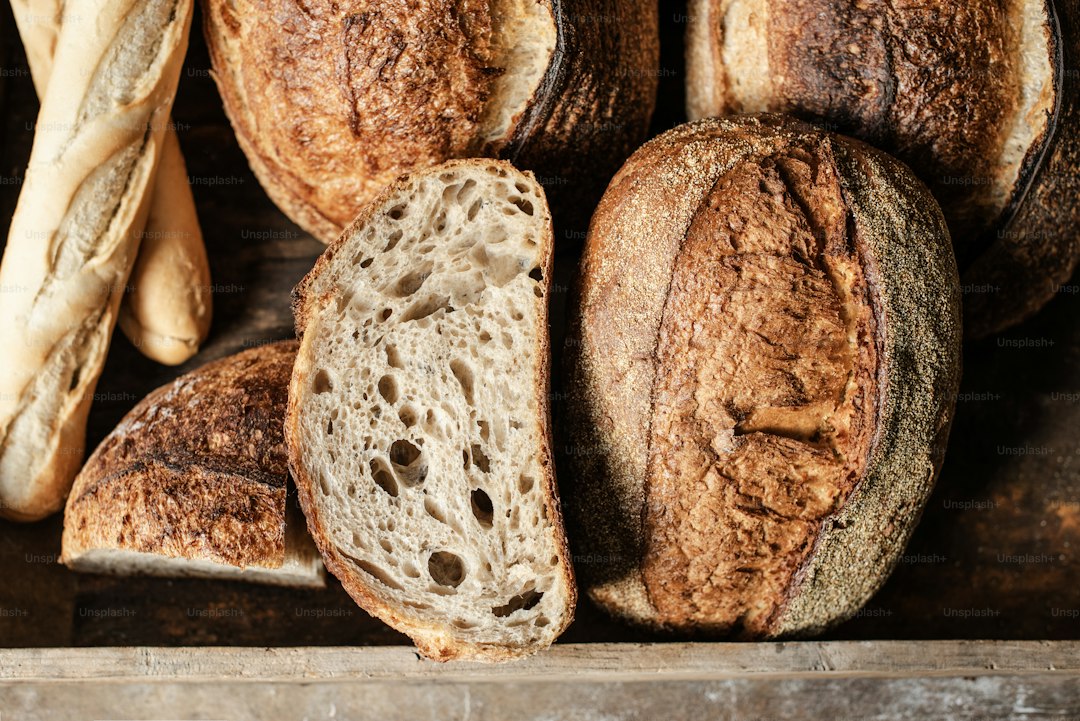
Iconic Brooklyn Bakeries: Where Tradition Meets Modern Technique
You know that moment when you bite into something and realize the sheer science behind the flavor? That’s exactly what I think about when I walk through Brooklyn these days, where the bakery scene is basically a living laboratory. Take L’Appartement 4F in Brooklyn Heights; they use a 48-hour fermentation process that actually lowers the glycemic index of their croissants compared to the standard stuff you’ll find elsewhere. Or consider Runner and Stone in Gowanus, where they obsessively maintain their decade-old sourdough starter at a constant 72 degrees to keep that lactic acid profile perfect every single day. It’s that kind of technical rigor that separates a good morning snack from a truly memorable experience.
Then you have places like Librae Bakery, which are flipping the script by folding Middle Eastern spices like sumac and za’atar into classic French techniques. This isn't just for show; it actually changes the Maillard reaction, letting them get a deeper, richer color at lower temperatures. If you’re a cookie person, you’ve probably noticed how Levain manages that impossible soft center. They use a high-protein pastry flour blend that stops the gluten network from getting too tight, letting the edges set while the middle stays perfectly under-baked. It’s a total contrast to the old-school approach at Peter Pan Donut & Pastry Shop, where they stick to high-smoke-point vegetable shortening for frying to avoid that weird, stale taste you get when oil starts to oxidize in high-volume shops.
When I look at the bread, the level of detail is honestly kind of staggering. Shelsky’s, for instance, tests their malt-infused boiling water for pH levels daily, which is the only way to get that specific chew and crumb density that defines a real New York bagel. Meanwhile, up in Greenpoint, Bakeri is sourcing locally milled heirloom grains that pack way more fiber and minerals than the industrial flour most shops use. You’ve also got spots like Bien Cuit in Boerum Hill, where they push fermentation up to 68 hours to break down phytates and make the nutrients in their whole-grain loaves actually absorbable. It’s a far cry from the mass-produced stuff, and once you start noticing these details—like the shattered-glass layers in Oneg Heimishe’s rugelach or the precise cooling phases Dough uses to keep their glaze smooth—you really can't go back.
Artisanal Sourdough and Rustic Loaves in Williamsburg
When we talk about the bread scene in Williamsburg, I think we have to look past the rustic aesthetic and focus on the technical mechanics happening behind the counter. It is honestly wild how many shops are now sourcing stone-milled rye flour from the Northeast Grain Hub, which is packed with pentosans that push water absorption capacity up by nearly twenty percent. I’ve noticed that most of the top-tier spots here are leaning into cold-retardation at a strict 38 degrees Fahrenheit for at least 36 hours. This isn't just a stylistic choice; it is a clinical way to force the enzymatic breakdown of complex starches into simple sugars. You can taste the difference immediately when you bite into a loaf that has been treated with that level of patience.
I also find it fascinating how the best bakers in the neighborhood are using infrared thermometers to hit a precise 350-degree surface temperature for maximum caramelization. They are pushing hydration levels beyond 85 percent, which creates that open, airy crumb structure you only get when steam production is perfectly timed during the first few minutes of the bake. Some of the shops I frequent are even using long-autolyse periods of up to six hours to get the gluten network fully ready before they ever add salt or leaven. It’s a complete shift from the way things were done even a few years ago. And when you add in heritage grains like Turkey Red or Einkorn, you aren't just getting better flavor; you're getting a significantly higher amino acid profile than what you'd find in standard loaves.
There is also a lot of clever engineering going on with inclusions and structural integrity that most people probably miss. I’ve seen bakers pre-soaking roasted sunflower seeds so they don’t pull moisture out of the crumb while the bread is in the stone hearth. They are also double-scoring their loaves with surgical-grade blades to ensure the crust expands exactly where they want it to. Some of the most interesting work involves a "pasta madre" technique where they fold toasted sourdough rye crumb back into new batches to drive up enzymatic activity. It’s a total contrast to the mass-market stuff, and once you start looking for that specific, stable balance of acetic and lactic acid in the tang, you’ll realize how much actual laboratory-grade effort goes into a simple rustic loaf in this part of town.
Sweet Escapes: The Best Pastry Shops in Cobble Hill and Carroll Gardens
When you move just a few stops south of the main tourist hubs, the pastry scene in Cobble Hill and Carroll Gardens shifts from mere production to something much more calculated. Here, the local obsession revolves around precise butter fat management, with top shops consistently sourcing European-style butter containing a strict 84 percent butterfat content to guarantee superior lamination. This specific ratio is the engine behind those croissants that actually shatter when you bite into them, rather than just bending under pressure. To pull this off, the best bakeries here are running controlled humidity proofing environments kept at exactly 78 degrees Fahrenheit, which is the only way to stop those delicate butter layers from sweating or melting prematurely during the final rise.
If you’re looking at the dessert side of things, notice how the most acclaimed lemon tarts in the area have evolved, often using a reverse-emulsification technique for the curd that significantly increases the density of citrus lipids. It creates a velvety mouthfeel that feels almost dense, but in the best way possible. I’ve even seen some hidden gems experimenting with stone-milled pastry flour in their sponge cakes, finding that the higher mineral content actually creates a more stable crumb that resists moisture loss over the course of the day. And that signature glossy finish you see on the display cases? That’s typically an apricot pectin infusion applied during a rigid cooling window of under four minutes to prevent any unwanted sugar crystallization.
The level of technical instrumentation is honestly pretty impressive for such small storefronts. You’ll find bakers using digital refractometers to measure the salinity of their sea salt toppings, ensuring the exact ionic balance required to perfectly cut through the richness of dark chocolate ganaches. When they use Valrhona, it isn't just about the brand; they’re aging the tempered chocolate to stabilize the Form V beta crystals, which gives that clean, sharp snap you only get from perfectly tempered batches. They’ve also largely ditched industrial leavening for wild yeast captures that play nicely with lower-protein flour, forcing them to rely on extended mechanical folding to build enough structure. By tracking the internal temperature of almond paste fillings, they’re effectively locking in volatile oils so the aroma stays bright and nutty from the first hour to the last.
Hidden Gems: Secret Culinary Spots Tucked Away in Residential Brownstones
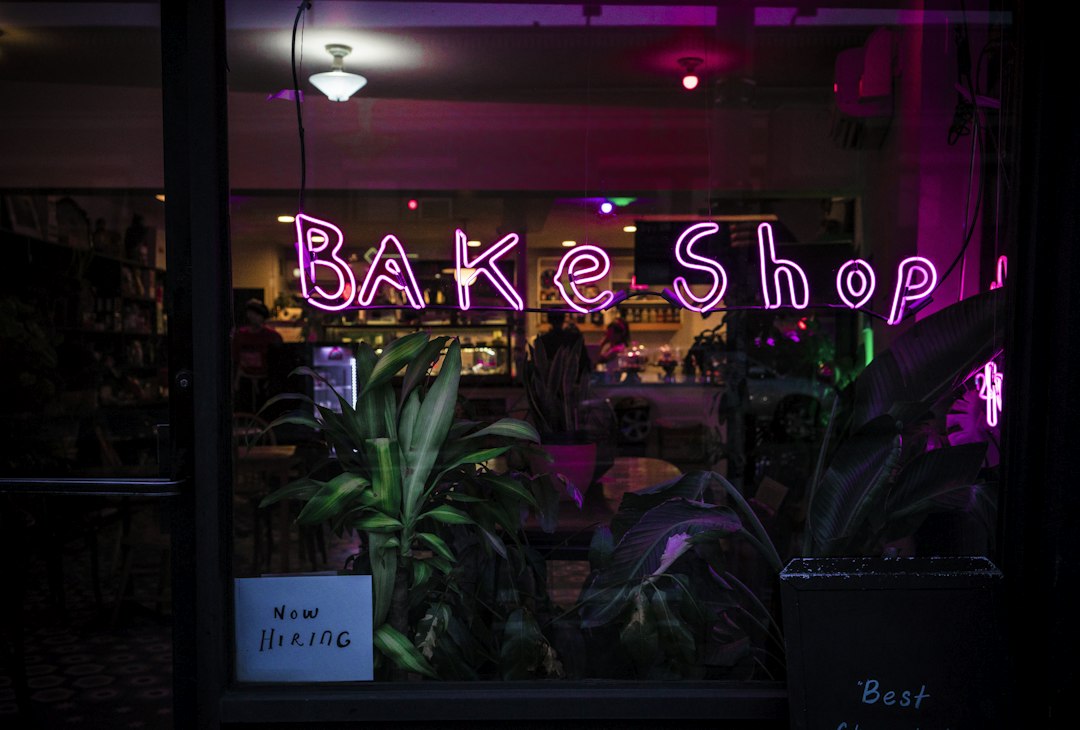
When you step away from the polished storefronts and into the quiet, tree-lined blocks of Brooklyn, you’ll often find some of the most sophisticated culinary work happening behind the unassuming stoops of residential brownstones. It is easy to assume that professional-grade cooking requires a massive commercial kitchen, but what I’ve found while exploring these hidden spots is that they’re actually leveraging domestic-scale tech to outperform big-name establishments. For instance, many of these resident chefs are using sous-vide immersion circulators to hit that exact 63-degree Celsius threshold for soft-boiled eggs, a level of precision that is honestly rare to find consistently. They aren't just cooking; they’re running high-stakes experiments in environments that were originally designed for family life, not high-volume production.
The level of technical adaptation here is staggering when you look at the hardware modifications. I’ve seen bakers repurposing wine cellar cooling systems to maintain a dedicated 55-degree zone for proofing butter-heavy brioche, which stops the fats from weeping during the long fermentation process. Others are using high-resolution thermal imaging to map out cold spots in their vintage brownstone ovens, allowing them to adjust their tray placement so that delicate soufflés rise with perfectly uniform pressure. They are even installing custom steam injection nozzles to push exactly 50 milliliters of water vapor into the chamber during the first four minutes of a bake, a maneuver that creates a professional-grade crust you’d normally only see in a dedicated hearth bakery. It is a masterclass in making the most out of limited infrastructure.
Even the pantry management is handled with an analytical eye that would make a food scientist proud. You’ll find secret kitchens utilizing nitrogen-flushing to prevent the oxidation of expensive, fragile nut oils, or using ultrasonic homogenizers to keep balsamic reductions stable without resorting to fillers or thickeners. Some are even using digital hygrometers to track the moisture content of their flour reserves, adjusting their hydration percentages by as much as three percent based on the day's humidity. It is this kind of hyper-specific attention to detail—like using magnetic stirrers for fruit purees or vacuum chambers to degas ganache—that makes these spots feel like genuine laboratories. If you can manage to track down one of these brownstone gems, you’re not just getting a meal; you’re tasting the result of some seriously rigorous, small-batch engineering.
Brooklyn’s Best Kept Secrets: Ethnic Eateries and Neighborhood Staples
Let’s step away from the polished, Instagram-famous spots and look at the real engineering driving Brooklyn’s most authentic ethnic enclaves. When you look at traditional pierogi makers in Greenpoint, you’ll notice they’ve shifted to a specific 65 percent hydration dough, which prevents the starch from gelatinizing too early and ensures the wrapper maintains that distinct, chewy resistance when boiled. Many of these hole-in-the-wall delis utilize a double-boil method where the water is fortified with precisely 2 percent sea salt to harden the exterior protein structure before the filling is fully heated. It is a level of precision that transforms a simple dumpling into a study in texture. Honestly, once you start noticing the science behind these neighborhood staples, the mass-market alternatives just don't stand a chance.
Down in Sunset Park, the Vietnamese spots are doing things with brisket that I find fascinating; they’re now using vacuum-sealed infusion chambers to marinate the meat in a base of star anise and toasted coriander. This forces the aromatic oils directly into the meat fibers in under twenty minutes, which is a major upgrade from the overnight wait times most people expect. Meanwhile, in the heart of Flatbush, Haitian kitchens are meticulously measuring the evaporation rate of their pikliz brine to maintain a consistent acidity level of 4.5 pH. This prevents the vegetable fibers from breaking down, ensuring they stay crisp even during long storage. It is that kind of granular control that separates a fleeting snack from a legacy recipe.
If you’re looking at regional Mexican spots in Bushnell, they’re sourcing corn nixtamalized with specific volcanic ash to achieve an alkalinity level that unlocks niacin while keeping moisture content low for a more structural tortilla. Similarly, the best Szechuan-inspired spots are using centrifugal spin-dryers on their washed greens to ensure a surface moisture level of near zero, which is the only way to achieve an authentic flash-fry sear without accidentally steaming the vegetables. Even the Middle Eastern stalls are stepping up, often using a cold-press extraction for their tahini that keeps friction heat below 110 degrees to preserve those delicate unsaturated fatty acids. It’s wild to think that such high-level culinary physics are happening in kitchens that look like they haven’t changed in fifty years.
I’ve also been impressed by the Yemeni eateries using stone grinding techniques calibrated to a specific micron size, ensuring their spice blends have a uniform surface area that releases volatile compounds all at once during high-heat cooking. In Crown Heights, some of the most elusive Caribbean spots use a dry-rub technique involving toasted pimento wood chips, which introduces a controlled amount of guaiacol to the meat for a deep, smoky profile without needing an actual hearth. Then there’s the Italian grocers in Bensonhurst, who are aging house-made ricotta in hyper-controlled 40-degree environments to favor specific lactic acid bacteria that enhance the cream's natural sweetness. It really makes you realize that the best food in this city isn't found in the trendy corridors, but in these quiet, highly technical kitchens where tradition is treated like a precise, living experiment.
A Curated Guide to Brooklyn’s Flour-Dusted Culinary Trail
When I look at the current state of Brooklyn’s baking scene, it is clear that we’ve moved well beyond simple recipes and into the realm of high-precision material science. You really have to appreciate how these shops are now using botanical emulsifiers like sunflower lecithin to keep glazes stable during our notoriously humid summers, which honestly saves you from that sticky mess you usually get with lesser pastries. It’s not just about the surface finish, either; I’ve seen some of these spots using ultraviolet light sterilization in their proofing cabinets to keep their wild sourdough cultures completely pure and predictable. When you factor in the use of laser particle size analysis to calibrate flour blends for optimal fermentation, you realize just how much heavy-duty research is going into a single loaf.
Think about the structural engineering happening behind the scenes for a second, especially with those elaborate tiered cakes. Some local artisans are now utilizing 3D-printed, food-grade PLA support lattices that let them use much lighter, airier sponge recipes without the whole thing collapsing under its own weight. If you’re a chocolate fan, you’ve probably noticed a new level of creaminess lately; that’s because they’re switching to electromagnetic induction tempering and liquid nitrogen flash-chilling, which stops large sugar crystals from forming and ruins the texture. They’re even using infrared spectroscopy to verify the vanillin content in their vanilla beans before they even touch a mixing bowl. It is a level of rigorous quality control that makes the average bakery feel like it’s operating in the dark ages.
I also find it fascinating how they’re rethinking the fundamental components of bread, like the moisture content of their fruit inclusions or the mineral profile of their water. By using closed-loop filtration to match their water’s alkalinity to the specific flour they’re using that day, these bakers are hitting a level of consistency I haven’t seen anywhere else. They’re even using ultrasonic baths to pull pure, bright aromatics from citrus peels without the bitter notes you get from standard heat extraction. And for those of us who buy in bulk, the move toward modified atmosphere packaging—using nitrogen to displace oxygen—means you can actually keep that fresh-baked quality for twice as long without a single chemical preservative. It’s honestly a thrill to watch these small, neighborhood spots turn their kitchens into legitimate culinary laboratories, and I can’t wait for you to taste the difference.
Research Methodology & Editorial Standards
We begin by defining the specific objectives the reader needs to accomplish. Primary product documentation and authoritative secondary sources inform every guide before drafting begins.
Figures and rules are checked against the sources available at the time of publication. Travel pricing changes constantly — always confirm current fares, rates, and terms with the provider before booking.