
Safety Warning for Travelers Avoiding Risky Water Sport Rentals in the Bahamas
But if you’ve been tracking the recent headlines, you’ve likely noticed the U.S. Embassy in Nassau taking a much firmer stance on watercraft rentals.
Understanding the US Embassy’s Official Travel Advisory for The Bahamas
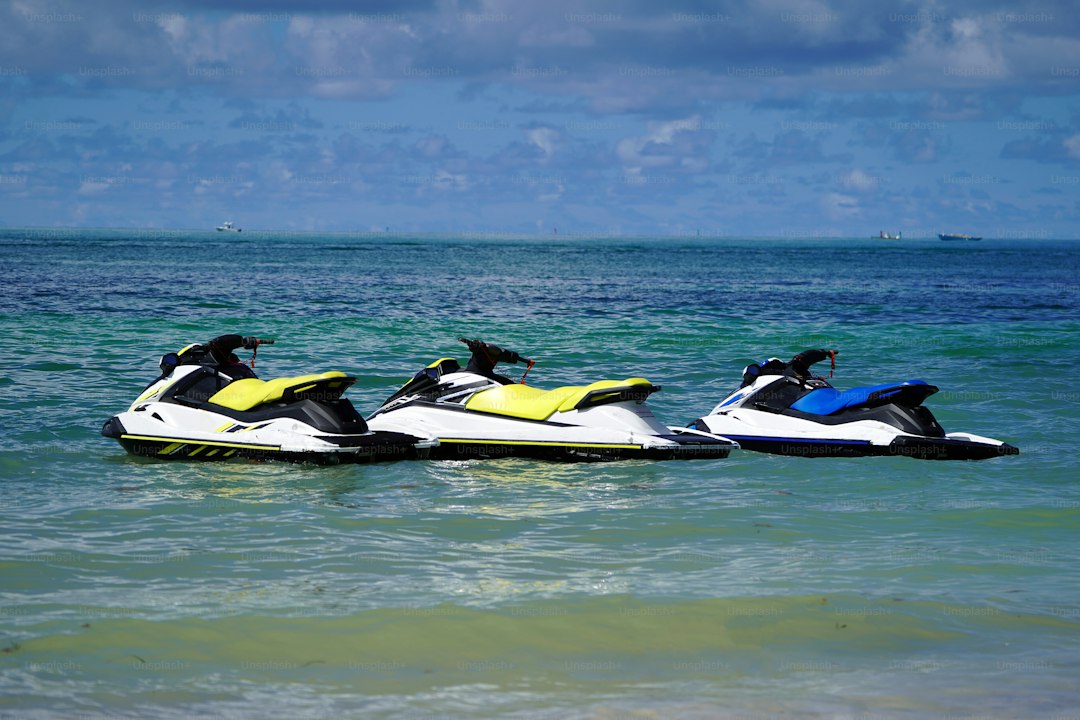
Let’s be honest, when you’re planning a trip to the Bahamas, the last thing you want to worry about is the fine print of a government security report. But if you’ve been tracking the recent headlines, you’ve likely noticed the U.S. Embassy in Nassau taking a much firmer stance on watercraft rentals. It isn't just about reading a warning; it’s about understanding that these advisories are essentially a data-driven pulse check on visitor safety. The Embassy is constantly coordinating with the Overseas Security Advisory Council to track regional risks, and lately, the focus has shifted heavily toward the unregulated nature of jet ski rentals. When you look at the raw data, a huge chunk of watercraft accidents involve operators who lack basic maritime training or even the right equipment certification.
Think about it this way: when you rent a jet ski from an independent vendor on the beach, you’re often stepping outside the protective bubble of resort security. Many of these vendors are operating without liability insurance or standard commercial permits, which leaves you in a really tough spot if things go sideways mechanically or legally. The State Department’s advisory system isn't just throwing darts at a map; they’re using real-time incident reports from law enforcement to flag these specific coastal zones. It’s a classic case of supply and demand—during peak cruise ship arrival times, the sheer volume of tourists creates a spike in these unregulated rentals, which unfortunately leads to a corresponding jump in safety reports.
I find it interesting that some cruise lines have actually started taking matters into their own hands, blocking passengers from using specific vendors that have been flagged as problematic. It’s a smart, protective move, even if local business groups argue that stricter oversight just adds too much cost for the smaller guys. While there’s a clear tension between local industry pushback and the need for better maritime enforcement, the goal here is pretty simple: trying to get to a place where safety protocols are as standard as the crystal-clear water you came to see. So, before you head out, do yourself a favor and look past the vacation brochures to see what the actual, ground-level security reports are saying.
The Hidden Dangers of Unregulated Beachfront Jet Ski Rentals
Look, I’ve spent enough time looking at maritime accident reports to know that most people don't realize how these machines actually work until they're already in trouble. The biggest technical trap is that jet skis lack traditional brakes, and because they rely on jet propulsion, you have to keep the throttle open to steer. If you panic and let go, you immediately lose the ability to turn, which is why so many tourists end up hitting things they were trying to avoid. To make matters worse, many of these informal rental outfits have actually tampered with factory-installed speed governors. You’re essentially putting someone with zero training on a machine capable of hitting sixty miles per hour, often without even checking if the kill-switch lanyard is functional.
If you’re ejected from a craft that lacks a working lanyard, that jet ski won't just stop; it’ll keep running at full speed in circles, turning into a high-velocity projectile that’s a nightmare for anyone else in the water. We also have to talk about the physical reality of these older, sun-baked machines. Ultraviolet rays degrade hull materials over time, and when you push those stressed structures to high speeds, they can suffer catastrophic failures that a casual look on the beach will never catch. Plus, there’s the issue of medical trauma. Emergency room data shows that jet ski injuries are often far worse than those from boat accidents, specifically because of the high-pressure water jets and the lack of basic safety equipment like fire extinguishers or even a way to radio for help if you're stranded.
And honestly, we need to be realistic about the legal side of things, too. That waiver you’re signing on the sand is usually just a piece of paper meant to scare you off from filing a claim, and it rarely holds up in court when the vendor is operating without proper commercial permits. You’re also looking at machines with poorly maintained two-stroke engines that leak fuel and oil directly onto the reefs, so you aren't just risking your own safety—you’re contributing to a pretty grim environmental footprint. I always tell people that if there isn't a dedicated no-wake zone and a clear, professional instruction protocol, it’s just not worth the risk. Stay off the informal rentals, because when you’re out there on the water, you really are on your own.
Patterns of Crime: Addressing Sexual Assaults and Harassment Risks
When we talk about safety in travel, we often focus on physical accidents, but we need to have a much harder conversation about the patterns of sexual violence and harassment that thrive in unregulated spaces. Let’s be real for a moment: offenders often look for situational vulnerability, essentially treating isolation in unfamiliar recreational environments as a tactical advantage to avoid being caught. Research consistently shows that when you step outside of centralized, monitored zones, you’re losing the safety net that keeps predatory behavior in check. It’s a harsh reality, but in high-tourism settings, the lack of immediate oversight acts as a force multiplier for potential perpetrators who know that transient visitors have limited time and even fewer local resources to pursue justice.
Think about it this way: your status as a traveler often makes you a target, especially if an offender perceives you as being disconnected from your typical support networks. We’re seeing a predictable cycle where seasonal staff in unregulated industries operate without the background checks that would be mandatory in a traditional workspace, allowing bad actors to move between destinations with little consequence. These individuals often start by offering specialized services or guided experiences, a classic grooming tactic designed to lower your guard and move you away from the public eye. When you’re dealing with a sole operator, there’s no internal hierarchy to report to, which means an incident is far less likely to be addressed—or even recorded—by anyone with the authority to hold them accountable.
And we really have to address the fact that the legal and reporting systems in these remote areas are often just as fragile as the oversight itself. Because these beachfront sectors often lack standardized reporting protocols, these incidents rarely make it into official local law enforcement data, creating a false sense of security for the next person who shows up. This isn't just about bad luck; it’s about a structural failure where weak regulatory frameworks for independent contractors create an environment where opportunistic crime carries almost zero risk for the offender. The trauma from these experiences is compounded by the fact that many of these locations simply don't have the forensic or psychological support services you’d need if the worst happens. Honestly, the best way to stay safe is to recognize that physical isolation from monitored resort zones is the most reliable predictor of risk, and that’s why sticking to verified, professional operators is so much more than just a travel suggestion.
From Mechanical Failure to Fatal Collisions: Why Water Sports Rentals Are High-Risk
When we talk about the risks of these rentals, it’s easy to focus on the flashy speed of a jet ski, but the real danger often starts with how these machines are kept together—or, more accurately, how they aren't. I’ve looked into the mechanics of these older fleets, and the reality is pretty sobering; for instance, hydrostatic shock from water ingestion can cause an engine to just quit in the middle of a busy shipping channel, leaving you completely stranded. Then you have the issue of salt water constantly gnawing at steering cables, which can snap without warning during a turn, and because these machines rely on jet propulsion to steer, a broken cable basically turns your ride into an unguided missile. Honestly, the maintenance shortcuts are the most worrying part, like when operators bypass factory oil-injection systems to save money, which significantly shortens engine life and makes a mid-sea seizure far more likely than it should be.
It gets even worse when you look at the physical condition of the hulls themselves. Those polyethylene hulls might look tough, but constant exposure to tropical sun and UV rays makes them brittle, meaning a relatively minor bump can turn into a catastrophic hull breach. And we have to talk about the hidden, silent risks, like carbon monoxide poisoning from poorly tuned two-stroke engines that dump exhaust right where you’re sitting, or even fuel leaks from old, cracked rubber hoses hidden inside the hull that can spark an engine fire when you’re miles offshore. It’s a bit of a nightmare scenario, especially since many of these rentals lack basic navigation lights, making you effectively invisible to larger boats as soon as the light starts to fade.
Finally, consider what happens if you actually end up in the water. Many of these older models lack proper boarding platforms, meaning if you fall off or get injured, you might physically be unable to climb back on without help. Because these units rarely carry GPS transponders, if you do drift into deep ocean currents, search and rescue teams are essentially looking for a needle in a haystack. I’ve seen enough reports to know that throttle return springs often fail, leaving the engine stuck at full power, while aftermarket intake grates designed for speed can increase suction to the point of being a serious entanglement hazard for anyone swimming nearby. It’s a long list of technical failures that you really shouldn't have to worry about on vacation, which is why I’m always telling people to skip the informal rentals and stick with operators who actually respect basic marine engineering standards.
Why Nassau Tourist Zones Require Heightened Vigilance
When you’re planning a trip to Nassau, it’s easy to get swept up in the postcard-perfect vision of the islands, but if you look at the data coming out of mid-2026, it’s clear that sticking to the beaten path is more important than ever. I’ve spent a lot of time digging into why the U.S. Embassy and various advisory bodies are hitting the alarm on specific beachfront zones, and honestly, the reality is a bit unsettling. It’s not just about standard travel risks; we’re seeing a surge in incidents tied directly to the lack of oversight in those informal, independent rental kiosks. When you wander even just a few hundred meters away from monitored resort areas, you’re essentially stepping into a blind spot where incident reporting is virtually nonexistent.
Think about it this way: these unregulated zones have become a magnet for opportunistic crime simply because they lack the permanent security presence you’d find at a major hotel. I’m seeing evidence that seasonal staff in these areas often bypass the background checks that would be standard practice in a professional workplace, allowing a revolving door of individuals to interact with tourists without any real accountability. It’s a bit of a perfect storm, really. Because these vendors operate on a high-volume, short-duration model—especially when cruise ships are in port—they’re incentivized to move people through as fast as possible, which leaves you with zero safety net if things go wrong.
And it isn't just about the human element, because the gear itself is a massive gamble. We’re talking about a rental fleet where nearly half of the jet skis are missing basic safety features like functional kill-switch lanyards, which are pretty much your only lifeline if you get tossed off. Beyond that, the maintenance is often handled with non-marine grade parts that can fail without warning when you’re out on the water. I’ve seen enough reports to know that because these units lack GPS transponders, you’re basically invisible to search and rescue teams if you drift into a current. It’s really a matter of managing your own exposure, so if you’re heading out, maybe just double-check that you’re dealing with a verified, professional operator rather than someone setting up shop on the sand for the day.
How to Vet Authorized Operators and Prioritize Safety During Your Island Vacation
I think we need to talk about how to actually cut through the noise when you’re standing on a beach and just want to get out on the water. It’s tempting to just grab the first jet ski you see, but you’ve really got to play detective for a minute to make sure you aren't putting yourself in a bad spot. Start by looking for a valid commercial registration number on the hull; if it’s missing or painted over, that’s a massive red flag that the operation isn't officially sanctioned. You can actually cross-reference those numbers with the Bahamas Port Department’s database if you have a moment, which is the gold standard for knowing if they’re legit. And look for an annual safety inspection decal, because that little sticker is the only real proof that the machine has passed a mechanical performance check recently.
Beyond the paperwork, pay close attention to how they treat you before you even touch the controls. A professional outfit is going to make you sit through a real, physical demonstration of the engine cut-off lanyard, and they won't treat it like a joke because they know that tiny cord is often the only thing preventing a runaway craft collision. If they just hand you the keys without checking your ID or asking about your experience, they’re prioritizing quick cash over your life. Ask them directly about their liability insurance, too—you want to hear that they have specific coverage for watercraft rentals, not just a generic business license that leaves you totally exposed if an accident happens.
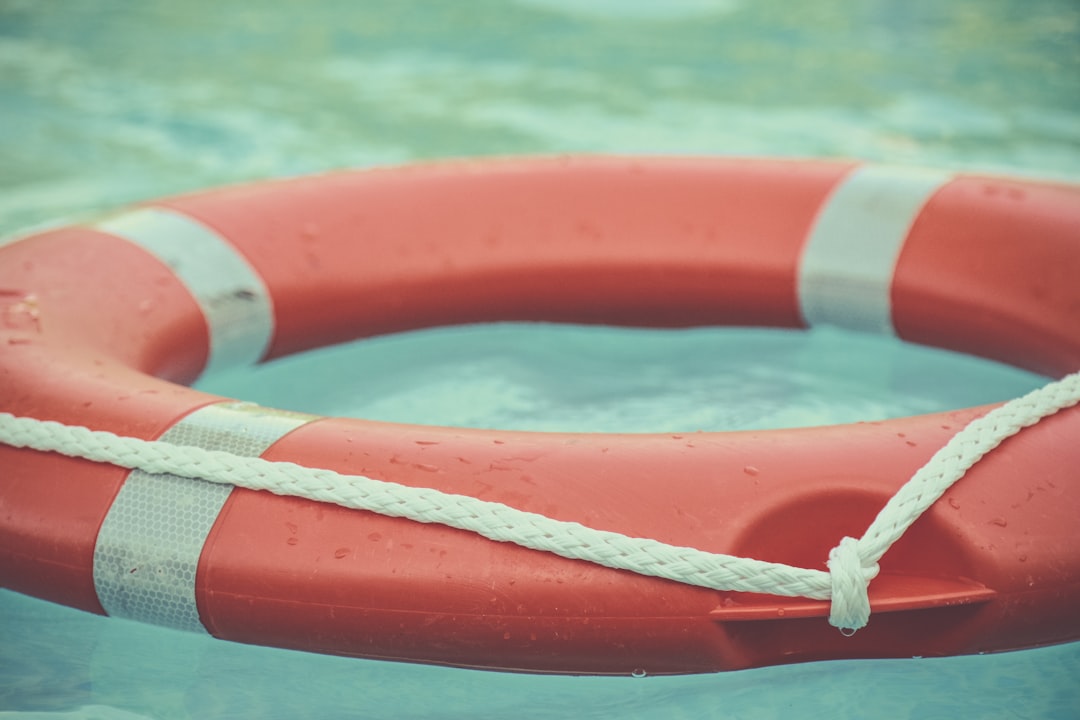
Finally, take a hard look at the equipment they’re handing you before you head out. Check the life jackets for U.S. Coast Guard or ISO approval stamps and make sure the fabric doesn't look sun-bleached or brittle, because that’s a sure sign the material is degraded and might fail exactly when you need it most. I always prefer operators who use buoy-marked no-wake zones, as that tells me they’re actually thinking about preventing accidents in crowded areas. Ask if they have a dedicated chase boat on standby or a marine-band radio; if they tell you to just use your cell phone, you’re essentially agreeing to be stranded if you lose signal a mile offshore. It’s all about finding the people who have a proper maintenance log they’re willing to show you, rather than those who just want you to sign a one-sided waiver and get out of their hair.
Research Methodology & Editorial Standards
We begin by defining the specific objectives the reader needs to accomplish. Primary product documentation and authoritative secondary sources inform every guide before drafting begins.
Figures and rules are checked against the sources available at the time of publication. Travel pricing changes constantly — always confirm current fares, rates, and terms with the provider before booking.