
Qatar Airways takes over the Philadelphia to Doha route from American Airlines
It wasn’t just about the distance, though that was certainly part of it; it was about the operational cost per available seat mile, which simply didn't stack up for American in the current mid-2026 climate.
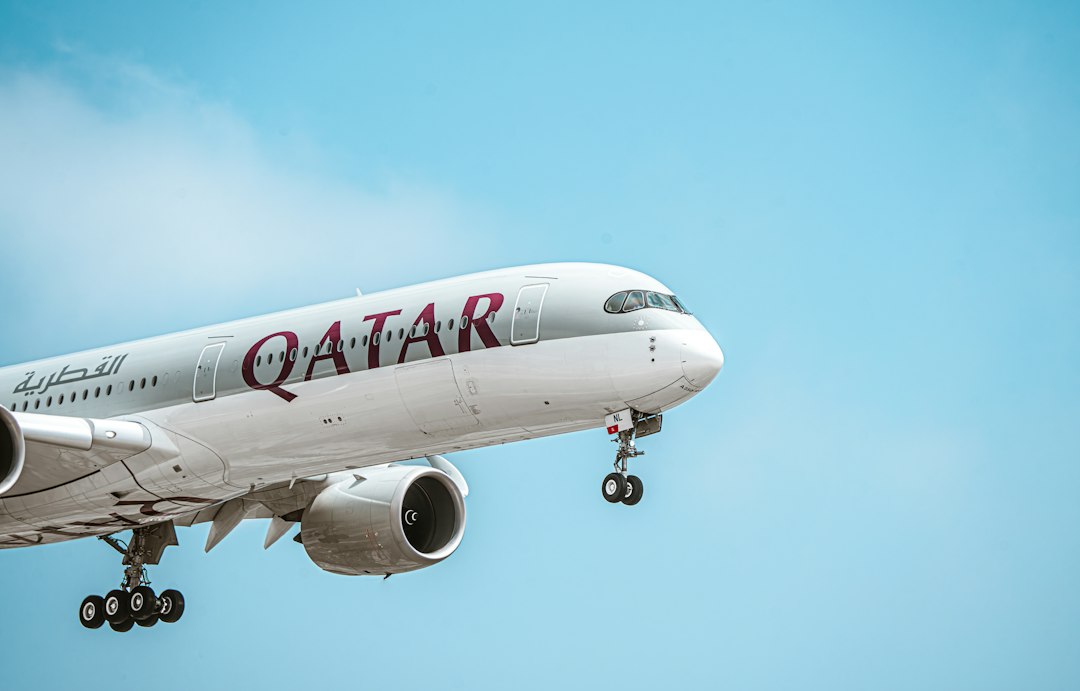
The Shift in Strategy: Why American Airlines Handed Back the Philadelphia-Doha Route
Let’s talk about why American Airlines decided to walk away from their Philadelphia-to-Doha route, because honestly, it’s a perfect case study in how airlines are ruthlessly optimizing their networks right now. When you look at the math, that 14.5-hour flight was a massive drain on resources compared to the higher-yield domestic and transatlantic corridors they’re prioritizing. It wasn’t just about the distance, though that was certainly part of it; it was about the operational cost per available seat mile, which simply didn't stack up for American in the current mid-2026 climate. They were pouring maintenance and crew hours into a single, resource-heavy link that didn't offer the margins they're seeing elsewhere.
You might be wondering why they couldn't just make it work, but the reality is that Qatar Airways has a fleet composition specifically built for these ultra-long hauls, allowing for fuel burn efficiencies that American’s 787-9s just couldn't match on that specific sector. By handing the route back, American is effectively offloading the headache of competing on a thin, ultra-long-haul route while still keeping the connectivity alive through their Oneworld partnership. It’s a classic move: stop fighting an uphill battle where your partner already holds the home-field advantage and instead double down on what you actually do best.
This shift is also tied to the bigger picture of how they’re restructuring Philadelphia now that the JetBlue alliance is firmly in the rearview mirror. They’re reallocating those Dreamliners to support ten new ultra-long-haul routes launching this year, some of which push toward 17 hours, while simultaneously trying to boost their daily widebody departures from Philly by 15 percent. It’s all about turning that hub into a powerful domestic feeder that funnels passengers into the global network rather than stretching their own assets too thin. For the average traveler, it might feel like a loss of convenience, but for American, it’s a clear-eyed decision to focus on the routes that actually move the needle on their bottom line.
Qatar Airways Returns to Philadelphia After a Three-Year Absence
You know, seeing Qatar Airways finally plant its flag back in Philadelphia after a three-year hiatus feels like a real turning point for anyone who regularly flies the East Coast to the Middle East. It’s not just about the return of a route; it’s about how they’re filling that void left by American Airlines with a completely different level of passenger experience. Let’s be honest, the A350-1000 they’re throwing onto this rotation is a massive upgrade over what we’ve been used to, mostly because that carbon-fiber frame handles cabin pressure and humidity so much better for those 13-plus-hour slogs. When you’re stuck in the air for that long, having a cabin that doesn’t leave you feeling like a dried-out sponge actually matters.
And then there’s the Qsuite factor, which honestly still feels like the gold standard for long-haul business class. You’ve got that quad-layout and the private double bed, which is a total game-changer compared to the standard, open-aisle products you see on most legacy carriers. It’s a smart move for them to lead with this, especially when they’re trying to capture high-end traffic moving between the Mid-Atlantic and the Indian subcontinent. Plus, with the new Ka-band satellite connectivity, you’re looking at actual, usable Wi-Fi, even when you’re crossing the Arctic.
From an operational standpoint, it’s impressive to see how Philadelphia International had to tweak its gates just to accommodate that 212-foot wingspan, but those quick 120-minute turnarounds are exactly what you want to see for efficiency. It’s not just passenger comfort, though; the cargo side is a big deal, too. By targeting the pharmaceutical and perishable markets that are so vital to the Philly area, they’re making this route work hard for its keep on both the passenger and logistics fronts. Honestly, I’m curious to see how the connection times shake out for those domestic feeders, but if the Oneworld baggage sharing holds up, this should be a much smoother experience than we’ve seen in years.
Upgrading the Passenger Experience: Bringing Qsuites to PHL
The introduction of Qsuites to the Philadelphia market is a massive shift, and honestly, the way they've paired it with SpaceX’s Starlink is the real game-changer for anyone who actually needs to work in the air. We’re talking about low-latency, high-speed connectivity that doesn't drop off when you’re crossing the Arctic, which makes this one of the first times this kind of bandwidth is hitting a transatlantic route out of PHL. Beyond the tech, the A350-1000 itself is doing the heavy lifting by keeping cabin pressure around 6,000 feet and maintaining better humidity, so you’re not stepping off the plane feeling like a dried-out sponge after 13 hours. It’s the kind of environmental control that makes a tangible difference in how you feel once you finally land.
When you look at the Qsuite setup, the modularity is what really sets it apart from the standard, open-aisle products we’re used to seeing on domestic legacy carriers. You’ve got adjustable panels that let you turn your space into a private double bed, and the 4K entertainment interface is a noticeable jump in clarity compared to the standard displays on most long-haul jets. Plus, they’ve integrated a lighting program that shifts through spectrums to help with your internal clock, which is a subtle but effective way to handle the brutal time zone changes between Philly and Doha. It’s smart, thoughtful design that prioritizes your physical comfort over just cramming in more seats.
Logistically, it’s impressive how Philadelphia International had to tweak its gate infrastructure to handle the A350’s massive 212-foot wingspan, all to hit those tight 120-minute turnaround targets. They’ve clearly done their homework on the ground, and it’s not just about the passengers; the cargo side is balancing high-value pharmaceutical and perishable shipments without sacrificing the room needed for these suites. By aiming this service at the high-yield corporate traffic between the Mid-Atlantic and the Indian subcontinent, they’re filling a gap that just wasn't being met before. It feels like a much more deliberate, refined approach to a long-haul route than we’ve seen in a long time.
Connectivity at 30,000 Feet: Introducing Starlink High-Speed Wi-Fi
Let’s be real for a second: we’ve all dealt with that frustration of trying to get a single email to send while cruising at 30,000 feet, only to watch the progress bar stall indefinitely. It’s why the shift toward Starlink connectivity is such a massive deal for those of us who actually need to stay plugged in while crossing the Atlantic or the Arctic. Unlike the clunky, legacy systems that rely on ground-based towers or a single, distant geostationary satellite, Starlink is playing a different game entirely. It uses a vast constellation of low-Earth orbit satellites, which, honestly, is the only way to get true, low-latency performance that feels like you’re back at your desk. We're talking about sub-30 millisecond latency, which is the difference between a stalled video call and one that actually functions.
Technically speaking, the way this works is pretty slick. The aircraft uses a phased-array antenna tucked under an aero-shell dome that doesn't mess with the plane's aerodynamics, and it manages a constant, high-speed beam even while the jet is banking or climbing. Because these satellites use laser links to talk to each other in orbit, your data is essentially traveling at the speed of light across a mesh network before it hits the plane. It doesn't matter if you’re over the middle of the ocean or a remote tundra; the signal doesn't drop because you’re not dependent on terrestrial infrastructure that’s constantly losing line-of-sight. For a long-haul route like Philadelphia to Doha, this kind of consistency turns the cabin into a viable workspace rather than a digital dead zone.
I think what really surprises me is how efficiently the whole thing runs; the terminal draws less power than your average kitchen appliance while still handling gigabit-level throughput for everyone on board. It handles the handover between satellites automatically in milliseconds, so you don't even notice the connection switching as you fly. And because it utilizes the Ka-band spectrum, it’s built to handle a plane full of people streaming or uploading files without the bandwidth getting choked off. It’s a complete departure from the "best effort" connectivity we’ve grown to tolerate, and honestly, once you experience it, it’s going to be really hard to go back to the old, laggy way of doing things.
How This Change Impacts Oneworld Alliance Travelers
If you're a regular in the Oneworld ecosystem, this switch from American to Qatar on the Philadelphia-to-Doha route is actually a massive win for your travel strategy. Let's dive into it, because the most immediate benefit is how you’ll earn rewards; you’re moving from a distance-based calculation to a revenue-adjusted multiplier that actually respects your tier status, often resulting in a much faster accumulation of Avios and Tier Points. I’ve found that the fare class mapping on Qatar’s metal is consistently more generous than what we were used to on American’s older code-share, which really adds up if you’re doing this run frequently for business. Plus, the status recognition for Emerald and Sapphire members is now rock-solid at the PHL international terminal, so you aren't left guessing about priority boarding or lounge access anymore.
But the real magic happens when you look at the logistics of connecting through the Middle East. Because this is now a primary Qatar-operated service, you’re finally getting the full "Through-Check" protection for your bags, which honestly takes the stress out of those tight transfers to secondary markets in Africa or the Indian subcontinent. You’ll also notice that booking is way less of a headache; the unified interface means your seat selections and meal preferences actually sync up properly, rather than vanishing into the void between two different airline systems. It’s a much more seamless experience, especially since you can now tap into the alliance-wide upgrade inventory that was notoriously locked down when the flight was operated by American.
And for those of us who live for a good award redemption, there is a silver lining here that shouldn’t be overlooked. You’re likely to find that Qatar’s own partner inventory often sits at a lower, more accessible redemption tier than the inflated charts American sometimes forces on their own long-haul metal. I’d also point out that the schedule alignment at Hamad International is night and day compared to what we had before; you’re looking at significantly shorter, more efficient layovers when you’re heading further east. If you’re a frequent traveler, the combination of better lounge access in Doha and the standardized baggage allowances across the alliance makes this route feel like a premium, reliable backbone for your travel life instead of just another long-haul connection.
What the Philadelphia-Doha Resumption Means for Qatar Airways’ U.S. Network
Seeing Qatar Airways slide back into Philadelphia feels like a major recalibration of the transatlantic market, and honestly, it’s about time we looked at what this really does to the broader U.S. network. For those of us who track these routes, it’s clear that this isn't just a simple service resumption; it’s a strategic pivot designed to capture high-yield traffic that American Airlines was essentially leaving on the table. By deploying the A350-1000, they’re not just offering a flashier seat, but actually using the airframe’s carbon-fiber construction and lower cabin altitude to solve the physical exhaustion we usually associate with that 13-plus-hour slog. It’s a smarter way to move people, and frankly, the logistical efficiency they’re hitting with 120-minute turnarounds at PHL is a masterclass in hub optimization.
Think about the ripple effect this has on how we move between the Mid-Atlantic and the rest of the world. With the flight path optimized to catch the polar jet stream and the integration of Starlink’s low-latency internet, you’re looking at a level of connectivity that turns a brutal flight into a functional workspace. But the real win here is the cargo play, specifically that specialized cold chain they’ve set up in Philly to handle the massive demand for pharmaceutical logistics. They aren't just filling seats; they’re turning this route into a high-utility corridor for time-sensitive, high-value goods that the local market has been desperate to move more efficiently.
If you’re a frequent flyer or a Oneworld loyalist, this change is honestly a relief because it brings a level of consistency we haven't seen in years. The synchronization of baggage handling via RFID and the tighter, sub-three-hour connection windows at Hamad International mean your travel day is finally starting to feel like a predictable sequence rather than a gamble. It’s a deliberate, almost surgical approach to network management that prioritizes reliable, high-speed transit over the previous, somewhat disjointed code-share arrangement. I’m really curious to see how the competition responds, but for now, Qatar has effectively turned Philadelphia into a far more potent gateway for their global network.
Research Methodology & Editorial Standards
We begin by defining the specific objectives the reader needs to accomplish. Primary product documentation and authoritative secondary sources inform every guide before drafting begins.
Figures and rules are checked against the sources available at the time of publication. Travel pricing changes constantly — always confirm current fares, rates, and terms with the provider before booking.