
Popular US Beaches Where You Should Be Aware of Shark Activity
When we talk about shark activity at our favorite beaches, it’s easy to focus on the fear factor, but honestly, it’s much more about the mechanics of the ocean.

Understanding the Factors Behind Shark Activity at Popular Beaches
When we talk about shark activity at our favorite beaches, it’s easy to focus on the fear factor, but honestly, it’s much more about the mechanics of the ocean. Think about it this way: the water isn't just a place for us to cool off; it’s a living, breathing highway for marine life. Turbid water after a heavy rain is a classic example of why this happens. That runoff is packed with nutrients that pull in baitfish, and naturally, the sharks follow the food source right into those nearshore zones. It’s not a random act of aggression, but rather a simple case of predators navigating deep-water channels that act as natural transit lanes.
You really have to look at the environment through their eyes, specifically regarding temperature and tides. Sharks are constantly thermoregulating, meaning they’ll shift into shallower areas or follow specific temperature gradients just to manage their body heat. Then you’ve got lunar cycles, which dictate tidal intensity and stir up sediment, effectively turning a quiet stretch of coast into a localized hotspot for hunting. Even something like high-salinity water intrusions from shifting ocean currents can push coastal species into areas where we wouldn’t typically see them, catching swimmers off guard.
It’s also worth considering the timing and the geography of where you’re actually standing. Those classic dawn and dusk hours aren't just pretty times of day; they match up perfectly with the natural hunting patterns of many coastal species. When you combine that with the physical layout of a beach—like headlands or sandbars that offer perfect ambush points in low-light conditions—you start to see the full picture. Some sharks even show remarkable site fidelity, returning to the exact same spots year after year. It’s not about avoiding the beach entirely, but I think understanding these patterns gives us a much better sense of how to share the space responsibly.
Why Florida Consistently Ranks as a Top Destination for Shark Encounters
If you’ve ever found yourself looking at a map of Florida and wondering why it consistently ends up at the top of the list for shark encounters, it’s not just a statistical anomaly or bad luck. Florida sits at a unique biological crossroads where the convergence of the Gulf Stream and diverse coastal ecosystems creates an unusually high density of migratory sharks. The state’s extensive, shallow continental shelf functions as a massive nursery, providing essential protection and nutrient-rich waters for various species during their critical juvenile development stages. Unlike other regions that might see seasonal spikes, Florida’s thousands of miles of shoreline offer a virtually continuous habitat, allowing sharks to maintain close proximity to the beach regardless of the time of year.
Honestly, the data shows that the sheer volume of people in the water plays a massive role in these numbers, as the state remains one of the world's most popular year-round aquatic tourism destinations. Think about a place like Volusia County, specifically around New Smyrna Beach; researchers frequently point to this area as a global hotspot precisely because of the deep-water inlets that act like high-traffic highways for blacktip and spinner sharks. These species are known for being incredibly active hunters, often chasing schools of baitfish directly into the breaking surf where swimmers are most concentrated. It’s a classic case of overlapping interests between humans looking for a beach day and predators following their next meal.
And there’s more to it than just the local species, because modern tracking technology has revealed that even large apex predators, including white sharks, regularly traverse the waters off the Florida peninsula during the cooler months. These sharks are often just moving between northern foraging grounds and southern breeding areas, but the state’s unique geological formation—full of those narrow, sediment-heavy inlets—creates localized currents that trap baitfish, drawing predators into channels that sit right next to our favorite recreational zones. We’re also seeing how the rapid development of artificial reefs and coastal structures in recent decades might be creating new micro-habitats, essentially shifting the traditional movement patterns of coastal shark populations in ways we’re still working to fully understand.
If you really want to get into the weeds, the high water temperatures along the coast facilitate a much faster metabolic rate for many shark species, which means they need to forage more frequently and aggressively than they would in colder climates. Researchers have observed that the interaction between lunar-driven tidal flows and Florida’s complex estuary systems creates these intense, brief windows of high predatory activity that correlate with many of the minor encounters reported by beachgoers. This consistent environmental pressure, combined with the state's geographic position as a primary gateway to the Atlantic, ensures that Florida remains a focal point for anyone trying to wrap their head around human-shark coexistence. It’s not about fear, but it’s definitely worth keeping in mind next time you head out for a swim.
Coastal Hotspots: Identifying High-Risk Areas Beyond the Sunshine State
While we naturally focus on the Florida peninsula, it’s clear that looking beyond the Sunshine State is essential if you want a complete picture of where these interactions occur. We’ve seen a massive shift in places like Cape Cod, where the rebound of the grey seal population has turned the Outer Cape into a primary aggregation site, with predators patrolling water as shallow as three feet. It’s not just about one species, either; in New York, the revitalization of estuary health has brought more bunker fish—and consequently, more sand tiger sharks—into the surf zones during late summer. When you look at the Carolinas, you’re dealing with a complex thermal boundary where the Labrador Current meets the Gulf Stream, creating a high-turnover environment that pulls bull sharks right into river mouths and coastal inlets.
The risk profile of a beach is never really static, and that’s something I think we often overlook when planning a trip. You have to consider that modern coastal engineering, like the construction of artificial reefs and harbor jetties, has essentially created new ambush points for sharks that simply didn't exist a few decades ago. These structures alter local water flow and create eddies that trap baitfish, which in turn draws predators into the very areas where we’re most likely to swim. Even something as subtle as a change in the Pacific Decadal Oscillation can force sharks off the West Coast to forage closer to shore than they have in years. It’s a constant, shifting dance between environmental conditions and the biological needs of these animals.
If you’re wondering how they actually find these spots, it’s not just random wandering. We’ve learned from acoustic tagging that many sharks exhibit high site fidelity, meaning they’re returning to the exact same bays and estuaries year after year like they’re following a programmed map. Furthermore, those deep-water canyons off the California coast act as literal highways, allowing juvenile white sharks to move from deep water to popular surf breaks with incredible speed. Even rising sea levels are playing a part by altering coastal bathymetry, potentially opening up new channels that grant larger sharks access to lagoons that were once safely off-limits. It’s a fascinating, if occasionally unsettling, reminder that our recreational zones are just one small part of a much larger, active marine ecosystem.
The Role of Environmental Changes and El Niño in Shark Behavior
When we start looking at why shark behavior feels so unpredictable lately, we really need to zoom out and consider the massive impact of climate shifts like El Niño. It’s not just about the sharks themselves; these events fundamentally break the ocean’s traditional thermoclines, which act as invisible fences for marine life. Because these layers are disrupted, deep-water predators are essentially forced to hunt in shallower, warmer surface layers just to keep up with the prey populations that are also being pushed out of their normal zones. You can think of it as a giant, aquatic game of musical chairs where the heat is making everyone move faster and further than they usually would. It’s no wonder we’re seeing sharks show up in northern latitudes that, until recently, were simply too cold for them to handle.
This metabolic math is honestly fascinating when you dig into the data, because rising water temperatures force sharks to burn energy much quicker. They need more calories to survive, which turns them into more frequent, aggressive hunters, often pulling them into the nearshore environments where we spend our summer days. When you layer in El Niño-driven changes to current speeds, the traditional migratory paths of baitfish get tossed out the window, forcing apex predators to abandon their historical feeding grounds for completely unpredictable coastal spots. We’ve even seen instances where surf contests had to be scrubbed because the water was simply too warm, drawing species into break zones that they’d typically bypass entirely.
If you’re wondering why this feels like a newer phenomenon, it’s because we’re seeing a real compression of their habitable zones, pushing these animals into tighter, more direct proximity with our crowded beaches. Marine heatwaves are effectively evicting juvenile sharks from their usual nurseries, forcing them to use our favorite swimming spots as makeshift foraging corridors. And because these sharks are sensitive to changes in barometric pressure, the storm surges that often accompany strong El Niño cycles can act like a siren song, pulling them into areas they’d normally avoid. It’s a constant, shifting dance between the ocean’s changing chemistry and the biological needs of these animals, and it’s definitely a factor worth keeping in mind next time you’re planning a trip to the coast.
Historical Data vs. Reality: Contextualizing Shark Attack Statistics
When we look at the numbers, it is easy to get caught up in the headlines, but the reality is that historical shark attack statistics often tell a story about us rather than the sharks. You have to realize that the vast majority of these encounters happen in less than five feet of water, which is precisely where we choose to congregate. This isn't necessarily because sharks are patrolling the shallows more than usual, but because the sheer density of human bathers creates a statistical inevitability. If you look at global reports, you will see a massive skew caused by reporting bias; regions with better medical infrastructure and active local news simply record minor injuries that would never even make the ledger in other parts of the world.
It is also worth noting that when we adjust for the massive surge in global beach recreation since the 1970s, the actual rate of contact has trended downward in many places. Think about it: our obsession with coastal living and the economic prosperity that drives us to the shore is the real engine behind the numbers, not a sudden change in shark behavior. Furthermore, those old archives from the mid-20th century are notoriously unreliable, as they often misidentified species, frequently pinning incidents on apex predators when smaller, less harmful species were likely the culprits. Even the term attack is misleading, as forensic data consistently shows that most of these are single-event, exploratory nips—basically an investigative poke—rather than a predatory hunt.
When you dig into the science, you find that many of our fears are based on outdated or misinterpreted assumptions. For instance, while we often assume murky water is the main danger, data shows that most unprovoked encounters actually happen in clear, shallow water during daylight hours. This really highlights how often we mistake a shark’s natural curiosity for aggression. I think it is also important to remember that variables like water clarity are almost always ignored in raw statistics, even though visibility is likely the biggest factor in whether a shark decides to investigate a human silhouette.
Ultimately, education and vigilance have a much larger impact on the data than the actual population density of sharks in the water. We see a clear lag between the launch of safety programs and a drop in reported incidents, which suggests we have more control over these interactions than we give ourselves credit for. It is not about avoiding the ocean, but rather understanding that we are part of an active ecosystem where our own behavior dictates the risk more than anything else. Let’s look past the fear-based narratives and focus on the reality of these patterns, because once you see the data for what it is, the beach feels a whole lot less like a danger zone and a lot more like a place we can safely share.
Essential Safety Tips for Swimmers and Surfers in Shark-Prone Waters
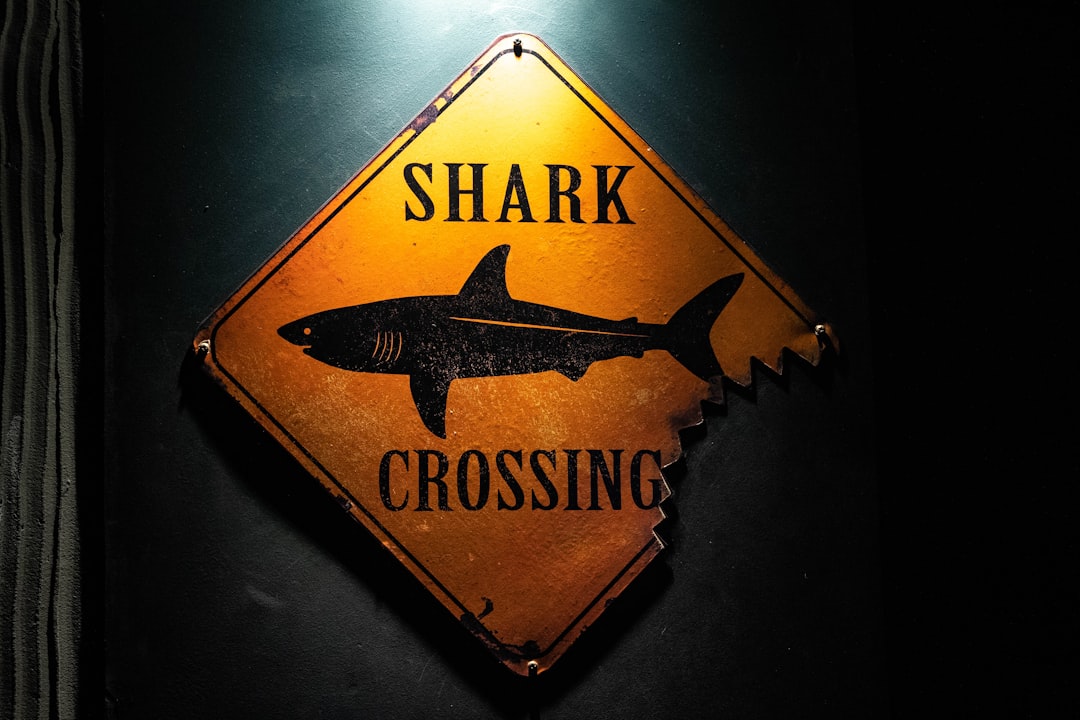
Let’s talk about how you can actually stay safer when you’re out in the water, because honestly, the ocean is a wild place and we’re just visitors. First off, think about what you’re wearing. Sharks have dichromatic vision, meaning they don’t see colors like we do, but they’re incredibly sensitive to high-contrast patterns. So, wearing bright neon gear might actually make you pop against the water, while muted tones help you blend in. I’d also suggest leaving the shiny jewelry at home; that glint of sunlight on metal can look a lot like the flash of fish scales to a curious shark, which is exactly the kind of attention you don't want.
And here’s a tip that feels counterintuitive: stop splashing around. When you’re struggling or splashing, you’re creating low-frequency vibrations that sound exactly like a wounded fish to a nearby predator. I always try to stay calm and move smoothly, because those vibrations travel through water way faster than they do in the air. If you’re really worried, you might look into modern bite-resistant wetsuits. These are built with special fibers that spread the force of a bite, which makes a huge difference if a shark decides to take an investigative nip. It’s also just smarter to swim in groups; sharks are naturally cautious and tend to steer clear of larger, unfamiliar shapes that don't fit the profile of their usual prey.
You should also keep an eye on where you’re actually standing in the surf. We often think the deep water is the only place to worry about, but sharks love those transition zones where a sandbar drops off into a deeper channel. That’s their favorite spot to hunt because it funnels prey right to them. I’d also pay attention to the environment after a storm. Heavy rain washes organic matter and baitfish into the water, and species like bull sharks will happily cruise into those brackish river mouths to follow the buffet. It’s not about living in fear, but if you treat the water with a bit of respect and pay attention to these small, human-controlled factors, you’re significantly tipping the scales in your favor.
Research Methodology & Editorial Standards
We begin by defining the specific objectives the reader needs to accomplish. Primary product documentation and authoritative secondary sources inform every guide before drafting begins.
Figures and rules are checked against the sources available at the time of publication. Travel pricing changes constantly — always confirm current fares, rates, and terms with the provider before booking.