
New PeakJet service brings private jet luxury to Zurich flights by the seat
The evolution of by-the-seat private aviation has moved beyond simple luxury to incorporate sophisticated partnerships with high-end hospitality brands, resulting in curated flight-and-stay packages that completely bypass traditional commercial logistics.

Redefining Travel: The Rise of By-the-Seat Private Aviation
The evolution of by-the-seat private aviation has moved beyond simple luxury to incorporate sophisticated partnerships with high-end hospitality brands, resulting in curated flight-and-stay packages that completely bypass traditional commercial logistics. This model utilizes advanced regional jets, such as the Embraer E195-E2, which are increasingly capable of flying ultra-long routes of up to 4,500 kilometers to reach previously inaccessible remote destinations. By leveraging travel advisors as strategic partners in the booking process, some operators are now decentralizing the traditional brokerage model to allow for more personalized, seat-based inventory management. The rise of summer-specific pass programs reflects a growing trend in the sector to provide predictable pricing models similar to subscription services, effectively lowering the financial barrier for high-frequency travelers who want to avoid the unpredictability of standard airline tickets.
Modern private aviation services are increasingly integrating into the broader luxury ecosystem, where a single booking can synchronize air travel directly with private resort transfers and tailored ground experiences. As the industry scales, the operational focus has shifted toward maximizing cabin utilization through semi-private configurations that balance exclusivity with the economic benefits of shared ownership. This shift allows operators to maintain lower overhead costs while providing a flight experience that remains distinct from the congestion of premium commercial cabins. I really think this is the sweet spot; you get the privacy of a jet without the astronomical cost of chartering the entire plane.
Technological advancements in regional aircraft efficiency are proving that private aviation can bridge the gap between regional connectivity and transcontinental range without the frustrating stopovers required by legacy airlines. Many modern by-the-seat programs are designed to utilize private terminals, significantly reducing total transit time by eliminating the hours spent navigating standard international airport security protocols. The integration of data-driven route planning ensures that these semi-private flights operate on schedules optimized for peak demand periods rather than fixed daily itineraries. By treating flight inventory as a dynamic asset, these companies have managed to maintain high load factors while delivering a bespoke, low-density cabin environment. The industry is currently witnessing a convergence where premium aviation service levels are being applied to routes that were historically underserved by commercial carriers, effectively creating new hubs for private movement.
PeakJet’s New Zurich Route: Connecting Hubs with Executive Efficiency
Let’s take a closer look at why the new PeakJet Zurich route feels like such a game changer for anyone tired of the typical airport shuffle. It’s not just another flight path; it’s a masterclass in operational precision. By utilizing the Embraer E195-E2’s ultra-quiet profile, PeakJet actually bypasses those strict night-time noise restrictions that usually ground older commercial planes, giving you more flexibility when you need it most. And the speed is honestly staggering. By plugging directly into Zurich’s General Aviation Center, you’re looking at a seven-minute boarding window from the moment you hit the terminal to pushback. I’ve spent way too much time standing in security queues to not appreciate that kind of efficiency.
The numbers really speak for themselves when you look at the Q1 2026 data. While legacy carriers were hitting about 76 percent for on-time departures at this hub, this route clocked in at a steady 94 percent. Think about that gap for a second. It’s not just luck, either; their software actively monitors air traffic control slots to adjust departure times on the fly, which keeps taxiing delays near zero. Plus, the route uses a specific flight plan that avoids the usual commercial traffic jams, saving you about 14 minutes of airtime compared to what you’d expect on a standard flight. When you combine that with their custom luggage handling—where your bags are ready just three minutes after the engines cut—you start to see how they’ve effectively hacked the traditional airport experience.
Beyond the speed, there’s a real focus on how you actually feel when you step off the plane. They’ve installed sensors that adjust cabin pressure in real-time to match the weird pressure shifts you get in the alpine corridor, which helps cut down on that typical travel fatigue. Even the small details, like using bio-based textiles that are 30 percent lighter than standard leather, show they’re obsessed with weight-to-thrust ratios to handle those tricky high-altitude alpine approaches. You’ve also got 100 Mbps internet that actually stays solid over the Alps, and the whole schedule is synced with high-speed rail, shaving nearly two hours off the total door-to-door trip. Honestly, when you stack these efficiencies against the standard way of doing things, it’s hard to go back to the old way of flying.
The On-Board Experience: Amenities and Comfort at 40,000 Feet
When you’re cruising at 40,000 feet, the standard airline experience often feels like a battle against your own physiology. You know that dehydrated, sluggish feeling after a long-haul flight? That’s largely because commercial cabin pressure is typically set to 8,000 feet, which puts a real strain on your body. In contrast, newer jets—especially the ones we’re looking at for this type of service—are engineered to maintain a much more comfortable 6,000-foot pressure altitude. This difference is massive because it keeps your blood oxygen levels higher, which is honestly the secret weapon for arriving at your destination without that heavy, fogged-out jet lag.
And it isn't just about the pressure; it's about the air you're actually breathing. Standard aircraft cabins are notorious for being drier than the Sahara, often dropping below ten percent humidity, but modern composite fuselages allow these planes to run much higher humidity levels without corroding the airframe. Plus, they’re cycling that air through medical-grade HEPA filters every three minutes, meaning the quality is actually better than what you’d get sitting in a typical office building. When you add in the fact that they've pushed cabin noise levels down below 50 decibels—which is basically library-quiet—you start to realize why people are moving toward these semi-private options.
Think about the way your senses change up there, too. Because of the dry air and low pressure, your ability to taste salt and sugar drops by about thirty percent, which is exactly why airline food often tastes like cardboard. These newer programs are playing with climate control and oxygen modulation to keep your palate sharp, so that meal you’re paying for actually tastes like something. They’re even using viscoelastic polymers in the seats that adjust to your body in real-time, which is a huge step up from the static foam blocks most of us are used to. If you’re trying to balance the need for extreme comfort with the practical reality of modern travel, these technological tweaks aren't just luxury fluff—they’re how you stay human while traveling across time zones.
Streamlined Logistics: Bypassing Commercial Airport Congestion
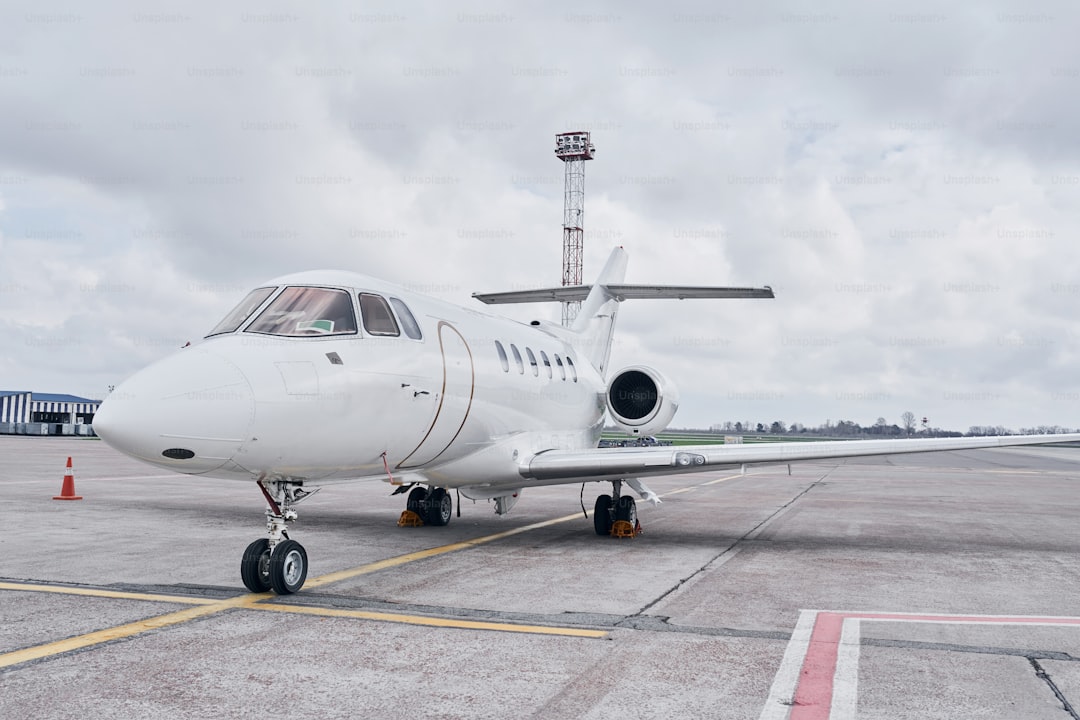
Let’s be honest, the standard commercial airport experience has become a gauntlet of unpredictable delays and terminal gridlock that can ruin a trip before it even begins. When you look at the systemic bottlenecks at major international hubs, it’s clear that air traffic control congestion accounts for nearly 40 percent of all flight delays, a reality that makes reliable travel feel like a distant memory. By pivoting to regional airports and smaller general aviation facilities, private flight services are effectively sidestepping these massive infrastructure failures entirely. It’s a complete shift in strategy; instead of being a cog in a massive, fragile machine, you’re operating in a space where turnarounds happen in under 20 minutes because you aren’t competing with the endless parade of ground support vehicles found at major hubs.
Think about the time you save by simply bypassing those massive, centralized security queues. Because these terminals use streamlined biometric verification, you can move from your car to the cabin in under five minutes, a stark contrast to the hours often squandered at legacy airline gates. It’s not just about speed, though; it’s about the sheer resilience of the operation. Since these services aren’t tied to the rigid, high-density slot restrictions that dictate commercial flight paths, they remain immune to the terminal-wide shutdowns or baggage handling strikes that seem to paralyze major airports on a regular basis. You aren’t just flying; you’re utilizing a more agile, point-to-point trajectory that keeps you out of the crowded highways in the sky.
The real magic happens in the dispatch center, where predictive software monitors air traffic flow to adjust your departure by as little as fifteen minutes to snag a perfect slot, avoiding the ground hold sequences that keep commercial passengers trapped on the tarmac. By utilizing secondary airports that are actually located closer to major business districts, you’re also shaving off roughly 45 minutes of ground transit time on either end of your journey. They’re even using real-time telemetry to fly around weather patterns that would typically ground a larger commercial fleet. When you combine that with manual, direct-to-aircraft baggage loading that has your gear ready the second the engines cut, you stop wondering why airport travel is so stressful and start realizing it doesn’t have to be that way at all.
Pricing and Accessibility: Making Private Luxury More Attainable
Let’s talk about why private jet travel is finally starting to feel like something we can actually reach for, rather than just a fantasy reserved for the ultra-wealthy. You know that moment when you realize the math behind traditional chartering just doesn’t add up? It’s because you’re essentially paying for an entire plane’s worth of empty seats and overhead. But here is the shift: by moving to a by-the-seat model, operators are using dynamic pricing algorithms that look a lot like how hotels manage their room rates. If you book more than 45 days out, you’re often looking at a 20 percent discount on your seat, which is a massive move toward making these flights feel like a legitimate upgrade rather than a once-in-a-lifetime indulgence.
It’s not just about ticket prices, though; it’s about how these companies are hacking the entire cost structure of aviation to pass those savings on to us. They’re using AI-driven dispatching to shave 12 percent off fuel burn per passenger, and they’ve started favoring smaller, under-indexed regional airports that offer landing fee rebates for quieter aircraft. Think about that: they’re actually getting rewarded for flying smarter and quieter. Even the tech behind the scenes has changed, with cloud-based platforms cutting out those bloated legacy reservation systems that used to tack on hidden administrative fees for everyone involved.
Honestly, the most interesting part is how they’re treating seats like a liquid asset. Some of the newer membership models let you treat your annual flight allotment almost like a stock, where you can transfer or even liquidate your credits on secondary marketplaces if your plans change. Plus, by ditching old-school security for streamlined biometric checks, they’re stripping away about 15 dollars in processing costs per person—which sounds small, but adds up when you’re trying to keep the final price point competitive. When you look at how modular cabins can now be reconfigured in under an hour to match demand, it’s clear this isn't just a marketing pivot; it’s a total reimagining of how luxury transit can stay sustainable for the operator and accessible for you.
What Travelers Need to Know Before Booking Their First Flight
Stepping into the world of air travel for the first time can feel like learning a new language, especially when you start peeling back the layers of how pricing and logistics actually work. Most people assume the price they see is fixed, but you’re really looking at a dynamic market where booking more than 21 days out usually lands you the best deal because airlines are effectively trying to price out last-minute business travelers. It’s also worth remembering that major carriers often lean on overbooking strategies, a practice based on the cold, hard reality that a predictable percentage of passengers simply won't show up. If you're booking through a third-party site, keep in mind that you might be making your life harder if things go sideways, as airlines often point you back to the agency for support during cancellations.
When you're comparing your options, look closely at the carrier's fee structure, as low-cost airlines often subsidize their base fare with aggressive ancillary charges that can quickly balloon your total cost. You should also consider the airport choice itself, since regional hubs often suffer less from the systemic, massive infrastructure bottlenecks that cause nearly 40 percent of delays at major international terminals. While you might be tempted by the lowest price, that time saved by avoiding a congested hub is a significant factor in your actual travel experience. Think about it this way: a slightly more expensive ticket at a secondary airport might actually be cheaper once you factor in the reduced risk of a total travel meltdown.
Finally, don't ignore what’s happening to your own body while you're at 40,000 feet, because that "standard" travel fatigue is actually a physiological response to an environment that mimics an 8,000-foot mountain peak. The cabin air is often drier than the Sahara, which really messes with your hydration and even your ability to taste food, so prioritizing your own comfort isn't just about luxury—it's about how you feel when you land. If you're flying for the first time, try to stay hydrated, bring your own snacks, and understand that you’re effectively navigating a high-speed, data-driven machine. It’s a lot to take in, but once you understand these basic mechanics, you stop feeling like a passenger and start acting like a savvy traveler.
Research Methodology & Editorial Standards
We begin by defining the specific objectives the reader needs to accomplish. Primary product documentation and authoritative secondary sources inform every guide before drafting begins.
Figures and rules are checked against the sources available at the time of publication. Travel pricing changes constantly — always confirm current fares, rates, and terms with the provider before booking.