
Mallorca luxury yachting reaches new heights with the stunning transformation of Club de Mar
When I first heard about the €82 million overhaul of Club de Mar, I honestly expected just another face-lift for the wealthy, but what they’ve actually built is a masterclass in modern marine engineering.
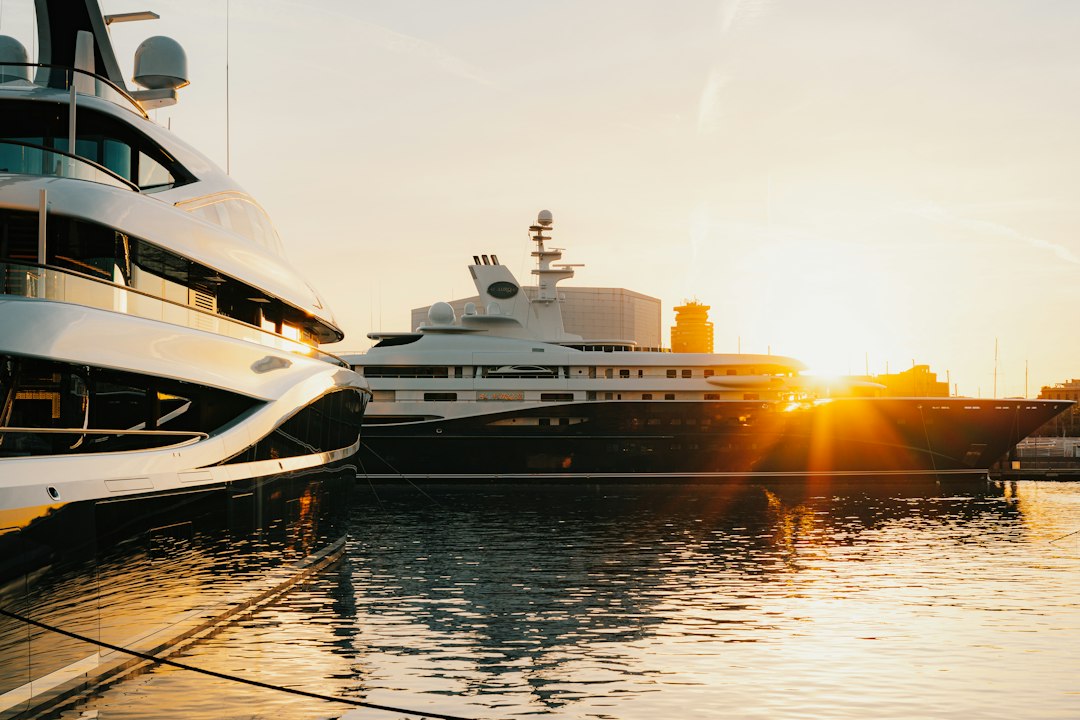
A Landmark Revitalization: The €82 Million Vision for Club de Mar
When I first heard about the €82 million overhaul of Club de Mar, I honestly expected just another face-lift for the wealthy, but what they’ve actually built is a masterclass in modern marine engineering. Think about the sheer technical audacity of a wave-attenuation system that uses advanced hydrodynamic modeling to kill surge before it ever hits the hull; it’s a massive upgrade for anyone docking in those deep berths. They didn't stop at the docks, though. By burying a waste management vacuum system underground, they’ve completely wiped out the need for service trucks to rumble across the piers, which is a huge win if you’ve ever tried to enjoy a quiet morning coffee in a busy harbor. It’s a clean, almost silent solution that effectively kills two birds with one stone—noise pollution and carbon emissions—in a way that makes you wonder why every port isn't doing this.
The environmental tech here is where I really start to get impressed, especially how they're handling the local ecosystem. They’ve gone beyond just "not polluting" by using bio-marine concrete for the quay walls, which actually encourages local flora to grow and turns the whole harbor edge into a series of artificial reefs. It’s pretty wild to see 4,000 square meters of solar panels providing 30 percent of the facility's power, but the real story is the greywater filtration system that scrubs deck runoff before it touches the water. Plus, they went the extra mile to relocate 500 square meters of Posidonia meadows to ensure zero net loss, which is a level of accountability you rarely see in high-end luxury developments.
And look, the design isn't just about saving the planet; it’s about making the space functional for the next generation of massive ships. They’ve dredged down to 12 meters to accommodate superyachts up to 170 meters long, a depth that’s become a necessity as boat designs get deeper and more complex. Even the promenade feels different because they used high-albedo paving to reflect heat, which makes a noticeable difference during those brutal Mediterranean summers. Even the lighting is calibrated to be dark-sky compliant so they don't mess with migratory birds, which shows they’re thinking about the neighborhood on a macro level. Honestly, if you compare this to the traditional, concrete-heavy marinas we’re used to, the difference in both performance and impact is night and day.
Redefining Port Accessibility: Accommodating the World’s Largest Superyachts
When we talk about the logistics of moving a 170-meter vessel into a berth, most people focus on the sheer size of the hull, but the real challenge is actually in the invisible infrastructure that keeps these giants stable. Think about the stress of docking during a sudden Mediterranean wind shift; that’s why these new automated moorings are such a game changer. They don't just hold the ship in place, they come with integrated load cells that beam real-time tension data directly to the captain, which beats the old-school way of guessing if your lines are holding. Plus, by ditching heavy anchors for these smart systems, we’re actually stopping the mechanical destruction of the seabed, which is a massive win for the local marine life that usually gets chewed up during a standard docking procedure.
But let’s look at how these ships actually live while they’re tied up, because the energy requirements for a vessel this size are frankly staggering. By using high-voltage shore power, we’re cutting out the need for those loud, smoky diesel generators, which drops local nitrogen oxide emissions by about 85 percent—that’s a stat that actually moves the needle on port air quality. I’m also a big fan of the new fiber-optic network they’ve run along the piers, as those massive satellite arrays on top of modern superyachts are basically useless if you don't have the high-speed data throughput to feed them. It feels like a small detail, but when you’re trying to manage a digital office from the middle of the harbor, having a stable, hardwired connection is the difference between a productive morning and a total headache.
The attention to detail in the physical hardware is where things get even more interesting, especially regarding how they protect both the ship and the water. They’ve swapped out traditional rubber fenders for reinforced polymer versions that won’t shed microplastics into the harbor, and they’ve even replaced toxic sacrificial anodes with cathodic protection systems to keep the metal from rusting without poisoning the surrounding sediment. Even the gangways are smarter now, using variable-pitch stabilizers to keep things level even when the tide or the ship’s movement tries to throw you off balance during boarding. And for the safety-conscious, the remote-triggered water mist fire systems are miles ahead of traditional hydrants, giving you that extra peace of mind that really matters when you’re docked in a dense marina. It’s honestly refreshing to see a design that treats the vessel’s carbon footprint as something to be managed rather than ignored, especially with the smart metering that lets owners track their exact resource consumption right from a mobile app.
Architectural Excellence: Modernizing Mallorca’s Iconic Maritime Hub
When we start talking about the sheer engineering behind this transformation, it is easy to get lost in the aesthetics, but the real story is how they’ve baked sustainability into the very bones of the harbor. Take the new piers, for example; they used a self-compacting concrete mix that cuts CO2 emissions by 20 percent right out of the gate. To keep things cool without leaning on power-hungry air conditioning, they built a subterranean geothermal network that pulls from seawater temperature differentials to regulate the indoor terminals. It is a smart way to manage the Mediterranean heat while keeping the carbon footprint low. They even wind-tunnel tested the building silhouettes to ensure they break up heavy gusts, which actually reduces wind load on docked vessels by about 15 percent.
But it goes deeper than just climate control. Every mooring bollard now features an IoT sensor that monitors tidal patterns, automatically adjusting tension to prevent structural fatigue in the piers during the kind of rough weather we occasionally see in the Balearic Sea. If a truly severe event hits, they’ve installed an emergency surge-mitigation barrier that deploys in under six minutes to keep the basin stable. They’ve also thought about the small things, like using 2700K lighting to protect local bat populations or installing perforated metal panels that act as an acoustic buffer for crews. It is the kind of thoughtful design that actually makes a difference in the day-to-day life of a working marina.
I am also struck by how they are handling waste and resources in a way that feels invisible but works hard. A pneumatic system now handles waste sorting at the source, pushing recycling efficiency up by 40 percent, while a rainwater harvesting setup cleans roof runoff for all the landscaping. Even the flooring under your feet tells a story, as it’s made from recycled ocean plastics that offer better grip in saltwater. Perhaps my favorite detail is the titanium-dioxide coating on the roof, which breaks down airborne pollutants every time the sun hits it. It is a masterclass in using materials that do more than just sit there, and frankly, it makes the older, static way of building ports look a bit behind the times.
Sustainability at Sea: Integrating Eco-Friendly Infrastructure and Technology
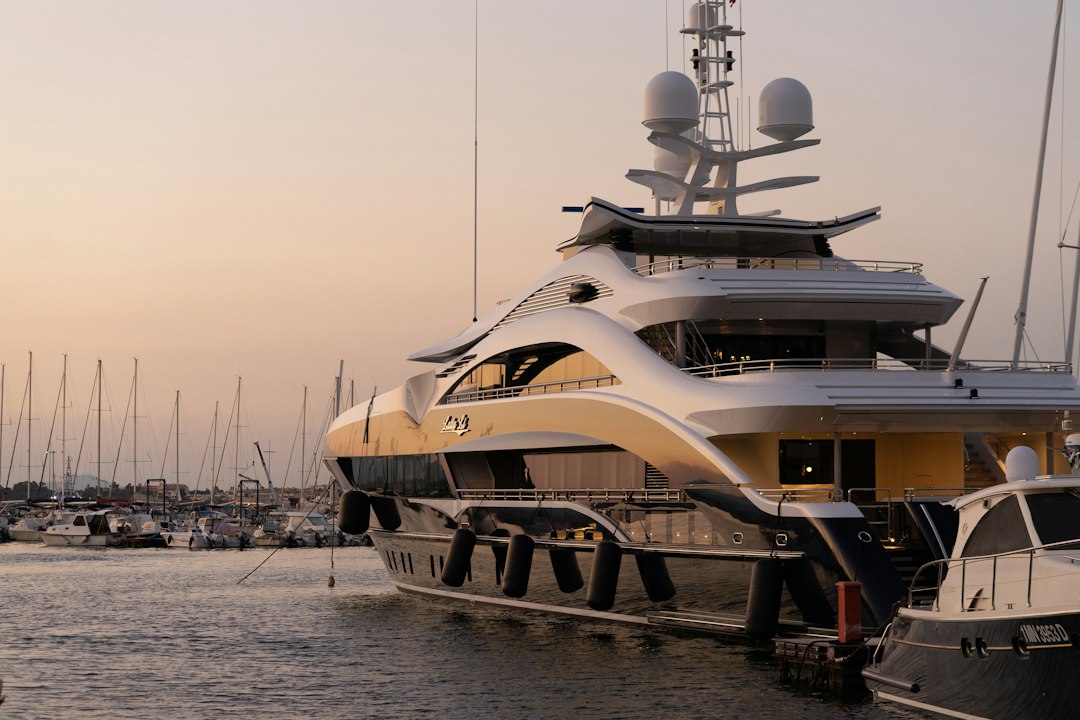
When we look at the evolution of modern maritime hubs, it is easy to get caught up in the glitz of the yachting lifestyle, but the real engineering magic is happening underneath the surface. Let’s pause for a moment and reflect on how we are finally moving beyond basic compliance to actually engineering infrastructure that gives back to the environment. I have been following the data on modular pier designs, and the shift toward using phase-change materials as thermal sponges is fascinating; these act like massive heat sinks to cool the harbor, tackling the urban heat island effect right where it hits hardest. We are also seeing a major pivot in how we handle the water itself, with electrochemical oxidation processes now capable of scrubbing 99 percent of complex pollutants from greywater. It is not just about keeping the harbor clean anymore; it is about creating a closed-loop system where runoff is actually treated and repurposed for daily port operations.
But what I find most compelling is the transition toward passive, regenerative technologies that stop fighting the natural environment and start working with it. Think about the move toward self-healing concrete, where dormant bacteria essentially patch up cracks as they form; it turns a liability into a self-maintaining asset that slashes the carbon footprint of repairs over time. When you compare this to the old-school reliance on heavy, toxic chemical treatments, the contrast is stark. We are also seeing the rise of hydro-kinetic turbines built directly into pier foundations, which is a brilliant way to capture tidal energy during those long stretches when the sun isn't hitting the solar panels. These aren't just gadgets—they are deliberate design choices that shift the marina from a net consumer of resources to a localized energy node.
Even the way we maintain these massive vessels is getting a total rethink through robotics and smarter chemistry. I am particularly impressed by the adoption of closed-loop hull-cleaning robots that catch every bit of biological fouling and paint chips before they can touch the water column. When you pair this with nanoparticle-infused coatings—which physically repel growth rather than leaching toxic copper into the sediment—you realize we are finally addressing the quiet, systemic damage that traditional docking has caused for decades. It honestly makes the old, brute-force methods of maintenance look archaic by comparison. By integrating these high-tech safeguards with nature-based solutions like mycelium acoustic buffers, we are building something that can actually stand the test of time, both for the environment and for the owners who want to keep their yachts in pristine condition.
Elevated Guest Experiences: Premium Amenities for the Global Yachting Elite
When we look at how the global elite actually experience a port, it’s clear that the days of simple dockage are long gone; today, it’s about creating a frictionless, sensory-rich environment that feels more like a private club than a standard marina. Modern superyacht berths now incorporate biometric-gated access points that utilize palm-vein recognition technology to ensure that only authorized crew and guests can access the high-security pier zones. These private docking areas feature integrated fragrance-diffusion systems that neutralize diesel odors and release subtle, aromatherapeutic scents like Mediterranean pine and sea salt along the walkways. To satisfy the demands of high-net-worth digital nomads, the facility has installed dedicated 10-gigabit fiber-optic slices for every berth to eliminate latency during global video conferencing. Guests can even access a bespoke mobile interface that allows them to adjust the micro-climate of their immediate pier section using precision-controlled, integrated overhead infrared heaters for chilly evenings.
The concierge infrastructure goes well beyond standard delivery, including an automated, climate-controlled provisioning vault that maintains a constant temperature of 4 degrees Celsius, allowing for the secure, contactless delivery of perishables directly from local Michelin-starred suppliers. Each berth is equipped with a high-fidelity, sound-masking array that uses active noise cancellation frequencies to mute the ambient sounds of the surrounding harbor, creating a private acoustic sanctuary on deck. The marina has implemented a robotic tender-launching service that utilizes magnetic levitation tracks to move support craft from storage to water without the vibration and noise of traditional cranes. To cater to the ultra-elite, the facility features submerged, reinforced glass viewing portals in the promenade that provide real-time, illuminated visibility of the local marine biodiversity encouraged by the bio-marine quay walls.
Security has also seen a massive leap forward, as the perimeter now utilizes advanced LiDAR-based motion tracking that distinguishes between authorized personnel and unauthorized drones, automatically activating non-kinetic jamming protocols to protect guest privacy. Sustainability is cleverly extended to guest comfort through the use of regenerative, kinetic-energy floor tiles on the gangways, which capture the footsteps of arriving guests to help power the low-level, dark-sky-compliant ambient pathway lighting. Each berth includes a direct-to-yacht medical air-bridge connection, providing instantaneous access to hyperbaric support and telehealth diagnostic terminals linked to leading international clinics. For the most discerning clientele, the marina offers an AI-driven predictive maintenance schedule for docked vessels that aggregates sensor data to alert owners of potential mechanical fatigue before a malfunction can impact their travel itinerary. It’s honestly a radical departure from the utilitarian ports of the past, and when you see how these systems integrate, you realize we’re talking about an entirely different tier of maritime luxury.
The Future of Mediterranean Luxury: Strengthening Palma’s Status as a Premier Yachting Destination
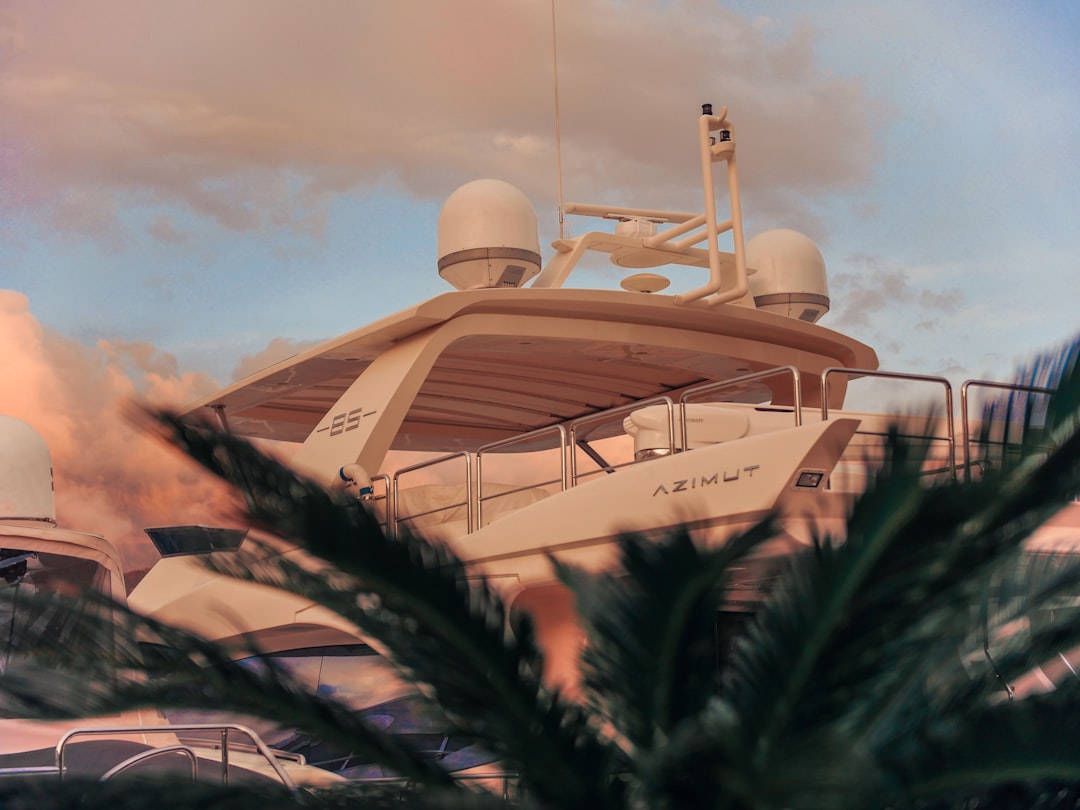
When we look at how Palma is positioning itself for the next decade, it’s clear that we’re seeing a radical shift from being just a convenient stopover to becoming the world’s most advanced laboratory for sustainable maritime logistics. I’m genuinely impressed by the integration of a proprietary blockchain-based ledger for all port services, which essentially creates a permanent, tamper-proof digital history for every vessel; it’s a total game-changer for insurance and resale valuations that I haven’t seen elsewhere. By deploying a swarm of autonomous underwater robots that monitor the health of Posidonia meadows in real-time, the facility is moving far beyond passive conservation into active, data-driven stewardship of the seabed. It’s this kind of technical foresight—like using a digital twin to stress-test the harbor against extreme weather before it even happens—that really cements Palma’s status as a leader rather than a follower.
But let’s talk about the hardware, because the sheer power density they’ve managed to pack into these docks is staggering. With the installation of 500-kilowatt DC fast-charging stations, they’re finally giving electric-propulsion superyachts the infrastructure they need to actually function without compromise, which is a massive leap over the slow-charging setups at older ports. I also love the idea of the high-speed, automated umbilical systems that handle water, power, and data in one go; cutting down a connection procedure from hours to mere minutes isn't just a convenience, it’s a standard of efficiency that I think will define the next generation of yachting. And frankly, treating the promenades with a photo-catalytic mineral compound that scrubs NOx gases out of the air is the kind of industrial-scale environmental engineering that makes you realize just how outdated most other marinas have become.
Maybe the most thoughtful detail, though, is how they’re looking after the crew, who are often the most overlooked part of the luxury equation. By building climate-controlled lounges with circadian lighting to combat jet lag, the port is acknowledging the human cost of long-range travel in a way that’s actually empathetic. It’s also fascinating to see them turning waste into a resource, specifically by capturing heat from the high-voltage transformers to warm the crew facilities during the winter months. When you combine that with the hydrogen-refueling test beds and 3D-printed artificial reefs designed specifically for the local grouper population, you get a clear picture of a destination that is betting its future on a hybrid of high-tech efficiency and genuine ecological health. To me, this isn't just a marina upgrade; it’s a blueprint for how a historic port can remain relevant while the rest of the world is still playing catch-up.
Research Methodology & Editorial Standards
We begin by defining the specific objectives the reader needs to accomplish. Primary product documentation and authoritative secondary sources inform every guide before drafting begins.
Figures and rules are checked against the sources available at the time of publication. Travel pricing changes constantly — always confirm current fares, rates, and terms with the provider before booking.