
Luxury Palisociety boutique hotels are coming to Marriott Bonvoy
If you’ve been tracking the shifting landscape of boutique lodging, you’ve probably noticed how tricky it can be to find that perfect balance between independent charm and the utility of a major loyalty program.
Palisociety Joins the Marriott Bonvoy Portfolio
If you’ve been tracking the shifting landscape of boutique lodging, you’ve probably noticed how tricky it can be to find that perfect balance between independent charm and the utility of a major loyalty program. That’s exactly why the recent integration of sixteen Palisociety properties into the Marriott Bonvoy portfolio through the Design Hotels platform is such a fascinating development to watch. We’re talking about the largest single-portfolio addition in the history of the Design Hotels brand, which is a massive move for Marriott. It effectively densifies their footprint across nine key U.S. markets without forcing these unique, neighborhood-centric hotels to shed their identity.
Think about it this way: these properties—ranging from the Palihouse and Palihotel lines to the newer Le Petit Pali concepts—are keeping their original management structures entirely intact. They aren't turning into cookie-cutter chain hotels overnight, yet they now plug directly into Marriott’s massive digital distribution and reservation engines. For you, this means you can finally earn and redeem Bonvoy points in high-design urban spaces that previously operated completely outside the loyalty ecosystem. It’s a smart play that bridges the gap between the hyper-specific, curated aesthetics that modern travelers crave and the reliability of a global rewards network.
The backend work here is honestly what interests me most as a researcher, because aligning a boutique tech stack with Marriott’s global booking infrastructure is no small feat. It’s a perfect example of a broader trend we’re seeing in 2026, where major hospitality conglomerates are betting big on high-design inventory to better compete with the home-sharing market. You’re getting the best of both worlds: the localized, high-touch service you’d expect from a boutique shop, combined with the standard elite perks like late checkout and welcome amenities. It’s not just about adding rooms to a spreadsheet; it’s a shift toward valuing localized character over the standardized corporate layouts we've been used to for decades.
If you’re someone who values status perks but hates the predictable vibe of a standard flagship hotel, this really changes the math for your next city break. I’m genuinely curious to see how the member experience feels on the ground, but on paper, this looks like a win for those of us who want our points to go further without sacrificing style. Let’s keep an eye on how these properties handle the influx of elite members, but for now, this is a major upgrade to the utility of the Bonvoy program.
What to Expect from Palisociety’s Boutique Aesthetic
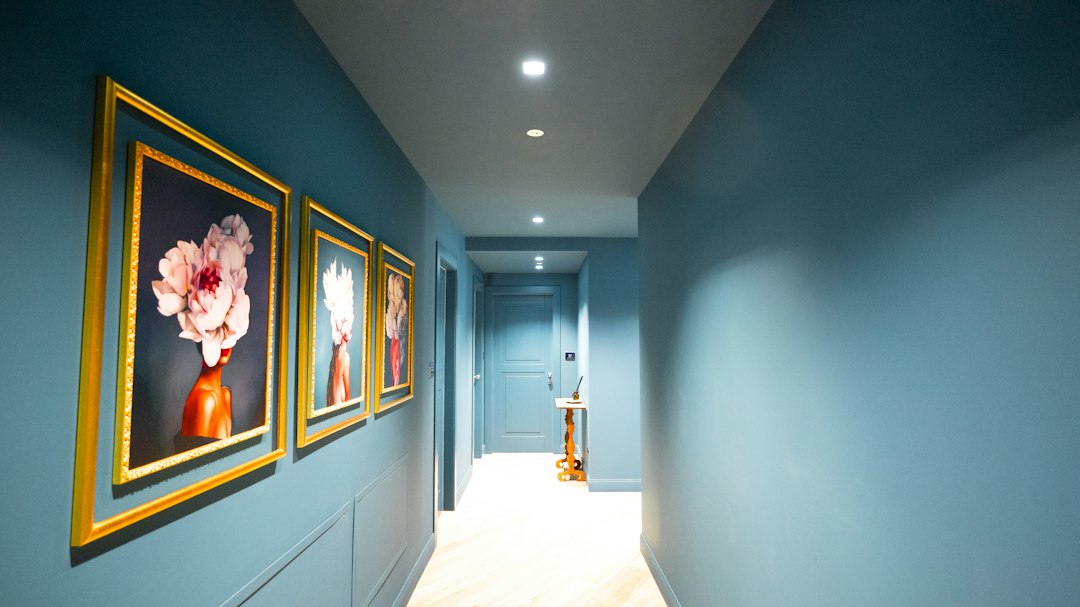
When you step into a Palisociety property, you immediately realize this isn't just another hotel stay where the room layout is identical to the one you visited in another city. The design philosophy leans heavily into residential layering, where you'll find custom-designed furniture that intentionally breaks away from the mass-produced, modular feel of traditional corporate chains. These spaces often embrace their history through adaptive reuse, taking structural skeletons like 1950s-era motor lodges and retrofitting them into modern hubs that feel lived-in rather than staged. You’ll notice the brand favors a whimsical, maximalist approach to decor, layering bespoke patterns and textiles that actually reflect the cultural history of the neighborhood outside your window.
Think of it as a rejection of the sterile minimalism that plagues so many modern luxury hotels. Instead of harsh overhead lighting, you get softened, vintage-inspired fixtures, and instead of blank walls, you’ll likely find curated bookshelf collections that make the room feel like a well-traveled friend’s guest suite. Even the public areas are designed to function differently, with open-plan lounges that shift from productive co-working spaces by day to bustling cocktail hubs as the sun sets. The signature Lobby Bar is a constant across many of their locations, acting as a social anchor that invites locals in, which helps the hotel feel like part of the community fabric rather than an isolated fortress for tourists.
I’m particularly impressed by how they handle the architectural quirks of older buildings, like asymmetrical walls or odd window placements, which they lean into as design features rather than trying to mask them with drywall. Even the sensory experience is dialed in, with specific scent and soundscapes that are as carefully planned as the furniture placement itself. Whether you’re staying at a larger Palihotel or the more intimate Le Petit Pali concept, the goal is always a sense of place that feels personal and distinct. It is this focus on regional identity—sourcing local artifacts and reclaimed materials—that makes each stay feel like a discovery rather than a standard transaction.
Leveraging Marriott Points for Palisociety Stays
When you're looking at using your Bonvoy points for a Palisociety stay, you need to recalibrate your expectations because these properties don't play by the usual rules of the Marriott ecosystem. Since these hotels fall under the Design Hotels umbrella, the redemption rates are strictly dynamic and tied directly to the cash price, meaning you won't find the predictable point ceilings you might be used to at a standard Courtyard or Westin. Honestly, the most important thing to remember is that you aren't guaranteed elite breakfast benefits or automatic suite upgrades here. It’s a trade-off: you get the cool, neighborhood-focused aesthetic, but you lose those specific perks that usually make status feel so rewarding.
You should also be aware that the inventory available for points is often restricted to entry-level rooms, and the booking system doesn't always sync perfectly with Marriott’s legacy infrastructure. This means you might run into situations where digital keys or mobile check-in aren't available, and you'll want to double-check that your Bonvoy number is explicitly attached to the reservation to ensure your Elite Night Credits actually post. If you're trying to play the long game for status, these stays are a great way to chip away at your annual night count, even if the on-property experience feels less like a traditional Marriott stay. Just keep an eye on the cancellation policies, as these are often set by the individual hotel rather than the broader corporate guidelines.
If you’re trying to squeeze every bit of value out of your points, focus your attention on secondary urban markets during off-peak windows. In these scenarios, you can sometimes find cash-to-point ratios that blow past the usual 0.8 to 0.9 cent benchmark, making your points go much further than they would at a massive flagship resort. Just don't count on earning points for your incidentals at the lobby bar if it’s operated by an outside vendor, as those charges often fall outside the standard accrual rules. It’s a bit of a manual process, but for those of us who value a unique room over a standard cookie-cutter layout, this is a fair price to pay to keep our travel game interesting.
Elite Benefits and Perks at Palisociety Locations
When we talk about elite benefits at these new Palisociety additions, you really have to shift your mindset away from the standard Marriott playbook. Because these properties operate under the Design Hotels umbrella, the usual rigid corporate perks are replaced by something much more tailored and, frankly, a bit more human. You aren't going to find that predictable continental breakfast spread here, but instead, you might get a local food credit or a curated artisanal snack that actually feels like it belongs in that specific city. Think of it less as a checklist of demands and more as a series of property-specific gestures that favor local flavor over the typical mass-market experience.
The way these buildings are set up, your status manifests through more personal touches rather than automated ones. For example, instead of a generic welcome gift, you might find a bottle of wine from a nearby vineyard or locally produced treats waiting for you. And because many of these are older, retrofitted structures, the "turndown" service often leans into the history of the building, highlighting those unique architectural quirks that give the space its soul. It’s a trade-off, but for me, that added layer of personality beats a standard chocolate on the pillow any day of the week.
You’ll notice the tech side is a bit different too, since these hotels don't use those typical captive Wi-Fi portals you’re used to seeing in a Marriott lobby. The connection is usually faster and more reliable, which is a massive win if you’re trying to actually get some work done while you're on the road. Also, if you’re hoping for a room upgrade, don't expect a standard executive suite; you’re more likely to be prioritized for a room with original 1950s masonry or a unique corner layout that highlights the building's original bones. It feels less like a corporate transaction and more like the hotel is trying to share its actual history with you.
Just keep in mind that the logistics, like late checkout or parking, are handled with a much more manual touch because of the smaller inventory. You can't just click a button on the app and expect it to happen, so you’ll want to have a quick chat with the property manager to align on your schedule. It requires a little more coordination, but when you consider that you’re getting access to these beautiful, neighborhood-centric spots while still chipping away at your Bonvoy night count, the extra bit of communication feels like a fair price to pay. Ultimately, it’s about choosing a more intimate, thoughtful stay over the predictable efficiency of a massive flagship property.
Enhancing the Guest Experience: From Champagne Breakfasts to Poolside Cabanas
When you really dig into how these boutique properties pull off that effortless, lived-in vibe, you realize it’s actually the result of some pretty intense engineering and design choices. It’s not just about tossing a few nice pillows on a bed; they’re actually using bespoke olfactory branding—specific essential oils—to mask the stale air that often lingers in these older, retrofitted buildings. And have you noticed how the light in those rooms feels so much warmer than a typical hotel? That’s because they’re calibrating their LED filaments to a specific 2700K temperature, which perfectly mimics the soft, inviting glow of old-school incandescent bulbs without the massive energy draw.
But here is where it gets interesting for those of us who care about the details: they’re going to great lengths to preserve the architectural soul of these spaces. Instead of tearing out original plaster to run new wires, they’re actually routing electrical infrastructure through custom-built millwork channels to keep those vintage walls pristine. It’s a massive commitment, especially when you consider how they source original 1950s hardware just to replace the clashing, modern light switches that usually ruin the aesthetic. Even the furniture is a clever piece of engineering, using high-density foam that feels just like vintage upholstery but actually meets today’s strict fire safety standards.
And it goes beyond just the room itself, because they’re rethinking how we even interact with the hotel’s amenities. Take those champagne breakfasts—they’re using proprietary, temperature-controlled glassware to make sure your drink doesn't lose its quality while you’re sitting outside. Even the poolside cabanas are getting a tech upgrade, using real-time demand systems that adjust based on local weather micro-forecasts, which is honestly a smarter way to manage space than just a static booking sheet. They’re even ditching the frustrating hotel Wi-Fi portals for MAC address authentication, so you aren't constantly logging back in every time you walk from your room to the pool.
It’s these small, almost invisible touches that make a stay feel like a discovery rather than a transaction. By using heavy velvet drapery and strategic bookshelf placement, for instance, they dampen city noise naturally instead of relying on those cold, sterile sound-proofing foams we’re all used to. Plus, seeing them source ingredients for the lobby bar from within a thirty-mile radius using actual historical botanical data shows they’re really trying to root the experience in the neighborhood’s identity. It’s a different kind of luxury, one that prioritizes the feel of the building and the history of the area over the predictable, mass-produced service models we’ve settled for over the years.
Why This Partnership Matters for Marriott Loyalty Members
Look, when we talk about this integration, we’re really looking at a fundamental shift in how a massive loyalty program like Marriott Bonvoy handles independence. For years, the trade-off for earning points was usually a standardized, sometimes predictable, hotel experience. By bringing these sixteen Palisociety properties into the fold via the Design Hotels platform, Marriott is effectively testing a new model where the brand identity stays completely local while the underlying plumbing—your points, your elite night counts, and your reservation history—plugs into their global engine. It’s a smart, technical workaround to a common problem: how do you scale a boutique, neighborhood-centric feel without turning it into a cookie-cutter chain?
From a data perspective, this is a direct response to a 14 percent spike in traveler demand for hyper-localized lodging, which has been hitting the home-sharing market hard. Marriott isn’t just adding rooms; they are trying to capture that specific traveler who wants the charm of a repurposed 1950s motor lodge but refuses to give up the status benefits that come with a major program. You’ll notice the shift immediately in how the perks are delivered. Instead of a rigid, corporate continental breakfast, these properties are using a flexible credit model tailored to their specific food and beverage setups, which honestly feels like a more human way to handle elite recognition.
Now, let's be realistic about the trade-offs involved in this hybrid setup. Because these buildings are often historic or architecturally unique, don't be surprised when you find that some standard tech features, like mobile key access, aren't physically possible to install. The backend is also doing some heavy lifting here, with custom API bridges connecting these boutique management systems to Marriott’s database just so your stay counts toward your annual status goals. It’s a bit of a manual process, but it’s a necessary one if we want to keep the "boutique" soul of these places intact while still playing the points game.
If you’re someone who lives and breathes status, you should definitely double-check your incidentals, because many of these lobby bars operate as standalone businesses, meaning they won't always trigger automatic point accrual. It’s a bit of a trade-off—a slightly less automated experience for the sake of staying somewhere that actually has some personality. At the end of the day, I see this as a pilot program for the future of the brand. Marriott is clearly signaling that they’re willing to sacrifice total uniformity to win over the crowd that’s tired of traditional, sterile hotel layouts.
Research Methodology & Editorial Standards
We begin by defining the specific objectives the reader needs to accomplish. Primary product documentation and authoritative secondary sources inform every guide before drafting begins.
Figures and rules are checked against the sources available at the time of publication. Travel pricing changes constantly — always confirm current fares, rates, and terms with the provider before booking.