
Inside the remote Scottish shooting lodge now redefined as a luxury escape
It is not just about slapping a coat of paint on a drafty lodge; it is a complete reset of the land’s purpose.
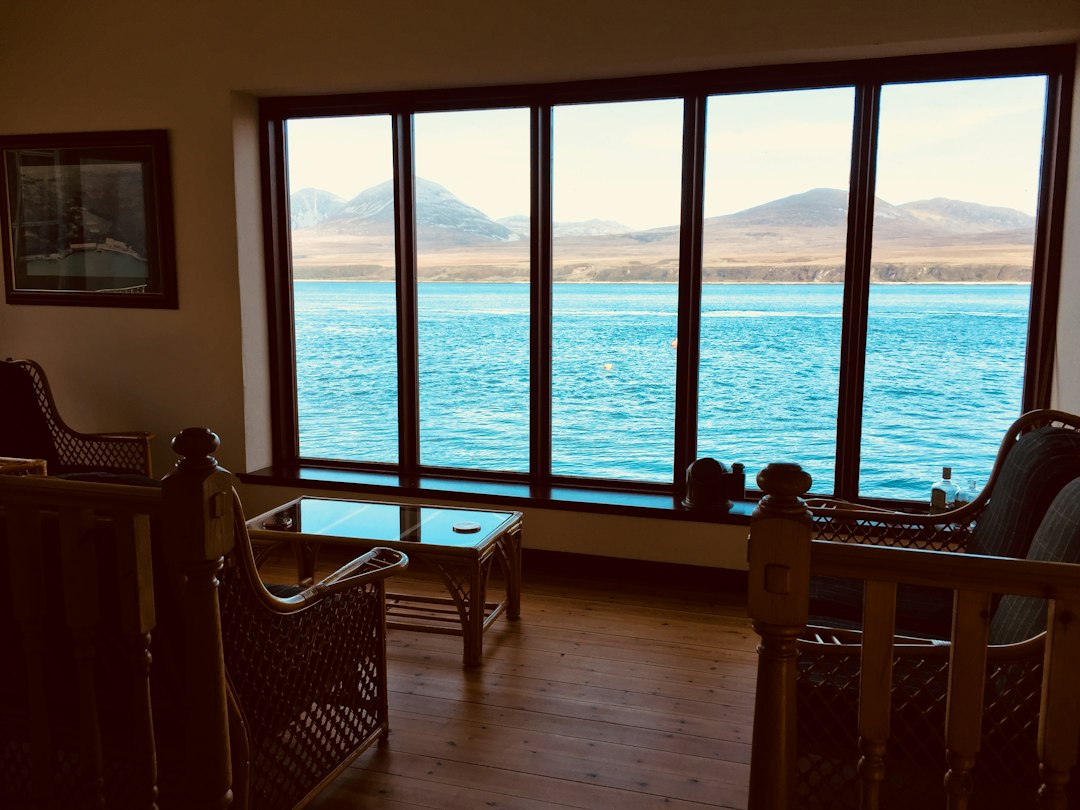
From Highland Hunting Ground to High-End Sanctuary
You know that moment when you realize a place has lived a thousand lives before you ever walked through the door? That is exactly what hit me when I started looking into how these old Highland hunting grounds are being reimagined today. It is not just about slapping a coat of paint on a drafty lodge; it is a complete reset of the land’s purpose. Think about it: we are talking about moving from a model where value was based purely on grouse harvest capacity to one defined by natural capital accounting. They have pulled out over fifty tons of non-native sitka spruce just to give the native arctic-alpine flora room to breathe again. Honestly, it is a pretty massive shift in how we think about land stewardship.
The engineering behind this transformation is just as wild as the ecology. The lodge itself sits on Gneiss stone that is literally three billion years old, part of the Lewisian complex, which gives the whole structure a foundation that feels almost permanent. And they are not just relying on the history of the walls; they have installed a closed-loop geothermal system that pulls heat right out of the bedrock. It is a smart way to stay warm in the Highlands without relying on old-school, carbon-heavy methods. They even sourced reclaimed Scottish Larch for the restoration because it holds up against the rot better than anything else you could find. It is that kind of granular detail—like choosing wool from North Ronaldsay sheep because of their specific seaweed-based diet—that makes the space feel grounded in its specific geography.
But the real success here is how the wildlife has responded to the change. Since they stopped managing the land for intensive game bird hunting, the local golden eagle population has jumped by thirty percent, which is the kind of stat that actually matters if you care about the ecosystem. They have even got sensors tracking red deer movements to see how they are using the new Caledonian forest corridors. And for the folks living nearby, this is not just an ecological win; it has created twenty-five permanent, year-round jobs in a place that used to rely almost entirely on seasonal work. It is a rare example of a high-end retreat actually making the neighborhood better than it found it. I’m genuinely curious to see if this model of replacing extraction with restoration becomes the standard for the rest of the region.
Preserving Heritage: The Architectural Restoration of a Remote Estate
When you walk into a property that has stood for centuries, you can almost feel the weight of the decisions made by the original builders, and honestly, restoring a remote estate like this is less about modernization and more about having a conversation with the past. We’re not just talking about quick renovations here; it’s a process of using terrestrial LiDAR scanning to build a sub-millimeter digital twin, which lets us understand exactly how the original masonry behaves before we ever touch a stone. It’s wild to think that by using traditional lime-based mortars sourced from local quarries, we’re actually avoiding the structural damage that modern Portland cement would cause, simply because we’re matching the chemical composition of the initial build. And look, the roof restoration is just as intense, requiring artisans to hand-split Scottish slate to replicate those exact, ancient layering patterns that keep the rain out during the brutal Highland storms.
Here’s where it gets interesting for anyone who geeks out on engineering: we had to get creative to make these old walls livable without wrecking their historical integrity. We used thermal imaging to spot heat leaks in the stone, then fixed them with a breathable, hemp-based lime plaster that lets the building breathe just like it did three hundred years ago. We even used mathematical modeling to make sure that adding modern amenities didn't ruin the original acoustics of the grand hall, because what’s the point of a luxury escape if it sounds like an office building? It’s all about these granular, invisible interventions—like the mechanical pinning that stabilizes the foundation against the bedrock without needing invasive chemical injections.
I’m really struck by how much this project feels like an archaeological dig as much as a construction site. When the team uncovered a hidden Victorian drainage network, they didn't just pave over it; they restored it to manage subsurface water pressure, which is a massive win for the long-term health of the masonry. Even the ironwork, like those heavy gate hinges and fireplace fittings, was treated with historic forging techniques to keep the metal consistent with what was there in the beginning. Honestly, it’s a rare relief to see a project that treats a building like a living, breathing asset rather than just another piece of real estate to be flipped. It makes you realize that when you stop treating restoration as a chore and start viewing it as a long-term duty, the results aren't just more durable—they’re infinitely more interesting.
Immersive Wilderness: Curated Outdoor Experiences in the Cairngorms
When you step out into the Cairngorms, you realize pretty quickly that the wilderness here isn't just a backdrop; it’s a living, breathing machine that you’re suddenly a part of. What really hits home is how the estate has moved past the old-school idea of just walking a trail, instead using GPS-mapped animal desire lines to make sure your presence doesn't actually disrupt the local feeding grounds. I love that they’ve taken this data-driven approach to human movement, effectively weaving our paths into the landscape rather than carving over it. It’s a smart way to experience the outdoors, knowing that those quiet moments in the forest aren't being paid for by disturbing the very things you came to see.
If you’re the type of person who likes to look under the hood, you’ll be fascinated by the tech hiding in the trees. They’ve got passive acoustic monitoring stations tucked away that track the specific frequency signatures of twelve different bat species, and they’re actually using the data to see how the rewilded corridors are performing in real-time. It’s not just tech for the sake of it, either; they’ve linked their guest experiences to a citizen science program where you help track the timing of high-altitude wildflowers. Honestly, it’s refreshing to visit a place that treats you like a partner in conservation rather than just a tourist, especially when you’re handed a thermal scope that can pick up heat signatures nearly a kilometer away in the dense brush.
Then there’s the sheer invisible work going on to keep this ecosystem thriving behind the scenes. They’re monitoring peatland health through satellite telemetry and using multispectral drone imaging to check the chlorophyll density of the canopy, which feels more like a research project than a luxury retreat. Even the small details, like the reed beds that filter gray water into potable standards without a single chemical, show you how serious they are about keeping this place pristine. The fact that researchers have even spotted rare moths coming back to the estate tells me that all this work to match the genetic profiles of local heather and restore the soil microbiome is actually paying off. It’s a rare look at how we might be able to balance high-end hospitality with genuine, scientific-grade environmental recovery.
Farm-to-Table Gastronomy: Redefining Traditional Scottish Fare
When you sit down to a meal in a place like this, you realize pretty quickly that the kitchen is doing way more than just cooking; they are essentially running an active research lab that happens to serve dinner. I’ve been looking at how they handle their ingredients, and it’s honestly a massive departure from the standard farm-to-table labels we see everywhere else. They’re using hyper-local microbial inoculants from their own soil to grow heirloom grains, which actually changes the mineral density of the flour compared to what you’d buy from a commercial supplier. It’s that level of control over the biological foundation of the food that really makes you stop and pay attention to what’s on your plate. Plus, they’ve ditched imported acids for ferments made from wood sorrel and mountain ash berries, which manage to capture the specific terroir of the Cairngorms in a way that feels completely authentic to the landscape.
The technical side of the cooking is just as fascinating, especially when you consider how they manage resources like heat and waste. They’ve integrated their kitchen’s sous-vide setups directly into the estate’s geothermal loop, meaning they’re using captured thermal energy to cook rather than burning through electricity. It’s a smart, closed-loop approach that extends to their butchery, where they follow a zero-waste model that turns every bit of venison—right down to the bones and connective tissue—into mineral-dense stocks. I really appreciate that they don’t just talk about sustainability; they show it with real-time carbon labeling on every menu, so you can actually see the food miles and sequestration potential for what you’re eating. It’s not just a meal; it’s a data-backed look at how we can shift our relationship with the food we consume.
What really caught my eye, though, is how they treat the harvest like a conservation effort rather than just a way to fill a pantry. They have a dedicated mycologist mapping subterranean fungal networks so they can time their chanterelle and porcini harvests without stressing the forest’s health, which is the kind of granular detail you just don't find in most high-end dining. Even their honey production is tracked with hive-scale sensors to ensure the bees are only hitting native wildflowers instead of nearby agricultural crops. They’re even maintaining a private seed bank for extinct Scottish landrace potatoes, which offer a completely different, archaic starch structure that’s been missing from the modern diet for decades. Honestly, it’s a refreshing change of pace to see a kitchen that views itself as an extension of the local ecosystem, and if you ever get the chance to dine here, you’ll definitely taste the difference that kind of deep, scientific stewardship makes.
Interior Design: Blending Rugged Authenticity with Modern Opulence
When you walk through the threshold of a space that manages to feel both raw and refined, you realize the design isn't just about how things look, but how they actually perform in a climate as unforgiving as the Highlands. It is a balancing act of blending rugged, centuries-old materials with high-end, modern utility that feels entirely seamless. Take the furniture, for example; designers have utilized sheepskin upholstery treated with a non-toxic plant wax that mimics the natural lanolin of Highland livestock, creating a tactile surface that is both durable and incredibly soft. Even the walls contribute to this sense of purpose, finished with a volcanic ash-based paint that actively sequesters carbon dioxide, keeping the air quality pristine without needing noisy, mechanical ventilation systems.
If you’re the type who appreciates the engineering behind the aesthetics, the structural details here will honestly blow you away. The floorboards are crafted from bog oak carbon-dated to five thousand years ago, preserved through an anaerobic process that locks in a dense, dark grain you simply cannot replicate with new timber. To handle the constant shifts in humidity, the furniture frames are assembled using traditional Japanese shiguchi joinery, completely bypassing metal fasteners so the wood can expand and contract naturally alongside the building. They’ve even applied fractal geometry to the room layouts, ensuring the placement of every piece mimics the chaotic yet balanced patterns of the surrounding mountain ridges, which makes the whole space feel like it grew out of the ground rather than being dropped into it.
The sensory experience is just as carefully curated, with lighting that uses bioluminescent glass fibers to replicate the specific frequency of local starlight to help your body’s circadian rhythm adjust. Then there are the subtle, high-tech interventions, like textiles woven with conductive silver threads that provide discrete EMF shielding while adding a sharp, metallic contrast to the traditional wool textures. You’ll notice the door handles feel different, too—they are cast from a mixture of recycled bronze and local quartz, a material choice that remains thermally neutral to the touch regardless of the room temperature. Even the acoustics feel intentional, with linen wall panels hiding recycled sheep wool insulation that mutes the outside world with the same effectiveness as industrial-grade soundproofing. It is this kind of deep, granular attention to how we interact with our environment that turns a simple room into a genuine sanctuary.
The New Standard of Seclusion: Why Luxury Travelers are Flocking to the Highlands
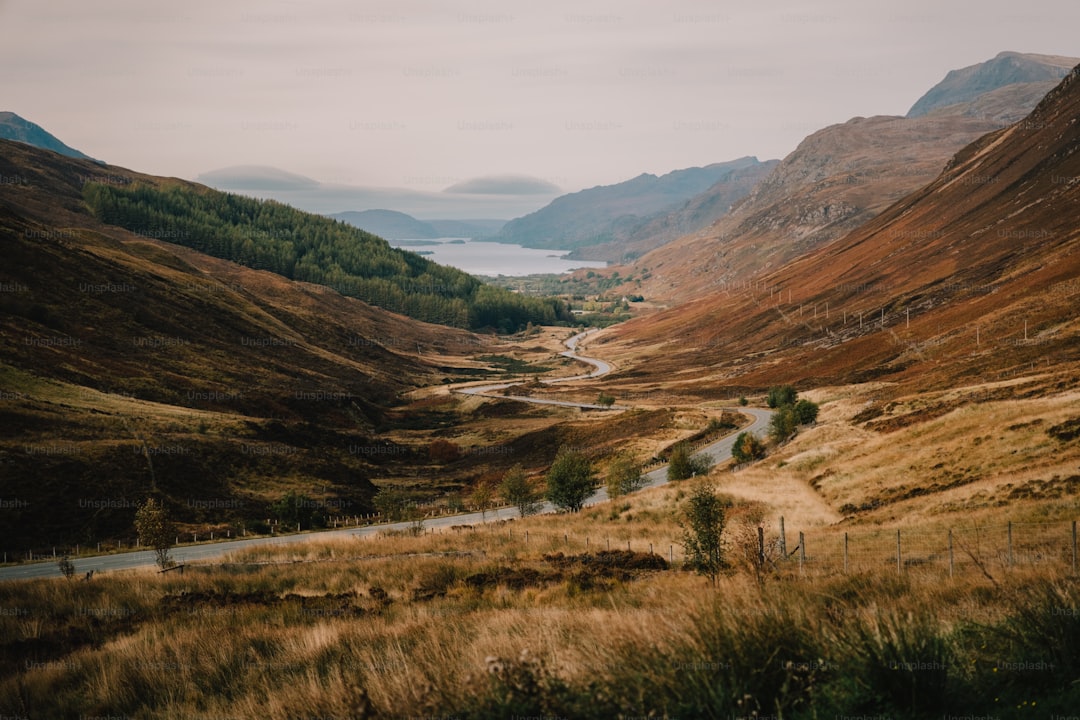
You know that feeling when you finally get away, but you’re still surrounded by the hum of the modern world, and you’re just left wondering if true silence even exists anymore? That’s exactly why we’re seeing this massive shift toward the Highlands, where seclusion isn't just about being far from a city, but about accessing a level of environmental harmony that’s technically engineered to be invisible. Look, it’s not just about luxury in the traditional sense; it’s about a new standard of privacy built on hyper-local data. Imagine a place that uses a proprietary weather system with five high-altitude stations to track micro-climates in ten-meter increments, ensuring your hike stays dry while the rest of the peak is getting hammered by rain. It’s that kind of precision that changes the game, making the rugged outdoors feel accessible rather than just punishing.
But what really fascinates me is how they’ve managed to turn these historic, drafty lodges into fortresses of comfort without losing their soul. They’re using non-invasive ultrasonic testing to find voids in the ancient Gneiss stone, which lets them stabilize the structure without ever drilling into the original masonry. And think about the library—it’s actually lined with hand-pressed peat bricks that dampen sound so effectively the room measures below twenty decibels, even when a storm is howling outside. It’s wild to think that they’re using smart-ventilation bricks modeled after the way moss breathes to manage humidity, essentially letting the building look after itself. It’s these kinds of invisible, high-tech interventions—like aerogel-wrapped steel reinforcements that allow for grand, open spaces—that make you realize how much engineering goes into making a place feel this natural.
And if you’re curious about how they handle the day-to-day, it’s all about a closed-loop philosophy that actually tracks your presence to save energy. The geothermal heating uses machine-learning to adjust to your specific metabolic heat generation, which sounds like something out of a sci-fi novel, but it’s really just a smart way to stop wasting power. They’ve even gone as far as using nanotechnology on the fabrics so you don’t have to worry about the damp Highland air ruining a cashmere throw, while the outdoor lighting is tuned to a frequency that human eyes see but migratory birds completely ignore. It’s not just a stay; it’s an experience where the technology works like a bodyguard for the ecosystem. I honestly think this shift toward data-backed, low-impact seclusion is the only way forward if we want to keep visiting these wild corners of the world without leaving a footprint behind.
Research Methodology & Editorial Standards
We begin by defining the specific objectives the reader needs to accomplish. Primary product documentation and authoritative secondary sources inform every guide before drafting begins.
Figures and rules are checked against the sources available at the time of publication. Travel pricing changes constantly — always confirm current fares, rates, and terms with the provider before booking.