
How to Stay Safe From Wildlife Attacks During Your National Park Hikes
Wildlife, particularly large ungulates like moose and elk, are most active during those crepuscular dawn and dusk hours, so that’s when your situational awareness needs to be at its absolute peak.
Essential Gear: Why Carrying Bear Spray Is Your Best Defense
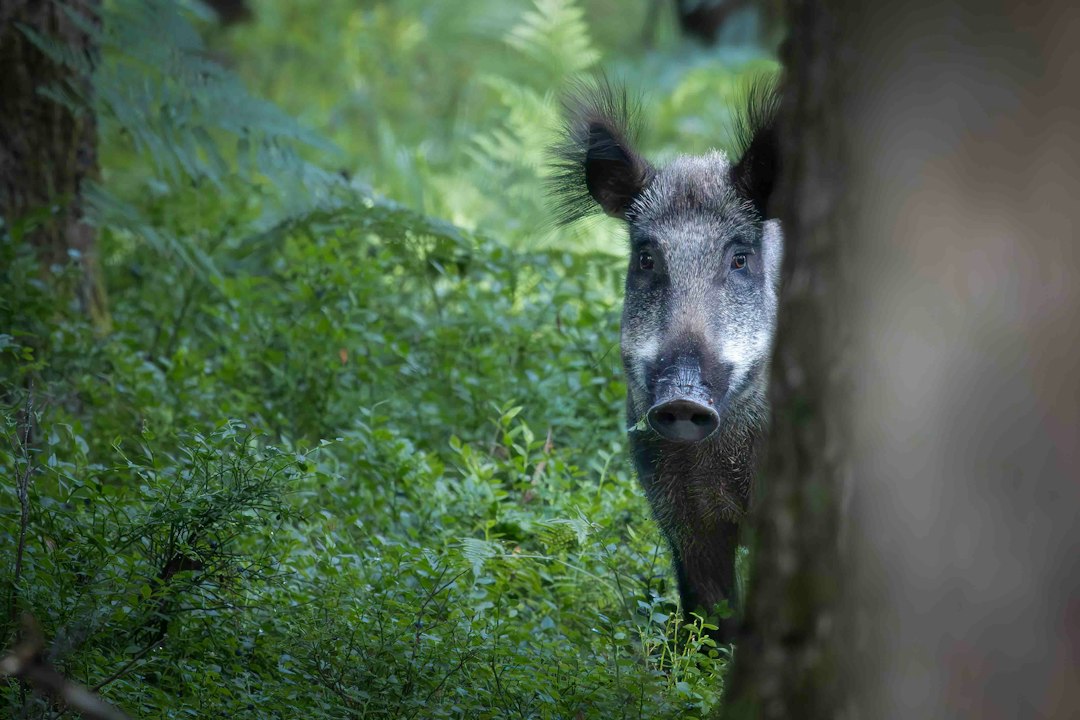
If you’re heading into bear country, the most important piece of gear you’ll carry isn’t your expensive camera or those fancy trekking poles—it’s the canister of bear spray clipped to your chest. I’ve seen enough debates online about firearms versus spray, but when you look at the actual data, the choice becomes pretty clear. Pepper spray, which relies on capsaicin to cause immediate, intense inflammation in a bear’s eyes and lungs, is statistically more effective at stopping an attack than a gun. Think about it: when a grizzly is charging, your heart rate is redlining and your fine motor skills are basically non-existent. A firearm requires perfect shot placement under extreme pressure, whereas bear spray creates a massive, expanding cloud that’s much harder to miss with.
Here’s what I mean by that: you’re dealing with a deterrent that covers a radius of about 20 to 30 feet, which is exactly the zone you need to manage when things go sideways. Because the effective window is so short—usually only 6 to 10 seconds of discharge—you have to keep that canister somewhere you can grab it in a split second. If it’s buried at the bottom of your pack, it’s just dead weight. I always recommend using a dedicated chest or belt holster so you aren't fumbling around when every millisecond counts. It’s also worth noting that these canisters lose pressure over time, so check your expiration date and swap it out every few years, even if it feels full.
And please, don't just buy it and throw it in your gear bag thinking you're set. You really need to grab an inert practice canister and spend twenty minutes in your backyard getting the muscle memory down. You want to reach, draw, and release without even thinking about it, especially since you’ll need to account for wind and keep your cool enough to spray in short, controlled bursts. It’s not just about the gear; it’s about having a plan that doesn't rely on perfect aim or steady nerves. If you're wondering if it's overkill, just look at the trends in places like Japan, where hikers are increasingly choosing spray over firearms because it simply works better at de-escalating encounters without needing to resort to lethal force. Stay prepared, keep it accessible, and you'll have a much better shot at ending a scary encounter safely.
Trail Awareness: How to Spot Wildlife Before They Spot You
You know, there is this persistent myth that the wilderness is just a static backdrop for our adventures, but the reality is that the woods are constantly moving around us, often in ways we just aren't conditioned to notice. If you really want to stay safe, you have to shift your mindset from being a passive observer to an active participant in your own environment. Wildlife, particularly large ungulates like moose and elk, are most active during those crepuscular dawn and dusk hours, so that’s when your situational awareness needs to be at its absolute peak. I’ve found that most people focus too much on looking straight ahead, but you’re far better off practicing intentional peripheral vision to catch the subtle flick of an ear or a shifting shadow that would otherwise go unnoticed.
Predators often treat our established hiking trails as convenient travel corridors, meaning you’re actually more likely to cross paths with them on a well-trodden path than you might think. It’s not just about looking for the animals themselves; you have to become a bit of a detective by scanning for fresh scat, disturbed vegetation, or tracks that signal someone was here mere minutes before you. And honestly, listen to the birds. When the forest suddenly goes quiet or you hear those frantic, high-pitched alarm calls, that’s your cue that a predator is likely close by and likely already watching you.
When you’re moving through rocky terrain or tall grass, you have to treat every blind spot like a potential hazard, especially when it comes to snakes. Never place a hand or foot where you can’t see the ground clearly, as those are high-risk zones where animals often seek shade or cover. Also, keep in mind that water sources are natural hubs for biodiversity, which naturally elevates your odds of a surprise encounter; approach them slowly and scan the perimeter before you get too close. It’s all about working with the rhythm of the seasons, too, because knowing if it’s mating or calving season tells you exactly how much extra space you need to give the wildlife you encounter. If you keep your head on a swivel and respect those boundaries, you’ll find that you can share the trail without ever needing to find out just how close is too close.
Situational Strategy: What to Do If You Encounter a Grizzly
Look, there’s no way to sugarcoat it: coming face-to-face with a grizzly is one of those moments where your brain wants to panic, but your survival depends on doing the exact opposite. First off, you need to understand that these bears can hit speeds of 35 miles per hour, which means if you decide to turn and run, you’ve essentially triggered their predatory chase instinct. It’s a massive mistake that’s been made by far too many hikers. Instead, stay calm and back away slowly while keeping your eyes on the bear without ever locking into a direct, challenging stare. Think of it as de-escalation; you’re telling the animal you aren’t a threat, just a visitor moving through their living room.
If that bear decides to close the distance, it’s vital to recognize the difference between a bluff charge and the real thing. A bluff charge often involves huffing, swatting the ground, and a sudden stop or veer, which is the bear’s way of asserting dominance or testing your nerve. But if the charge turns into a full-on physical encounter, your strategy has to pivot instantly to a defensive posture. Drop to the ground, interlock your fingers behind your neck to protect your spine, and spread your legs wide to make it harder for the bear to flip you over. You want to be a rock, not a toy.
And if you’re hiking with friends, don't scatter. Clustering together makes you look like one massive, formidable object rather than a collection of scattered snacks, which can actually make a bear think twice. Now, I know the old advice is to climb a tree, but please, forget that entirely; grizzlies are surprisingly capable climbers and you’ll just end up cornered in the branches. The only time you shouldn’t play dead is if the bear is actively stalking you or if the attack persists after you’ve gone down. In that rare, terrifying scenario, you stop being the prey and start fighting back with everything you have, aiming specifically for the nose and eyes. It’s grim, but it’s the reality of the backcountry, and having this mental roadmap is what helps you keep your head when it matters most.
Group Hiking: Safety in Numbers and Minimizing Your Risk
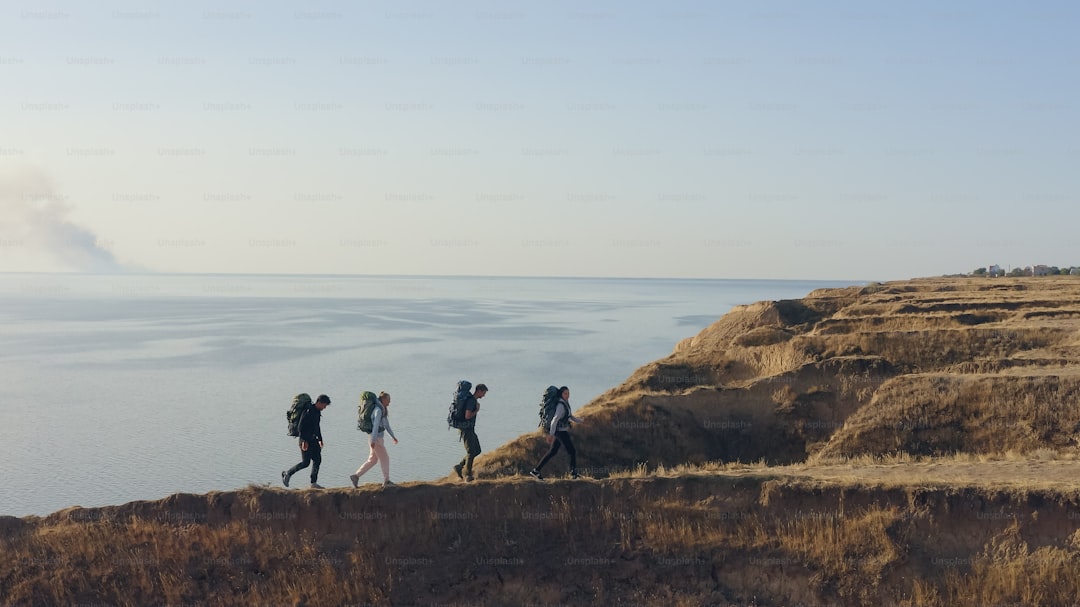
Let’s pause for a moment and reflect on the reality of being out there alone versus walking with a crew. I’ve found that the simple act of hiking with others changes the entire biological equation of your safety, and it’s honestly one of the most effective tools we have. When you’re trekking in a group, you’re naturally emitting more non-biological noise, which acts as a powerful acoustic deterrent that signals your presence to wildlife long before you even catch a glimpse of them. Most predators are hardwired to avoid encounters, and the collective, rhythmic footsteps of three or more people just don't fit their typical prey model. Think about it: your combined field of vision allows you to scan the periphery much more efficiently, increasing your odds of spotting a hidden animal by an order of magnitude compared to when you’re walking solo.
And here’s the thing about the sensory side of all this: your group is putting out a much more complex scent profile that can actually confuse or overwhelm the sensitive olfactory systems of predators like bears and mountain lions. When you keep your group in a tight formation, you’re presenting a single, larger, and more intimidating silhouette that many animals are naturally programmed to steer clear of. I always suggest keeping that spacing within five to ten feet, because it ensures you’re functioning as one cohesive unit rather than a string of individuals who might look like easy, isolated targets. Plus, talking or singing to each other breaks the silence that predators rely on to stalk their prey, effectively shutting down the stealth advantage they usually count on to close the distance.
It’s also worth considering how this shifts your own mental game. When you’re hiking in a group, you’re splitting up the cognitive load of navigation and environmental scanning, which means you’re less likely to fall into the trap of tunnel vision. That social cohesion goes a long way in keeping everyone’s nerves steady; you’re far less likely to succumb to the panic response that can be so fatal in a confrontation, because you’ve got others there to help you hold the line. If things do go sideways and someone gets hurt, having that support system right there provides a critical safety net for immediate care that changes the outcome entirely. It’s not just about numbers; it’s about creating a psychological and physical barrier that makes you the last thing any predator wants to tangle with on the trail.
Proper Food Storage: Preventing Unwanted Wildlife Attractants
Look, we spend so much time worrying about the gear on our backs that we often overlook the invisible trail of scents we’re leaving behind, which is honestly the biggest rookie mistake you can make in bear country. You might think a sealed baggie is enough, but a bear’s sense of smell is roughly seven times more sensitive than a bloodhound’s, meaning they can catch the scent of a snack from over a mile away. Even trace residues like a tiny grease spot on your jacket or the scent of your minty toothpaste can act like a dinner bell for a hungry predator. It’s not just about the obvious food items, either; things like sunscreen, insect repellent, and pet food are packed with volatile organic compounds that are basically beacons to any nearby scavenger.
And here is where most people get it wrong: they think burying their scraps makes them invisible, but that’s just wishful thinking. Grizzly bears are incredibly adept at digging, and they can easily sniff out and unearth organic waste from several feet underground. Once an animal gets a taste of those high-calorie human rewards, they undergo a dangerous process called habituation, where they start associating hikers with food rather than avoiding us. This is why you’ve got to be clinical about your storage. Standard plastic coolers or thin nylon bags are useless against a creature with a bite force exceeding 1,200 pounds per square inch; they just aren't a physical barrier at all.
You really have to be intentional about where you set up your camp, too. Avoid those tempting spots right next to berry patches or riverbanks because those are essentially the grocery store aisles for local wildlife. If you’re at higher elevations, keep in mind that food odors can get trapped in stagnant air, creating a literal scent trail that leads straight to your tent. I always make sure to scrub my stove and pots until they pass the smell-test, and I make it a point to wash my dishes at least 200 feet away from where I’m sleeping. Whenever you’re in a managed park, skip the DIY hang and just use the provided bear lockers. They’re engineered to beat the specific mechanical ways bears try to break into things, and frankly, it’s the only way to be sure you aren't inviting an unwanted visitor to dinner.
Responding to an Attack: Life-Saving Tactics for Survival
When you find yourself staring down a wild animal, the difference between a close call and a true emergency usually comes down to how you handle those first few seconds. It’s easy to think about survival as just having the right gear, but honestly, it’s more about understanding the specific psychology behind why these animals react the way they do. I’ve spent a lot of time looking at how predators like bears and mountain lions assess us, and it turns out they’re often doing their own internal math before they decide to make a move. For instance, wildlife biologists have observed that many large carnivores will perform a non-contact approach just to see if you’re a threat or potential prey, which means your initial posture is everything. If you react with sudden, frantic movements, you might accidentally trigger their chase instinct, which is exactly what we want to avoid.
Think about it this way: your survival strategy actually needs to change based on the animal you’re facing. If a brown bear charges, we know that remaining in a prone position—and staying there long after it seems safe—is your best bet to avoid further aggression. But if you’re facing a black bear that’s acting predatory, playing dead is actually the worst thing you can do; you have to shift gears and fight back, specifically targeting the nose and muzzle. And don’t ditch your pack if you’re under attack; that gear is essentially personal armor that shields your vital organs from serious injury. It’s a bit of a grim thought, but having that physical barrier can buy you the precious seconds you need to reach for your deterrents or get to safety.
Also, try to keep in mind that how you look to an animal matters just as much as how you move. Carrying trekking poles, for example, can make you appear like a larger, more formidable creature to a curious predator, which might be enough to discourage an approach entirely. I always tell people to keep up a low-volume conversation with their hiking partners, not just to avoid startling something in the brush, but because it breaks up the silence predators use to stalk. If a predator does stop and lower its ears while looking at you, that’s your signal that it’s feeling high tension and weighing its options, so use that narrow window to slowly adjust your position without escalating things. Ultimately, staying safe isn't about being a hero; it’s about having a clear, calm mental roadmap that helps you react with precision when the pressure is at its absolute highest.
Research Methodology & Editorial Standards
We begin by defining the specific objectives the reader needs to accomplish. Primary product documentation and authoritative secondary sources inform every guide before drafting begins.
Figures and rules are checked against the sources available at the time of publication. Travel pricing changes constantly — always confirm current fares, rates, and terms with the provider before booking.