
How to stay cool on a delayed flight with this simple travel trick
Often, ground power is prioritized for flight deck instrumentation and lighting, which leaves the cabin ventilation running at a absolute minimum.
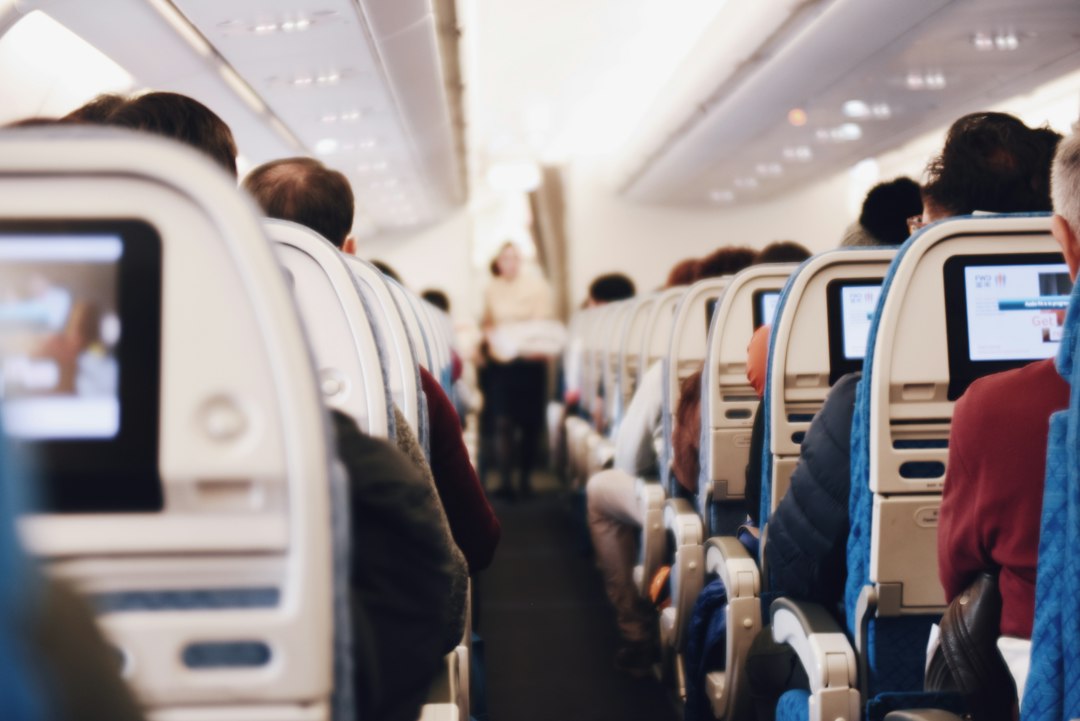
The viral genius hack that keeps you cool on stagnant planes
We’ve all been there, sitting on a grounded aircraft with the air conditioning failing and the cabin temp creeping up by the minute. It’s that specific, sticky kind of misery where you can feel the air getting thick and stagnant. If you're stuck in that metal tube, the secret isn't just wishing for a breeze; it’s about knowing how to hack your own biology. The most effective way to regulate your temperature is to target your pulse points, like your wrists and the sides of your neck, where blood vessels sit right under the skin. By pressing a chilled water bottle or a damp cloth against these spots, you're effectively cooling the blood as it circulates, which signals your brain to lower your core temperature far faster than just sitting there fanning yourself.
Think about it this way: your body is a radiator, and when the cabin humidity hits that sixty percent mark, sweat just stops evaporating, leaving you trapped in your own heat. I’ve found that if you can grab a damp paper towel from the galley, it becomes a literal lifesaver. Even if you don’t have a cold pack, simply creating that moisture on your skin lets you tap into evaporative cooling. If you’re lucky enough to have even the tiniest bit of airflow, waving a magazine over that damp skin drops your surface temp instantly. It sounds like a small detail, but when you’re dealing with solar radiation from a window seat—which can make interior surfaces twenty degrees hotter than the air—these micro-adjustments are the difference between staying calm or feeling completely overwhelmed.
Honestly, don’t ignore your feet, either. Your feet are packed with specialized blood vessels designed to dump heat, so kicking off your shoes and socks is one of the quickest ways to vent that excess warmth. I usually combine that with drinking ice water, which does the heavy lifting from the inside out by cooling the blood before it even gets back to your heart. And if you’re wearing polyester, try to shed those layers; synthetic fabrics just trap heat against your skin, whereas natural fibers like cotton actually let your body breathe. It’s all about managing that internal environment when the aircraft’s systems fall short. Next time you're sitting on a hot tarmac, just remember you have more control over your comfort than you think.
Why cabin temperatures spike during long tarmac delays
Let’s pause for a moment to really look at why that cabin feels like an oven the second the engines cut out on the tarmac. The core issue is that aircraft air conditioning relies on bleed air extracted directly from the engines, so once those are powered down, the entire system essentially loses its primary cooling source. Without the engines running, the plane has to rely on an Auxiliary Power Unit or external ground power, and honestly, both often lack the raw capacity needed to combat extreme heat. To make matters worse, the metal fuselage acts like a giant heat sink, absorbing solar radiation that can push interior temperatures significantly higher than what the local weather report says. It’s a bit of a perfect storm where the airframe itself is pulling heat directly from the environment and trapping it against your skin.
Think about how those multi-layered, durable windows contribute to a literal greenhouse effect, locking in solar energy and heating interior surfaces far beyond the surrounding air temperature. Even when ground crews hook up Pre-Conditioned Air units, those long, flexible hoses often struggle to deliver consistent cooling throughout the entire cabin, leaving you with pockets of stagnant, thick air. Meanwhile, because the cabin doors are closed, you lose your primary ventilation, which leads to a rapid buildup of carbon dioxide and humidity that makes it nearly impossible for your body to cool itself down. It’s frustrating to realize that many airlines actually operate under internal policies that don't mandate specific temperature caps until things hit thresholds as high as ninety degrees Fahrenheit.
And we can’t ignore the physics of the tarmac itself; that massive expanse of concrete and asphalt is basically radiating thermal energy right back up into the hull of the plane. When you combine that reflected heat with the fact that passenger body heat and electronics add a massive, cumulative load, the internal environmental systems just can't keep up at low power settings. Often, ground power is prioritized for flight deck instrumentation and lighting, which leaves the cabin ventilation running at a absolute minimum. Most of these environmental systems were designed to handle the thin, cold air at cruise altitude, so they’re simply not optimized for the stagnant, high-heat reality of a stationary runway. It’s a complex engineering challenge, but when you’re sitting there in the middle of it, the simple reality is that you’re stuck in an environment designed for flight, not for sitting still on a hot summer day.
How to use simple onboard items to regulate your body temperature
You know that moment when the cabin air stops moving and you realize you’re trapped? I’ve learned that the trick to staying sane isn't just about wishing for a breeze, but about using the mundane items around you to hack your own biology. Your body is essentially a radiator, and you can jumpstart your cooling system by targeting specific pulse points where blood vessels run close to the skin. Applying a cold compress, or even just a beverage can you’ve chilled against the condensation of your ice water, to the back of your neck can influence the hypothalamus, which is basically the thermostat in your brain. Placing that same cold item against your inner elbows is another move I swear by because the ulnar and radial arteries are right there, allowing for really fast heat dissipation.
If you’ve got a damp napkin, don't just use it for your hands; fold it and place it over your forehead. This isn't just about feeling better—it utilizes evaporative cooling to stimulate the trigeminal nerve, which is super sensitive to temperature changes and can help signal to your body that it’s time to chill out. I also always make sure to take off my watch or any tight bracelets. It seems minor, but it allows your blood vessels to dilate properly, which creates more surface area for you to lose heat. If you're by the window and feeling that sun beating down, try using your plastic tray table as a makeshift reflective shield. It sounds a bit odd, but it can actually block that radiant heat load on your upper body by several degrees.
Don't forget about your extremities, either. Applying a cold object, like a soda can or even a wet cloth, against the inside of your ankles targets the saphenous vein, which acts as a major heat exchange point for your lower half. It’s like opening a secondary vent in your car when the main AC is struggling. I’ve also found that dabbing the skin behind your ears with a moist cloth is surprisingly effective because you’ve got a high concentration of sweat glands there that can send a cooling sensation across your whole scalp. And if you have a dampened headrest cover, don't hesitate to drape it over your upper back. It leverages the massive surface area of your shoulders to dissipate heat that would otherwise get trapped against the seat, keeping you from turning into a puddle before the plane even leaves the gate.
Essential items to pack in your carry-on for temperature control
When you’re stuck on a sweltering tarmac, your carry-on bag is essentially your only line of defense against an environment that isn't really built for human comfort. I’ve found that prioritizing gear that leverages active cooling physics rather than just passive comfort makes a world of difference. For instance, swapping a standard plastic water bottle for a vacuum-sealed stainless steel vessel is a non-negotiable for me because it keeps ice stable for over 24 hours, preventing the ambient cabin heat from ruining your only source of internal cooling. I also swear by a lightweight, rechargeable neck fan; by maintaining an airflow velocity of about 3 meters per second, you’re not just moving air around, you’re actively accelerating the evaporation of sweat, which is the only way your body knows how to handle that stagnant, thick cabin air.
It’s also about how you use materials to manipulate your sensory experience. I always tuck a small bottle of peppermint oil into my side pocket because the menthol triggers your TRPM8 cold-sensitive receptors, essentially tricking your brain into feeling cooler even when the thermometer hasn't budged. If you’re really in a bind, I’ve started carrying a collapsible silicone bowl, which sounds a bit extra, but being able to soak your feet in cold water—using those high-density blood vessels in your soles as a heat exchange—is arguably one of the fastest ways to force your core temperature down. And honestly, don't overlook the fabric you’re wearing or packing; I’ve moved entirely toward loose-fitting linen because its porous structure allows for superior convective heat loss compared to even the best cotton blends.
To really dial in your personal micro-climate, consider items that utilize phase-change materials or specific physical barriers. I keep a silk-lined eye mask in my kit because its low thermal conductivity keeps it cool to the touch, and I’ll often drape a high-surface-area microfiber towel over my shoulders; it holds four times its weight in water, acting as a massive, long-lasting reservoir for evaporative cooling. If you’re stuck in a window seat, wearing a wide-brimmed hat is a simple, low-tech way to block the intense infrared radiation that pours through those thick windows and usually cooks your skin. These aren't just random accessories; they’re engineered solutions that help you navigate a situation that’s usually well out of your control.
Staying hydrated and comfortable when the AC is failing
When we talk about staying comfortable during an AC failure, it’s easy to focus on just getting cold, but the physiology of heat stress is actually a bit more nuanced than that. Drinking room-temperature water is often more effective than ice-cold water because extremely cold liquids can trigger a compensatory mechanism that constricts blood vessels in the stomach, potentially slowing your overall absorption and cooling efficiency. Maintaining a consistent intake of electrolytes is also critical in high-heat environments, as your body loses not just water but essential sodium and potassium through sweat, which are required for proper nerve and muscle function. Your forehead is one of the most effective sites for cooling because the skin there is thin and highly vascularized, allowing heat to dissipate rapidly through conduction. Placing cool items on the back of your neck impacts the carotid arteries, which carry a significant volume of blood directly to the brain, helping you stave off that heavy feeling of thermal exhaustion.
When cabin air is stagnant, humidity levels rise rapidly due to human respiration, creating a micro-environment where the vapor pressure gradient between your skin and the air vanishes, making natural evaporation physically impossible. Utilizing a small handheld spray bottle filled with water provides an artificial way to restart that evaporative cooling process, effectively mimicking the natural function of sweat even when the cabin air feels thick. I’ve found that you should also avoid consuming high-protein meals during a heat delay, as the thermic effect of food causes your body to generate more internal heat as it metabolizes the nutrients. Wearing loose, light-colored clothing is a strategic choice because lighter colors have higher albedo, reflecting infrared solar radiation rather than absorbing it into the fabric and transferring it directly to your skin.
If you must remain seated for an extended period, performing subtle isometric contractions—like gently squeezing your leg muscles—can improve venous return, preventing blood from pooling in your extremities and helping your body distribute heat more evenly. Because the skin around your wrists is very thin and covers major arteries, this area acts as a heat exchanger that can influence the temperature of the blood circulating back to your heart, so keep those wrists exposed. Finally, closing the window shade isn't just about blocking light, but about physically intercepting radiant heat transfer, which can increase the temperature of interior surfaces by several degrees compared to the ambient cabin air. Understanding that your body functions optimally within a very narrow core temperature range helps you prioritize these small, analytical adjustments long before you cross the threshold into genuine heat-related distress.
Proactive steps to take before your flight to avoid overheating
Getting ahead of a potential tarmac delay starts long before you reach the gate, and honestly, most of us don't think about our internal cooling systems until we're already stuck in that humid, stagnant air. If you're looking to play it smart, start by swapping out your usual high-sodium travel snacks; these actually trigger water retention and increase blood volume, which forces your cardiovascular system to work way harder to dissipate heat. I’ve found that pre-hydrating with electrolyte-rich fluids for a full day before you fly creates a much better buffer against the inevitable dehydration of pressurized cabins. It’s also worth noting that alcohol is a major trap here because it acts as a vasodilator, which might feel fine for a second but actually wrecks your body's long-term ability to regulate core temperature when the AC inevitably struggles.
If you’re the type who likes to be hyper-prepared, you might look into cooling vests that use phase-change materials to hold your skin at a steady sixty-five degrees for hours on end, though I usually stick to simpler tricks like submerging my forearms in cool water right before I board. That quick soak pre-cools the blood returning to your core, giving you a bit of a head start on the heat. I also find it’s wise to reconsider those compression socks; while they're great for long-haul circulation, they can actually inhibit your body's ability to dump heat, so opting for breathable bamboo viscose or specialized athletic mesh is often a better trade-off if you're worried about the tarmac temperature.
I’ve also started packing a small, battery-operated fan that pushes at least three meters per second, which, according to the physics of convective cooling, is really the threshold you need to actually feel a difference. If you want a bit of extra help, try applying a menthol-based balm to your pulse points right before you board—it’s a sensory hack that triggers your cold-sensitive receptors and keeps that cooling sensation going even when the cabin starts feeling like an oven. Choosing an exit row seat can also give you that extra bit of cubic footage for airflow, which goes a long way in preventing the suffocating humidity that builds up in tighter rows. It’s all about these micro-adjustments, but trust me, having a frozen gel pack tucked in your pocket is the ultimate insurance policy for when things go sideways.
Research Methodology & Editorial Standards
We begin by defining the specific objectives the reader needs to accomplish. Primary product documentation and authoritative secondary sources inform every guide before drafting begins.
Figures and rules are checked against the sources available at the time of publication. Travel pricing changes constantly — always confirm current fares, rates, and terms with the provider before booking.