
How to Plan Your First Trip to Acadia National Park
When you’re planning a trip to a place as iconic as Acadia, you really have to look past the postcard images and get into the actual rhythm of the park.
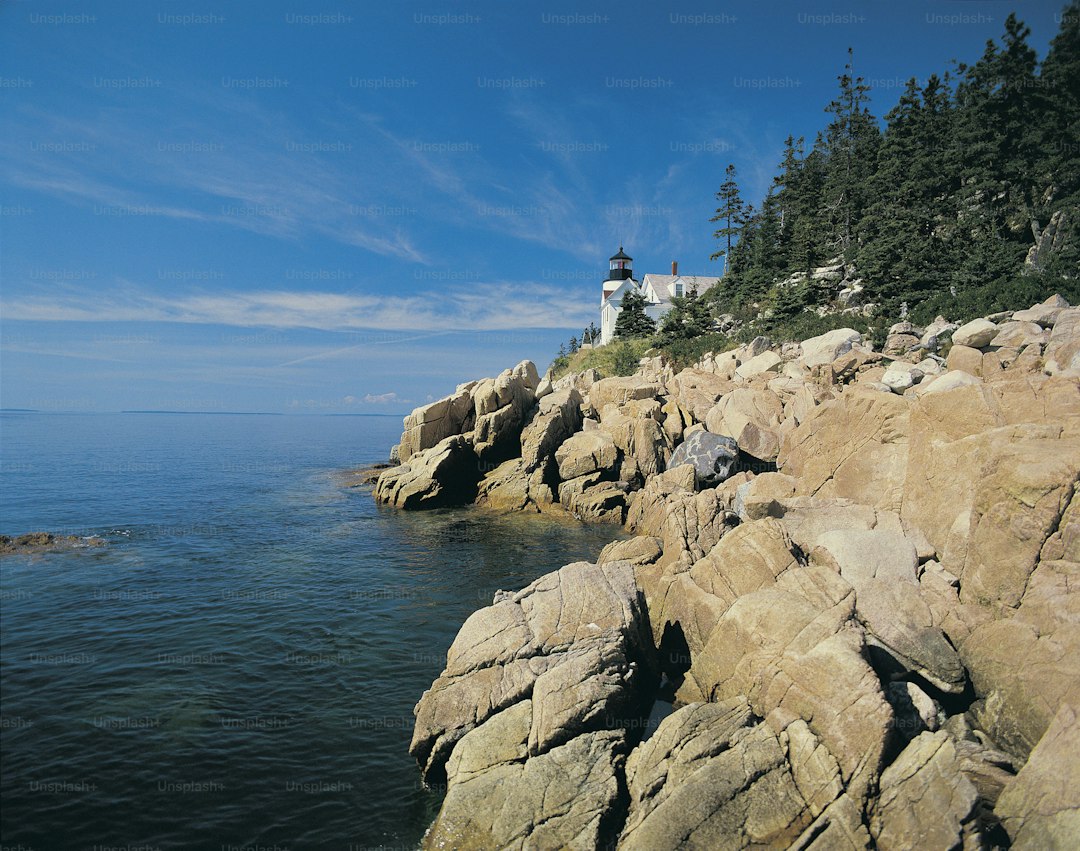
When to Visit: Navigating Seasons and Peak Crowds
When you’re planning a trip to a place as iconic as Acadia, you really have to look past the postcard images and get into the actual rhythm of the park. It’s easy to assume summer is the only time to go, but you’ll quickly find that the peak autumn foliage season now draws traffic on the Park Loop Road that feels more like a major city gridlock than a peaceful retreat. Personally, I’ve found that visitation in October has surged so much lately that it often rivals the mid-summer rush, which completely changes the math on when to find a bit of solitude. And while you might expect a breezy, dry coastal experience in July or August, the humidity can actually climb to 80 percent, catching a lot of travelers off guard.
If you’re trying to dodge the heaviest crowds, you’ve got to be strategic about your daily schedule. The carriage roads are consistently packed between 10:00 AM and 2:00 PM, so if you’re looking for a quiet hike, it’s honestly best to shift your plans to the edges of the day. Interestingly, dawn and dusk aren’t just better for the scenery; they’re when wildlife like moose are most active and, conveniently, when the day-tripper count is at its lowest. That said, if you’re dead set on catching the famous sunrise from Cadillac Mountain, don't forget you’ll need a vehicle reservation during the busy season because that summit lot fills up well before the first light hits.
Think about it this way: if you can swing a mid-week trip in May or September, you’re looking at a 30 percent reduction in crowds compared to those holiday-heavy weekends. But you have to be ready for the trade-offs. Spring, for instance, brings the dreaded mud season, which can shut down trails to protect the landscape, while June is frequently blanketed in a thick coastal fog that can drop visibility to under 100 feet. If you’re willing to deal with those variables, you’ll trade the chaotic peak-season intensity for a much more authentic, manageable experience. It really comes down to whether you prioritize perfect weather or the quiet space to actually enjoy the scenery without fighting for a parking spot.
Essential Logistics: Park Passes, Permits, and Reservations
Getting your logistics sorted is honestly the least fun part of trip planning, but in a place as high-traffic as Acadia, it’s the difference between a smooth experience and sitting in your car feeling frustrated. You need to start by understanding that your entrance pass is just the baseline; it covers your access to the park for seven days, but it is completely separate from the specific camping reservations you’ll need if you’re planning on staying overnight. I’ve seen enough people arrive at a campground expecting to pay on-site only to be turned away, so please, book your spot well ahead of time. And if you’re thinking about the Island Explorer bus, remember that while it’s fare-free, you still need to show your valid entrance pass to get on board.
If you’ve got your heart set on driving up Cadillac Mountain, you have to treat that reservation like a flight ticket because those slots disappear weeks in advance and are basically never available for same-day purchase. You get a strict two-hour window to enter, and if you miss it, you’re out of luck. It’s also worth noting that if you’re a military veteran or a Gold Star Family member, you can snag a free lifetime pass at the Hulls Cove Visitor Center, which is a fantastic perk if you have the right documentation. Just keep in mind that those entrance passes don’t protect you from closures caused by weather, and they aren’t refundable if nature decides to shut things down for a few days.
There are also a few hard rules you need to be aware of before you pack your gear. You won’t find any backcountry camping here, and if you're a cyclist, stay on the 45 miles of historic carriage roads because biking on hiking trails is strictly off-limits to stop erosion. If you’re heading out for some photography or planning a wedding ceremony, you’ll actually need a special permit to keep things legal. Don't even bother bringing a drone; they are strictly prohibited, and the federal fines for ignoring that are no joke. Finally, just be a good steward and respect the seasonal trail closures for things like peregrine falcon nesting—it’s a small trade-off for getting to see such a vibrant, protected ecosystem.
Where to Stay: Choosing Between Bar Harbor and Park Campgrounds
Choosing where to lay your head in Acadia is a trade-off between total immersion in nature and the creature comforts of civilization. If you’re leaning toward staying in Bar Harbor, you’re essentially choosing convenience, reliability, and immediate access to the municipal water grid and robust infrastructure that private rentals offer. But let’s be real, you’ll also be battling that notorious bottlenecked traffic every single morning just to reach the park entrance. On the flip side, sleeping inside the park boundaries at a spot like Blackwoods or Seawall keeps you right in the heart of the landscape, saving you anywhere from 20 to 40 minutes of commuting time each day.
Just keep in mind that the park experience comes with its own set of technical demands. For instance, Blackwoods is tucked deep into a dense forest canopy; it’s beautiful, but that lack of sun means your tent floor might stay damp well into the afternoon, and the glacial till soil is tough enough that you’ll want heavy-duty steel stakes rather than flimsy aluminum ones. If you’re worried about the cold, remember that coastal campgrounds can run up to 10 degrees cooler than inland town lodging, which makes a huge difference when you’re trying to sleep. And if you’re hauling a modern RV, Schoodic Woods is your only real choice if you need electrical hookups for your gear, as the other sites simply aren't built for that kind of load.
There’s also the matter of the "natural soundscape." While Bar Harbor can feel like a buzzing tourist hub, staying on the Quiet Side at Seawall keeps your ambient noise levels about 15 decibels lower, which is a massive win if you’re looking to actually disconnect. But you’ll have to commit to strict rules, like using only authorized firewood to protect the forest from invasive pests and navigating the mandatory bear-aware food storage policies that you simply won't find at a hotel. Honestly, it’s a finite inventory with under 600 total spots available, so that competition is fierce. If you can handle the logistics, the trade-off for that proximity to the trails is usually worth the extra prep work.
Navigating the Park: Using the Island Explorer Shuttle and Park Roads
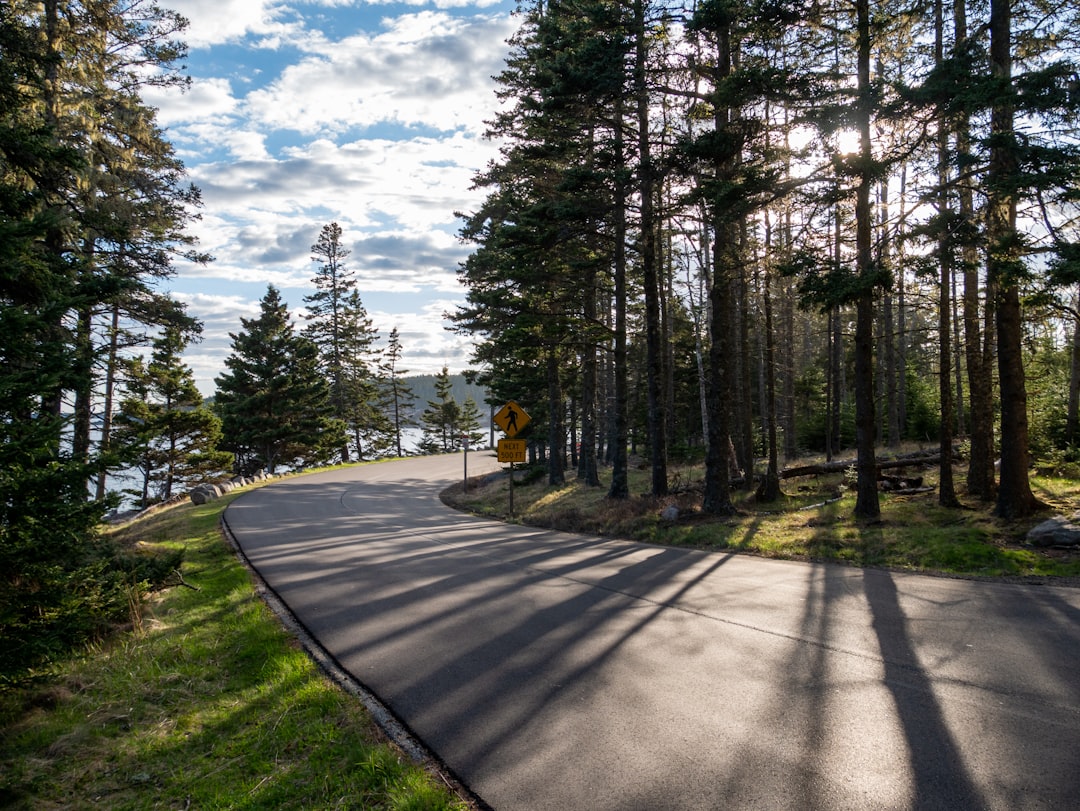
Let’s talk about how you’re actually going to get around once you’re here, because honestly, the logistics of Acadia can be a bit of a headache if you don’t have a game plan. The Island Explorer shuttle is a total lifesaver, and I’m not just saying that because it’s free. By choosing to ride, you’re helping remove over 1,000 cars from those narrow park roads every single day, which honestly makes the whole experience feel way less like a traffic jam and more like a national park visit. These propane-powered buses are surprisingly quiet and efficient, and they even sync up with ferry arrivals to make life easier for folks without a car. Just keep in mind that space for gear is tight—those bike racks only hold two bikes per bus, so if you’re planning on cycling, you’d better have a backup plan or show up early.
When you’re driving the Park Loop Road, you’ve got to respect the design. It’s a one-way system for a reason, meant to keep traffic flowing on those winding, narrow coastal stretches where a simple mistake could cause a major bottleneck. You’ll notice the speed limits are usually capped at 25 miles per hour, and I really recommend you stick to that; the road crews are constantly battling pavement cracks from our rough freeze-thaw cycles, and the wildlife here definitely doesn’t care if you’re in a rush. It’s all about protecting the park’s corridors while keeping you safe, so just lean into the slower pace. I’ve found that using the real-time GPS tracking for the shuttles is the best way to avoid just standing around waiting for a ride when you could be out on the trails.
One thing that trips people up is that the shuttle isn’t a magic carpet—it doesn’t go everywhere. You still need to coordinate your bus schedule with your vehicle-specific reservations, especially for spots like the summit of Cadillac Mountain. It’s a bit of a dance, I know, but it’s the only way to navigate the peak season without pulling your hair out. Plus, it’s kind of cool knowing that the system is funded by a mix of entrance fees and private donations, making it a pretty unique model for how we keep these spaces accessible. My advice? Spend ten minutes looking at the route map tonight, match it against your must-see stops, and you’ll save yourself hours of stress once you’re actually on the road.
Top Must-See Sights and Iconic Acadia Adventures
When you’re mapping out your time in Acadia, it’s easy to get swept up in the social media highlights, but honestly, there’s a massive difference between just seeing these spots and actually understanding the mechanics behind why they’re so special. I’ve spent enough time on the trails to know that the most iconic experiences—like the Precipice or the Beehive—aren’t just photo ops; they’re high-stakes adventures that require a real mental check before you commit. You’re looking at iron rungs bolted into near-vertical granite, which is basically the closest thing we have to a European via ferrata, so don’t take the warnings lightly. If you’re not into that level of exposure, you can still catch the park’s geological history on Gorham Mountain, where the bedrock still shows the literal scars of the Laurentide Ice Sheet from 12,000 years ago.
If you’re chasing that signature coastal sound, don’t just show up at Thunder Hole whenever you feel like it. The whole booming effect is a game of physics that relies on the tide being at that perfect mid-range level to trap and compress the air just right. If you miss that window, it’s basically just a rocky inlet, which is a letdown after a long drive. Similarly, if you’re planning a stop at Jordan Pond, remember that the water is so pristine—it’s an oligotrophic lake, meaning it’s essentially nutrient-starved—that swimming is strictly off-limits to protect that glass-like clarity. It’s one of those rare spots where the rules are there to keep the ecosystem from tipping, and honestly, standing on the shore with a view of the Bubbles is enough of a reward on its own.
Then there’s the engineering side of the park, which is honestly just as impressive as the natural stuff. John D. Rockefeller Jr.’s carriage roads are masterpieces because they’re built with specific angled coping stones designed to move water away from the gravel, ensuring they don’t wash out. They’re capped at a 10 percent grade, which makes for a much smoother walk or ride than the steeper hiking trails that crisscross the mountain peaks. Speaking of peaks, keep in mind that the "sky island" effect here means those summits are home to alpine plants that are literally trapped in a cold-weather bubble, cut off from the rest of the world by the warmer valleys. It’s a delicate, high-altitude environment that feels a thousand miles away from the beach, and it’s why sticking to the marked paths is the only way to keep this place from getting loved to death.
Responsible Exploration: Following Leave No Trace and Safety Principles
When you’re out on the trails, it’s easy to feel like you’re just one person in a vast landscape, but the reality is that the cumulative impact of our footprints is what keeps places like Acadia alive. I’ve spent enough time hiking here to know that staying on marked paths isn't just about avoiding a fine; it’s about protecting the incredibly thin, acidic soil that takes literal decades to recover from even a few stray steps. If you walk off-trail, you’re often crushing native vegetation that simply can’t bounce back, leading to erosion that eventually washes away the very ground beneath your feet. And please, leave the rocks and pinecones where you found them, because those aren't just souvenirs—they’re essential parts of the nutrient cycle that sustains the entire forest floor.
Pet owners, I get it, you want your dog to experience the freedom of the outdoors, but those strict leash laws in Acadia are there for a reason beyond just other people’s comfort. You’re protecting your own pet from dangerous run-ins with porcupines or the risk of a nasty tumble into a steep, hidden crevasse. When it comes to your food, you’ve got to think like a ranger and pack every single crumb into bear-resistant containers, because even a little bit of a scent can habituate wildlife to us, which almost always ends badly for the animal. And here’s a tip most people forget: carry out all your waste, including organic scraps like apple cores, because they decompose significantly slower in this cool, maritime climate than they do at home.
I’ve also learned the hard way that you absolutely cannot rely on your phone for navigation out here, as the rugged topography creates massive dead zones where your signal will just vanish. Always carry a physical topographic map, because when the fog rolls in or the trail gets murky, a paper map doesn't run out of battery or lose its connection. You might also want to wash your hiking gear at home before you head out, as synthetic fabrics can shed microplastics that eventually seep into the park’s pristine mountain ponds.
If you’re into photography, resist the urge to rearrange logs or rocks for that perfect shot, as that kind of tinkering violates the very integrity of the ecosystem we’re here to admire. Keep a respectful distance from the local wildlife—if an animal stops what it’s doing to look at you, you’re already too close for comfort. And if you happen to run into one of the trail crews or maintenance volunteers, please give them the right of way; they’re the ones doing the heavy lifting to make sure these trails stay passable and safe for the rest of us. It really comes down to being a conscious guest in a space that’s been around for millennia, and honestly, that’s a small price to pay for the chance to experience it.
Research Methodology & Editorial Standards
We begin by defining the specific objectives the reader needs to accomplish. Primary product documentation and authoritative secondary sources inform every guide before drafting begins.
Figures and rules are checked against the sources available at the time of publication. Travel pricing changes constantly — always confirm current fares, rates, and terms with the provider before booking.