
How to Plan an Arctic Expedition to See Walruses in the Wild
When you’re planning a trip to see walruses, it helps to know that not all Arctic waters are created equal.
Choosing the Best Arctic Destinations for Walrus Sightings
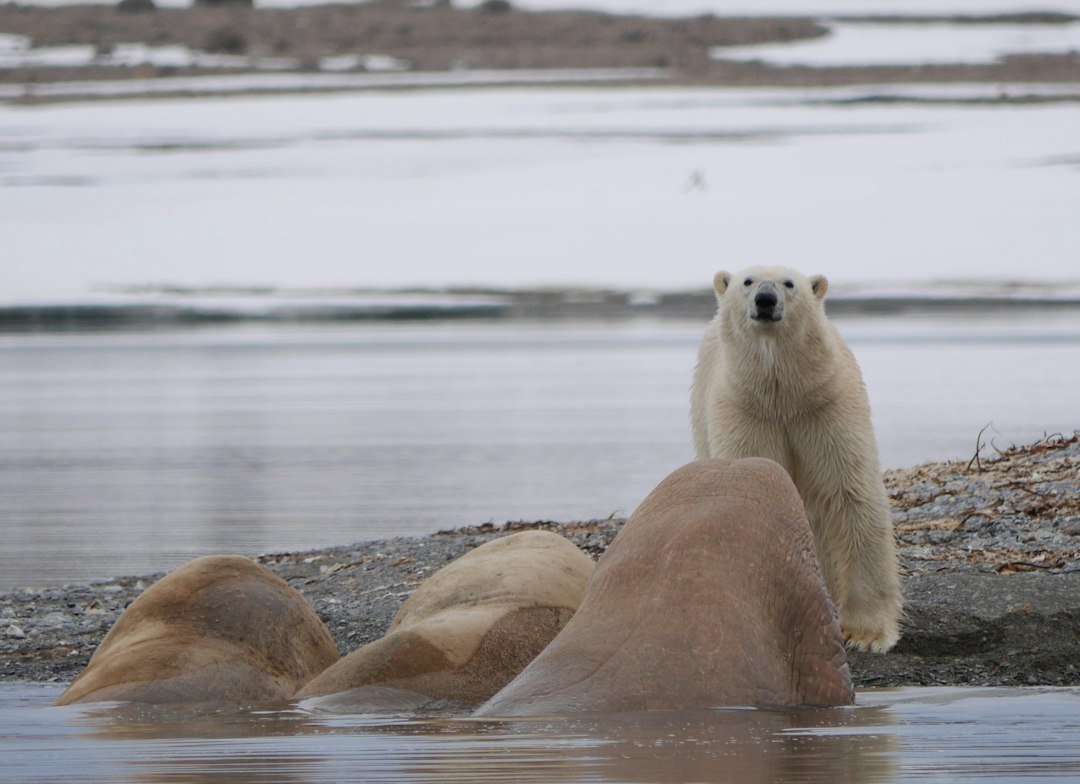
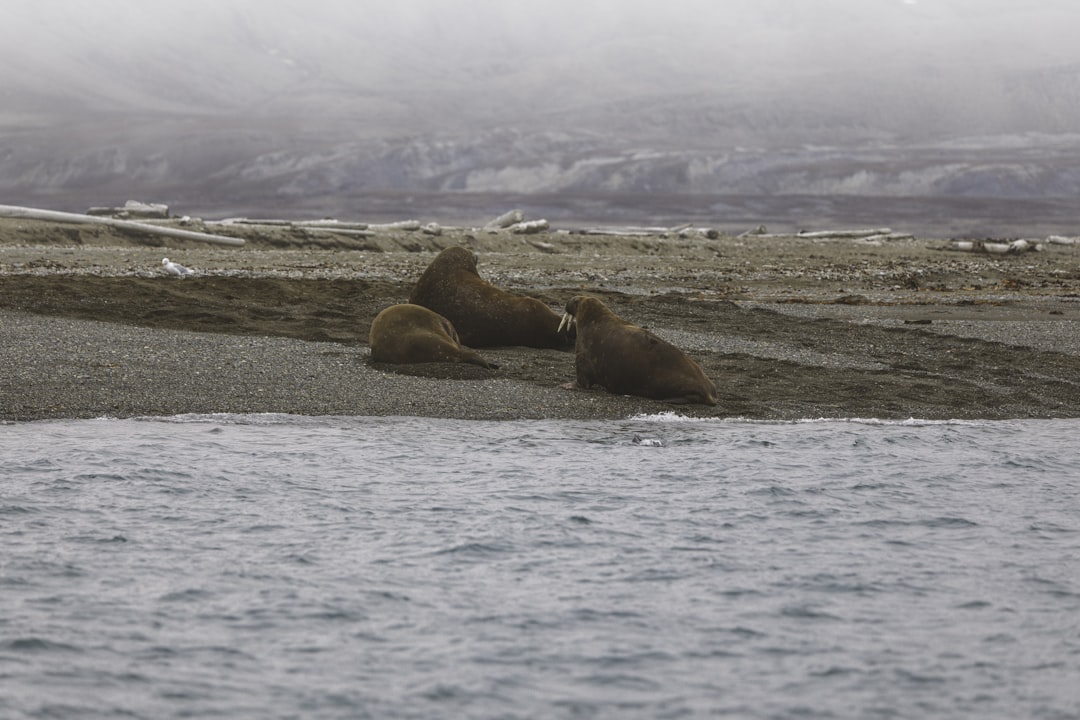
When you’re planning a trip to see walruses, it helps to know that not all Arctic waters are created equal. You might get lucky and spot a stray individual wandering off the coast of Ireland or Scotland, but those are rare, unpredictable events driven by curiosity rather than predictable migration patterns. If you want a high probability of a successful sighting, you have to look toward the reliable haul-out sites in Svalbard. The fjords there offer the best chance to see these animals in their natural element during the summer months when the ice pulls back.
The density of the population in Svalbard is really tied to the geography of the seafloor. Walruses are heavy feeders that rely on shallow benthic foraging grounds to hunt for clams, so they stick to areas where the water is less than 80 meters deep. Because they use sea ice as a resting platform between these dives, climate shifts are forcing them to spend more time on land, which actually makes them easier to spot if you know where to look. They tend to congregate near deep-water drop-offs that give them quick access to food without burning through their energy reserves.
If you’re looking for something a bit more off the beaten path, Greenland’s northeastern coast is a fantastic alternative to the busier routes. You’ll find undisturbed groups hanging out on isolated ice floes there, which provides a much more intimate viewing experience than you might get in more popular spots. Just keep in mind that the Atlantic walrus population is split into distinct genetic stocks, so the animals you see in the Canadian Arctic are going to be quite different from the ones you find in the Barents Sea.
I always tell people to pay attention to the sounds when they get close. These animals are incredibly social, and you can actually hear their bell-like calls and clicks ringing out both above and below the water. Their massive tusks are pretty wild to see in person, too—since they’re essentially elongated teeth that keep growing their whole lives, you’re looking at some impressive biology. Seeing them in the wild is a massive indicator of a healthy ecosystem, and honestly, there's just no substitute for watching them navigate those cold, productive waters.
Timing Your Expedition: The Optimal Months for Wildlife Encounters
If you’re anything like me, you probably spend a good chunk of the year staring at weather maps and dreaming of the high Arctic, wondering when exactly you’ll get that perfect window to see wildlife in its rawest form. Let’s be honest: timing an expedition isn’t just about picking a month on a calendar; it’s about aligning your travel with the precise, shifting rhythms of the pack ice. I’ve found that late July through August is essentially the gold standard for these trips, primarily because the retreating sea ice finally clears a path to the coastal haul-out sites where walruses prefer to rest. During this peak window, warmer temperatures mean these giants spend significantly more time on land, which honestly makes them so much easier to spot from the deck of a ship. You aren’t just fighting the elements; you’re playing a game of patience, waiting for the landscape to open up enough to give you a clear look at their natural, unbothered habitat.
The trick is really in the transition from late spring into that sweet spot of early August. By then, the massive migration of prey across the Barents Sea is in full swing, which pulls the walruses into predictable, intensive feeding cycles. If you try to go too early, you’re almost certainly going to run into frozen fjords that block your access to those traditional resting grounds. But wait until September, and you’re tempting fate with those sudden, violent autumn storms that can make the water churn and your viewing chances disappear overnight. I’ve seen enough itineraries ruined by a single week of bad timing to know that you really have to respect those seasonal boundaries if you want to make the most of your investment.
There’s also a compelling biological case for holding out until the very end of the summer. If you’re hoping to catch a glimpse of the social dynamics between mothers and their calves, you’ll want to focus on the final weeks of August, as these groups tend to linger near the remaining ice edge to avoid the more aggressive bulls. Plus, the light at that time of year is just incredible for photography—the sun hits the horizon at such a low angle that everything gets this golden, soft glow that you just don't get at other times. And because the wind often dies down in late summer, it’s actually easier to pick up their underwater vocalizations if you’re using a hydrophone. It’s one thing to see them, but hearing those clicks and bell-like calls echoing through the water? That’s the kind of experience that really sticks with you long after the trip ends.
Selecting the Right Expedition Vessel and Tour Operator
When you’re staring at a list of potential Arctic cruise lines, it’s easy to get lost in the marketing fluff, but the reality is that not all ships are built to get you close to the action. You really need to look for a vessel with a PC6 ice class rating, which is the baseline requirement for navigating the medium first-year ice where walruses hang out. Think of it this way: a ship with a shallow draft isn’t just a convenience, it’s a tactical advantage that lets the captain hug the coastline where these animals forage. And if the ship has dynamic positioning, even better, because it means you can hold a steady spot without dropping an anchor and chewing up the seafloor that the walruses rely on for their clam dinners. Honestly, don't overlook the passenger count, either; if you’re on a ship with more than 200 people, you’re going to be waiting in line for a landing spot that smaller boats get to access immediately.
Beyond the hardware, you need to vet the operator on how they actually handle their encounters with the wildlife. I always check if they follow AECO guidelines, which dictate exactly how far away you need to stay to keep from spooking a group during their molting season. It makes a huge difference if the company uses Zodiacs with modern four-stroke engines; those older, louder motors can cause a whole colony to flush into the water before you even get a decent photo. You also want an operator that invests in real-time sea ice data and satellite imagery to adjust their path daily. If they’re just sticking to a pre-printed itinerary, you’re missing the flexibility that’s required to chase the shifting ice edge where the largest groups congregate.
Finally, consider the team standing next to you on the deck. I’d suggest prioritizing operators that bring on dedicated marine biologists, specifically those who understand the subtle behavioral cues that show when a walrus is getting stressed. It’s a game-changer if the expedition leader has a background in Arctic marine mammal ecology, as they’ll know how to read the water and weather to get you to an undisturbed colony rather than just hitting the standard, overcrowded tourist spots. If you find a vessel that carries hydrophone equipment or ROVs, you’re looking at a completely different tier of experience, where you can actually hear those bell-like calls ringing out from beneath the ice. It’s a big investment, no doubt, but picking the right ship and crew is really the difference between seeing a distant speck on a beach and having a genuine, respectful encounter that actually stays with you.
Essential Gear and Clothing for Arctic Weather Conditions
When we talk about packing for the high Arctic, it’s easy to get caught up in the idea of just wearing the biggest parka you can find, but honestly, that’s a rookie mistake that’ll leave you shivering the moment you stop moving. You have to think of your clothing as a dynamic system rather than a static suit of armor. I’ve learned that the secret really lies in moisture management; if you start your day feeling toasty, you’re already behind because the second you break a sweat, that moisture becomes your biggest enemy in sub-zero temps. That’s why I always prioritize merino wool for my base layers, as it wicks sweat away while staying warm, unlike synthetics that can sometimes trap that clammy feeling. You’ll want to build in a breathable softshell midlayer too, which acts as the MVP of your kit, keeping you comfortable when you’re boarding a Zodiac and just as cozy when you’re standing still for an hour watching a walrus colony.
The real shift in my process happened when I stopped relying entirely on down and started looking at synthetic insulation, which is just better at handling the inevitable sea spray and internal moisture of an expedition. Don’t ignore your extremities, either; those "lobster claw" three-finger mittens are a total game-changer, giving you that perfect middle ground between the dexterity to tweak your camera settings and the serious heat retention you need to avoid frostnip. And here’s a tip most people miss: if you’re standing on ice for hours, your boots need thick, insulated midsoles that act as a thermal break, because standard rubber will just suck the heat right out of your feet like a sponge. I’ve also started using vapor barrier liners for my boots and gloves, which might sound overkill, but they stop your sweat from freezing inside your gear during long, quiet observation sessions.
You also have to respect the physics of the Arctic, especially when it comes to the wind chill and the relentless glare off the pack ice. Make sure your outer shells have a high denier rating or a proper windproof membrane; if the wind cuts through your layers, you’re going to be miserable no matter how much insulation you have underneath. And definitely don't forget to protect your eyes with high-quality polarized lenses, because the UV reflection off the snow is intense enough to cause serious irritation if you aren't careful. I also keep my camera batteries and power banks in an internal pocket right against my body, because the chemical reaction in those batteries slows down fast in the cold, and there's nothing worse than having your camera die just as you find the perfect shot. Finally, look for gear with oversized, heavy-duty zippers—when you’re wearing thick gloves and ice starts building up in the tracks, you’ll be incredibly glad you didn't settle for the standard, flimsy hardware.
Understanding Walrus Behavior and Responsible Wildlife Viewing
When you first spot a herd of walruses, it’s easy to be mesmerized by their sheer size, but there is so much more going on beneath the surface than just lounging on the ice. I think it’s fascinating how they’ve evolved to regulate their own temperature, shifting from a pale, almost ghost-like appearance when cold to a deep, healthy pink as blood rushes to their capillaries to warm up. Their social hierarchy is just as clear once you know what to look for, as the size of those massive tusks isn't just for show—it’s a direct indicator of rank within the group. You’ll also notice them using those tusks as literal anchors to haul their heavy bodies onto jagged ice floes, which is a pretty incredible feat of engineering given their bulk.
It’s important to remember that these animals are operating in a really delicate state during their molting season, when they’re shedding old skin and hair and are already under significant physiological stress. If a boat gets too close, the entire herd might panic and bolt, and that stampede-like response can be fatal for smaller calves caught in the crush. Because walruses don't have external ear flaps, they are incredibly tuned into underwater acoustics, meaning our engine noise can actually disrupt their natural communication. I always tell people that responsible viewing means being extra mindful of our own volume and distance, especially when you consider how they use their sensitive whiskers to hunt in dark water.
Seeing how they manage their energy is another lesson in efficiency that we should really respect. They’ve developed these specialized suction feeding techniques to pull mollusks from the seafloor, which saves them from burning through precious calories while they hunt. A single feeding session can account for up to six percent of their body weight, a massive intake required just to maintain that thick layer of insulating blubber in the freezing Arctic. It’s also quite touching to watch mothers with their calves, as they’ll often carry them on their backs while swimming to ensure the little ones stay safe and don't get worn out. Being able to witness these behaviors is a privilege, so let's make sure we're giving them the space they need to live their lives without feeling like we’re part of the problem.
Navigating Permits, Logistics, and Arctic Safety Regulations
When you’re planning a voyage into the high Arctic, it’s easy to get swept up in the dream of spotting walruses, but the reality is that the region operates under a rigid, international framework known as the Polar Code. This isn't just paperwork; it’s a mandatory set of rules that dictates everything from the structural reinforcement of your ship to the specialized training your crew must have to handle high-latitude ice. If you’re heading toward Svalbard, expect to deal with localized permits issued by the Governor, which are designed to keep the environment pristine by preventing the spread of invasive species or pollution. It’s a lot to wrap your head around, but these regulations are the only thing keeping these remote, fragile ecosystems from being overwhelmed by human traffic.
Here is what I think you need to keep in mind regarding your safety: because search and rescue assets can be days away in this part of the world, your operator must have an emergency medical kit capable of handling everything from severe hypothermia to frostbite. You should also verify that the vessel carries adequate insurance for specialized Arctic salvage, as a simple mechanical failure in these waters can quickly turn into a massive environmental and financial burden. And honestly, don't ignore the navigation side of things; because many Arctic lanes are unmapped or rapidly changing due to ice loss, you want a ship that relies on real-time satellite imagery rather than outdated paper charts. It’s also common practice to have an experienced ice pilot on board who can read the subtle density of the ice in ways that standard radar simply can’t detect.
Finally, we have to talk about how we interact with the animals once we’re actually out there. Maritime authorities often enforce speed restrictions in critical corridors to protect marine life, and you should ensure your tour operator is strictly following these to avoid potential ship strikes. If you’re planning on using drones for photography, be prepared for heavy regulations, as noise pollution is a serious threat to the peace of a walrus haul-out. All waste management is equally strict, with vessels required to hold all black and gray water for disposal at approved ports far from the sanctuaries. It feels like a lot of hoops to jump through, but these rules exist to ensure that when we finally do see these giants in the wild, we’re doing it in a way that respects their habitat and our own survival.
Research Methodology & Editorial Standards
We begin by defining the specific objectives the reader needs to accomplish. Primary product documentation and authoritative secondary sources inform every guide before drafting begins.
Figures and rules are checked against the sources available at the time of publication. Travel pricing changes constantly — always confirm current fares, rates, and terms with the provider before booking.