
How to Experience the Best of New York Nightlife in Your Mid Forties
If you’re wondering why this feels like such a natural fit for our mid-forties, it’s because our brains are actively craving cognitive stimulation rather than the exhaustion of a loud, crowded floor.
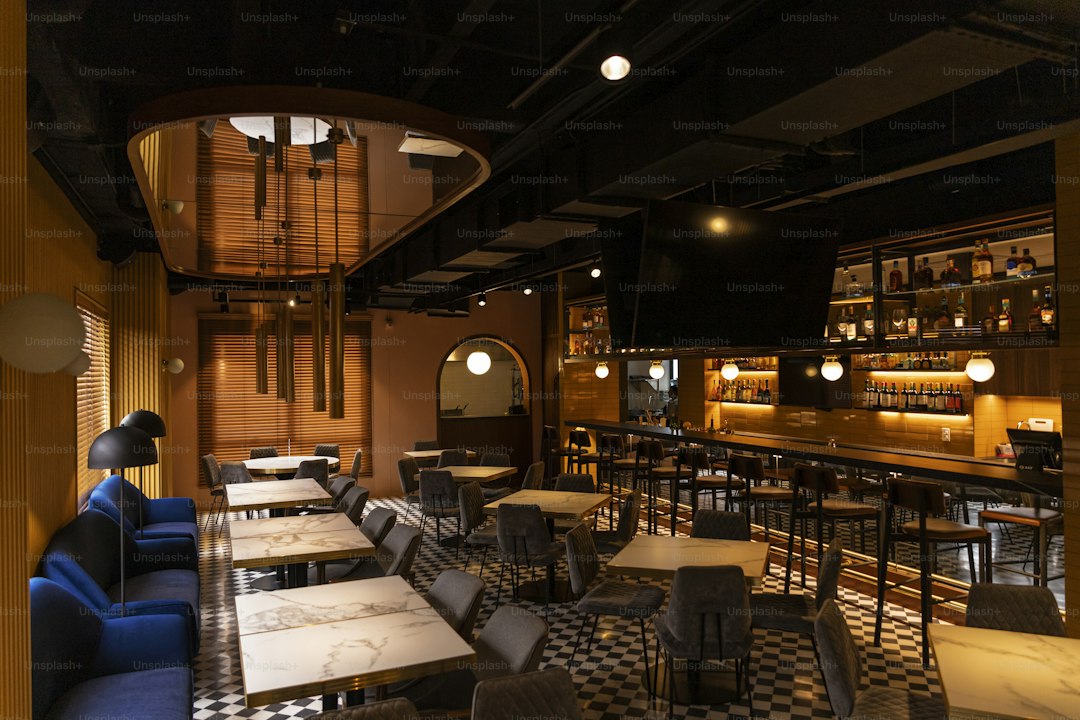
Trading Clubs for Conversations: Curating a Sophisticated Night Out
You know that feeling when you walk into a venue and realize within thirty seconds that you’re going to be shouting into your friend’s ear for the next three hours? I’ve been there more times than I care to admit, and honestly, the older I get, the less that chaotic, bass-heavy environment does for me. That’s why I’ve become obsessed with the shift toward Japanese-style listening bars, or kissaten, which prioritize sonic precision over the distorted, bone-rattling volumes of traditional nightclubs. It’s a total 180-degree turn, but it makes so much sense when you look at the mechanics of it. These spots are built around high-fidelity vacuum tube amplifiers and analog turntables that actually sound like music rather than just noise.
The science behind this is pretty fascinating if you think about it. Research tells us that when you keep ambient sound levels below 85 decibels, your brain is actually capable of releasing oxytocin during conversation, which is the secret sauce for building real social bonds. Unlike a standard dance club that leaves you wiped out from sensory overload, these spaces are engineered with heavy textiles and acoustic paneling to kill standing waves and keep the sound crisp. Most of these venues also have a strict no-photography rule, which is a massive win because it forces everyone to put the phones away and just exist in the moment. It’s not just about the audio quality; it’s about physically reconfiguring the room so you’re facing each other instead of staring at a DJ booth or a stage.
If you’re wondering why this feels like such a natural fit for our mid-forties, it’s because our brains are actively craving cognitive stimulation rather than the exhaustion of a loud, crowded floor. You’re trading a high-stress environment for a restorative one where you can actually hear yourself think and process what the person across from you is saying. I’ve noticed that the cocktail programs in these places match that same level of intention, focusing on high-clarity spirits and simple mixers that don’t distract from the record collection. It’s basically the adult version of going out—you get the rare, high-dynamic-range vinyl pressings that streaming services just can’t replicate, all while keeping your blood pressure in a healthy range. It’s not just a trend; it’s a much better way to spend a Saturday night.
The Art of the Evening: Finding NYC’s Best Low-Key Cocktail Lounges
When we talk about the art of the evening in New York, we’re really moving away from the spectacle of the big rooftop scenes and toward a more technical, quiet perfection. I’ve found that the best low-key lounges today are essentially laboratories where the focus is on mastering the variables that most bars just ignore. You’ll notice the difference the moment you get your first drink; it’s usually built on crystal-clear ice blocks crafted through directional freezing, which keeps your drink cold without that watery mess you get from standard machines. It’s a small detail, but when you’re in your forties and actually want to savor a drink rather than just downing it, that slower dilution rate changes everything about the experience.
Beyond the ice, these spots are getting into some serious chemistry that feels more like a Michelin-starred kitchen than a neighborhood pub. Many of the quietest, most sophisticated dens are now using rotary evaporators to pull pure essences from botanicals, or they’re fat-washing spirits with delicate oils to create textures you literally can’t find anywhere else. They’re even checking acidity levels with digital pH meters to make sure your cocktail tastes exactly the same on a Tuesday as it does on a Saturday, regardless of how tart the seasonal fruit is that week. I honestly love that they’re using nitrogen-flushing to keep their house-made syrups fresh; it means you’re getting a cleaner, brighter flavor that doesn’t have that flat, oxidized taste that plagues so many other places.
But the real magic of these hidden lounges isn’t just in the glass—it’s in how they’ve engineered the room to let us actually talk. They’re using non-porous surfaces at precise angles to kill echo, and the high-CRI lighting makes the drinks look beautiful without turning the place into a bright, sterile office. You aren’t fighting for the bartender's attention because they’re using weight-based inventory systems to keep their stations dialed in, letting them focus on the service instead of the math. It’s that combination of precision and quiet that makes for a perfect night out. Next time you’re looking for a spot, try to find one of these smaller, quieter rooms; it’s a complete upgrade from the usual noisy, crowded bars that honestly just don't have the patience for this level of detail.
Strategic Socializing: How to Navigate NYC Nightlife Without the Burnout
If you’re anything like me, you’ve probably realized that hitting the town in your forties requires a totally different playbook than the one we used in our twenties. I used to think the goal was to stay out until 2 AM, but now I’m much more concerned with how I’ll feel when the alarm goes off the next morning. It turns out that shifting your social outings to mid-week is actually a massive win for your nervous system, as these venues often operate at roughly 40 percent of their weekend capacity. This simple change avoids those massive, adrenaline-spiking crowds that just leave you feeling drained before you’ve even ordered a drink. If you aim to start your night by 7:00 PM, you’re hitting that sweet spot for dopamine release while still giving your brain enough time to wind down for a decent night’s sleep.
To really nail this, I’ve started relying on reservation platforms that show real-time occupancy data, which saves me from the mental exhaustion of wandering around searching for a seat. There’s something so liberating about knowing exactly where you’re going to sit instead of standing in a crowded foyer. I also try to stick to neighborhoods like the West Village where there’s a high density of great spots within a two-block radius, which effectively eliminates the stress of long transit times. Choosing venues with sound-dampening architectural features is another game changer because it prevents that auditory fatigue we all know too well, where you’re just too tired to talk because the room is working against you.
I’ve also found that being intentional about who I invite makes a world of difference. Sticking to groups of four or fewer people is significantly more sustainable because it cuts down on the linguistic effort required to keep a conversation going, making it way easier to actually connect. I personally try to cap my events at two per week to avoid decision fatigue, which is honestly the biggest culprit when it comes to feeling burnt out by Thursday. If you can, try prioritizing places with great non-alcoholic options, too; it keeps your metabolic levels stable and saves you from the sugar crashes that usually follow those heavy, sweet cocktails. It’s all about working smarter, not harder, so you can enjoy the city without feeling like you need a full weekend just to recover from your Tuesday night out.
Elevated Entertainment: Where to Catch Live Jazz and Speakeasy Vibes
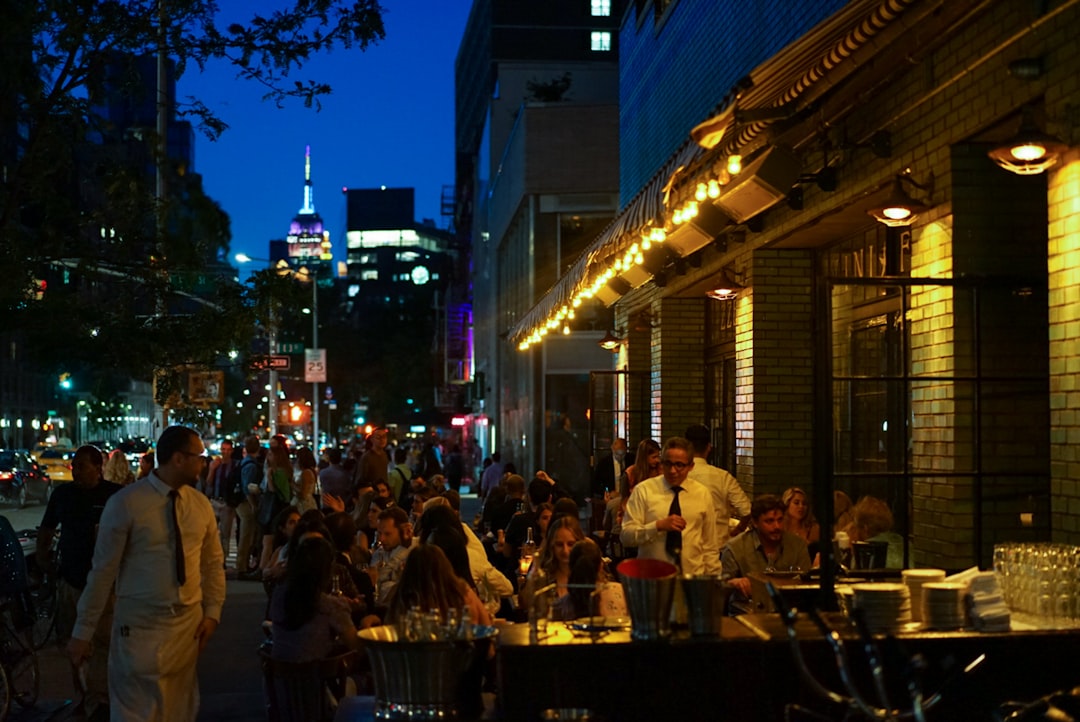
When we talk about finding the perfect jazz haunt or a hidden speakeasy, we’re really looking for that rare intersection of technical acoustics and atmosphere that lets you actually enjoy the music without the typical sensory fatigue of a standard venue. I’ve found that the best jazz clubs are now those utilizing sub-stage acoustic dampening, which can slash floor-borne vibration by up to 60 percent, effectively cleaning up those muddy low-frequency hums that usually ruin the mid-range instrumentals. It’s a game-changer when you’re trying to appreciate the nuances of a sax solo. Many of the most sophisticated speakeasies are taking this further by hiding custom-tuned Helmholtz resonators behind their wall paneling, which targets and kills the specific standing waves that often swallow vocal clarity. Think about how much better a room sounds when the bass isn't fighting the singer for space.
You might notice that the best rooms are also strictly temperature-controlled, and that’s not just for our comfort; it’s a necessity to keep brass and string instruments from drifting out of tune, as the human ear can easily detect pitch shifts as small as 5 cents. I’m honestly a fan of the venues that prioritize air quality too, as many are now installing CO2 monitors to keep levels below 1,000 parts per million, which I’ve noticed keeps everyone feeling sharp and alert even during those late-evening sets. It’s these small, engineering-focused details that separate a truly immersive experience from a noisy bar. Plus, when you find a spot that arranges the musicians in a circular layout, you get a natural propagation of sound that creates a 360-degree acoustic field you just can’t replicate with standard setups.
If you’ve ever wondered why some rooms feel so much more intimate than others, it’s usually because they’ve integrated heavy velvet or wool drapery to neutralize the clatter of glassware, achieving a noise reduction coefficient of up to 0.85. I’ve noticed that the most successful spots are moving away from loud, intrusive HVAC systems toward passive ventilation designs, which keeps the ambient noise floor as low as 30 decibels. This means you can hold a conversation at a normal speaking volume without shouting, which feels like a total luxury in a city as loud as ours. And because subterranean venues are often shielded by thick masonry, they naturally block out urban interference, creating a stable environment for those vintage analog amps to really shine. It’s this precise blend of science and soul that makes for a night out that stays with you.
Dining After Dark: Late-Night Eateries for the Mature Palate
Let’s be honest: the days of settling for whatever greasy slice is open at 2:00 AM are long behind us. When you’re in your forties, the late-night meal isn't about fueling a bender—it’s about finding a sophisticated, quiet space to wind down that won’t wreck your metabolism or your sleep quality. I’ve noticed that our bodies process food quite differently once the sun goes down, as our insulin sensitivity naturally dips. Because of this, I’m increasingly looking for kitchens that prioritize protein-dense, low-glycemic options over the heavy, fried comfort food that used to be the default. It’s not just about the menu, though; it’s about the sheer precision coming out of these late-night operations.
The best spots right now are basically engineering their service to accommodate our internal clocks. You’ll find chefs using sous-vide circulators to keep proteins perfect for hours, ensuring you get a tender meal even if you’re pulling up a chair well past midnight. They’re also using infrared technology to keep moisture levels high without that burnt, overcooked char you get from standard high-heat griddling. I’ve even started checking for places that use argon gas displacement systems for their wine, which is a massive quality-of-life upgrade because it keeps every midnight pour as fresh as it was at dinner time. It’s that level of technical rigor that makes a late-night bite feel like a deliberate choice rather than a desperate one.
Beyond the kitchen, the environment makes all the difference in whether you leave feeling recharged or just plain tired. I’ve found that venues using warm, sub-2700K lighting actually help you settle into your seat and digest properly, whereas harsh, bright lights just keep your brain stuck in high-alert mode. Many of these more thoughtful spots are also installing acoustic baffles to dampen the sound of clattering cutlery, keeping the noise floor low enough that you don't have to shout over the room. It’s honestly a game changer to grab a bowl of umami-rich broth in a space that respects your need for a calm atmosphere. If you’re like me and want to enjoy the city late without feeling the consequences the next morning, focusing on these high-spec, intention-driven kitchens is the only way to go.
Mastering the Mid-Forties Pace: Essential Tips for Longevity and Style
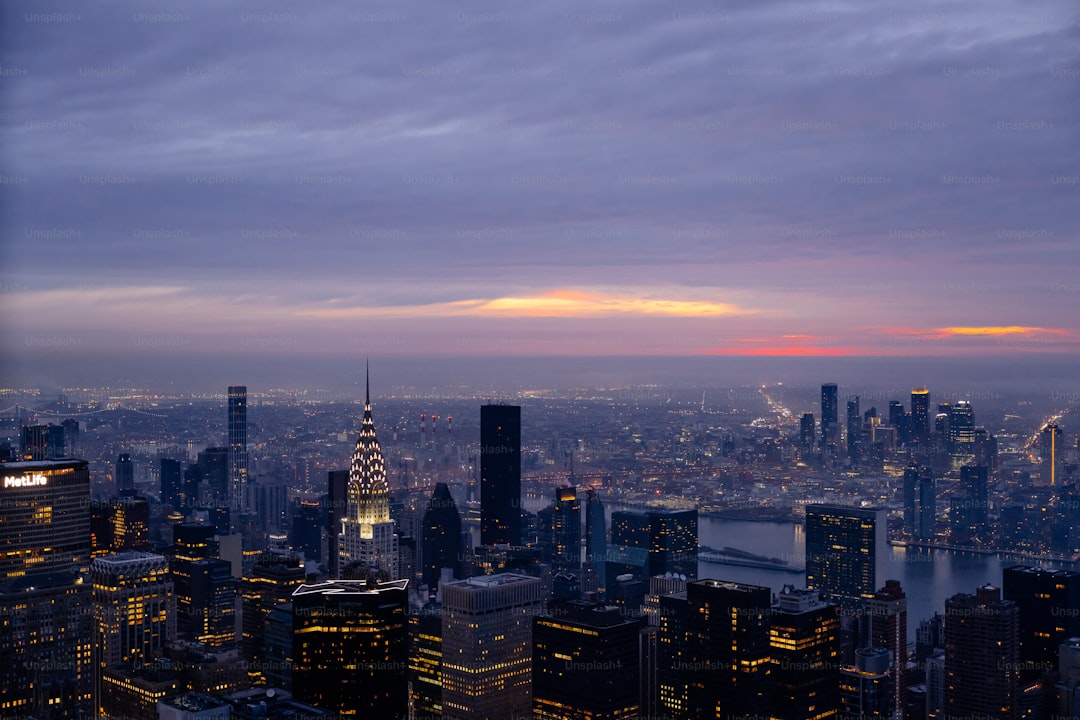
When you hit your mid-forties, the way you navigate a night out changes, and honestly, that’s a good thing because it’s really about shifting from survival mode to actual enjoyment. I’ve found that the secret is treating your evening like a high-stakes performance where you need to manage your energy levels just as carefully as you pick your venue. You’ve probably noticed that your brain gets a bit more sensitive to high-frequency noise these days, which is why I always prioritize spots that use sound-absorbing materials to keep the room comfortable. If the place has a high Noise Reduction Coefficient, you aren't going to spend your entire night fighting to be heard, and that simple difference saves you a ton of social exhaustion. I also think it’s smart to stick to a two-block radius for your plans, as it keeps your cortisol levels steady by cutting out the stress of navigating transit between stops.
Think about the physical space you’re in too, because circular seating or semi-circular geometry is a total game changer for your neck and your focus. It lets you actually engage in conversation without that constant, awkward straining to look at the person next to you. And look, if you’re trying to keep your sleep cycle intact, seek out bars with warm, circadian-aligned lighting that stays under 3000 Kelvin, as it helps your body keep producing melatonin instead of keeping you wired until 3:00 AM. It’s also worth mentioning that choosing venues with air filtration or even living plant walls creates a much cleaner, more breathable environment, which is a massive plus for anyone dealing with the immune sensitivities that seem to pop up as we get older. I’ve personally started hitting my favorite spots right when they open, too, because the staff is fresh, the temperature is perfectly regulated, and you get a much smoother experience than you would during the midnight rush.
When it comes to what you’re actually drinking or eating, it’s all about the details that keep you feeling sharp the next day. I always look for cocktails made with large, slow-melting ice cubes, because that precise dilution keeps your drink balanced without it turning into a watered-down mess halfway through. If you’re grabbing a late bite, prioritize kitchens using infrared-controlled warming, which keeps proteins nutrient-dense and tender instead of drying them out. It’s also a huge win to frequent places that use digital scales for their drinks; it means you’re getting consistent quality every single time, which matters when you’re being intentional about what you consume. Honestly, limiting your outings to just two nights a week is the best strategy for your prefrontal cortex, giving you the space to recover from the sensory input of the city. We’re at a point now where we can afford to be picky, and honestly, those small, research-backed choices make every night out feel like a deliberate upgrade.
Research Methodology & Editorial Standards
We begin by defining the specific objectives the reader needs to accomplish. Primary product documentation and authoritative secondary sources inform every guide before drafting begins.
Figures and rules are checked against the sources available at the time of publication. Travel pricing changes constantly — always confirm current fares, rates, and terms with the provider before booking.