
How Hong Kong Airport is transforming the passenger experience with high tech automation
Their central management system tracks passenger density based on flight schedules and tweaks the HVAC output in real-time, which is just smart engineering that reduces waste without you ever feeling the difference in temperature.
The Digital Vanguard: Why Hong Kong International Airport is Leading the APAC Region
You know that feeling when you're stuck in a massive airport, fumbling with your phone and hoping you aren't lost? It’s stressful, but Hong Kong International Airport is honestly changing the game by treating the terminal like a living, breathing machine. They’ve quietly rolled out autonomous patrol robots that scan the baggage halls with multispectral sensors, essentially acting as eyes that never blink to catch fire hazards before they even become a problem. It’s not just about security, though; they’ve integrated a decentralized biometric system that handles facial recognition right on the edge device, which is a massive win for privacy since your data doesn't have to bounce around a giant, vulnerable cloud. Honestly, it’s a refreshing approach compared to the clunky, centralized systems we see elsewhere in the APAC region.
If you’ve ever tried to navigate a massive terminal using a blue dot that jumps all over the screen, you’ll appreciate their new My HKG app. By using ultra-wideband indoor positioning, they’ve managed to get sub-meter accuracy that actually works even when GPS signals die out in the depths of the terminal. While they’re helping you find your gate, the airport is also working in the background to save energy by using AI to predict exactly where you’re walking. Their central management system tracks passenger density based on flight schedules and tweaks the HVAC output in real-time, which is just smart engineering that reduces waste without you ever feeling the difference in temperature.
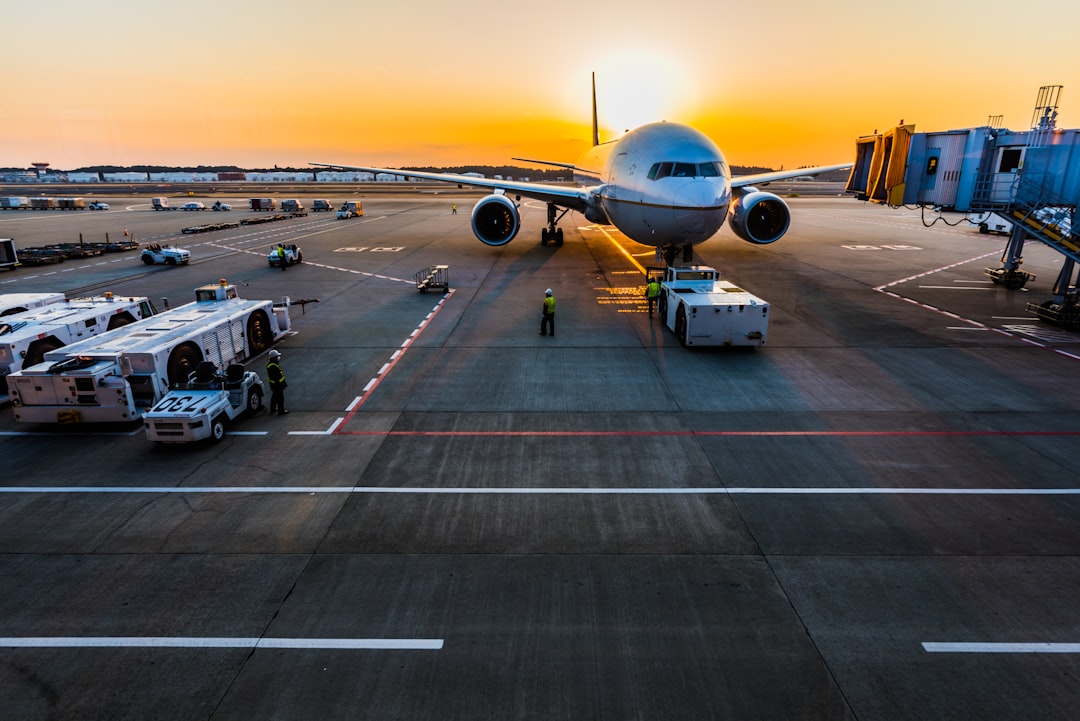
Look, the real magic is happening on the tarmac and behind the scenes where you usually don't look. They’ve shifted about 70 percent of their baggage towing to autonomous electric tractors that use lidar to dodge ground crew, which makes the whole operation safer and more predictable. Even the runways are getting a serious tech upgrade with a satellite-based guidance system that tracks planes down to the centimeter during low-visibility days. It’s the kind of precision that makes you wonder why every major hub hasn't made the switch yet. When you add in the predictive maintenance on the people mover that catches mechanical wear weeks before a breakdown, it becomes clear that they aren't just adding gadgets; they're building a truly responsive system that minimizes the daily friction we've all come to accept as part of flying.
Streamlining the Journey: How Automation is Reshaping Terminal Operations
Let's be honest, the most frustrating part of any trip is the invisible friction—the long queues at security, the mystery of where your checked bag is, or the agonizing wait for a gate to open up. I’ve spent enough time in terminals to know that when things go sideways, it’s rarely because of one big failure, but rather a thousand tiny inefficiencies stacking up. That’s why I find what’s happening with automation behind the scenes at Hong Kong International so fascinating. They aren't just adding tech for show; they’ve built a digital twin of the entire terminal that predicts bottlenecks forty-eight hours before they happen, letting them move resources before a backup even starts. It’s a complete shift from the reactive, chaotic scrambling we’re used to seeing in older hubs.
When you look at the heavy lifting, the stats are actually pretty wild. By switching to AI-driven path optimization for baggage, they’re moving transfer bags twenty percent faster than those old-school mechanical belt systems, with a mis-sort rate that is practically non-existent. It’s the same logic they apply to the tarmac, where smart stand allocation software calculates aircraft parking in real-time, juggling ground crew shifts and catering schedules so that everything is waiting for the plane the second the door pops open. It effectively kills the idle time that usually burns through fuel and patience while you’re stuck on the taxiway. They’ve even automated the boring stuff, like using pneumatic tubes for waste so you don’t have garbage trucks clogging up the apron during your boarding process.
The best part is how this tech actually hits your personal experience. If you’ve ever felt that spike of anxiety at security, you’ll appreciate that computer vision is now identifying prohibited items in carry-on bags automatically, which has cut manual inspection times by nearly forty percent. It’s the same story at check-in, where kiosks verify documents against government databases in under ten seconds, and it’s why immigration lanes seem to open up just as the line starts to get long. By using real-time flow analytics to keep queues under that three-minute threshold, they’re removing the stress of the process entirely. It makes me wonder why every other major airport isn't prioritizing this kind of responsive, data-backed infrastructure, because once you’ve experienced a frictionless departure, there’s really no going back to the old way of doing things.
Beyond Check-in: The Role of Biometrics in Seamless Passenger Processing
We’ve all been there, standing in a snaking queue while clutching a passport and boarding pass, just waiting for a gate agent to verify that we are, in fact, who we say we are. It’s a bottleneck that feels outdated in an era where our phones unlock with a glance, and frankly, it’s the primary friction point keeping airports from being truly efficient. The shift toward biometric processing isn't just about cool tech; it’s about moving from a reactive, manual check-in to a fluid, invisible hand-off. By using advanced liveness detection that checks for micro-fluctuations in skin texture rather than just a photo, systems can now stop spoofing attempts in their tracks. It’s a massive upgrade in security that actually makes the process feel lighter, not more invasive, because the verification happens in milliseconds at the edge, meaning you aren't waiting on a remote server to give the green light.
Think about how this actually changes your walk through the terminal. Instead of hunting for your documents, next-generation kiosks and gates are beginning to rely on multi-biometric fusion—like pairing facial recognition with iris scanning—to drop that false acceptance rate to nearly zero. I’ve been tracking how airports from Helsinki to Philadelphia are using these touchless systems to clear passengers for boarding, and the data is pretty clear: we’re seeing throughput efficiency gains of up to 30 percent. It’s not just about speed, though; it’s about how these systems use tokenized identities. Because they swap your actual image for a mathematical hash that can’t be reversed, your privacy is protected in a way that old-school paper scanning never could be.
Maybe the most interesting part is how this tech is starting to personalize the journey beyond the gate. Once the system recognizes you, it can feed that data into the terminal’s digital signage, updating your gate info or boarding status in real-time as you pass by. We’re also seeing a move toward virtual bag tags linked directly to your face, which basically renders those flimsy paper tags obsolete and saves you from the headache of lost luggage. For passengers with visual impairments, these interfaces are even integrating haptic feedback to guide them through the process without constant human assistance. It’s a fundamentally better way to travel, and honestly, once you’ve breezed through a terminal without digging for a single physical document, you really start to wonder why we ever did it the other way.
Terminal 2 Expansion: A Strategic Hub for Autonomous Innovation
When I look at the blueprint for the Terminal 2 expansion, it’s clear we’re moving beyond just building a bigger terminal—we’re effectively creating a living, self-maintaining organism. The construction itself is fascinating, using a modular framework that bakes structural health sensors directly into the concrete, which lets the building monitor its own stress and fatigue in real-time. It’s a huge step up from the reactive repairs we’re used to. They’ve even gone as far as using self-healing concrete infused with dormant bacteria that can seal micro-cracks before they turn into actual structural issues. It’s almost sci-fi, but it’s exactly the kind of foresight that makes the facility feel like it’s built for the next century rather than just the next decade.
The level of automation they’ve buried beneath our feet is just as wild, especially with the subterranean logistics layer that’s completely off-limits to humans. Autonomous mobile robots handle all the internal supply distribution down there, keeping the main floors free of clutter and human-operated carts. And think about the climate control—instead of just blasting the AC, they’re using swarm-intelligence algorithms that coordinate thousands of micro-actuators in the facade to adjust shading based on exact solar positioning. It’s a brilliant way to keep us comfortable while keeping energy use low. They’ve even tied this into a localized microgrid powered by hydrogen fuel cells, giving the whole automation ecosystem a carbon-neutral power baseline that doesn't rely on the city grid.
But for me, the real impressive part is how they’ve managed the physical impact of the airport environment itself. To handle the constant vibration from heavy aircraft, the foundation is equipped with active tuned mass dampers that adjust their frequency in milliseconds to cancel out seismic and acoustic loads, which honestly makes the space feel surprisingly stable. Even the safety systems are proactive; instead of waiting for a sensor to trip, they have autonomous drones that can deploy high-pressure misting systems the second a hot spot is detected. It’s a complete rethink of how a building should function, turning every square inch into a data-harvesting node that feeds back into a quantum-ready server. It’s a massive upgrade that really makes you realize how much potential there is when you stop thinking of a terminal as just a hall and start thinking of it as a smart, responsive piece of infrastructure.
Data-Driven Efficiency: Enhancing Airport Infrastructure Through Digitalization
When we talk about the future of travel, it’s easy to focus on the flashy new lounges or the latest aircraft interiors, but the real revolution is happening in the invisible architecture of the airport itself. I’ve been looking closely at how hubs like Hong Kong are shifting from static buildings into living, responsive organisms, and the shift is pretty staggering. By integrating digital twins that process real-time seismic data, these terminals can now perform predictive maintenance that extends the lifespan of concrete by about 15 percent, which is a massive leap over the reactive, patch-and-repair cycles we’ve dealt with for decades. It’s not just about longevity either; the smart use of thermal imaging allows systems to distinguish between people and furniture, cutting HVAC energy waste in empty zones by 12 percent. It’s the kind of quiet efficiency that keeps costs down and makes the whole massive machine run that much smoother.
The way they’re handling ground logistics is equally impressive, especially when you consider how much time we usually lose just taxiing or waiting for baggage. Algorithms are now optimizing taxi paths for aircraft to cut fuel burn by 8 percent, while machine learning models are actively rerouting bags the moment a flight delay is detected, boasting a success rate of over 95 percent for making those tight connections. Even the ground equipment has changed, with lidar-equipped autonomous tractors maintaining a precise 50-centimeter safety buffer around crews, which honestly makes the chaotic apron feel much more controlled. And for those of us who have sat through endless delays during bad weather, the shift to satellite-based guidance is a game changer, allowing for safe pushbacks even when visibility drops to just 75 meters.
If you’re wondering how this affects your actual trip, just look at the immigration and security bottlenecks we all dread. By moving biometric verification to the edge, airports have slashed data latency to under 200 milliseconds, meaning you aren't waiting for a slow server to clear your pass anymore. These systems now use multi-biometric fusion—like pairing your face with your iris—to drop the false rejection rate to less than 0.01 percent, effectively ending those tedious manual document checks that clog up the lines. It’s a complete departure from the way things worked even five years ago, and frankly, it makes you realize how much potential there is when we stop viewing airports as simple warehouses for planes and start treating them as high-precision, data-driven hubs. It’s not just about being faster; it’s about removing the friction that makes travel feel like such a chore in the first place.
The Future of Travel: What Hong Kong’s Tech Transformation Means for Your Next Trip
When you think about the future of travel, it’s usually easy to get caught up in the flashy stuff like new plane seats or high-tech lounges, but the real magic is happening in the invisible architecture of Hong Kong’s terminal infrastructure. I’ve been digging into how they’re turning this hub into a living, responsive organism, and honestly, the shift is pretty staggering. They’ve moved way past simple automation by integrating a decentralized edge-computing architecture that processes data from over fifty thousand sensors locally, meaning the system doesn't have to rely on a vulnerable cloud connection to make split-second decisions. It’s a level of technical sophistication that makes you wonder why every major hub hasn't already made the switch.
Think about how this actually hits your personal experience during a long-haul flight. They’ve installed circadian-rhythm-synced LEDs throughout the terminal that automatically shift color temperatures to help you reset your internal clock, which is a brilliant way to mitigate that post-landing brain fog. Even the floors are pulling their weight; high-traffic corridors now feature kinetic tiles that harvest energy from your footsteps to power the very signs that guide you to your gate. It’s smart, it’s efficient, and it’s a far cry from the static, energy-draining terminals we’ve all been forced to navigate for years.
Then there is the sheer scale of the behind-the-scenes logistics, which are honestly kind of wild once you look under the hood. They’ve implemented a high-speed pneumatic network that zips small cargo across the terminal in under sixty seconds, and a non-linear sorting system that treats your checked bags like virtual data packets, storing them in a dynamic buffer rather than letting them pile up on a jammed belt. Even the building itself is proactive, using self-adjusting smart glass to manage interior heat and a private 6G network to coordinate thousands of autonomous vehicles on the apron without a millisecond of latency. It’s clear they aren't just building a bigger airport; they’re engineering a frictionless experience that finally catches up to the speed of modern life.
Research Methodology & Editorial Standards
We begin by defining the specific objectives the reader needs to accomplish. Primary product documentation and authoritative secondary sources inform every guide before drafting begins.
Figures and rules are checked against the sources available at the time of publication. Travel pricing changes constantly — always confirm current fares, rates, and terms with the provider before booking.