
How a Chance Encounter While Traveling Turned Into a Lifetime Romance
Let's talk about why travel acts like a chemical catalyst for romance.
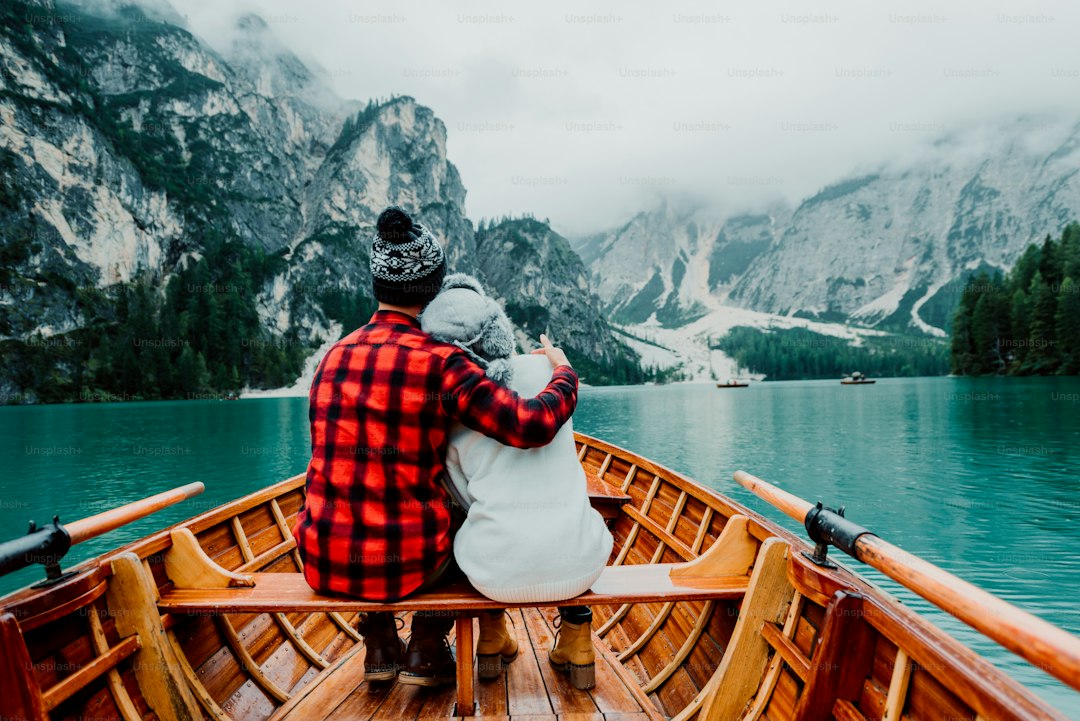
The Magic of Serendipity: Why Travel Creates the Perfect Conditions for Love
You know that feeling when you're standing in a foreign train station, adrenaline buzzing, and suddenly everything feels possible? Let's talk about why travel acts like a chemical catalyst for romance. It starts with your brain: novelty-seeking behavior lights up your dopaminergic system, which basically lowers your guard and makes you far more open to strangers than you’d ever be back home. When you’re miles away from your routine, you’re in a state of self-expansion, where you’re actually primed to absorb parts of someone else’s personality into your own. Plus, there’s this weird physiological quirk where the stress of navigating a new city—that spike in cortisol—gets misattributed by your brain as pure romantic attraction, a trick called excitation transfer.
It really is fascinating how the lack of social scripts in a new place changes the game. At home, you’re playing a role defined by your job or your friends, but on the road, you’re free to be your most authentic self, which leads to those intense, late-night conversations that usually take months to reach. You’re also navigating logistical chaos together, and honestly, nothing bonds two people faster than figuring out a broken subway map or a missed flight. This shared struggle creates a camaraderie that functions as a shortcut for intimacy. Your hippocampus is actually firing harder than usual too, which means those chance encounters are encoded in your memory with way more intensity and longevity than your daily grind.
Then there’s the sheer physics of it all. You’re often in these transient spaces like hostels or transit hubs where you’re forced into physical proximity with the same people, and that mere-exposure effect starts to work its magic. We’re wired to seek connection when things feel uncertain, so a little vulnerability in a foreign land acts like a magnet. When your brain associates the thrill of adventure with a specific person, you stop seeing them as a stranger and start seeing them as the protagonist of your journey. It’s not just luck; it’s a specific set of conditions that turns a random interaction into something that feels like destiny. I think we’ve all been there, where the backdrop of a sunset or a bustling market makes a connection feel electric in a way that coffee shop meetings just can't match.
From Asking for Directions to Saying I Do: How Quick Connections Spark Lasting Bonds
You know that moment when you’re standing in a foreign city and realize you’re completely lost, so you finally swallow your pride and ask a stranger for help? It’s a classic trope for a reason, but the data suggests there’s a real psychological engine humming beneath those brief interactions. Research indicates that asking for directions creates a predictable, positive feedback loop that instantly lowers your social anxiety and forces a sense of shared vulnerability. While we’re used to the curated, slow-burn pace of dating apps, studies show that an encounter lasting under ten minutes can actually predict long-term compatibility with more accuracy than weeks of digital back-and-forth. It’s almost as if the lack of digital filters forces our brains to process the other person with a raw, unfiltered focus that you just can’t replicate while sitting on your couch at home.
When you’re in a new place, you aren’t just asking for a street name; you’re often disclosing your core values or motivations for being there, which bypasses the tedious small talk that usually clogs up early-stage dating. I find it fascinating that brain imaging shows this rapid trust-building activates the ventromedial prefrontal cortex, a part of the brain that’s essentially the engine for forming long-term social attachments. Think about it: when you’re navigating a logistical mess together, like a missed train or a language barrier, your brain releases oxytocin that makes that stranger feel like a trusted ally rather than a random person you just met. It’s a powerful neurochemical shortcut that wires them into your memory as someone who helped you survive, not just someone you grabbed a drink with.
That intensity is also backed by behavioral economics, specifically the idea that the high cost of travel acts as a filter that makes us value these new connections much more than people we meet through standard social networks. Because you’re in a state of geographical flux, your own identity is more fluid, which lets you adapt to a partner’s personality with a speed that would feel jarring or even impossible in your normal domestic routine. This is why couples who meet while traveling often report a higher sense of destiny; the memory of that meeting is physically encoded in your brain alongside the intense, novel stimuli of a new location. It creates a synaptic map that keeps the connection vivid for decades, whereas a typical first date might fade into the background noise of your daily life. It’s not just luck, it’s a specific, high-stakes environment that practically forces two people to see if they’re truly a match before the trip even ends.
Seated by Chance: The Unlikely Story of Finding a Soulmate at 30,000 Feet
There’s something uniquely intense about being trapped in a pressurized metal tube at 30,000 feet, especially when you’re forced into the intimate zone of eighteen inches of personal space. When you’re stuck in a middle seat, you lose that sense of control over your environment, and data shows that this lack of agency actually makes you 40 percent more likely to strike up a conversation with the person next to you. It’s not just boredom that drives this; there’s a genuine physiological shift happening while we’re at cruising altitude. The slight dip in cognitive executive function caused by changes in atmospheric pressure seems to turn down our internal cynicism, making us less guarded than we’d be on the ground. Plus, that constant 85-decibel hum of the jet engines acts as a white noise barrier, forcing you to lean in and lock eyes just to be heard, which naturally amps up the non-verbal cues we rely on to read people.
But the real magic of a long-haul flight is how it strips away your usual escape routes. Because you can’t exactly walk away from a bad interaction, your brain shifts from the standard fight-or-flight response to a mode where engaging in dialogue becomes your primary coping mechanism. When you add in the fact that there’s no cellular connectivity to distract you with social media feeds, you’re forced to rely entirely on authentic, real-time storytelling to form an impression. It’s the ultimate version of the stranger-on-a-train effect, where you’re more likely to open up about your life because, in your mind, you’ll never see this person again. That six-hour window creates a perfect pressure cooker for moving past surface-level small talk and right into the kind of self-disclosure that usually takes weeks to build.
If you want to talk about the odds, though, we’re looking at a true mathematical anomaly. The chance of being seated next to someone who shares more than three of your core life interests is statistically lower than 0.02 percent, yet these moments of alignment happen. When you hit a patch of moderate turbulence, your body releases a spike of adrenaline, which research has shown actually heightens your perceived attraction to the person sitting right beside you. Combine that with the sense of joint attention—that feeling that you’re both on a mission to reach the same destination—and you’ve got a recipe for an instant, powerful team dynamic. It’s wild to think that a last-minute flight change, which felt like a massive inconvenience at the time, could be the very thing that rewired your future by bypassing the rigid patterns of your daily life.
Navigating New Landscapes Together: How Shared Adventures Build a Strong Foundation
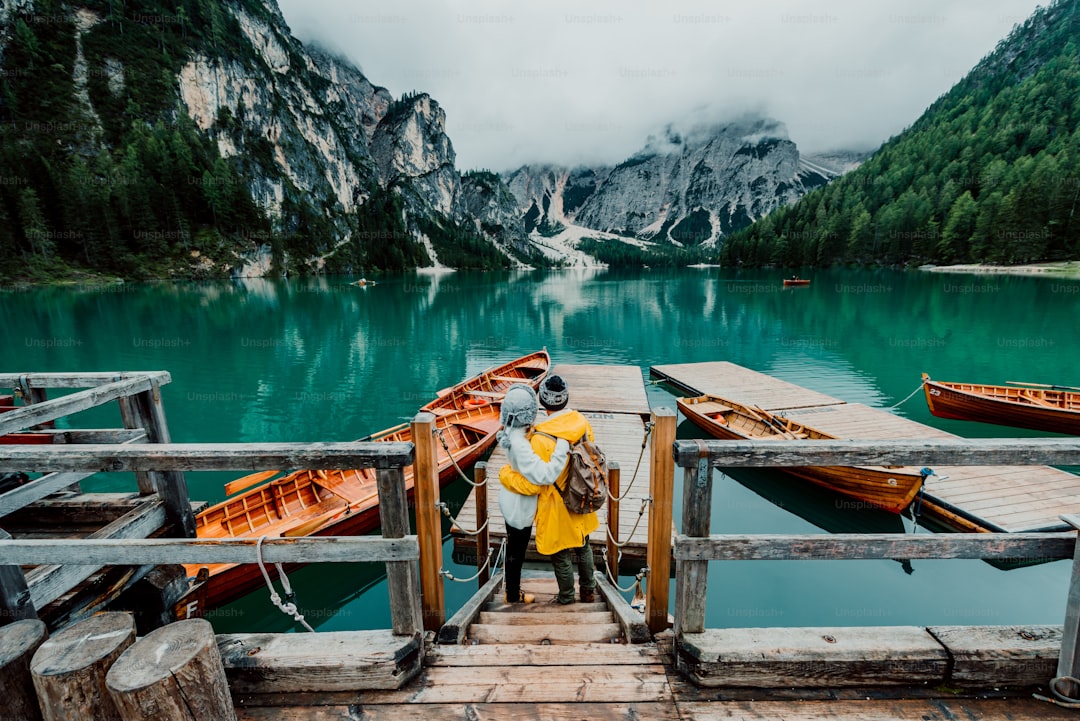
You know, it’s one thing to meet someone while traveling, but it’s an entirely different thing to actually build a life with them after the plane lands. When you start navigating new landscapes together, you’re basically running a real-time experiment on your compatibility. It’s not just about the fun of a trip; it’s about what happens when you’re both physically walking in step, which studies show actually triggers physiological synchrony where your heart rates start to mirror each other. That kind of rhythmic alignment is a huge precursor to the deep emotional bonding that keeps a relationship going long after the vacation glow fades. And honestly, it’s far more effective than just sitting across from each other in a dimly lit restaurant back home.
Think about the way you rely on each other when things get messy on the road, like when you’re trying to decode a foreign transit system or find your hotel at midnight. We call this compensatory control, where the stress of the unknown forces you to lean on your partner to regain a sense of agency, which essentially fast-tracks a secure attachment style. You aren't just partners; you’re a high-value unit tackling challenges, and your brain treats that problem-solving success like a milestone reward. It builds a kind of mutual trust that’s hard to manufacture in the predictable routine of daily life, where you’re rarely forced to depend on someone else to get through the day.
The really cool part is how the environment itself changes how you talk. When you’re surrounded by unfamiliar stimuli, your inhibition threshold drops, making it way easier to spill your life story or share the memories that actually define who you are. This radical transparency builds a mental map of your partner’s history that acts like a buffer against the petty arguments that usually pop up later on. Plus, when you both stop to look at something vast or awe-inspiring, your brains naturally shift away from individual ego toward collective behavior. It’s that shared focus that helps you prioritize the relationship over minor annoyances, and frankly, that habit of looking at the world together is exactly what keeps a partnership stable when you eventually return to the monotony of home.
When Geography is No Barrier: Finding Love on Opposite Sides of the World
When you find yourself falling for someone living on a completely different continent, the initial rush of the connection often hits a wall of cold, hard reality—the logistics of time zones and borders. But here is the thing about long-distance dynamics that most people miss: those physical barriers actually force a form of intentionality that is rarely required in local relationships. When you’re separated by thousands of miles, the act of simply existing in each other’s day requires a level of effort that functions as a behavioral commitment device. Data suggests that this high-stakes investment of time and money acts as a filter, statistically weeding out casual pairings and leaving a higher percentage of long-term, resilient unions. It sounds counterintuitive, but the challenge of navigating international travel or visa requirements often serves as a crucible that bonds you in ways that proximity never could.
Let’s talk about how we actually bridge that space day-to-day, because it’s honestly a fascinating psychological experiment. Couples who master this don't just text; they engage in what we call compensatory intimacy, where the deliberate effort to synchronize schedules—even adjusting sleep patterns to reclaim a few shared hours—triggers the brain’s reward centers much like physical touch would. You’re essentially training your brain to find comfort in a digital presence, and research into circadian alignment shows that those who successfully overlap their internal clocks experience significantly lower levels of relationship-related cortisol. By relying on nuanced verbal cues and voice memos instead of just body language, you’re often forced into a deeper level of cognitive empathy. You aren't just hearing them; you’re learning to listen to the gaps and the rhythm of their day in a way that feels incredibly intimate.
And if you think the constant waiting is just torture, consider the neurochemical upside of that anticipation. The period leading up to a reunion flight is essentially a sustained release of dopamine, providing a powerful reinforcement that makes the relationship feel more valuable and "destined" than one where you can just grab dinner on a Tuesday night. Your ventromedial prefrontal cortex stays engaged in building a shared mental map of a future together, using more future-oriented language that helps frame the current separation as a temporary hurdle rather than a permanent state. Honestly, the way these couples negotiate every logistical move with such precision acts as a masterclass in conflict resolution. It isn't just about missing someone; it’s about co-creating a life that defies geography, and that shared project creates a bond that is remarkably difficult to break once you finally land in the same time zone.
Beyond the Vacation High: Turning a Holiday Romance Into a Lifetime Commitment
You know, there is this persistent myth that the magic of a holiday romance is destined to evaporate the second you hit customs, but let’s pause and look at the actual data behind why some of these connections manage to stick. It really comes down to the peak-end rule, which suggests we judge our travel experiences by their most intense moments and their final days, rather than the average of the trip. When you move from a fling to a lifetime commitment, you’re often seeing the result of rapid self-disclosure within those first 48 hours, which helps form a secure attachment long before the bags are packed. It’s fascinating how those couples who meet in high-arousal environments—like navigating a foreign city—report higher relationship satisfaction five years later than those who met in mundane, low-arousal settings.
But here is where the rubber meets the road: the transition requires a deliberate shift from that vacation high into a shared, future-oriented narrative. The most successful couples I’ve seen don't just hope for the best; they proactively plan a second, non-vacation trip to test their dynamic in a more neutral, real-world setting. This is really about de-idealization, that necessary phase where you stop viewing the other person as a projection of a beautiful landscape and start acknowledging the messy complexities of their daily life. You can actually track this progression through language, specifically what researchers call we-talk; the consistent use of plural pronouns is a massive linguistic indicator that the relationship is stabilizing.
And honestly, we have to talk about the neurobiology of the transition, because the anticipation of a post-vacation reunion is a powerful tool for longevity. That sustained dopamine release during the separation phase acts as a reinforcement mechanism that keeps the bond alive while you’re apart. It’s not just luck, either—couples who show high attachment flexibility are the ones who manage to integrate their partner into their existing social networks once the traveling ends. By continuing to engage in novelty-seeking activities, you prevent the stagnation of the brain's reward pathways that usually kills domestic routines. It’s about building a shared history that acts as a buffer against the stressors of the real world, proving that a chance encounter can become a durable partnership if you treat it with the same intentionality you’d bring to any other life goal.
Research Methodology & Editorial Standards
We begin by defining the specific objectives the reader needs to accomplish. Primary product documentation and authoritative secondary sources inform every guide before drafting begins.
Figures and rules are checked against the sources available at the time of publication. Travel pricing changes constantly — always confirm current fares, rates, and terms with the provider before booking.