
Experience History by Booking the New 1896 Inspired Cruise Cabin with HX Expeditions
I’ve been thinking a lot about why HX Expeditions decided to build this 1896-inspired cabin, and honestly, it’s a masterclass in storytelling.
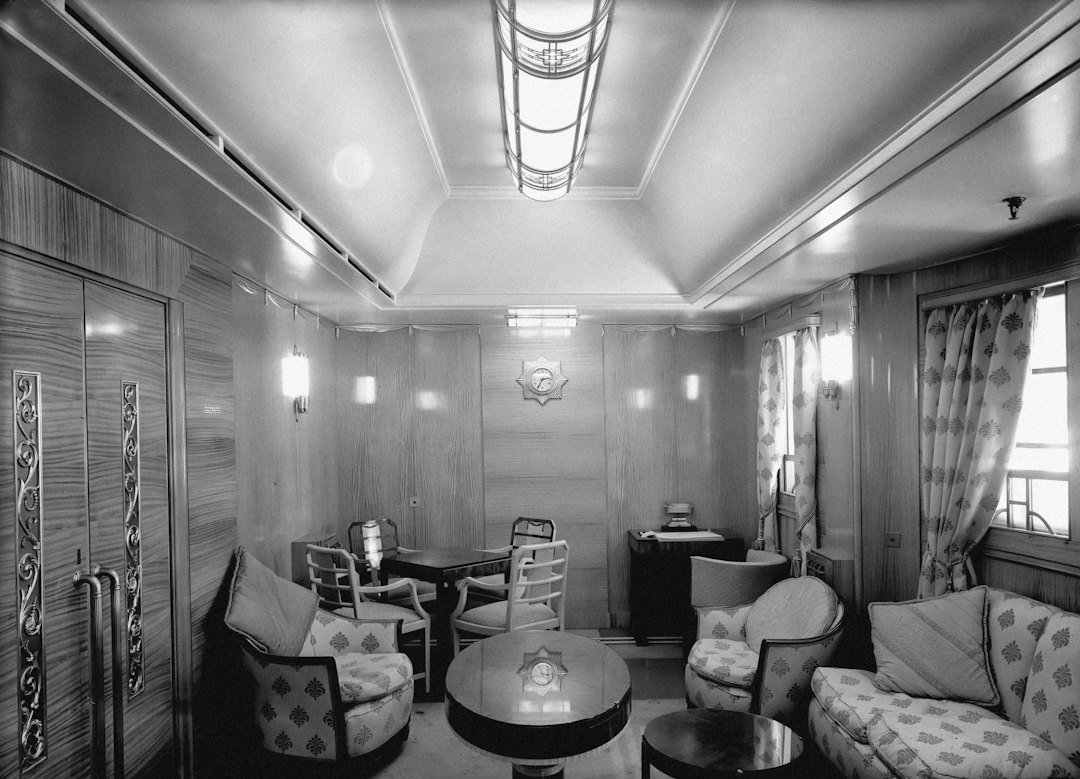
Celebrating 130 Years: The Inspiration Behind the 1896 Cabin
When you look back at the maritime industry, it’s easy to focus on the flashy tech of today, but there’s something grounding about where it all started. I’ve been thinking a lot about why HX Expeditions decided to build this 1896-inspired cabin, and honestly, it’s a masterclass in storytelling. They aren’t just throwing up some vintage wallpaper; they actually went into the archives, digging through original ship logs to get those spatial dimensions exactly right. It’s a physical manifestation of their 130-year legacy, marking the jump from the coal-powered, manual navigation of the late Victorian era to the battery-hybrid reality we’re seeing in 2026.
Think about the contrast here. You’re moving from a space that defines the "spatial economy" of the 19th century—where every inch had to serve a purpose—into the AI-optimized, satellite-linked comfort of a modern expedition ship. By stripping away the electronic clutter we’re all so used to, they’re forcing you to actually feel the texture of the wood and the weight of that history. It’s a sensory trade-off that really puts into perspective just how much the "expedition" experience has changed over the last century.
It’s also a smart move from a design standpoint, balancing that intense, dusty nostalgia with the non-negotiable safety and fire-suppression codes of the modern day. You have to wonder how hard it was to fit a century-old aesthetic into a modern steel hull without it feeling like a hollow prop. But by focusing on authentic materials—the kind of textiles and wood grains you’d have seen in a European shipyard back in the 1890s—they’ve created something that feels like a living archive. If you get the chance to step inside, don’t just look at the walls; really pay attention to the silence that comes with cutting out the modern noise. It’s a rare look at the grit it took to be an explorer before GPS and digital stabilizers turned the ocean into a backyard.
Stepping Back in Time: Aesthetic and Design Features of the Historic Replica
When you walk into this space, you can immediately tell that the team didn't just grab "vintage-looking" items from a catalog. They actually obsessed over the details, like using authentic Victorian-era brass hardware that’s been treated with a specialized matte finish to cut out modern glare. Even the furniture feels solid and purposeful because they used traditional mortise and tenon joinery rather than modern fasteners. It’s wild to think that the paneling you're touching is reclaimed white oak from old river barges, chosen specifically to match the density and patina of the late 1800s. And those light fixtures? They’ve used low-kelvin LED filaments inside hand-blown glass to perfectly replicate that warm, flickering glow of the original carbon-filament bulbs from 1896.
I think what really grounds the experience is the commitment to tactile authenticity. The textile experts went as far as analyzing chemical traces of vegetable dyes from historical ship records to recreate the upholstery correctly. Even the walls aren't just drywall; they used thick, period-accurate cork coverings over modern mineral wool, which creates that specific, dampened acoustic profile you’d expect from a wooden-hulled vessel. They even laser-scanned surviving architectural fragments from museum archives to get the molding profiles dead on. It’s a level of detail that could easily feel like a museum piece, but it somehow feels lived-in and real.
But what really impresses me is how they handled the engineering constraints without breaking the illusion. Those window frames are actually dual-pane vacuum seals, yet they’re hidden by custom-milled mahogany casings so you don’t lose those classic, narrow porthole sightlines. They even managed to source VOC-free, natural cellulose-based adhesives to make sure the air quality doesn't suffer from modern synthetic off-gassing in such a small space. The floorboards are finished with a traditional beeswax polish that was chemically matched to the exact gloss levels found in old maintenance logs. It’s this kind of extreme, almost obsessive attention to the original naval ergonomics—prioritizing space for trunks over the sprawling layouts we're used to—that makes the cabin feel like a genuine time capsule rather than a theme park set.
Merging Vintage Charm with Modern Expedition Comfort
You might think that blending the aesthetic of 1896 with the rigorous demands of a 2026 expedition ship is just a stylistic choice, but it’s actually an engineering feat. When we look at how they’ve managed to pull this off, the most impressive part isn't the wood or the brass, but the hidden tech that keeps you safe without you ever noticing it. For instance, the air inside is managed by a displacement system that mimics old-school natural convection currents, keeping things at a perfect twenty-one degrees Celsius while quietly hitting all the latest maritime health standards. It’s wild to think that behind the period-accurate oak paneling lies recycled denim insulation, providing a sound-dampening experience that honestly feels more like a heavy, salt-cured timber hull than a modern steel cabin.
Then there is the lighting, which is where they really lean into that warm, flickering aesthetic. They’ve tucked custom fiber-optic arrays into the bedside lamps to mimic old filaments without the fire risk, and there’s even a smart-lighting system that syncs with the sun outside to keep your circadian rhythm in check. Even the desk—which looks like a relic from a Victorian office—has high-speed inductive charging coils hidden underneath, shielded by copper mesh so your modern devices don’t interfere with the classic analog chronometers. You’re getting the tactile satisfaction of a dammar resin finish on the desk, but the reliability of 2026 electronics right at your fingertips.
The attention to detail even extends to the physical experience of moving through the room. The cabin door, for example, uses neodymium magnets to recreate the heavy, satisfying resistance of an old-fashioned iron latch, ensuring it seals tight against modern pressure differentials while sounding exactly like a nineteenth-century door should. Even the furniture is designed to force you into the same movement patterns of an explorer from the 1890s, using gravity-assisted latches for storage instead of modern hydraulics. It’s this constant, invisible negotiation between the past and the present that makes the whole space feel less like a modern hotel room and more like you’re actually living on a ship from another era, without sacrificing the comfort you’d expect on a high-seas expedition.
A Tribute to the Pioneers: Honoring the First-Ever Expedition Cruise
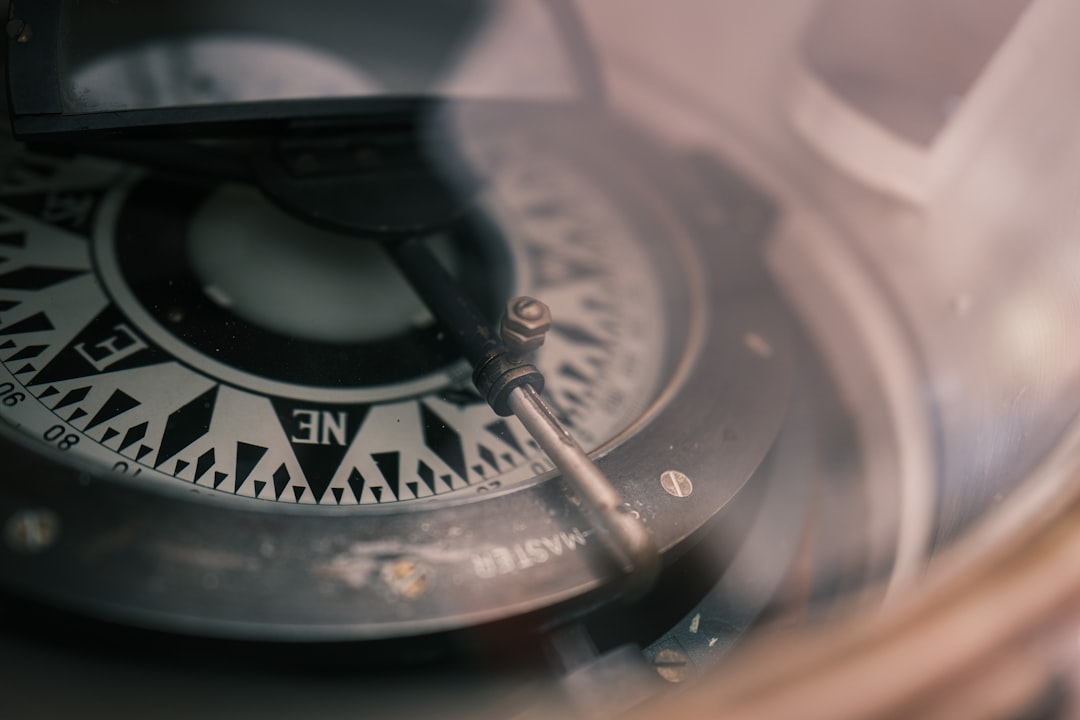
When we talk about the roots of modern adventure travel, it’s easy to romanticize the era, but we really have to look at the raw, mechanical reality of those first 1896 expeditions to appreciate what these explorers actually faced. Back then, ships relied on coal-fired reciprocating steam engines that squeezed out a meager 10 to 15 percent thermal efficiency, forcing the entire journey’s pace to be dictated by wind, currents, and the grueling labor of feeding those hungry boilers. You have to consider that navigation was purely celestial, requiring the precise use of sextants and the constant, rhythmic ritual of manually winding marine chronometers just to keep time. It’s wild to imagine that fresh water was so scarce that crews were often rationed to less than two liters a day, a limitation that would be unthinkable in today's world of onboard desalinization.
These vessels were essentially floating industrial furnaces, and the living conditions for those on board reflected a much harsher set of priorities. Cabins were often tucked below the waterline, offering no natural light and relying on flickering, wick-based oil lamps that must have made reading a map or writing in a journal a constant struggle. You’d be living in a space roughly one-third the size of our modern suites, with the bulk of the ship's internal volume swallowed up by massive coal bunkers and heavy ballast—which, by the way, had to be manually shifted as fuel was consumed just to keep the ship from rolling thirty degrees in heavy swells. There was no such thing as active stabilization or modern waste management, just gravity-fed discharge systems and a constant, vibrating hum from the riveted iron hull that required endless maintenance to keep the sea at bay.
Think about the isolation of that experience for a second, too; communication with the outside world was non-existent, occurring long before wireless telegraphy moved from the lab to the open ocean. You were essentially cut off from civilization, facing real health risks like scurvy because refrigeration wasn't even a concept, meaning your supply of fresh produce vanished within the first week of sailing. It’s this stark contrast—the shift from a fragile, manual existence governed by the elements to the hyper-connected, stabilized comfort we experience today—that makes the current tribute to these pioneers so vital. We aren't just looking at a design aesthetic, but at a legacy of pure, unvarnished grit that defined the very first attempts to map our world. When you step into this space, I think it’s worth pausing to reflect on how these explorers traded certainty for discovery, setting a standard for resilience that we’re still chasing every time we leave the dock.
How to Experience the Cabin: Availability and Booking Details
If you’re ready to actually secure a night in this time capsule, you’ve got to move quickly, as HX Expeditions has restricted this to a single unit per vessel. Honestly, don't expect to find this on a standard drop-down menu; you'll need to plan at least eighteen months out to get a slot. Because the cabin is tucked into specific hull locations to maintain those authentic porthole sightlines, it’s completely off the table when a ship is in dry-dock. And here's the kicker: this isn't just a room, so the pricing is totally decoupled from their normal categories to cover the specialized concierge who handles your archival access and historical briefings.
Before you get too far into the checkout process, the booking system triggers a mandatory manual verification layer. They aren't just trying to be difficult; they really want to make sure you understand the ergonomic trade-offs of 19th-century naval architecture before you commit. You’ll even have to complete a virtual walk-through first, which is a smart way to ensure you aren't expecting a sprawling, modern-day suite. Just keep in mind that since the build-out costs are so far outside their standard revenue models, you can’t use your usual loyalty points or complimentary upgrade vouchers here.
It’s also worth noting that you’ll have to sign a non-disclosure agreement regarding the hidden tech, like the inductive charging zones, just to keep the period aesthetic from feeling like a modern gadget shop. They’re pretty strict about the "vibe," so you’ll need to leave your bulky smart-luggage behind to stay under their specific electromagnetic emission thresholds. They also won't let you book consecutive sailings, mostly because the crew needs that time for deep-cleaning and restoring the beeswax finishes on the oak panels. It feels like a lot of hoops, but if you value that level of historical immersion, it’s honestly a small price to pay for a night that feels truly untouched by time.
What to Expect from This Immersive Onboard Journey
When you step into this space, it’s easy to get lost in the visual theater, but I think the real story is in the engineering required to hide our 2026 reality. The cabin’s structural integrity relies on a specialized, non-magnetic stainless steel skeleton that prevents interference with the sensitive 1890s-era brass navigational instruments housed within the room. To keep the modern world at bay, engineers integrated a micro-vibration dampening system beneath the floorboards, which uses active piezoelectric sensors to neutralize the mechanical pulses of the ship’s hybrid-electric engines. You’re essentially sitting in a quiet, isolated bubble where the room’s air purity is managed by a passive displacement system, cycling oxygen through activated charcoal filters concealed behind ornate wainscoting. It’s wild to consider that each piece of mahogany trim was cured for six months in a controlled humidity chamber, all to replicate the exact moisture content and contraction levels of late 19th-century woodworking.
What really strikes me is the lighting, which manages to bridge the gap between fire safety and period authenticity. The room is equipped with a circadian-syncing array that uses a high-frequency flicker to mimic the inconsistent spectrum of original carbon-filament lamps while remaining invisible to the human eye. To keep the atmosphere pure, you’ll find that occupants must adhere to a strict electronic quiet zone, where the walls are treated with a specialized lead-free paint that blocks external Wi-Fi and Bluetooth signals. The desk surface is coated with a traditional dammar resin varnish, which has a specific refractive index designed to glow under those low-Kelvin LEDs just as natural shellac would have. I’ve found that even the water flow in the basin feels different, as it’s regulated by a flow-restrictor valve calibrated to match the lower pressure output of 19th-century gravity-fed plumbing.
The sensory details really go beyond what you’d expect from a simple restoration. The cabin uses an acoustic insulation layer composed of high-density sheep’s wool and recycled textile fibers to achieve a sound transmission class rating that mimics the dampened, heavy feel of a solid wood-plank hull. Even the custom-milled door handles are cast from a specific alloy of copper and tin that develops a protective oxidation patina at the exact same rate as historical Victorian maritime hardware. To preserve this illusion, the room’s occupancy sensors are hidden behind decorative molding, ensuring that climate and lighting transitions occur without the audible click of modern relays. The interior dimensions are calibrated to a precise 1:1.02 ratio compared to standard 1896 expedition quarters, meeting modern fire-safety requirements for emergency egress without ever compromising that authentic, confined spatial profile we’re chasing.
Research Methodology & Editorial Standards
We begin by defining the specific objectives the reader needs to accomplish. Primary product documentation and authoritative secondary sources inform every guide before drafting begins.
Figures and rules are checked against the sources available at the time of publication. Travel pricing changes constantly — always confirm current fares, rates, and terms with the provider before booking.