
Experience 19th Century Arctic Exploration in This New HX Expeditions Cabin
When we talk about the history of exploration, it is easy to get lost in the grand maps and distant dates, but HX Expeditions is trying to do something much more tactile to mark their 130th anniversary.
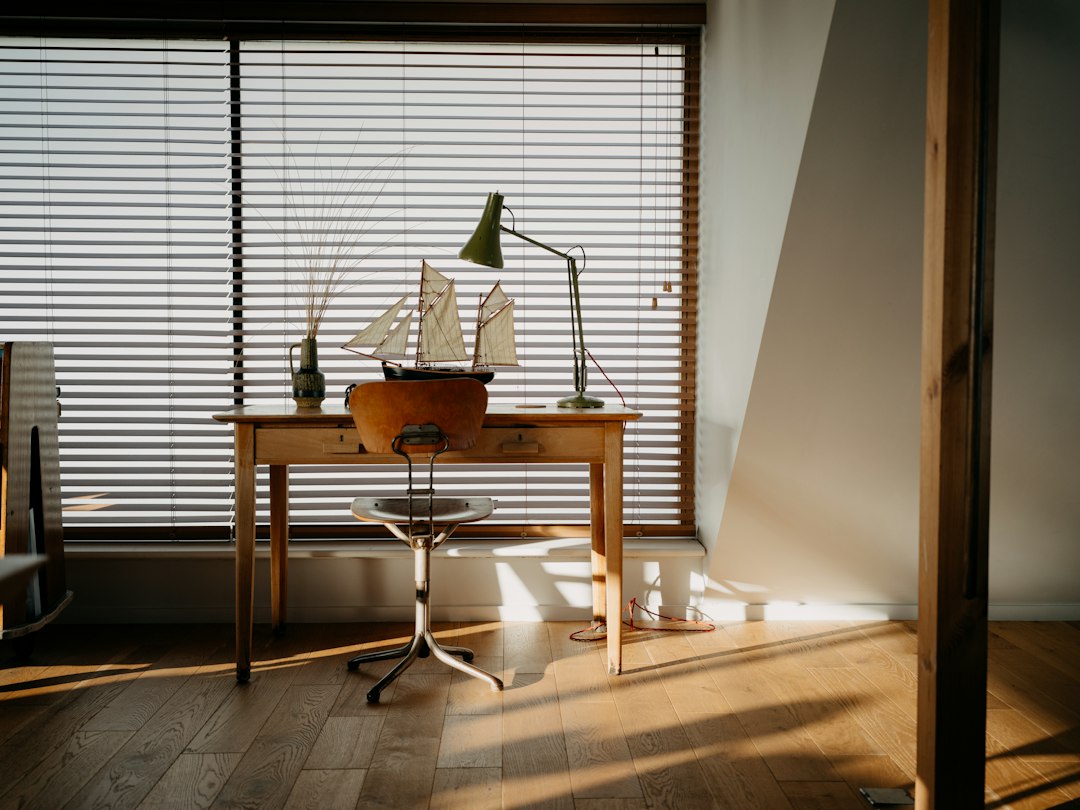
Celebrating 130 Years: The Story Behind the 1896 Cabin
When we talk about the history of exploration, it is easy to get lost in the grand maps and distant dates, but HX Expeditions is trying to do something much more tactile to mark their 130th anniversary. They have created the 1896 Cabin, a space that feels less like a hotel room and more like a time machine anchored in the reality of Victorian-era maritime life. I have spent a lot of time looking at how cruise lines try to manufacture nostalgia, but the level of granular detail here really caught my attention. They aren't just slapping some vintage-looking wallpaper on the walls; they actually used digitized archives of original ship blueprints to make sure the spatial dimensions mirror those cramped, functional quarters from the 1890s. It’s an honest, slightly claustrophobic acknowledgment of what life was truly like when Arctic travel was a far more precarious undertaking.
The technical execution is where this really moves beyond a simple display piece. The team used traditional joinery for the bunk frames, avoiding modern screws entirely to keep the structural integrity authentic, while simultaneously hiding high-performance aerogel insulation behind the walls to keep you warm in the modern Arctic. Think about the contrast there—you’re surrounded by dark-stained oak and brass fixtures that look like they belong in a museum, yet the thermal efficiency is lightyears ahead of the cork and wool stuffing used back in the day. They even went as far as color-matching the paint using recovered chips from museum archives to ensure the finish was period-accurate without the toxicity of 19th-century lead mixtures. It is a strange, fascinating marriage of old-world aesthetic and high-end engineering.
And you can tell they really sweated the small stuff to sell the illusion. The lighting uses custom low-wattage LEDs inside frosted glass to mimic the soft, flickering glow of oil lamps, and they’ve even calibrated the ventilation to produce a subtle, mechanical hum that sounds like a vintage steam engine room. They’ve even removed modern digital interfaces in favor of concealed mechanical dials, and you’re provided with stationery that mimics the high-fiber, acidic feel of Victorian paper for your own logs. Honestly, it’s a refreshing change of pace from the standard, sterile luxury we usually see on ships today. If you have ever wondered what it actually felt like to navigate the Svalbard archipelago before the turn of the century, this feels like the closest you are ever going to get.
Stepping Back in Time: Aesthetic Features of the Immersive Design
When you walk into this space, you immediately notice that the sensory details aren't just for show; they’re engineered to pull you into a different century. Take the brass fixtures, for instance, which underwent an ammonia-based patina process to mirror the exact oxidation seen on salvaged 1890s navigational instruments. Even the feel of the room is accounted for, as the floorboards were hand-planed with iron-blade tools to recreate that specific, uneven grain you’d find on a historic deck. They’ve also used traditional hot-hide glue for the trim, a smart move that avoids the sterile look of modern synthetic epoxies while staying true to 19th-century construction. It’s the kind of obsessive attention to material reality that makes the cabin feel lived-in rather than just staged.
The lighting and acoustics are where the design gets truly clever, as they’ve managed to hide modern tech behind a facade of period-accurate function. Custom drivers force the LEDs to micro-flicker at a 60-hertz frequency, perfectly capturing the slight electrical instability of early shipboard lighting. They’ve even managed to mask the ventilation hum, keeping it under 35 decibels using acoustic foam hidden behind mahogany bulkheads so you get the quietude of a ship at anchor without the modern noise floor. Even the window glass has an uneven thickness profile, replicating the optical distortion that was standard in hand-blown glass back then. It’s a strange, quiet victory to see such high-tech engineering working so hard to remain invisible.
And then there are the smaller, tactile choices that hit you once you settle in. The linens are made from authentic flax-based fabric with a traditional weave, and the mattresses use a fiber blend that perfectly mimics the density and compression of vintage horsehair. They’ve even gone as far as working with historical chemists to synthesize a faint, subtle scent profile of whale oil and coal dust to round out the experience. Even the mounting system for your gear is hidden, using magnets behind the paneling to avoid any modern screws or adhesives that would break the illusion. It’s honestly one of the most cohesive design projects I’ve seen, proving that you can actually build a bridge to the past if you’re willing to sweat the details that most people wouldn't even think to look for.
Authentic Details: From Victorian Bunk Beds to Barrel Bars
When you start looking at the specific furniture pieces in the 1896 Cabin, you realize the designers weren't just guessing. Take the barrel bar, for instance, which is crafted from actual staves salvaged from 19th-century whiskey casks. By using wood that still bears the microscopic traces of charred grain, they’ve managed to capture a scent and texture that modern mass-produced oak simply can't replicate. They sealed the wood with a food-safe beeswax finish, which protects the surface without masking that porous, aged feel you’d expect to find in a century-old hold. It’s a smart way to balance historical integrity with the reality of living in a modern cabin.
The bunk beds are equally obsessive, moving far beyond simple aesthetics to focus on how things were actually built back then. The hinges were forged in a coal-fired furnace, a process that creates a specific carbon-rich surface structure that you only ever see on genuine Victorian-era ironmongery. They didn't stop there, either; every rivet was hand-peened to mimic the irregular, human-touched nature of 1890s shipbuilding rather than the boring, uniform finish you get from modern industrial stamping. Even the safety rails are tapered to match the exact ergonomic standards seen on the original Fram, showing a level of research that borders on the extreme.
To tie the room together, they’ve applied a historical lye-wash to the floorboards, which chemically alters the oak fibers to replicate the natural graying effect that comes from decades of salt exposure. Even the desk uses a traditional shellac derived from lac resin, providing a brittle, warm refraction index that makes modern polyurethane look plastic by comparison. They’ve even gone as far as using a custom blend of mutton tallow and graphite to lubricate the moving parts of the bar, ensuring that the physical resistance of the furniture feels authentically period-correct. It’s this kind of mechanical and material honesty—like the way the barrel bar uses hidden acoustic cork to replicate the dull thud of a crate full of supplies—that makes the experience feel less like a hotel and more like a genuine artifact of maritime history.
The Evolution of Arctic Exploration: Honoring HX Expeditions' Legacy
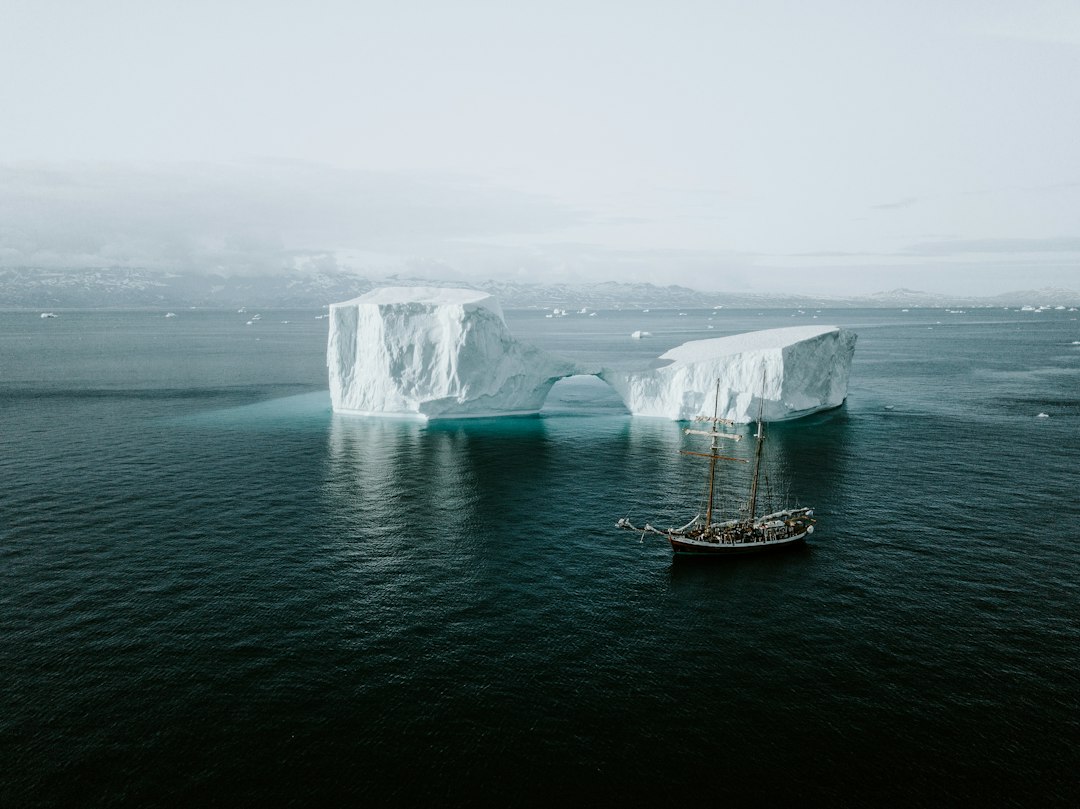
When you look at the evolution of Arctic exploration, it’s easy to focus on the sheer grit of the early pioneers, but honestly, there’s something fascinating about how we’ve moved from survival-based necessity to a more nuanced, observational era of travel. If you consider the 1890s, when explorers were essentially betting their lives on the drift method, the focus was entirely on mechanical survival—think of the Fram’s rounded hull designed specifically to pop out of crushing ice rather than being shattered by it. Back then, navigating the high latitudes meant relying on sun compasses and celestial mechanics because magnetic compasses were practically useless near the pole, a reality that makes our modern GPS-reliant world feel almost unrecognizable. It wasn't just about finding a route; it was about managing trade-offs, like dedicating nearly half of a ship's volume to coal just to keep steam engines running against the pack ice.
We often forget that this era was defined by a brutal, high-stakes relationship with the environment that forced innovation out of pure desperation. Explorers were forced to rely on indigenous knowledge for scurvy prevention and used wool because its lanolin could actually keep them warm even when soaked through with frigid sea spray. The gear itself was a marvel of low-tech engineering, from brittle iron fittings that required flexible, hand-crafted timber bracing to the use of heavy lead lines for mapping the seabed by hand. It’s a stark contrast to where we are today, and I think that’s why HX Expeditions focusing on this history matters so much; it forces us to confront the reality of how thin the margin for error actually was.
When we talk about honoring that legacy, we’re really talking about the transition from those desperate, high-caloric survival diets—like relying on pemmican to hit 6,000 calories a day—to a modern, intentional experience. You can see how the industry is shifting under leadership like Alex McNeil, who is steering these expeditions toward a more sophisticated, research-led approach that respects the history of the regions they visit. It’s not just about taking a cruise; it’s about recognizing the scientific and cultural weight of the routes that were carved out by those early, incredibly brave figures. Understanding this evolution helps you appreciate exactly what’s happening on modern vessels, where the goal is to bridge the gap between that raw, historical intensity and the refined, educational discovery we expect today.
Booking Your Stay: What to Expect from the Vintage Cabin Experience
When you decide to book the 1896 Cabin, you’re essentially opting into a highly curated, time-sensitive experiment rather than a standard cruise room. I think it’s important to manage your expectations early; this isn't about sprawling square footage or the typical modern creature comforts you might expect on a luxury vessel. In fact, the cabin is strictly confined to 8.4 square meters to mirror the exact spatial constraints of a 19th-century berth, which is a tight squeeze by any contemporary standard. You’ll find the entire layout is governed by a strict geometric ratio pulled straight from 1890s naval blueprints, meaning every inch serves a functional, albeit historical, purpose.
If you’re wondering how they pull off the atmosphere without it feeling like a cheap theme park, it comes down to invisible, high-end engineering. They’ve integrated a custom HVAC system that uses charcoal and zeolite filters to scrub the air of modern scents, instead introducing subtle notes of historical maritime environments, which is a level of detail that honestly blew me away. Even the lighting feels authentic because they’ve used micro-processors to force LEDs to flicker at a 60-hertz frequency, capturing that specific, slightly unstable glow of early shipboard electricity. The acoustics are equally dialed in, with bulkhead panels backed by high-density cork to replicate the muffled, resonant sound profile of a wooden hull on the water.
When you settle into the space, you’ll start to notice how the hardware and finishes are doing a lot of heavy lifting to ground you in the era. The brass fixtures aren't just aged; they’ve been chemically etched with potassium sulfide to match the patina of salvaged wreckage, and the desk uses a natural shellac that avoids the plastic-like glare of modern synthetics. You’ll even find a bespoke barometer that provides data consistent with 19th-century meteorological monitoring, which is a fantastic touch if you enjoy the technical side of navigation. It’s a strange, fascinating marriage of genuine antique aesthetic and modern, high-performance tech that stays hidden just out of sight.
Ultimately, I think this experience is for the person who wants to understand the sheer grit required for those early Arctic expeditions without actually having to endure the scurvy or the sub-zero cabin temperatures. Everything, from the flax-blend stationery to the magnetic mounting systems for your gear, is designed to keep the illusion intact while keeping you safe during the pitch and roll of Arctic sea states. It’s a bold departure from the standard "more is better" approach in hospitality, and frankly, I find that refreshing. If you’re prepared for a more intimate, demanding environment, it’s easily one of the most intellectually satisfying ways to travel I’ve come across.
Navigating the Arctic: Blending Historical Charm with Modern Adventure

When you really look at what it meant to traverse the high latitudes back in the 1890s, the blend of grit and primitive engineering is almost impossible to wrap your head around today. You had explorers trying to map the Svalbard region while battling the Fata Morgana effect, an Arctic mirage that warped the horizon and frequently tricked crews into miscalculating their distance from land. To keep their bearings, they relied on sextants that required constant, tedious recalibration for atmospheric refraction, while simultaneously watching for magnetic compass deviations that might signal iron-rich ore deposits beneath the ice. It was a brutal game of trade-offs, where nearly forty percent of a ship's internal volume had to be sacrificed for coal just to feed steam engines that barely operated at 80 pounds per square inch of pressure.
The physical reality of that life was just as demanding, especially when you consider the metabolic toll of staying warm in a cabin that rarely climbed above 5 degrees Celsius. Men were burning through 8,000 calories a day, relying on high-fat pemmican to survive, while their only hope for fresh nutrients was scurvy-grass grown in small crates aboard the ship. They used iron gall ink to etch logs into their paper, a chemical necessity that ensured their observations wouldn't be lost to the damp, freezing air. And when the water supply ran low, they weren't just grabbing any ice; they had to hunt specifically for multi-year sea ice, which had leached enough brine over the summers to actually be drinkable.
But here is where the modern perspective gets interesting, especially when we compare that era to how we navigate the same waters today. Ships back then used greenheart timber sheathing—a wood so dense it sinks—to literally bash through the ice, while the rhythm of the propeller shaft served as their only primitive sonar to gauge ice density. Today, we’ve replaced the Venturi-effect funnels that once relied on wind to pull fresh air into the quarters with high-tech climate control, yet we still find ourselves drawn to the aesthetic of those old wooden hulls. It is a strange, fascinating irony that we now use advanced engineering to recreate the very constraints that early explorers spent their entire lives trying to overcome. I think we’re drawn to this because it forces us to acknowledge just how thin the margin for error was for those who came before us.
Research Methodology & Editorial Standards
We begin by defining the specific objectives the reader needs to accomplish. Primary product documentation and authoritative secondary sources inform every guide before drafting begins.
Figures and rules are checked against the sources available at the time of publication. Travel pricing changes constantly — always confirm current fares, rates, and terms with the provider before booking.