
Everything You Need To Know About Packing Liquids In Your Carry On Bag
If you’re packing ice packs to keep your snacks cool, they have to be frozen solid—if there’s even a hint of slush or melted liquid in that bag, you’re likely going to get flagged for a secondary search.
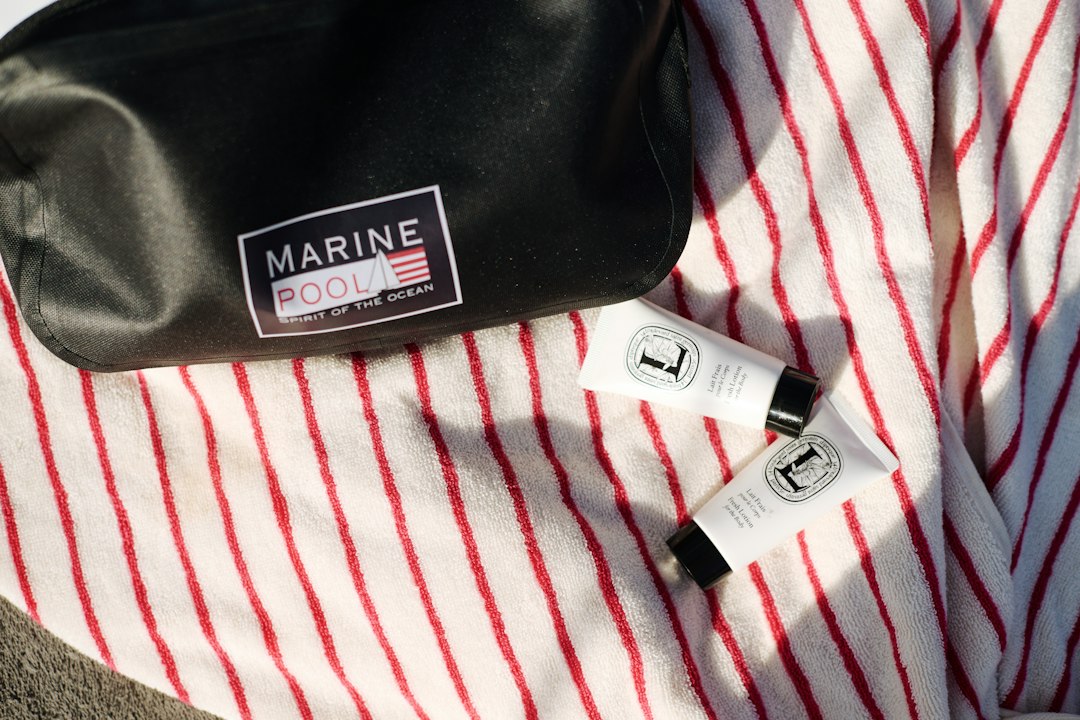
Understanding the TSA 3-1-1 Rule: The Basics of Liquid Restrictions
If you’ve ever stood in a security line clutching a half-empty shampoo bottle and wondered why it’s suddenly a security risk, you aren't alone. We’ve all been there, staring at the 3-1-1 rule—3.4 ounces or less per container, all fitting into one quart-sized bag, with one bag per passenger—as if it’s some unsolvable puzzle. It’s easy to get frustrated, but it helps to remember that this rule was born out of the 2006 transatlantic plot where liquid explosives were the primary threat. Think of it as a volume-based hurdle rather than a weight check; it doesn’t matter if your container is almost empty, it’s the capacity printed on the bottle that counts. If you try to slide a six-ounce bottle through with only a splash of lotion left, you’re almost certainly going to lose it.
And it gets weirder when you realize what the TSA actually classifies as a liquid. It’s not just water or gels; things like peanut butter, hummus, and even soft cheeses are treated exactly like your hair spray because they can be manipulated to hide prohibited items. Even those fancy sea salt scrubs or solid-looking candles can trip a sensor because, under pressure, they act like fluids. If you’re traveling with aerosolized products, they’re in the same bucket too, as they’re essentially pressurized gases in a liquid state. It’s a bit of a gray area, but the core logic is all about density and consistency.
I know it feels like we’ve been dealing with these rules forever, but there is some light on the horizon. Some airports are rolling out advanced scanners that use computed tomography to analyze density, which might eventually make these strict volume limits a thing of the past. For now, though, we still have to play by the rules, especially with things like medication or contact lens solution. Those are generally exempt if you declare them as medical necessities, so don’t be afraid to speak up and separate them from your main bag. It’s just one of those things you have to plan for, but once you get the hang of the 3-1-1 system, it stops being such a headache.
What Counts as a Liquid? Common Items That Trigger Security Screening
Let’s get real about what actually trips up the security scanners, because it’s usually the stuff you’d never think to double-check. You might think you’re in the clear with a jar of peanut butter or a fancy spread, but TSA agents classify these as gels, meaning they have to play by the exact same 3.4-ounce rules as your shampoo. It’s the same deal with beauty essentials like mascara and lip gloss; even though they feel like solids, their chemical makeup keeps them firmly in the liquid category during screening. I’ve seen people lose expensive jars of jam or local maple syrup simply because they didn't realize that density is what the scanners are looking for, not just whether the item pours like water.
The weirdest one that always catches people off guard? Snow globes. Even those tiny, cute souvenirs are frequently confiscated because the fluid inside can be used to mask prohibited materials, and scanners really can't distinguish between a harmless toy and a security risk. Then you have the whole frozen items saga. If you’re packing ice packs to keep your snacks cool, they have to be frozen solid—if there’s even a hint of slush or melted liquid in that bag, you’re likely going to get flagged for a secondary search. Canned soups and stews are another common trap, as their high liquid content puts them in the same bucket as a bottle of water.
And don't get me started on the aerosol situation. Items like dry shampoo aren't just liquids; they're pressurized containers, which adds a layer of scrutiny that can really stall your progress through the checkpoint. Gel-based candles are another frequent offender because their density often mimics prohibited substances on an X-ray screen, making them a headache you’re better off avoiding in your carry-on. Even toothpaste is officially lumped in with pastes and gels, so it’s constantly eating up that precious space in your quart-sized bag. Honestly, the best way to handle this is to treat anything that can be spread, pumped, or poured as a potential liquid—if you’re even slightly unsure, it’s safer to check it and save yourself the stress at the gate.
Packing Essentials: Choosing the Right Containers and Toiletry Bags
Choosing the right containers and toiletry bags is honestly the difference between a seamless arrival and opening your carry-on to find a shampoo-covered disaster. I’ve learned the hard way that silicone travel bottles are objectively superior for air travel, primarily because they remain flexible under cabin pressure changes, which significantly lowers the risk of seams splitting compared to those brittle, rigid plastic options you find in bargain bins. If you grab BPA-free, food-grade silicone, you're also getting a versatile vessel that’s chemically inert, meaning it won’t react with your expensive serums or even act as a backup for snacks if you’re in a pinch. Plus, vacuum-sealed pump bottles are a total game changer compared to traditional squeeze tubes because that internal disc design pushes the product upward, allowing you to use up to 98% of your liquids without leaving any annoying waste behind.
When it comes to the bags themselves, look for ones with a TPU or transparent PVC lining, as these materials are non-porous and can be wiped down instantly if a product does rupture. I’m a big fan of bags using 1680D ballistic nylon because it’s incredibly abrasion-resistant, which is exactly what you want when your bag is being tossed through security bins for the tenth time this year. If you can, opt for something with a gusseted bottom rather than a flat pouch, as that extra structure gives you more actual volume to work with while still staying within those strict quart-sized dimensions. And please, do yourself a favor and skip the flip-top caps; the pressure changes during takeoff and landing are notorious for popping those lids open, leaving you with a sticky mess in your luggage.
Think about the physical design of the bag too, because tiny shifts during flight can lead to big problems. I’ve found that hexagonal-shaped containers are way more space-efficient than standard cylindrical bottles because they eliminate the empty air gaps where items can shift and rattle against each other during turbulence. It’s also worth checking for moisture-wicking internal pockets if you travel often; that trapped humidity in a sealed kit is basically a breeding ground for bacteria within 24 hours, and nobody wants that when they’re finally settling into a hotel room. Finally, stick to reliable closures like YKK zippers or magnets, as standard friction-based zippers are often the first thing to break after a few cycles of exposure to the humidity fluctuations in an airplane cabin. It’s not just about fitting everything in, but about choosing gear that can handle the actual realities of life at thirty thousand feet.
Navigating Exceptions: Medications, Baby Formula, and Duty-Free Items
Look, we all know that the standard 3.4-ounce rule feels like a universal law, but there are actually some specific, high-priority exceptions that can save you a world of stress if you’re traveling with essential items. When it comes to medically necessary liquids—think prescription insulin, saline, or other vital treatments—the strict volume limits simply don't apply. You aren't tethered to that tiny plastic bag, provided you’re proactive and declare these items to the officer the moment you hit the checkpoint. I’ve found that keeping these in their original manufacturer’s packaging isn't just a suggestion; it’s a massive time-saver that helps agents verify what they’re looking at without you having to explain every detail. And if you’re worried about sensitive pharmaceutical compounds, you can actually request a visual inspection to avoid the X-ray machine entirely, which is a detail many travelers miss.
Now, if you’re a parent, the rules are significantly more forgiving regarding breast milk, formula, and juice, especially when traveling with little ones under the age of two. These are treated as essential, so you don't have to stress about squeezing them into that quart-sized bag, and you’re generally permitted to bring more than the standard allowance even if the child isn't physically with you at the moment of screening. But here’s the catch that catches most people off guard: if you’re using frozen gel packs to keep those supplies or medications cool, they absolutely must be frozen solid when you get to the belt. If there’s even a hint of slush or liquid present, security will treat them as a standard liquid, which means they’ll likely get tossed or flagged for a secondary search.
Duty-free shopping is the other big bucket where things get a bit more flexible, but only if you play by the rules of the tamper-evident bag. If you buy liquids after you’ve already cleared the initial security checkpoint, they’re exempt from the 3.4-ounce limit, provided they stay sealed in that official bag with your receipt clearly visible. It’s a common mistake to think this exemption applies everywhere, but if you’re connecting to a domestic flight within the U.S. after an international arrival, you’ve got to be extra careful that those items stay in their original, sealed packaging until you reach your final destination. I always make it a point to keep the receipt tucked right in the bag, because proving those items were purchased post-security is the only thing standing between you and a potential headache at the next gate. Think of it as a bit of a trade-off: you get the convenience of larger volumes, but you lose the ability to break the seal until you’re done with the airport entirely.
Expert Tips for Organizing Your Carry-On for a Faster Security Check
Let’s talk about that moment at the security checkpoint where you’re frantically digging through your bag while a line of impatient travelers builds up behind you. It’s stressful, but I’ve found that the biggest cause of these bottlenecks isn't actually the volume of your gear, but rather how you’ve layered it. Most bags get flagged because electronics are buried right next to liquids, which creates a messy X-ray signature that forces agents to pull your bag for a manual search. To fix this, I always aim to keep my tech in one dedicated layer and my liquids in another, as this clear separation helps the scanners do their job without triggering false alarms. It’s honestly a game-changer to use a top-loading carry-on or a bag with a dedicated external-access pocket, as it lets you pull your quart-sized bag out in seconds without dumping your clothes all over the bin.
When you’re packing, think about the physics of the security bin itself. I’ve started putting my liquid bag at the very top of my carry-on so that if I do need to pull it out, I’m not undoing the structural integrity of my entire packing system. It’s also worth mentioning that loose cables are a frequent culprit for delays; those tangled wires can create electromagnetic signatures that mimic prohibited items, so I always keep my power banks disconnected and tucked away. If you use packing cubes, try to keep your toiletries in a high-visibility, brightly colored pouch. It sounds simple, but it makes it much easier for agents to spot your liquids instantly, which can save you precious seconds during the visual clearance process.
Also, don't underestimate the power of your own habits when choosing a lane at the airport. Research suggests that most people are right-handed and subconsciously veer toward the right, so sticking to the leftmost security line can often get you through significantly faster. Beyond the line choice, keeping small items like keys or coins in a specific zippered pocket of your toiletry bag prevents them from scattering in the bin, which saves you from that awkward mad dash to repack everything once you’re through. Just remember that your goal is to make your bag as predictable as possible for the X-ray tech. If you keep your items organized, visible, and separated by type, you’ll spend less time at the divestment table and much more time getting to your gate.
Common Mistakes to Avoid When Packing Liquids for Air Travel
Let’s be honest, we’ve all been that person holding up the security line because we didn't account for the simple physics of our toiletries. Packing liquids for air travel isn't just about fitting everything into a bag; it’s about understanding that high-altitude pressure changes can turn a perfectly sealed bottle into a leaking mess if you don't leave a little headspace for expansion. I’ve learned that the hard way, and it’s usually the items we don't think twice about—like mascara or powder-based cosmetics—that end up triggering a manual search because their density or metal components look suspicious on the X-ray. It’s also worth noting that while you might be tempted to use a random sandwich bag, those thin plastics are prone to punctures from your keys or chargers, so investing in a durable, transparent, and gusseted bag is a total game-changer for keeping everything organized and visible.
One of the most common blunders I see is travelers trying to hide small items inside a larger, opaque toiletry kit. When you do that, an agent has to pull out every single item to inspect it individually, which is exactly how you end up spending ten extra minutes at the divestment table while everyone behind you sighs. You’re much better off using rectangular or square containers, as these stack way more efficiently than circular ones and help you maximize that limited quart-sized real estate. Also, keep your liquids away from your electronics; I’ve seen enough ruined laptops from a small, pressure-induced leak to know that keeping your tech in a completely separate layer is a non-negotiable habit for any frequent flyer.
And here is something people often overlook: your chemical labels matter. Keeping products in their original, clearly marked packaging is a massive help for security teams, as it lets them quickly verify what they’re looking at without the need for a secondary scan. If you’re carrying items like high-alcohol hand sanitizer, just remember those are technically flammable, so keep them somewhere stable where they won't be crushed or exposed to heat. Finally, double-check your expiration dates before you head out. Over time, chemical degradation can actually change the density of your gels and creams, which can cause them to show up differently on the latest density-scanning machines. It sounds like a lot to track, but once you start packing with these realities in mind, you’ll find that getting through security becomes a whole lot less of a headache.
Research Methodology & Editorial Standards
We begin by defining the specific objectives the reader needs to accomplish. Primary product documentation and authoritative secondary sources inform every guide before drafting begins.
Figures and rules are checked against the sources available at the time of publication. Travel pricing changes constantly — always confirm current fares, rates, and terms with the provider before booking.