
Essential Safety Tips for Travelers Exploring Bear Country
For instance, that bluff charge where a bear rushes at you and stops short?
Understanding Bear Behavior: What to Do When You Encounter a Bear
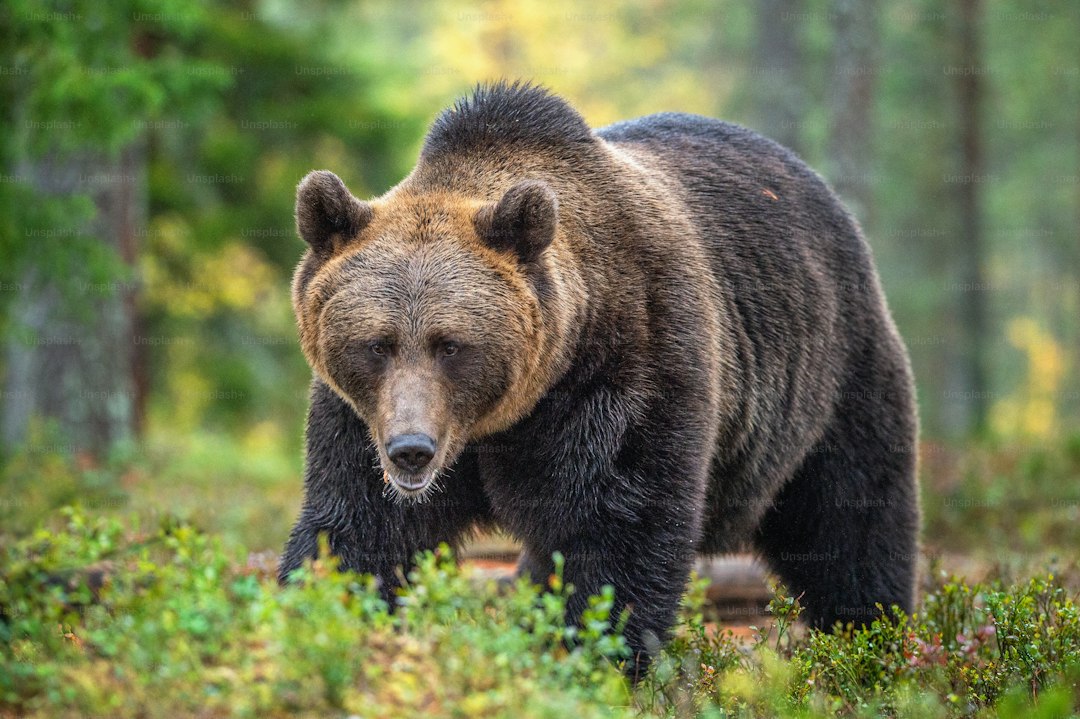
Let’s face it, the mere thought of crossing paths with a bear while you’re out on the trail is enough to spike anyone’s heart rate. But honestly, most of the terror we feel comes from simply not speaking the same language as these animals. I’ve spent a lot of time looking into how these encounters actually play out, and it’s clear that we often misread their body language, which can turn a manageable situation into a dangerous one. For instance, that bluff charge where a bear rushes at you and stops short? That’s not an attack; that’s the bear asking for space because it’s feeling defensive. If you see ears flattened back or a stiff-legged, side-to-side head motion, you’re looking at an agitated animal that’s signaling you to back off immediately.
It’s also a common mistake to assume that climbing a tree is a safe bet, but the reality is that bears are far more adept at climbing than we are, so you’re really just moving into their territory. And don't get me started on the myth about standing on hind legs being a sign of aggression; usually, they’re just trying to get a better vantage point to smell or see what’s going on around them. The vast majority of these run-ins happen because we’ve accidentally surprised them, which triggers a defensive response. If you’re startled, you might panic and run, but since a bear can hit speeds of 35 miles per hour, trying to outrun them is a losing game every single time.
Instead, the most practical approach is to stay calm and understand that even grizzly bears are often looking for an exit strategy long before you’ve even realized they’re there. Their behavior is largely driven by their environment and food availability, which is why securing your gear and managing scents is so much more effective than any "tough" stance you might try to take. They are incredibly smart, too, so they’ll quickly learn how to outsmart a poorly locked container if you give them the chance. It really comes down to being proactive rather than reactive; the more you know about what they’re thinking, the less likely you are to end up in a situation that forces them to act defensively. Just remember that what we interpret as a predatory threat is frequently nothing more than a curious bear checking out its surroundings, and your steady, non-threatening movement is the best way to signal that you aren't a challenge.
Secure Your Campsite: Proper Food Storage and Waste Management
Honestly, let’s pause for a moment and reflect on the reality of being in bear country; your campsite is essentially a giant dinner invitation if you aren’t meticulous with your gear. We’ve all been there, thinking a locked cooler or a tent vestibule is enough, but you have to remember that bears possess an olfactory sense roughly seven times more acute than a bloodhound, allowing them to track odors from over two miles away. That isn't just a fun fact; it’s a massive vulnerability. Even a tiny trace of grease on a tent zipper or a stray candy wrapper in your pocket provides a scent trail that can pull a bear directly into your sleeping area. Think about it—things we barely notice, like toothpaste, sunscreen, or scented lip balm, are packed with volatile organic compounds that bears frequently mistake for high-calorie snacks.
If you’re backpacking, I’ve found that relying on the traditional counter-balance method for hanging food is often a losing game, as experienced bears can calculate the trajectory needed to snag a cord or simply climb to reach your bag. Rigid, interagency-certified bear-resistant containers are statistically superior to any soft-sided bag because they actually prevent a bear from crushing or puncturing the vessel. It’s also worth noting that bears are incredibly fast learners; a single successful raid on a poorly secured cooler conditions them to associate humans with easy meals, which is exactly how wildlife conflicts escalate. I always aim to keep a clean camp by scraping every bit of food residue from pots immediately after eating, since those carbonized remains can keep attracting animals for days.
And don’t forget about the smaller things that seem harmless, like your dishwater. That greywater needs to be dispersed at least 200 feet from your sleeping area because the suspended food particles are powerful lures you just don't want near your tent. I’d also strongly suggest avoiding pungent cooking like bacon or fish in the backcountry, as the high fat content creates an airborne scent plume that travels much further than dry goods ever would. When in doubt, stow all scented items, including pet food and trash, inside a hard-sided vehicle with the windows rolled up or utilize an approved bear locker. It’s about being proactive rather than reactive, because once you’ve created a conditioning loop, the bear is the one who ultimately pays the price.
Hiking Safely: Best Practices for Groups and Noise Discipline
When you’re out on the trail, the best way to stay safe isn't by carrying a whistle or some high-tech gadget, but by simply being human with the people you’re with. I’ve found that hiking in a group of three or more is one of the most effective ways to avoid a surprise encounter because your collective presence and consistent conversation act as a natural deterrent. Bears are usually looking to avoid us as much as we want to avoid them, and a group creates a much larger, more dominant silhouette that makes you look less like a target and more like something they’d rather steer clear of. You want to keep that conversation going at a normal, steady volume because the rhythmic, predictable drone of human voices is much easier for a bear to identify than the artificial, high-pitched noise of a bell or whistle.
Think about it this way: if you’re shouting periodically, you’re just creating bursts of noise that might leave long gaps of silence where a bear could wander into your path. Instead, keep a tight formation and talk consistently so you’re constantly broadcasting your presence, especially when you’re navigating dense brush or blind corners where visibility is low. I really like the idea of assigning someone to call out to the rest of the group if things get spaced out, as keeping that unified auditory footprint is vital to prevent any stragglers from becoming vulnerable. If you’re hiking through heavy rain or near a roaring river, you have to adjust your volume and speak louder because that ambient noise will completely swallow your voice, leaving you invisible to local wildlife until it’s far too late.
There’s also something to be said for the rhythm of your group’s movement; singing or just chatting in a steady cadence helps bears recognize you as a human, which is exactly the kind of signal you want to send. It’s tempting to split up for a minute to snap a photo or look at a view, but that’s exactly when you lose your protective bubble and the noise output drops, which can turn a safe hike into a risky situation in seconds. Even when you stop for a quick water break, don't let the group fall into total silence, as a stationary pack can easily be mistaken for part of the landscape if you aren't making noise. Just keep the conversation flowing while you rest, and you’ll find that being mindful of your group dynamic is often the simplest and most reliable way to keep everyone safe.
Essential Gear: Carrying Bear Spray and Knowing How to Use It
When you’re heading into bear country, I really can’t stress enough that carrying bear spray isn’t just a "nice-to-have" precaution; it’s a non-negotiable piece of safety engineering that you need to master before you even hit the trailhead. Think about it this way: you have less than three seconds to react during a charge, which is why keeping your canister in an easily accessible body holster is the only way to go. If you’re digging through your pack while a grizzly is closing in, you’ve already lost the advantage. I’ve seen people carry these canisters like a lucky charm, but they’re actually precision tools pressurized to launch a dense, inflammatory cloud at 70 miles per hour, and knowing how to handle that ballistics profile matters more than the gear itself.
Here’s the reality of the physics involved: these canisters typically have an effective range of only 20 to 30 feet, meaning if you fire too early, that cloud just dissipates into the wind before it ever touches the bear. You have to account for environmental variables like crosswinds, which can easily blow the aerosol back into your own face if you don't position yourself correctly. I always tell friends to look for canisters containing at least 225 grams of spray, because smaller units simply don't provide the duration required to stop a charging animal that can cover ground in the blink of an eye. You shouldn't ignore those expiration dates either, as the propellant can leak over time, silently compromising the pressure you’re banking on during an emergency.
If you really want to be prepared, you’ve got to build the muscle memory so that deploying the spray becomes an instinct rather than a decision. Grab an inert practice canister that mimics the weight and trigger feel of the real thing and run through the motions until you don't have to think about the safety clip or the firing mechanism. It’s also worth remembering that cold weather can sap the pressure from your canister, so keeping it close to your body heat during those crisp mountain mornings is a simple, smart way to maintain performance. Honestly, it’s about treating the spray as a serious tool you know inside and out, because in that high-stress moment, your confidence and technique are the only things standing between you and a bad outcome.
Vehicle Safety: Precautions for RVers and Car Campers in Bear Territory
Let’s be honest for a second: when you’re pulling your rig into a remote site, it’s easy to feel like you’re tucked away in a fortress, but to a bear, your vehicle is less of a barrier and more of an interesting puzzle waiting to be solved. I’ve spent enough time looking at the structural vulnerabilities of modern campers to know that those thin metal skins and rubber window seals aren't nearly as intimidating as we’d like to believe. A bear’s claws can pry through a window frame with surprising ease, and even the external vents for your refrigerator can act as a literal open door to your food supply, letting them reach right into your cooling fins. Honestly, I’ve seen more than one RV return to the road with shredded tires because the scent of rubber compounds and road debris triggered a bear's curiosity in the middle of the night.
It’s also wild how our own habits can turn a safe home-on-wheels into a beacon, especially when you consider that cooking with your windows open creates a concentrated scent plume that travels much further than anything you’d cook over a fire. Think about the underside of your rig, too; bears often creep underneath to lick road salt or antifreeze, which puts your brake lines and electrical wiring at serious risk of being severed by a few curious bites. I always make it a point to park nose-out whenever I’m in high-density territory, because that gives me an immediate, clear exit path and lets me use my headlights to sweep the area if I hear something bumping against the frame in the dark. It’s a simple shift in how you set up your camp, but it drastically changes your reaction time if things go sideways.
Beyond the mechanics of the vehicle itself, you really have to be hyper-aware of your surroundings before you even level your jacks. Parking near berry patches or fruit-bearing bushes is effectively inviting a bear to come investigate your kitchen, since those are their primary patrol zones during the late summer and fall. And while we tend to rely on our interior trash bins, those thin plastic walls offer zero protection against a nose that can track a single candy wrapper from miles away; you really need to be stowing all waste in hard-sided, bear-resistant containers. It’s about being proactive with your environment because, at the end of the day, an empty vehicle left in the woods is just a giant piece of chew toy for a curious bear testing its strength. Just keep it clean, keep it locked, and keep your guard up—it’s the best way to make sure your trip is memorable for the views, not for a destroyed door panel.
Respecting the Environment: How to Coexist Responsibly with Wildlife
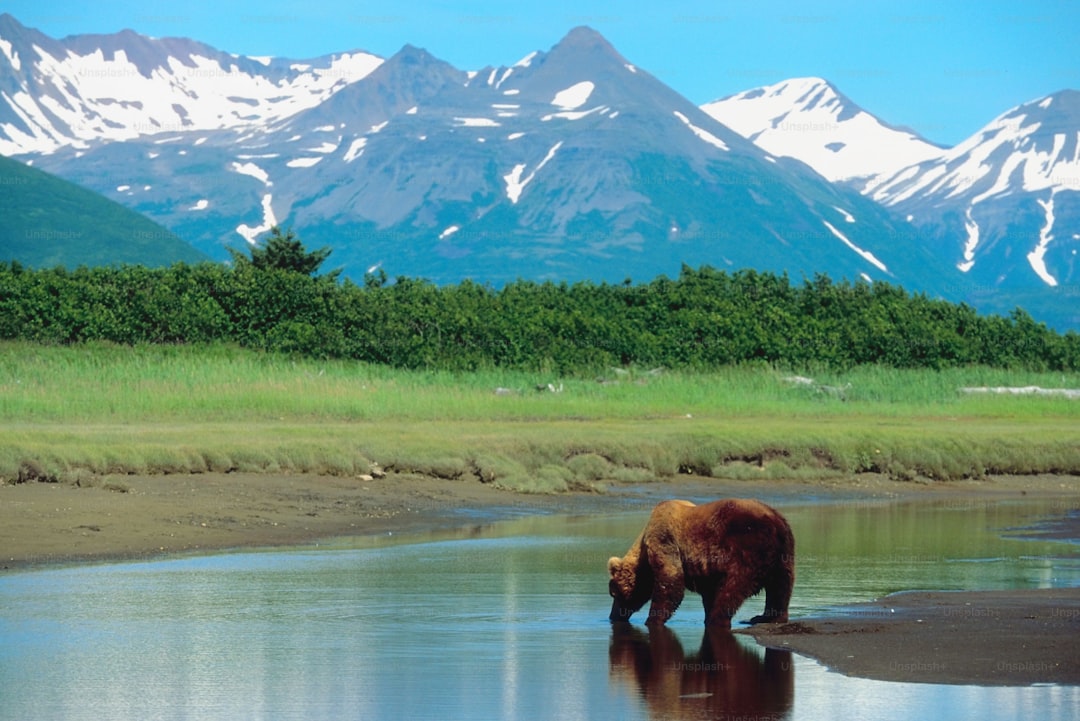
If you really want to understand our role in bear country, we have to look past the fear and recognize that we are essentially guests in their, often incredibly complex, home. It’s easy to think of the wilderness as a static backdrop for our trips, but it’s actually a dynamic ecosystem where bears are constantly performing sophisticated cognitive mapping to navigate food sources that shift with the seasons. When we step into these spaces, our presence—and the scent trails we leave behind—becomes a variable they have to account for in their decision-making. I’ve found that the most effective way to coexist isn't just about avoiding them; it’s about acknowledging that our garbage, gear, and even our pets can act as a behavioral sink that disrupts their natural foraging.
Think about it this way: bears possess an olfactory sensitivity that can detect volatile organic compounds at one part per billion, which means even a stray candy wrapper or a bit of grease on your pack is like a neon sign for a hungry animal. When we allow them to habituate to these easy, human-provided calories, we aren't just creating a nuisance; we are forcing them to adapt their natural, often diurnal, rhythms into nocturnal patterns just to avoid us. It’s a trade-off that rarely ends well for the bear, as it leads to a decline in their natural foraging skills and an eventual reliance on the very landscapes that threaten their safety.
Ultimately, responsible coexistence means we need to be as intentional about our environmental footprint as we are about our own safety gear. By securing our waste and managing our scent profiles, we aren't just protecting our campsite; we are helping preserve the natural hierarchies and behaviors that keep these animals wild. It’s about recognizing that every choice we make—from where we park our rigs to how we dispose of graywater—impacts their ability to fulfill their role as keystone species, like when they distribute seeds across vast territories. Let’s be mindful of the fact that we’re sharing a space that they’ve maintained for decades, and our goal should always be to leave the backcountry just as wild as we found it.
Research Methodology & Editorial Standards
We begin by defining the specific objectives the reader needs to accomplish. Primary product documentation and authoritative secondary sources inform every guide before drafting begins.
Figures and rules are checked against the sources available at the time of publication. Travel pricing changes constantly — always confirm current fares, rates, and terms with the provider before booking.