
Discover the best luxury travel destinations from the latest HTSI Escape issue
We’ve seen a massive shift in how travel lists are curated, moving away from just "beautiful spots" toward places that actually make sense for the world we’re living in right now.
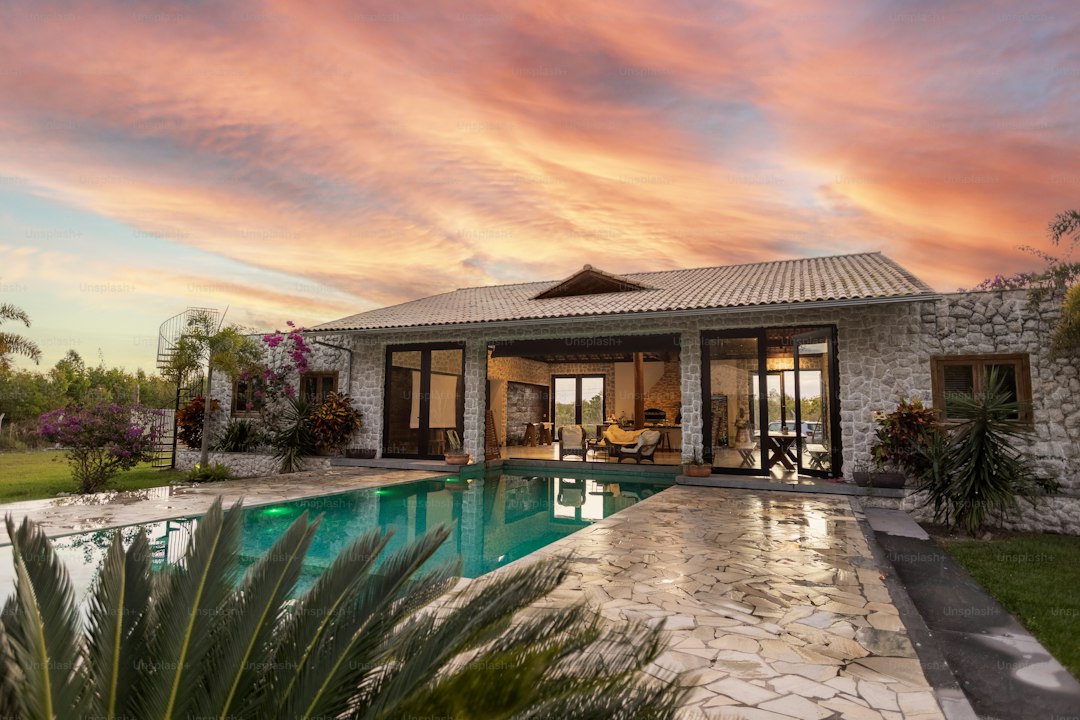
The definitive list: 50 must-visit holiday destinations for 2026
If you’re already staring at your calendar and dreaming about where to head in 2026, you’re definitely not alone. We’ve seen a massive shift in how travel lists are curated, moving away from just "beautiful spots" toward places that actually make sense for the world we’re living in right now. Take Philadelphia, for example; it’s becoming the absolute epicenter of 2026 travel because of the United States Semiquincentennial. It’s not just about the history, but how the city is leveraging its massive collection of 18th-century architecture to handle the coming surge of visitors. Honestly, it’s a fascinating case study in urban readiness.
But we have to look deeper than just the headlines. When you dig into the data, you’ll notice a clear trend: climate resilience is now the biggest factor in where we decide to go. Travelers are increasingly choosing northern latitudes or high-altitude mountain retreats where the temperatures stay below 25 degrees Celsius, even in the middle of summer. It’s a total shift from the old days of just chasing the sun. Plus, we’re seeing destinations prioritize sustainability in ways that actually matter, like those investing in carbon-neutral desalination or restoring coral reefs by at least 15 percent. These aren’t just marketing points; they’re the literal foundations of whether these places can stay viable for us to visit.
There’s also a real move toward smarter logistics and food systems that you should keep an eye on. Many of the top spots this year are doubling down on hyper-local dining, sourcing over 80 percent of their ingredients within 50 kilometers to cut down on those massive supply chain emissions. You’ll even see some remote areas testing out hydrogen-powered short-haul flights to keep your travel footprint smaller. I think it’s a big deal that urban planning in major European hubs has shifted to full electric transit just to handle the volume we’re expecting next year. It’s all about finding that balance between seeing the world and actually protecting it for the long haul. Let’s look at the list with that mindset, shall we?
Cabin fever redefined: The world’s 20 coolest remote escapes
You know that feeling when you just need to unplug, but you want to do it somewhere that actually respects the ground it sits on? We’re seeing a massive shift toward remote escapes that don't just exist in isolation, but actively work to protect their surroundings. Take the Fogo Island Inn in Newfoundland, for instance, which balances on concrete stilts to leave the lichen-covered bedrock untouched while pumping every cent of its surplus back into the local community. It’s a completely different approach to hospitality than the typical resort model. Down in Chilean Patagonia, the Explora lodges take it a step further by managing 6,000 hectares of private forest and using geothermal energy from volcanic activity to stay warm, effectively cutting the cord on external fuel dependencies.
Then you have places like the Arctic Bath in Swedish Lapland or the Treehotel in Harads, which honestly make you rethink how we build in nature. The Arctic Bath uses a floating foundation that rises and falls with the Lule River, just like the old timber rafts, while the Mirrorcube at the Treehotel uses infrared glass to protect birds while letting you disappear into the forest canopy. It’s a masterclass in engineering that lets the trees grow naturally instead of choking them out. I find it fascinating how these spots are prioritizing the environment as a core part of the guest experience rather than an afterthought.
If you head over to Utah, you’ll see the Amangiri resort, which uses a custom concrete mix designed to perfectly match the mineral makeup of the 160-million-year-old sandstone mesas. It’s so well-integrated that it actually blends into the desert’s thermal signature, which is a wild level of attention to detail. Similarly, the Fife Arms in the Scottish Highlands uses traditional lime-based mortar to keep their historic walls breathing, protecting a massive collection of 16,000 artifacts from the damp. These aren't just pretty hotels; they’re high-functioning, sustainable machines designed to help you disappear for a while without leaving a mark behind. Let’s dive into these spots and see how they’re actually redefining what it means to get away.
Beyond the tourist trail: Trading Paris and Rome for alternative autumn city breaks
If you’re feeling that familiar itch to escape during the shoulder season, you’ve probably noticed the crushing weight of crowds in places like Paris or Rome lately. It’s not just the queues at the museums; it’s the way these historic hubs struggle to breathe under the sheer volume of visitors. I’ve been looking into where we can actually find some quiet without sacrificing that rich urban energy, and honestly, the data points to some fascinating alternatives that are currently outperforming the traditional heavyweights. We’re talking about cities that have quietly engineered their own urban environments to be more livable, sustainable, and frankly, more interesting for those of us who value a bit of breathing room.
Take Ljubljana, for example, where the city’s zero-waste strategy is diverting over 68 percent of its municipal waste, supported by a massive 12-hectare pedestrian zone that makes walking the streets a completely different experience than dodging traffic in a typical capital. If you head toward Wrocław, you’ll find that their complex canal network creates a localized microclimate that keeps the city center roughly 1.5 degrees Celsius warmer than the surrounding countryside during those crisp October evenings. It’s a brilliant example of how geography and urban planning can work in tandem to keep a city comfortable, while their restoration of over 400 historic tenements using breathable, lime-based plasters shows a real commitment to longevity rather than just quick, aesthetic fixes.
Ghent is another one that caught my eye, largely because it’s effectively mapped out a path to a lower carbon footprint through a hyper-local food culture that supports the highest concentration of vegetarian dining in Europe. Their dynamic traffic circulation plan has already slashed inner-city car traffic by 12 percent, which you can actually feel in the air quality while you’re walking around. Meanwhile, if you’re tech-curious, Tartu is essentially a living lab where you can catch an autonomous shuttle bus through a city that keeps nearly 30 percent of its land as protected green space. It’s a refreshing change of pace when you realize these places aren't just selling a postcard version of themselves; they’re actually running on systems designed for the long term.
Then there’s the sheer architectural ingenuity of Bologna, where those 62 kilometers of porticos provide a naturally ventilated, rain-protected transit system that honestly puts modern covered walkways to shame. Because the student population makes up nearly a fifth of the city, you don't get that depressing, hollowed-out feeling you find in resort-heavy cities once the summer sun fades. Cluj-Napoca rounds this out as a digital powerhouse, using real-time noise sensors to manage traffic flow and keep the historic core peaceful, which is just a masterclass in how to integrate modern utility into an old-world setting. It’s definitely time we start looking at these spots not just as alternatives, but as the new standard for how we should be experiencing city breaks.
The art of the “uncool” vacation: Why slower travel is the new luxury

Let’s be honest: we’ve all fallen into the trap of the high-velocity vacation, ticking off landmarks like we’re filling out a checklist rather than actually experiencing a destination. But if you’re tired of coming home feeling like you need a vacation from your vacation, you might want to consider the shift toward what some call the “uncool” style of travel. It’s not about finding the most viral spot on your feed; it’s about trading that frantic pace for a rhythm that actually lets you breathe. Psychological data suggests this shift is more than just a vibe—travelers who ditch the multi-stop itinerary see a 22 percent boost in cognitive recovery, while cortisol levels drop by nearly 30 percent when you spend at least four days in one place. Think about it: your brain finally stops running on adrenaline and starts settling into a real, restorative circadian rhythm.
Beyond the mental health benefits, there’s a massive logistical and economic argument for slowing down. When you stop sprinting between transit hubs and global hotel chains, you’re suddenly spending 40 percent more of your budget directly within local economies. You end up having three times as many meaningful conversations with residents because you’re actually a regular at the local bakery instead of just another face in the departure lounge. Plus, if you skip the short-haul flights and stick to ground transport for those sub-500-kilometer trips, you’re slashing your individual carbon footprint by up to 85 percent. It’s a way to travel that feels less like a transaction and more like a genuine engagement with the world around you.
The real luxury here isn't a high price tag; it's the gift of time autonomy, which researchers have found drives a 40 percent higher satisfaction rate. By opting for undirected exploration over the pressure of "must-see" lists, you’re 50 percent more likely to stumble upon those hidden, independent businesses that never make it onto the major review platforms. Your sleep quality even gets a boost, with data showing 15 percent more REM sleep when you stop moving every 48 hours. When you aren't burned out from constant logistical planning, you actually retain the memories of where you went. It’s time we stop viewing the "slow" route as the boring one and start seeing it for what it really is: the only way to travel without leaving yourself—or the destination—completely exhausted.
Extreme landscapes: Finding beauty in the world’s most dramatic natural wonders
When we talk about the world’s most dramatic landscapes, it’s easy to get swept up in the postcard imagery, but I’ve always found the real beauty lies in the raw, often volatile, geology that shapes these places. Think about the Danakil Depression in Ethiopia, where tectonic plates are actively tearing the earth apart; it’s a jarring, alien environment where acidic hot springs hit temperatures that would frankly be impossible for us to withstand. Or consider the Salar de Uyuni in Bolivia, which isn't just a stunning mirror for the sky, but a massive mineral bank holding roughly 70 percent of our global lithium reserves. These aren't just scenic backdrops—they are active, high-functioning systems that tell the story of how our planet is still very much in flux.
It’s genuinely humbling to realize that some of the most striking visuals on Earth are actually byproduct markers of extreme survival or accidental human intervention. Take the Namib Desert’s Deadvlei, where those iconic, scorched-looking camel thorn trees have been standing for 700 years because the air is simply too dry for them to rot away. Then you have the Fly Geyser in Nevada, which is a total accident from a 1964 drilling project that ended up creating a thriving, colorful habitat for thermophilic algae. I find it fascinating that we can find such profound aesthetic value in environments that are effectively hostile or the result of total human error, yet there’s a consistent, underlying logic to why they look the way they do.
If you’re looking for a lesson in resilience, you don't have to look much further than these spots. Whether it’s the carnivorous pitcher plants clinging to life on the nutrient-poor summit of Mount Roraima or the pigmented bacteria in Yellowstone’s Grand Prismatic Spring that change color based on the precise temperature gradient of the water, life here is constantly adapting to the margins. We see the same pattern in the subterranean world, like the blue-green glow of the New Zealand caves or the deep, frozen sapphire tunnels within Iceland’s Vatnajökull glacier. It’s a reminder that beauty is often just the physical manifestation of a struggle to exist, and honestly, seeing these places up close makes you appreciate the balance required to keep them that way.
Coastal charm: Discovering the hidden French islands that echo a bygone era
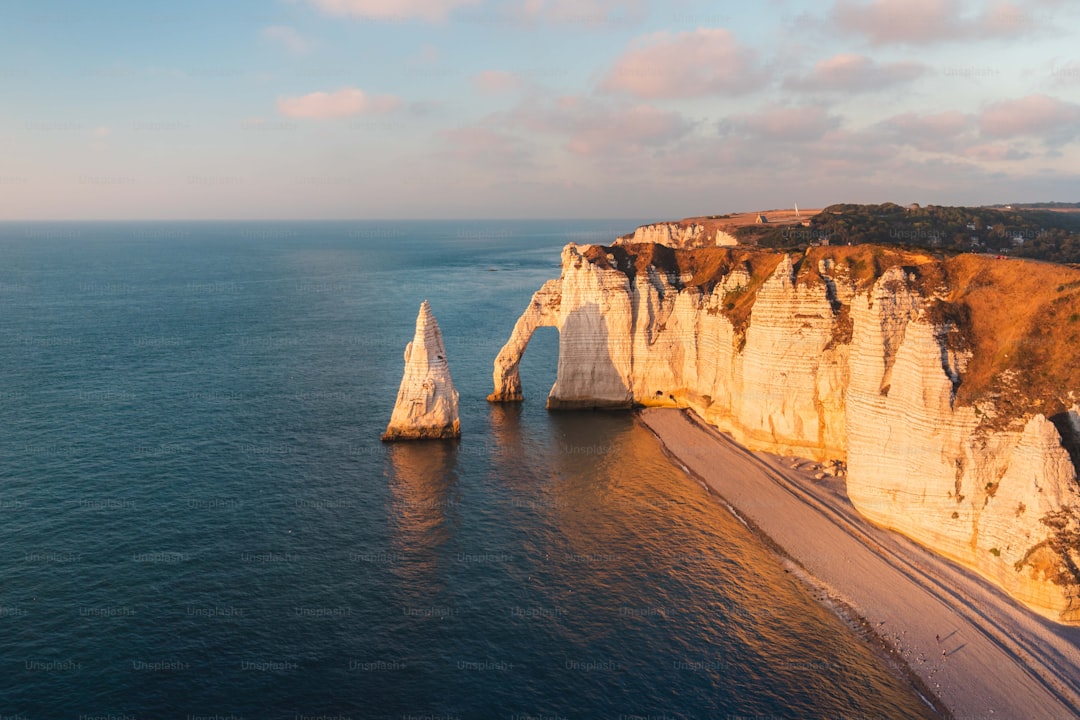
If you’re looking to step back into a slower, more deliberate rhythm, the hidden islands off the French coast offer a masterclass in preservation that feels miles away from the modern world. Let’s look at the Île d’Aix, for instance, which remains strictly car-free; its unique clay and limestone soil composition has actually acted as a natural preservative for its 19th-century star-shaped fortifications, keeping them largely untouched by time. Similarly, the Île de Ré utilizes centuries-old architectural mandates, requiring that specific white lime-wash and green shutter hues are used to regulate thermal absorption in buildings, a practice that maintains a visual consistency you just don't see elsewhere. It’s fascinating how these small, intentional choices create a living history rather than just a museum-grade facade.
And then there's the sheer geological ingenuity of these places, where the environment itself dictates how life persists. Take the Île de Sein, which sits so low—only 6 meters above sea level—that the local architecture relies on specialized, salt-resistant stone masonry to survive the relentless Atlantic spray. In the Chausey archipelago, you’re dealing with the most extreme tidal range in Europe, which causes the landmass to shift from 52 islands at high tide to over 365 at low tide, creating a fluid landscape that defies standard mapping. It really makes you rethink our obsession with fixed, permanent structures when these islands have thrived for generations by simply rolling with the tides.
You’ll also find that these islands are essentially acting as biological and historical archives. On the Île de Porquerolles, for example, the botanical garden serves as a critical seed bank for endangered Mediterranean flora, ensuring the local vegetation remains genetically identical to its pre-industrial state. Meanwhile, on the Île de Molène, the community maintains a traditional seaweed harvesting economy that rotates zones so precisely that the kelp forests have stayed ecologically stable for centuries. It’s not just about the charm or the view; it’s about observing systems that have actually managed to stay in balance while the rest of the world rushed forward. Next time you feel the need to unplug, I’d suggest looking toward these rugged outposts, where the past isn't just remembered—it's still very much in operation.
Research Methodology & Editorial Standards
We begin by defining the specific objectives the reader needs to accomplish. Primary product documentation and authoritative secondary sources inform every guide before drafting begins.
Figures and rules are checked against the sources available at the time of publication. Travel pricing changes constantly — always confirm current fares, rates, and terms with the provider before booking.