
Delta and American Airlines flights in narrow escape at Boston Logan Airport
Logan’s runway layout, specifically the intersection of 4R and 9, is known to be a complex bit of geography that demands perfect coordination.
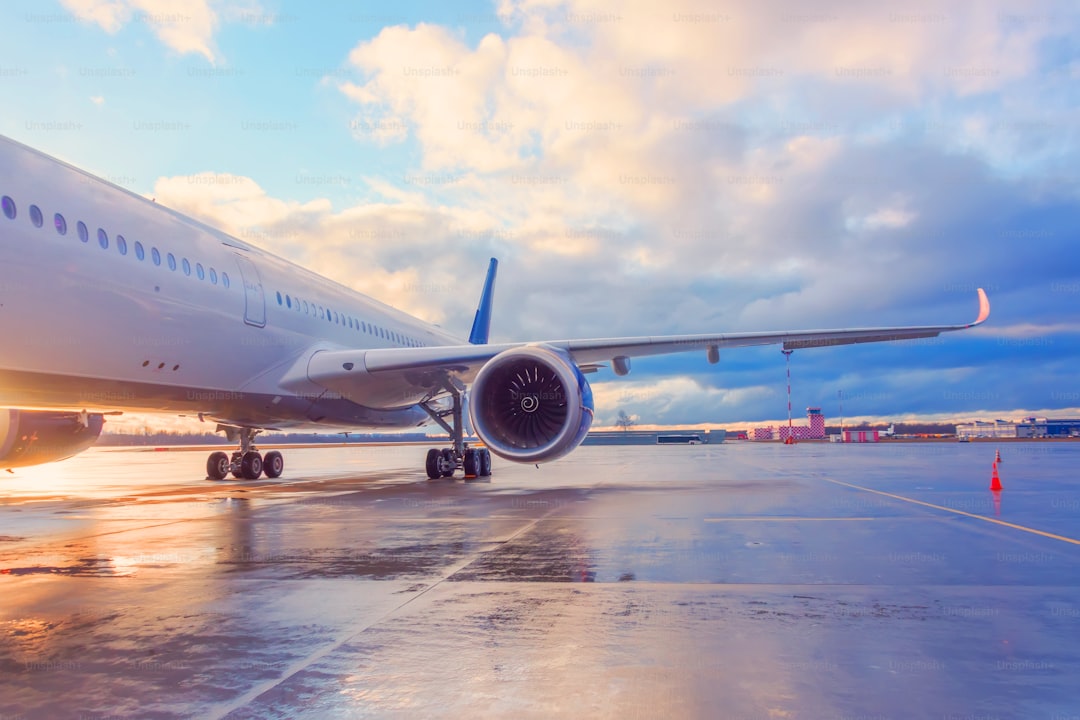
FAA Launches Investigation into Boston Logan Near-Collision
Let’s pause for a moment and reflect on what actually happened at Boston Logan because, honestly, the details are pretty chilling when you look past the headlines. You’ve probably seen reports about the near-collision between a Delta flight and an American Airlines jet, but the real story here is how quickly things can go sideways even with layers of safety in place. We are talking about two massive commercial airliners getting within roughly 300 feet of each other, a gap that is uncomfortably small by any aviation standard. Think about it: that’s barely the length of a football field separating hundreds of people from a potential disaster. It’s the kind of event that makes you realize how much we rely on the split-second reactions of the flight crew when the systems designed to keep us safe hit a snag.
The investigation is now zeroing in on the communication between the air traffic control tower and the pilots, which is where things get really interesting from an analytical standpoint. Logan’s runway layout, specifically the intersection of 4R and 9, is known to be a complex bit of geography that demands perfect coordination. When you have multiple planes cleared for movement in such a tight space, the margin for error effectively vanishes. The FAA is using radar-based surface guidance data to reconstruct the sequence, but the human element—the pilot’s decision to execute a go-around—is what clearly saved the day. It’s a sobering reminder that while we have sophisticated technology like Traffic Collision Avoidance Systems, there is absolutely no substitute for a pilot’s situational awareness in a high-density terminal.
I’m looking at this as a clear signal that we need to keep pushing for better ground traffic management to reduce these intersection risks. It’s not enough to just have procedures on paper; we need to see if the current protocols for simultaneous operations are actually robust enough for the volume of traffic we see today. You have to wonder if these close calls are becoming a symptom of a larger, systemic pressure on our major hubs. I’m curious to see what the final data from the flight recorders tells us, especially regarding the timing of the clearances. For now, it’s just a relief that the crew caught the conflict in time, but this should definitely be a wake-up call for how we manage these intersecting paths.
Timeline of the Saturday Morning Incident
To really wrap our heads around what happened at Boston Logan that Saturday morning, we have to look past the chaos and break down the timeline, because it reveals just how razor-thin the margins are in modern aviation. The sequence began when the Learjet pilot initiated takeoff without waiting for the necessary hold-short instructions, effectively turning a routine departure into an immediate crisis. At that exact moment, the Delta flight was already deep into its takeoff roll on the same runway, making the window for intervention incredibly small. Data shows that the Delta crew spotted the incursion almost instantly, triggering an emergency braking maneuver that likely saved the day. Surface radar logs confirm the Boeing 737 reached about 100 knots before the aborted takeoff was fully locked in, which is a massive amount of energy to shed in such a short distance.
It’s worth noting that weather wasn't a factor here, as visibility was over ten miles and the morning was perfectly clear. When you look at the air traffic control logs, the controller had cleared the Delta jet for departure mere seconds before the Learjet entered the active runway, suggesting a perfect storm of timing. Because this all unfolded in less than sixty seconds, there was zero room for hesitation. Some internal reviews have pointed toward the shift change window as a potential contributor to the lapse in ground traffic continuity, though that’s an area where I think we need more transparency. It’s pretty wild to consider that this specific intersection of runways 4R and 9 is only used for a small fraction of daily departures, making the convergence statistically rare but high-stakes.
Think about it this way: you have over 150 passengers on that Delta flight, and the crew’s ability to react with absolute precision is the only reason we aren't talking about a tragedy. Cockpit voice recordings suggest both crews kept their cool throughout the entire emergency, which is a testament to their training under intense pressure. Ultimately, the safety reports indicate that the controller followed standard protocol, which really puts the focus on the human error occurring inside the Learjet cockpit. It’s a sobering look at how even with advanced surface radar and clear procedures, one mistake can ripple through the entire system. I’m still processing just how fortunate the timing was, but it’s clear that we need to keep asking tough questions about how these ground movements are managed at our busiest hubs.
Details of the Delta and American Airlines Close Call
When we peel back the layers of what actually happened at Boston Logan, it’s honestly terrifying how quickly the geometry of an airport can turn against you. We’re talking about the intersection of runways 4R and 9, a specific piece of pavement that’s notorious among controllers for being one of the most demanding configurations in the country. It’s not just a matter of two planes being in the wrong place; it’s about how these paths converge with such precision that the margin for error effectively vanishes. When the Delta flight initiated that aborted landing, it wasn't just a textbook maneuver, but a desperate, split-second reaction to prevent a collision that was closing in at a terrifying rate.
The data shows they got within about 300 feet of each other, which is just staggering when you think about the size of these jets. To put that in perspective, that gap is barely the length of a single football field, and at the speeds these aircraft are moving, that distance is consumed in a heartbeat. You have to realize that this wasn't caused by a storm or poor visibility, as the morning was crystal clear with over ten miles of sight. It really highlights how, even with all our advanced surface radar and automated collision warnings, the system still hinges on the raw situational awareness of the pilots in the cockpit.
I’ve been looking at the flight data, and the physics of it are just brutal, especially when you consider the Delta crew having to switch from a descent to a full-power climb in an instant. It’s clear that the existing safety buffers we rely on at high-traffic hubs are being stretched to their absolute limit. We’re left wondering if the communication between the tower and the pilots hit a snag, maybe a slight timing delay or a bit of ambiguity that rippled through the sequence. It’s a sobering reminder that while our technology is impressive, the vulnerability of these terminal operations is real and it doesn't take much to shift from a routine arrival to something much, much worse.
Aviation Safety Protocols Under Scrutiny Following Logan Scare
Let’s be honest, when we talk about safety at a place like Logan, we’re really questioning whether our current protocols are actually keeping pace with the sheer volume of traffic we’re seeing today. You’ve seen the reports, but look at the tech: the Airport Surface Detection Equipment, Model X, is meant to be our gold standard for tracking ground movements, yet even its high-resolution radar can struggle when aircraft are packed into tight, high-density configurations. It forces us to ask if the automated safety triggers, like runway status lights designed to warn pilots of incursions, are enough when the geometry of an airport is working against you. The reality is that these zones are supposed to be strictly defined to prevent any overlap, so seeing two commercial jets closing in within such a small buffer is a jarring breach of the standards we assume are bulletproof.
Think about the systems working in the background here, where modern transponders constantly ping ground stations to provide that secondary layer of verification for controllers. It’s a sophisticated web, but it still relies on the integration of multiple data streams that must be perfect in real time to maintain separation. When you weigh this against the human element, you start to see where the friction lies. Pilots are rigorously trained to prioritize their Traffic Collision Avoidance System alerts over traditional tower instructions, but the psychophysiological impact of a sudden, high-stress aborted takeoff is something we’re only just beginning to fully quantify in terms of operational performance.
And this is where the analytical side gets really interesting, because investigators are currently looking at the micro-second granularity of digital flight data recorders to see exactly how those split-second braking maneuvers played out. We have to wonder if these close calls are becoming a byproduct of those transition periods, like when air traffic control shifts overlap and introduce tiny gaps in communication continuity. It’s clear that relying on visual scan patterns alone isn't enough, especially when the structural design of major hub intersections forces us to balance pure efficiency with the physical limitations of the pavement. Maybe it’s time we stop treating these incidents as isolated anomalies and start looking at them as a necessary, if painful, prompt to re-evaluate how we manage these high-stakes convergence points.
Current Status of the Federal Investigation and Reporting
I think it is important to pause here and really look at what the current federal investigation actually entails, because it is far more granular than just a surface-level look at pilot error. The National Transportation Safety Board is currently digging into high-fidelity flight data to measure the exact millisecond gap between the Go-Around command and the engine response, which tells us a lot about the technical side of the recovery. They are also cross-referencing this event with a new database of voluntary safety reports from controllers across the Northeast, which is a big deal because it helps identify trends that don't always make the nightly news. It is clear that the radar transponder latency was within normal parameters, so we can likely rule out a massive technical failure of the ground systems. Instead, the focus has shifted toward whether the intersection of runways 4R and 9 creates a specific visual blind spot when the morning sun hits at certain angles.
If you are wondering why this matters so much, it is because the FAA is currently evaluating if our morning shift transitions are actually leading to lapses in communication. They are looking at whether the background noise in the tower might have muddied the clearance delivery, which is a haunting thought when you consider how much is at stake in those few seconds. I find the move to review how new surface guidance systems installed last year have impacted controller cognitive load to be particularly telling; we might be realizing that our technology is actually making the job harder rather than simpler. They are even testing whether the current runway status lighting is getting washed out by glare, which would be a fairly straightforward, yet alarming, design flaw.
Ultimately, we are waiting to see if the final report will push for mandatory, automated alerts that can override a manual tower clearance. It is a bold step, but it might be the only way to fix the issue if we accept that these specific runway layouts are pushing human reaction times to their absolute breaking point. The agency is currently running this incident through predictive safety models to see if we are fundamentally overestimating the buffer zones at our busiest hubs. I believe this comparative analysis against other airports is the most honest way to tell if our 2027 traffic projections are even sustainable with the current infrastructure. It is a sobering exercise, but it is the kind of deep-dive analysis we really need if we want to trust these runways again.
Maintaining Airport Safety: Challenges at High-Traffic Hubs
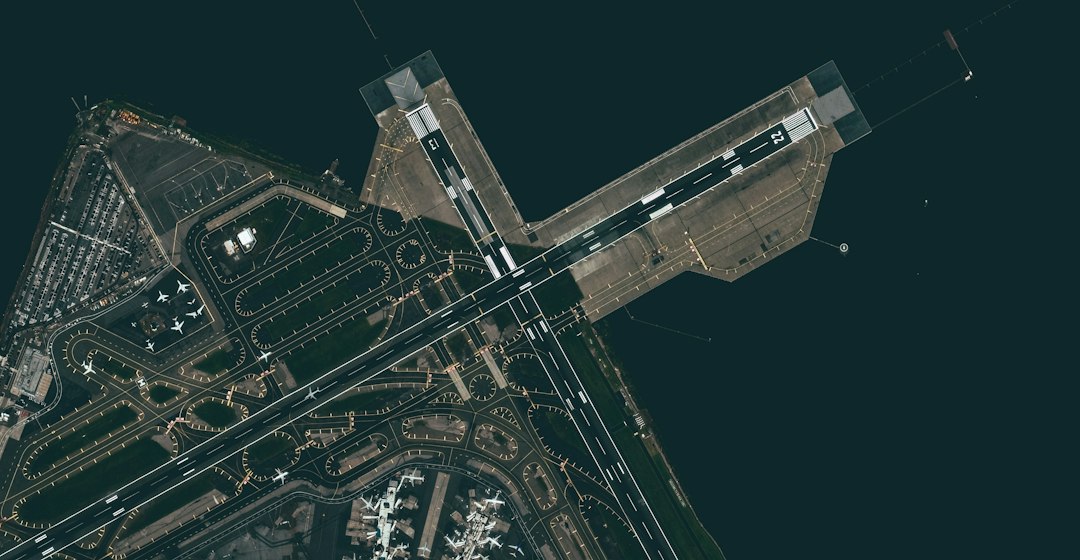
When we talk about the mechanics of keeping our skies and tarmacs safe, it’s easy to focus on the big, dramatic headlines, but the real work happens in the invisible, daily grind of managing movement at our busiest airports. You have to realize that high-traffic hubs are essentially giant, living puzzles where every single piece—from runway geometry to the precise timing of a controller’s shift change—impacts the safety of everyone on board. It’s not just about standard procedures; it’s about the constant, high-stakes trade-off between keeping planes moving on schedule and maintaining enough buffer to avoid catastrophe. Think about how wake vortex turbulence from heavy jets dictates the spacing between arrivals, or how intersection layouts that were designed decades ago are now being pushed to their absolute limits by modern flight volumes. It’s a delicate balancing act that feels more like a game of inches than the massive industrial operation it actually is.
The tech we use, like advanced surface radar and automated runway status lights, is undeniably impressive, yet it’s not some magic shield that removes the need for human judgment. Here’s what I mean: even with the best radar, you’ve still got controllers managing a chaotic mix of regional accents, background noise, and the sheer mental load of tracking dozens of moving parts simultaneously. We’re seeing more research into how this cognitive burden affects decision-making, especially when pilots are forced into sudden, high-stress maneuvers that can disrupt their focus for the rest of a flight. It’s a sobering reminder that we’re dealing with a system that is only as strong as its most tired, most distracted, or most overwhelmed human participant. I honestly think we spend too much time banking on the idea that these systems are bulletproof when, in reality, they’re just layers of protection that can be bypassed by a single, perfectly timed human error.
If you look at the industry trends, the shift toward predictive analytics and time-based separation is really an attempt to buy back the margins we’ve lost to sheer congestion. We’re moving toward a future where we’ll rely more on digital aids and, maybe eventually, augmented reality in the cockpit to help pilots navigate these complex terminal mazes without just staring out the window. But even if that happens, we still have to contend with the reality that transition periods, like when one crew of controllers swaps out for another, are statistically some of the most dangerous moments of the day. It makes me wonder if we’re reaching a tipping point where the infrastructure just can't keep up with our desire for more flights and faster turnarounds. At the end of the day, these safety protocols aren't just bureaucratic red tape; they’re the only thing standing between a routine morning commute and something we’ll be reading about in an NTSB report for years to come.
Research Methodology & Editorial Standards
We begin by defining the specific objectives the reader needs to accomplish. Primary product documentation and authoritative secondary sources inform every guide before drafting begins.
Figures and rules are checked against the sources available at the time of publication. Travel pricing changes constantly — always confirm current fares, rates, and terms with the provider before booking.