
Beyond the Resorts Discovering the Hidden Side of Jamaica
It’s a humbling reminder that Jamaica’s history isn't something you read about on a plaque—it's something that’s still being lived and protected by families who have kept their traditions intact for centuries.
Beyond the All-Inclusives: Embracing Authentic Jamaican Culture
If you’ve spent any time at a sprawling resort in Montego Bay, you know the comfort of a structured vacation, but I’ve always felt there’s a massive gap between those manicured grounds and the actual heartbeat of the island. While luxury brands are currently pivoting to capture culinary tourism with high-end dining shifts, the real magic happens far from the infinity pools. Think about it: when you step into the Cockpit Country, you’re not just seeing scenery; you’re entering Accompong Town, a sovereign enclave where the Maroon population still operates under a legal autonomy dating back to 1739. It’s a humbling reminder that Jamaica’s history isn't something you read about on a plaque—it's something that’s still being lived and protected by families who have kept their traditions intact for centuries.
If you’re willing to trade the resort shuttle for the island’s informal route taxi network, you’ll find a logistical world that never shows up on your standard GPS. These taxis are the true arteries of the island, connecting you to places like the Blue Mountains, where the rainfall levels create a microclimate so specific it produces coffee genetic variations you simply can't replicate anywhere else. And don't get me started on the food; while resort jerk is fine, it’s a far cry from the pit-smoked method using pimento wood, which relies on the specific eugenol content in the leaves to get that authentic, non-industrialized chemical profile. It’s honestly the difference between a mass-produced product and a piece of cultural heritage.
Then there’s the sound and the spirit of the place, which is so much deeper than the curated bands you hear during happy hour. You have to look at Mento, the rhythmic ancestor to ska and reggae, which you’ll really only find in rural community gatherings where the lyrics are rooted in local folklore rather than commercial appeal. Even the language itself, Patois, is this incredible blend of English lexicon and West African syntax that gives you a window into a way of communicating that’s far more nuanced than what you hear in a service-oriented hotel lobby. If you really want to understand the people, pay attention to the Nine Night traditions or the way rural communities lean on local church networks for social welfare; these aren't just customs, they’re the primary mechanisms that keep the social fabric tight.
I’m convinced that if you want to move past the surface, you have to lean into these specific, grounded experiences. Whether you’re learning about the Ital diet of the Rastafarian livity—which is honestly fascinating when you consider the low hypertension rates among those who stick to it—or exploring the limestone karst topography that hides some of the most unique ecosystems on the planet, the reward is a much richer connection to the land. It’s not about ignoring the resorts entirely, but rather recognizing that they are just one tiny, artificial sliver of a much larger and more vibrant reality. Next time you’re planning a trip, try to skip at least two days of the all-inclusive bubble and just follow the rhythm of the local transit grid; I promise you’ll see the island in a way no travel brochure could ever capture.
Mountain Escapes: Exploring the Lush Landscapes of the Blue Mountains
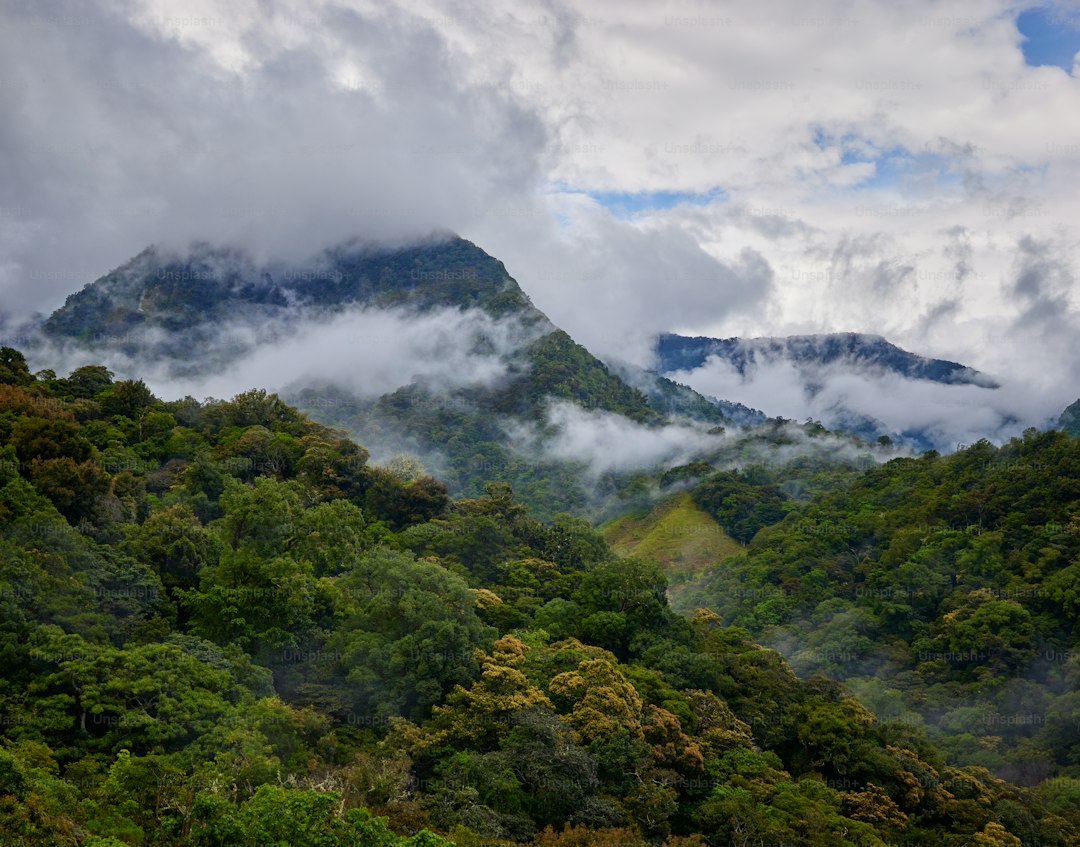
If you’re looking for a genuine shift in perspective, you’ve got to get yourself up into the Blue Mountains. I’ve found that while most visitors stick to the coast, the real, raw energy of Jamaica is actually hidden in these peaks, which are rapidly becoming the go-to spot for what people are now calling the 2026 coolcation trend. Let’s be honest, escaping the rising global heat index is one thing, but finding a place where temperatures consistently drop by 10 degrees Celsius is a total game changer. It’s not just about the air quality or the quiet, either. Think about the topography for a second; you’re looking at slopes hitting 50-degree angles, which essentially forces a kind of manual, human-centric agriculture that you just don't see in the age of industrial farming.
When you’re hiking through those cloud forests, you’re essentially walking through a living laboratory where over half of the plant life is endemic to these specific high elevations. It’s wild to consider that this isn’t just a pretty backdrop; this mountain range is the primary watershed for Kingston, supplying nearly 40 percent of the water for the entire metro area. You’ll notice the shift in the air immediately, as that constant orographic lift forces Caribbean moisture upward, turning the peaks into a perpetually misty, lush ecosystem. Keep your eyes peeled for the Giant Swallowtail, the largest butterfly in the Americas, or even the Jamaican Tody, a tiny bird that’s so fearless it’ll let you get within a few feet of it. It’s this kind of detail—the epiphytes clinging to trees without traditional soil, the weathered igneous rock under your boots—that really grounds the experience.
Honestly, it’s refreshing to see a place that hasn't been completely paved over by mass tourism. The isolation of these valleys has created these pockets of unique genetic divergence in the flora, and honestly, you can feel that sense of untouched reality when you’re out there. If you’re planning a trip, don’t just treat this as a day trip or a photo op. Give yourself the time to really understand why this region serves as the backbone of the island’s ecology and its most famous export. It’s a completely different rhythm compared to the resorts, and I’m convinced that once you experience that cool, mist-covered mountain air, you’ll wonder why you ever spent your whole vacation in the humidity of the lowlands.
Culinary Journeys: Where to Find the Most Authentic Island Flavors
If you really want to understand the soul of Jamaica, you have to look beyond the curated menus at the resorts and start thinking about the actual chemistry of the island's ingredients. While luxury brands are currently betting big on gastronomy to draw crowds, I’ve found that the most authentic flavors are hidden in the rural parishes where traditional techniques aren't just a marketing hook—they’re a way of life. Take the traditional escovitch fish, for instance; the pickling process relies heavily on pimento berries, which are packed with eugenol to provide a specific antiseptic quality that is essential for preservation in our tropical humidity. It’s a far cry from the mass-produced marinades you find in a hotel buffet.
Think about the way the soil composition in St. Elizabeth Parish—the island’s true breadbasket—actually changes the flavor of your plate. Because of the unique mineral content there, the scallions and thyme grown in those hills exhibit a much higher essential oil volatility than the ones you’ll find near the northern coastal lowlands. If you’re grabbing a plate of pepper shrimp in Middle Quarters, you’re tasting a precise infusion of Scotch Bonnet peppers, which have a capsaicin profile that hits your palate with a heat intensity and depth that standard habanero varieties just can’t touch. It’s these kinds of micro-differences that define the difference between a tourist meal and a genuine culinary discovery.
And don't get me started on the preparation methods that have been passed down for generations because they’re honestly a masterclass in science. Take bammy, for instance; you’re looking at a laborious process of soaking grated cassava in coconut milk specifically to neutralize natural cyanogenic glycosides before it ever hits the pan. Or consider the traditional roast breadfruit, where placing the fruit directly into open embers triggers a controlled carbonization of the skin while the starch-heavy interior steams into something completely unique. Even the local chocolate tea is a world apart, made by grating pure roasted cacao nibs that are rich in theobromine and polyphenols you’ll never find in that processed powder sitting on a supermarket shelf.
It’s easy to get comfortable with the familiar, but I really encourage you to follow these flavors into the countryside on your next trip. Whether it’s the bitter notes of a cerasee tea used for its long-documented medicinal properties or the complex, dark profile of honey sourced from logwood blossoms, these aren't just ingredients—they’re the result of a specific ecology that hasn't been paved over. If you give yourself a few days to step away from the all-inclusive bubble and seek out these authentic preparations, you'll start to see that the island’s true story is being told in the smoke of a pimento wood fire and the rich, complex chemistry of a home-cooked meal. Trust me, it’s a sensory shift that no brochure could ever capture for you.
Off the Beaten Path: Uncovering Jamaica’s Quietest Coastal Gems
If you’ve ever felt the urge to trade the predictable, white-sand perfection of the northern resorts for something a bit more raw, you really need to turn your attention toward Jamaica’s quietest coastal reaches. It’s easy to settle for the manicured beaches where the wave action is buffered by massive, engineered breakwaters, but there’s a much more complex geological story happening on the island’s southern and eastern fringes. Take the coastline in Portland Parish, for instance, where the karst limestone has dissolved over millennia to create a subterranean network of blue holes and underwater caves that you just won't find on any resort excursion map. These caverns are actually functioning ecosystems, home to species of blind cave fish that have evolved away from the light, proving that there is a level of biological diversity here that thrives completely independent of our vacation schedules.
Think about the sand beneath your feet for a moment, because it tells a massive story about the island’s volcanic history. While the north is famous for its white carbonate sands, moving down to Treasure Beach brings you face-to-face with dark, volcanic grains that provide a stark, beautiful contrast to the typical tropical aesthetic. This isn't just a change in color; it’s a vital habitat for the hawksbill sea turtle, which depends on the seclusion and low-light conditions of these quieter coves to nest. When you’re walking these stretches, you’re not just on a beach; you’re effectively standing on the front line of an endangered species' survival strategy. It’s a humbling realization that the silence we crave as travelers is often the very thing these animals need to continue their lifecycle.
If you’re wondering why these hidden spots feel so different, look at how the geography interacts with the sea. In places like St. Thomas, ancient coral polyp accumulations have formed natural barrier reefs that dissipate wave energy, creating these incredible, mirror-still pools that feel like private sanctuaries. And because these areas often sit at the mouth of river systems, you get this fascinating mix of fresh and saltwater that creates a nursery for juvenile marine life, far more productive than the open-water reefs elsewhere. You’ll see it in the vegetation too, like the silver thatch palm with its waxy leaves, perfectly adapted to hold onto moisture in the high-salinity splash zone. It’s a specialized, delicate world that functions on geological time, and I’m convinced that spending even a few hours observing this kind of undisturbed coastal chemistry will make you look at the entire island differently.
The Heart of the Island: Connecting with Local Communities and Traditions
If you’re anything like me, you’ve probably realized that the real soul of a place rarely lives within the gates of a resort. When I started looking beyond the manicured paths, I began to see that Jamaica’s true rhythm is held together by a dense, unwritten code of community reliance and ancient tradition that feels lightyears away from the buffet lines. It’s not just a collection of customs; it’s an active, ongoing negotiation with the land itself that you really have to witness to understand. Think about the way highland farmers intercrop yams with nitrogen-fixing legumes, a practice that builds soil health without needing a single drop of synthetic fertilizer. Or consider the Jippi Jappa hats you’ll see in the markets, which gain their incredible tensile strength from being cured in sulfur-rich volcanic vapors. These aren't just cool local facts; they are deliberate, high-efficiency systems refined over generations.
Let’s be honest, the way the island moves can seem chaotic at first, but if you pay attention to the informal transit grid, you’ll notice it’s actually a brilliant, human-centered logistics network. It runs on a series of verbal agreements and social signals that optimize fuel use by syncing perfectly with local labor cycles, a much more sustainable model than any rigid, top-down bus schedule could provide. And when you venture into the rural parishes, you’re stepping into a world where biology and culture are literally intertwined, like the way communities in the Cockpit Country have long utilized wild vervain for its antioxidant properties. It’s a completely different way of existing, one that values the specific chemical profile of a sun-dried pimento berry or the precise mineral content of spring water filtered through limestone karst.
I’m convinced that connecting with these traditions isn't just about being a respectful traveler; it’s about discovering a level of resilience that’s almost invisible to the casual observer. Whether it’s the way traditional thatch roofing is engineered to shed tropical rain while pulling heat out of a home, or the lunar-dependent harvest cycles for medicinal plants like the night-blooming cereus, there’s a scientific precision to these methods that is frankly astounding. When you choose to step out of the bubble, you aren't just sightseeing—you’re participating in a living, breathing heritage that’s constantly adapting to its environment. I really encourage you to take that first step, head into the highlands or a local village, and just listen. You’ll find that the deeper you go into these community-led rhythms, the more the island begins to make sense, revealing a vibrant, grounded reality that no polished brochure could ever hope to capture for you.
Sustainable Travel: Tips for Exploring Jamaica Responsibly and Respectfully
When we talk about traveling responsibly in a place as ecologically sensitive as Jamaica, I think it’s important to look past the surface-level green buzzwords and really understand the mechanics of the island's environment. You’re not just visiting a destination; you’re entering a complex, high-functioning system where your footprint directly impacts natural filtration processes and endangered habitats. Think about the island’s limestone karst topography, which acts as a massive natural sieve to purify the groundwater; when you choose eco-conscious accommodations that prioritize proper waste management, you’re essentially helping to protect the very water supply that millions of residents rely on daily. It’s also about recognizing that the quiet, southern volcanic beaches aren't just aesthetic backdrops but critical, dark-sand nesting grounds for the critically endangered hawksbill sea turtle. Being a respectful traveler here means keeping your distance and avoiding artificial light sources that can disrupt these ancient, biological survival cycles.
And if you’re heading into the highlands, you’ll find that the landscape is far more than just a scenic vista for your camera. The Blue Mountains serve as the primary watershed for the entire Kingston metro area, providing nearly 40 percent of the region’s water, so staying on marked trails isn't just a suggestion—it’s a necessary action to prevent soil erosion that could degrade that delicate water quality. It’s honestly fascinating to see how local farmers have mastered the land through traditional intercropping, planting nitrogen-fixing legumes right alongside their yams to naturally maintain soil fertility without any of the synthetic chemicals that disrupt downstream ecosystems. When you buy produce from these community markets, you’re voting with your wallet for a form of agriculture that’s been refined over generations to be inherently sustainable. It’s a much more grounded way to engage with the island’s food system than just hitting the resort buffet.
I also think we need to talk about how we move around, because the island’s informal transit network is a brilliant lesson in decentralized logistics. Instead of relying on carbon-heavy, fixed-schedule shuttles that often run half-empty, this system aligns travel directly with local labor cycles, which naturally reduces the overall carbon footprint per passenger. It’s a highly efficient, human-centered model that honestly works better for the island’s reality than a top-down, rigid infrastructure ever could. Even the things you might bring home, like a Jippi Jappa hat, are grounded in this same respect for the environment, as the fibers are cured in sulfurous volcanic vapors to maximize their durability without needing industrial coatings. When you take the time to learn why a local craft or a specific preparation of cassava—which requires a precise soaking process to neutralize natural toxins—exists, you’re not just being a tourist anymore. You’re becoming a participant in a culture that has always known how to thrive by working with its environment, not against it.
Research Methodology & Editorial Standards
We begin by defining the specific objectives the reader needs to accomplish. Primary product documentation and authoritative secondary sources inform every guide before drafting begins.
Figures and rules are checked against the sources available at the time of publication. Travel pricing changes constantly — always confirm current fares, rates, and terms with the provider before booking.