
Best scenic hikes near the Los Angeles coast for your next getaway
When you think about the Malibu coast, it’s easy to get caught up in the celebrity homes or the polished resorts, but if you look closer, the real story is written in the geology itself.
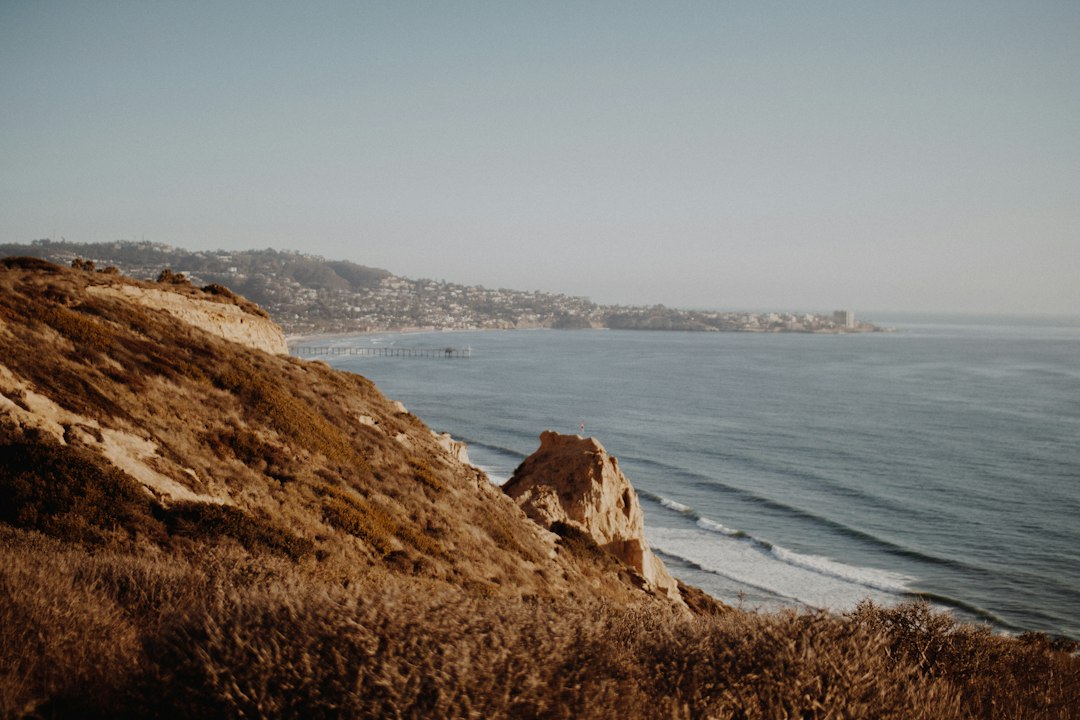
Iconic Ocean Views: Exploring the Bluffs of Malibu
When you think about the Malibu coast, it’s easy to get caught up in the celebrity homes or the polished resorts, but if you look closer, the real story is written in the geology itself. Those dramatic, towering bluffs aren't just a pretty backdrop for your photos; they’re the result of the Santa Monica Mountains crashing headlong into the Pacific. It’s a violent, slow-motion collision driven by the Malibu Coast Fault Zone that has pushed ancient marine terraces up to create these sheer walls. Honestly, it’s wild to stand there knowing the rock beneath your feet contains fossils from the Miocene epoch, millions of years before any of us were around to appreciate the view.
And that’s the thing about this coastline—it’s constantly reinventing itself. Because of the specific mix of volcanic basalt and sedimentary shale, these cliffs are always on the move, whether it’s from the constant battering of wave action or those intense atmospheric river events that periodically trigger landslides. You’ll notice the coastal sage scrub clinging to the edge, an endangered plant community that’s essentially evolved to thrive on salt spray and sheer grit. It’s a perfect example of how life adapts to such a high-stakes, shifting environment. If you’re lucky enough to catch a clear day, those elevated vantages are honestly the best seats in the house for spotting gray whales as they migrate right along the coast.
But look, there’s a fragility here that you can’t ignore when you’re exploring. Those rock pools tucked away at the base of the bluffs are incredibly sensitive to water temperature changes, acting like a bellwether for the health of the entire intertidal zone. It’s why scientists use these cliffs as a model to study how the coast responds to long-term sea-level fluctuations and seismic activity. Next time you’re hiking those trails, try to look past the surf and notice how the steep slopes meet the sea; it’s a masterclass in geomorphology that’s happening right in front of us. Just be mindful of the trails, because the terrain is just as active as the ocean, and that’s part of what makes it so breathtaking to witness firsthand.
Coastal Gems: Must-Hike Trails in La Jolla
If you’re driving south from Los Angeles, the transition into La Jolla feels like a gear shift in the landscape, moving from the rugged, volcanic chaos of Malibu into a more refined, Eocene-era stillness. I’ve always felt that if you really want to understand this stretch, you have to look past the manicured village vibes and head straight for the trails carved into the La Jolla Group sandstone. These cliffs aren't just scenic; they are a 50-million-year-old geological archive where you can literally spot fossilized shells embedded in the dust beneath your boots. It’s wild to think that this entire shelf was once submerged, and honestly, the way the geography dictates the hiking experience here is nothing short of fascinating.
When you’re navigating these paths, you’ll notice the immediate impact of the coast’s unique orientation, which functions like a massive, natural amphitheater that funnels wind and creates distinct microclimates. You’ll probably want to head toward Mount Soledad, where an 822-foot climb grants you one of the few 360-degree vistas across the entire San Diego basin. It’s a completely different perspective than the cliff-hugging trails, offering a high-altitude look at the interplay between the urban sprawl and the protected 6,000-acre underwater park just offshore. Just be ready for the temperature shifts; if you’re looking down at the water, keep in mind those intense thermoclines can drop ocean temps by ten degrees in a heartbeat, which definitely influences the coastal air you're breathing while you hike.
But the real magic happens when you pause to observe the biological hardware that keeps this place running. You’re likely to see the endangered California brown pelican nesting on those inaccessible cliff faces, or spot the bright orange Garibaldi darting through the kelp forests below if you’re close enough to the edge. And look, it’s not just about the wildlife; you’re walking through the only native habitat for the Torrey Pine, a tree so rare it exists almost exclusively in this narrow sliver of the coast. Researchers actually use these specific trails as a baseline to study how urban runoff interacts with the kelp ecosystem, so every time you’re out here, you’re basically moving through a living, breathing laboratory. It’s a fragile, highly managed balance, but that’s exactly why these trails are worth the effort for anyone looking to get beyond the typical tourist loop.
From Peaks to Pacific: Santa Barbara’s Best Scenic Treks
When you turn off the highway toward Santa Barbara, you’re not just hitting another beach town; you’re entering a rare geological anomaly where the Santa Ynez Mountains defy the standard north-to-south orientation of the California coast. By running east to west, this transverse range acts as a massive thermal barrier, trapping moisture and creating a climate that feels like a collision between the Mediterranean and an alpine wilderness. I’ve always found it wild that you can start a hike at sea level and, within just a few miles, climb through an extreme vertical gradient that drops the temperature by nearly 20 degrees. It’s this specific alignment that makes the backcountry here so distinct, forcing you to navigate through everything from dense, fire-dependent chaparral to isolated, shaded canyons where coastal redwoods cling to life at the very southern edge of their range.
If you’re the type of person who geeks out on the mechanics of the landscape, you’ll start seeing the evidence of tectonic stress almost immediately. You’re essentially walking across a massive, active fault zone where the Pacific and North American plates are constantly grinding against each other, leading to some of the highest rates of coastal uplift you’ll find anywhere in the U.S. Keep an eye on the ground beneath your boots; you’ll often cross zones of serpentinite, that distinct, mineral-rich soil that creates a hostile environment for most plants but is a sanctuary for rare, endemic species like the Santa Barbara manzanita. It’s honestly like walking through a living laboratory where the geology dictates exactly which life forms can survive, from the ancient Paleocene-era sandstone formations to the fire poppies waiting for the next spark to germinate.
But look, there’s a real intensity to these trails that you need to be prepared for, especially when you consider the watershed dynamics. Because those slopes are so steep and notoriously unstable, the area is prone to high-velocity debris flows after any serious rainfall, which means the trail conditions can change faster than a weather report might suggest. It’s a delicate balance, and it’s why you’ll notice such a stark difference between the sunny, exposed ridgelines and the cool, damp microclimates of the deep canyons. If you’re planning a trek, don’t just look for the best photo op; pay attention to how the orientation of the valley funnels the air. It’s that constant, shifting tension between the mountains and the Pacific that keeps this place feeling so wild and untamed, and it’s exactly why I think it’s the most fascinating stretch of the coast to explore on foot.
Family-Friendly Paths: Easy Coastal Walks for All Ages
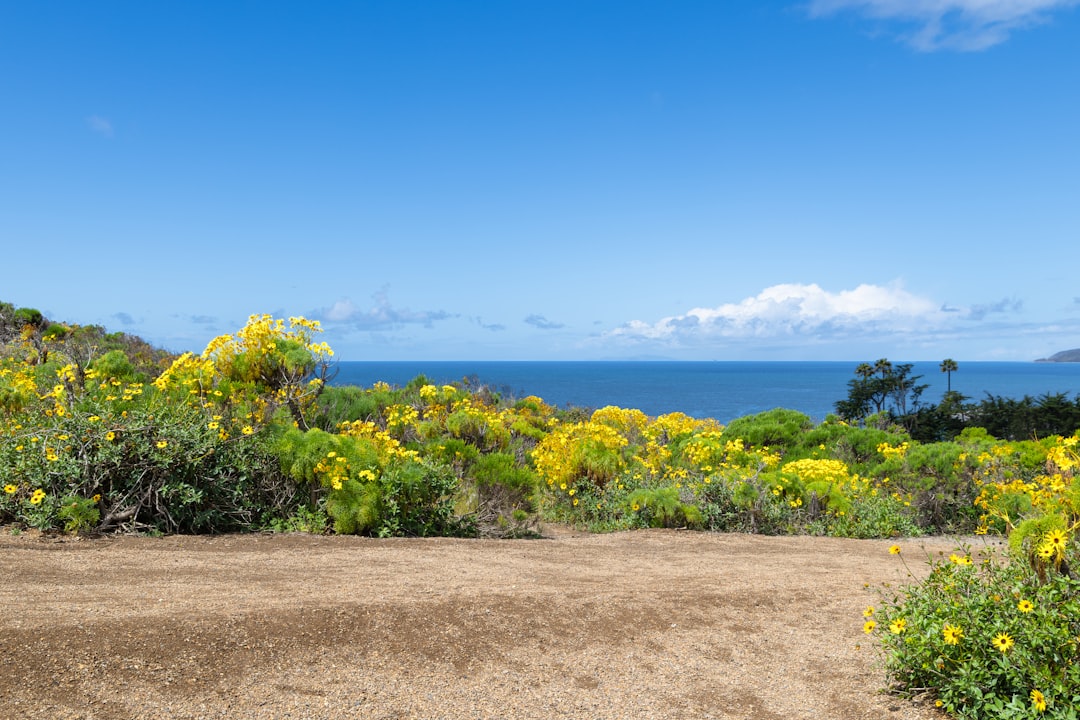
Let’s be honest, finding a trail that actually works for the whole crew is often more of a logistical puzzle than a relaxing getaway. When I’m scouting locations, I’m not just looking for a pretty view; I’m hunting for those specific, hardened paths—usually stabilized decomposed granite—that maintain a slope under five percent. This engineering choice is a game changer because it keeps the route accessible for strollers and mobility aids while preventing the kind of rapid fatigue that usually ends a family hike ten minutes in. You’ll also notice these trails are designed with resting pull-outs every quarter mile, which are a lifesaver for younger kids who need a breather without forcing everyone to trudge off-trail and damage the local flora.
It’s fascinating how much thought goes into the ground beneath our feet here. Many of these paths use permeable paving that filters out nearly 80 percent of surface pollutants, essentially acting as a natural buffer between the trail and the ocean. I’ve found that when you stick to these designated, consistent routes, you’re actually helping the ecosystem by compacting the soil just enough to block invasive seed dispersal. It’s a bit counterintuitive, but concentrating foot traffic on these engineered surfaces allows managers to keep 90 percent of the surrounding coastal sage scrub in a completely undisturbed state. Plus, the signage is usually set at a 36-inch height, which is just perfect for keeping the kids engaged without them having to crane their necks.
If you’re wondering why these walks feel so much more refreshing than a standard park, it’s the ocean’s thermal regulation. These transition zones stay about five degrees cooler than the inland heat, which makes a massive difference when you’re out with the family on a warm afternoon. I love that many of these paths now feature QR-coded markers that tap into real-time bird migration data, so you can turn a simple walk into an impromptu science lesson. Because these routes often follow historical wildlife corridors, staying on the path is also vital for the animals; research shows it keeps stress-hormone levels in local mammals down by over 40 percent. It’s a delicate, engineered balance, but it’s exactly what makes these specific coastal stretches so much more rewarding than just picking a random patch of dirt.
Hidden Coves and High Altitudes: Southern California’s Best Vantage Points
When you're scanning the horizon from a high-altitude ridgeline or tucking into a secluded cove, it’s easy to just enjoy the view, but there’s a massive amount of geological and biological machinery working in the background to make those spots so distinct. Take those marine terraces, for example; they're packed with phosphorite that settled on the deep seafloor millions of years ago, only to be shoved upward by tectonic forces into the dramatic cliffs we walk today. If you've ever felt a sudden gust of wind while hiking high in the Santa Monicas, you’re likely standing in a natural tunnel that accelerates maritime air by about 30 percent compared to the beach below. It’s wild to think that the ground beneath your boots, especially if it’s that unique serpentinite soil, is essentially filtering out invasive plants to give rare, endemic species a fighting chance to thrive. And those native sage shrubs aren't just for show—their root systems act like biological anchors, holding soil firm on slopes up to 45 degrees to prevent the whole hillside from sliding during our moody winter rains.
If you head down to the San Diego area, you’ll find that being above 800 feet changes everything, as atmospheric refraction lets you see nearly 100 miles on a clear day, stretching your view all the way toward the Mexican border. You might also notice those quiet, hidden coves feel a little different than the rest of the beach, and that’s because they’re actually drowned river valleys carved out back during the Last Glacial Maximum when the ocean was hundreds of feet lower. There’s a strange, almost ghostly science to it, too, where temperature inversions create a mini cloud forest that keeps lichen alive even when the summer heat is relentless. Just keep an eye on your gear; in some of these sandstone areas, trace amounts of magnetite can actually cause local magnetic anomalies, which is a fun quirk if you’re still relying on a traditional handheld compass.
And honestly, there’s a whole highway in the sky right above these trails that most of us overlook. Migrating raptors rely on those high-altitude ridgelines to catch thermal updrafts, using the rising warm air to save energy as they cruise along the Pacific Flyway. Down at the base of the cliffs, you’ve got a different kind of cycle happening where the nitrogen from decomposing kelp feeds the coastal grasses, creating a nutrient loop you just won't find inland. Even the rocks themselves play a role, with some bluffs having a high albedo effect that reflects sunlight and shifts the microclimate for every plant nearby. It’s a delicate, interconnected system, and realizing how the geology manages everything from groundwater flow through hidden karst features to the way the air moves makes these vantage points feel less like random scenery and more like a finely tuned machine.
Timing Your Trek: Choosing the Best Seasons for L.A. Coastal Hiking
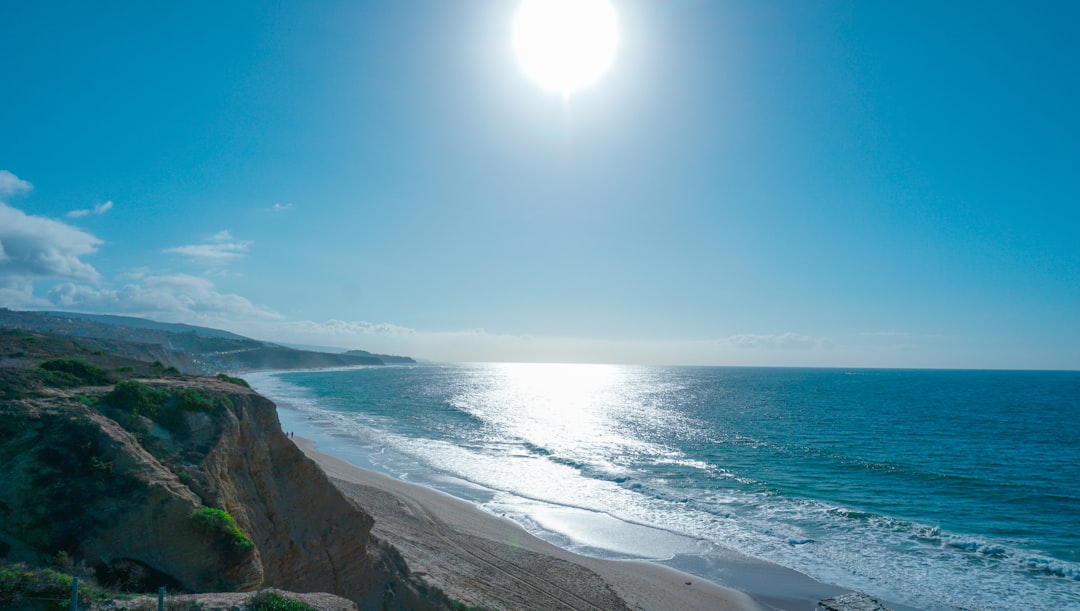
When you’re planning a trip to hit the trails near the L.A. coast, timing is everything—and I mean that literally, because the microclimates here can shift from foggy and cool to blistering hot in just a few miles. Late spring through early summer is usually the sweet spot for many, largely because the marine layer acts like a natural air conditioner that can drop temperatures by 15 degrees compared to the inland heat. If you’re timing it right, you’ll catch the peak wildflower bloom and the tail end of the gray whale migration between March and May, which is honestly a show you don’t want to miss. Just keep in mind that those overcast "June gloom" days are deceptive; the UV index stays dangerously high, so don't skip the sunscreen just because you aren't feeling the direct sun on your skin.
If you’re looking for the clearest views, wait until the autumn months when the Santa Ana winds push the maritime haze out and drop humidity levels significantly. It’s also worth noting that early autumn is the most stable time for trekking because the ocean surface temperature is at its seasonal peak, which helps dampen those wild temperature swings you’ll often get in the spring. That said, you’ve got to be smart about your mid-week planning; hitting these trails on a Tuesday or Wednesday in late May is the best way to dodge the heavy weekend foot traffic that causes real damage to the sensitive coastal sage scrub. I’ve noticed that when you avoid the crowds, you aren't just having a better experience—you're actually helping protect the habitat from unnecessary soil compaction.
Now, you definitely need to watch the calendar for winter, too, because rainfall patterns are the real gatekeepers here. Once those coastal soils hit their liquid limit, trails often have to close to prevent massive erosion of the sandstone and shale paths, so always check the local status before you drive out. If you're tackling any routes that dip down to the beach, you have to sync your start time with the tides; once that water gets above five feet, those narrow cliff-base trails become totally impassable. And for those of you who love a late-night adventure, keep an eye out in July and August for the red tide bioluminescence in the surf, which makes a sunset hike feel like something straight out of a movie. It’s all about working with the rhythm of the ocean rather than trying to force your schedule on it.
Research Methodology & Editorial Standards
We begin by defining the specific objectives the reader needs to accomplish. Primary product documentation and authoritative secondary sources inform every guide before drafting begins.
Figures and rules are checked against the sources available at the time of publication. Travel pricing changes constantly — always confirm current fares, rates, and terms with the provider before booking.