
Best Places to Experience the Total Solar Eclipse in Spain This August
It’s the first time in 27 years that a total eclipse will grace mainland Europe, and the path cuts right across the northern part of the country.
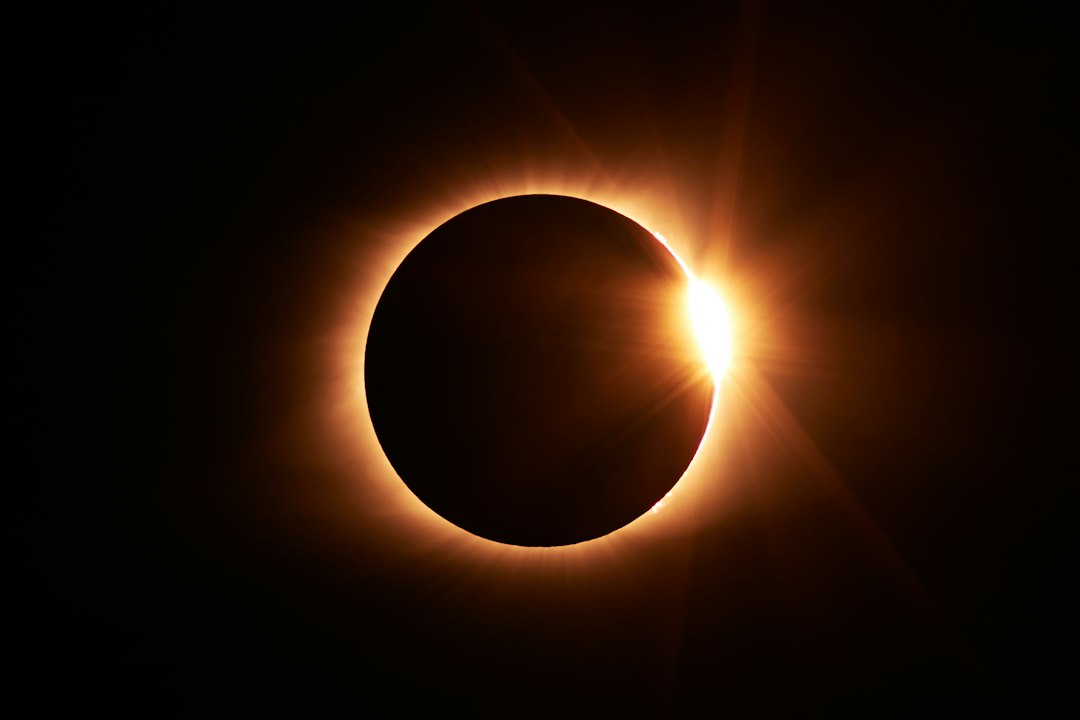
Why Spain is the Prime Destination for the 2026 Total Solar Eclipse
Look, if you’re trying to pick the perfect spot for the 2026 total solar eclipse, let’s be honest: Spain is in a league of its own. It’s the first time in 27 years that a total eclipse will grace mainland Europe, and the path cuts right across the northern part of the country. But here is the catch—because the event happens late in the evening, the sun will be sitting at an incredibly low angle, less than 10 degrees above the horizon. That means you can’t just stand anywhere; you need a spot with a completely clear, unobstructed view of the western horizon, or you’ll miss the whole thing.
Think about the geography for a second, because it really changes the game. While inland areas might look good on a map, the coastal regions in Asturias, Cantabria, and the Basque Country have the best historical track record for clear skies thanks to those reliable maritime air currents. Plus, that low-sun geometry creates a unique visual effect where the sun’s light grazes the moon’s edge, making phenomena like Baily’s beads last longer than usual. Honestly, if you want the best possible vantage point to avoid coastal haze, I’d look at heading for the higher elevations in the Picos de Europa mountain range.
It’s definitely going to be crowded, though, since this is the most accessible eclipse for the entire European population this decade. You’ve got to factor in that the shadow moves fast, sweeping across the landscape in just minutes as the sun nears the horizon. If you time it right, you’re not just seeing an eclipse; you’re watching it happen as the sun literally touches the mountain silhouettes or the sea. It’s a rare, almost cinematic setup that’s worth the logistics, but you really have to prioritize that western horizon view above all else if you want to actually see it.
Understanding the Path of Totality: Where and When to Watch
Let’s talk about the logistics of where you’ll actually stand, because this isn’t like your typical midday eclipse where you can just look straight up. The path of totality for this 2026 event is incredibly specific, entering Spain from the northwest and tearing across the peninsula at speeds topping 3,000 kilometers per hour. Because the moon is near its apogee—the point in its orbit furthest from Earth—it’ll appear smaller in the sky, which actually changes how we experience the event. Think about it this way: you’re essentially racing against the rotation of the Earth, which compresses the total experience because of that low-sun geometry. Since the sun is so low, you aren't going to see total astronomical darkness; instead, you’ll get this strange, deep blue twilight that feels more like a 360-degree sunset.
You really need to be careful with your positioning because the umbral shadow hitting the Earth is an ellipse, not a circle, and it stretches out significantly at this steep angle. That narrow 290-kilometer path width means that even a shift of just a few miles can change your experience entirely. Plus, with the sun hanging so low, atmospheric refraction is going to play a major role, potentially shifting the sun’s apparent position by a fraction of a degree. You’ll notice the light levels dropping in a non-linear way, and because it happens so late in the day, you should expect actual temperature drops to trigger localized wind shifts as the ground cools. Honestly, it’s a delicate balance of physics and geography that makes your choice of location the most important variable you can control.
One thing that’s easy to overlook is how your own eyes will react to the transition. As the light fades, your eye’s sensitivity changes, which directly impacts how you’ll perceive the corona’s structure during those final moments. You’ll likely see a really unique Baily’s bead pattern, too, since the moon’s rugged limb will interact with the low-angle sunlight to create rapid, flickering shifts. Because the light has to travel through a much thicker slice of the atmosphere at that altitude, the corona’s brightness will be filtered in a way that’s totally different from an overhead eclipse. It’s not just a show in the sky; it’s a complex interaction between the moon, the sun, and the very air we’re breathing. If you’re planning this trip, prioritize a clear line of sight to the western horizon above everything else, or you risk losing the view to the natural curvature of the earth.
Coastal Gems: Experiencing the Sunset Eclipse by the Sea
If you’re setting up shop on the coast for this, you’re in for a sensory experience that’s worlds apart from a standard inland eclipse. Because we’re dealing with a sunset event, the Purkinje effect will kick in, forcing your eyes to shift from cone-based color vision to rod-based sensitivity as the light drops, which makes the whole scene feel surreal. You’ll also notice shadow bands—those faint, rippling light patterns—projecting much more clearly against the sand thanks to the atmospheric turbulence you get near the water. Plus, with the moon’s shadow stretching into an elongated, distorted oval across the ocean, the visual scale of the event feels significantly larger than what you’d see further east.
Now, here is something that really changes the math for your timing: the total duration of totality at sea level in places like Asturias is only going to last about a minute and forty-five seconds. That’s shorter than what you’d get inland, so you really don't have a second to waste once the transition begins. You should also keep an eye on the water itself, because the eclipse happens to coincide with a neap tide, meaning the sea will be incredibly calm and act like a giant, dark mirror for the sky. It’s actually kind of wild, but you can expect the water surface temperature to drop by up to two degrees Celsius, which might just trigger a localized patch of sea fog or mist right as the sun vanishes.
If you’re wondering about the quality of the light, the high coastal humidity, usually around 75 percent in August, is going to act like a natural filter. It’ll scatter the light through water vapor, making the corona appear much more diffused and vibrant than you’re used to seeing. And because of the dense, salt-heavy air, refraction is actually working in your favor here; it makes the sun appear slightly higher than it geometrically is, giving you a few extra seconds of sightline before it drops below the horizon. Just don't be surprised if the typical evening sea breeze just... stops, as the sudden cooling effect stabilizes the marine boundary layer. It’s a complex, beautiful bit of physics, and if you watch closely as the sun nears the moon’s lunar valleys, you might even catch the flash spectrum, where the light splits into distinct colored lines before everything fades into that deep, golden-orange twilight.
Inland Observatories and Hidden Spots for Optimal Viewing
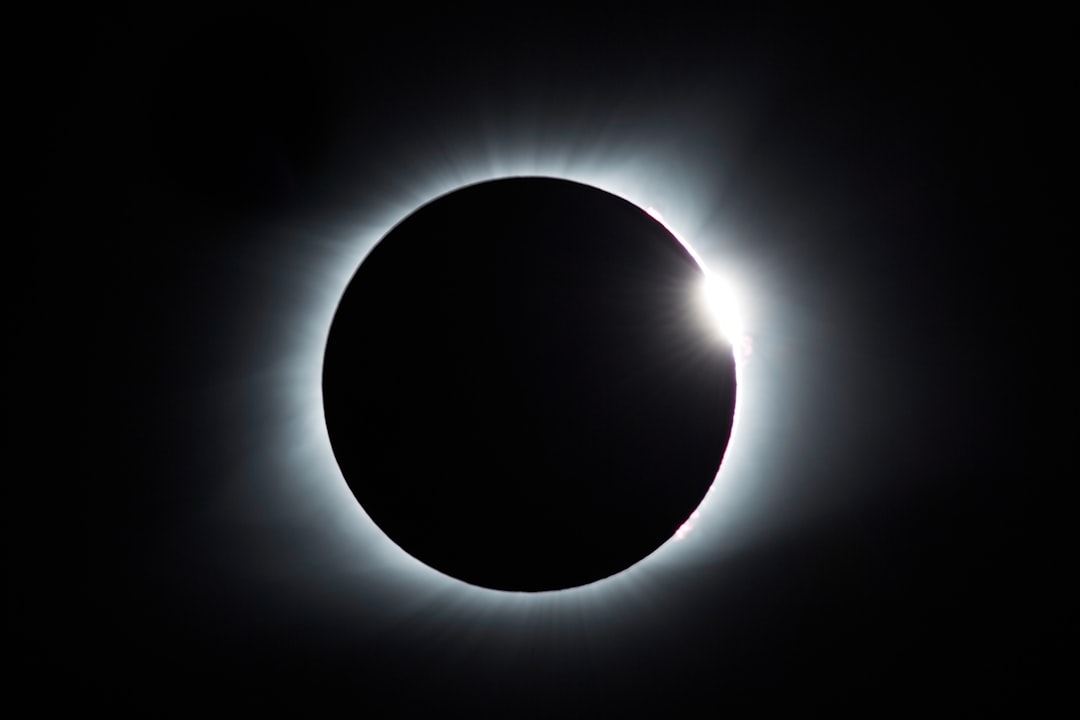
If you are looking to escape the coastal crowds, the high plateaus of the Meseta Central offer a distinct advantage that most casual observers completely overlook. Because the air at these elevations is significantly thinner and drier, you get much less scintillation—that annoying twinkling effect—which keeps the edges of the solar corona looking crisp and sharp. While the coast deals with humidity-induced scattering, inland sites in Palencia benefit from a lower aerosol optical depth, meaning you’ll see a much better contrast between the lunar silhouette and the solar atmosphere. I really like the idea of heading toward the Sierra de la Demanda, where the total lack of light pollution turns the sky into an intense, deep indigo that makes planets like Mercury and Venus pop during those brief moments of totality.
Think about the physics of the ground itself for a moment, because it actually plays a role in what you see. The sun-baked soil of the Castilian plains often generates localized thermal plumes that can act like a natural lens, potentially magnifying the solar prominences if you find a good spot on a leeward slope. Even better, the Ebro Valley’s unique topography funnels the air in a way that creates a microclimate of stable air, which is a massive win for anyone trying to capture a clear view of Baily’s beads. It is honestly worth hunting for some of the remote, high-cragged monasteries or fortified ruins in these areas, as they provide perfect, unobstructed western sightlines that most eclipse chasers simply ignore while they fight for space on the beach.
There is also a fascinating meteorological quirk that happens inland: the rapid cooling triggered by the lunar shadow can cause convective clouds to collapse, which sometimes clears a stubborn sky exactly at the moment of maximum phase. If you are into the technical side of the show, try positioning yourself near the limestone karst formations in northern Burgos, where the reflective rock surfaces act as a giant natural screen for those delicate shadow bands. The lower water vapor content across the interior also means that the flash spectrum of the sun’s chromosphere will appear with much higher clarity in the red and blue wavelengths than it ever would by the water. I would personally suggest scoping out the sparsely populated borders of La Rioja, as the total absence of artificial light is critical if you want to witness the full, wispy extent of the outer corona against the darkening sky.
Essential Travel Tips for Planning Your Spanish Eclipse Adventure
Planning for the 2026 solar eclipse in Spain requires moving beyond standard travel logistics because the geometry of this event is honestly quite unforgiving. Since the sun will be positioned at an extremely low altitude, your biggest enemy isn't just the crowds, but the physical obstruction of your horizon. You really need to scout locations with a completely clear line of sight toward the west, as even a small ridge or building can ruin the experience at that angle. I’d recommend prioritizing high-elevation vantage points or expansive coastal stretches where the earth’s curvature doesn't sneak in to block your view.
Because the umbral shadow is going to hit the terrain at such a shallow, stretched-out angle, the duration of totality will vary quite a bit depending on your exact coordinates. You should also keep in mind that the sun will remain dangerously bright until the very last second, so don't even think about ditching your solar filters until you’re deep into totality. It’s also worth noting that the classic afternoon sea breezes we usually expect along the northern coast will likely die off completely as the temperature drops, which creates a strange, sudden stillness that adds to the surreal atmosphere.
If you’re trying to choose between an inland plateau and a coastal spot, you’re basically weighing two different optical trade-offs. Inland sites on the Meseta Central offer thinner, drier air that minimizes atmospheric scintillation, making the solar corona look remarkably sharp. Conversely, the coast provides a higher moisture content that can scatter light in a way that makes the corona appear wider and more vibrant, though you do risk localized sea mist creeping in as the air cools. Whatever you decide, just make sure your gear is set up well in advance because this is a fast-moving event, and you won’t have the luxury of adjusting your position once the shadow begins its sprint across the landscape.
Safety First: How to Properly View and Photograph the Event
Let’s talk about safety, because honestly, staring at the sun—even when it’s partially eclipsed—is a massive gamble you don't want to take with your vision. You absolutely need ISO 12312-2 certified solar filters, which are chemically engineered to block over 99.999 percent of radiation. Think of it this way: your pupil naturally dilates as the sky dims, which actually lets more harmful infrared energy hit your retina, meaning improvised filters or "hacks" are just not worth the risk of permanent damage. If you’re planning to photograph this, keep that filter on the front of your lens for the entire partial phase, because your sensor can fry just as fast as your eyes when it’s focused on that intense solar light.
When it comes to gear, remember that the sun is going to be incredibly low on the horizon, meaning it’s traveling through a much thicker, denser slice of the atmosphere. This causes a lot of light scattering and refraction, so your autofocus will almost certainly struggle to lock on as the crescent thins out. I’d suggest setting your focus to manual infinity well before the event starts and using a sturdy tripod with a geared head to handle the inevitable wind gusts you'll get near the coast. Since the light levels drop in a non-linear way, your camera’s light meter will be useless, so you really need to be comfortable shooting in full manual mode to catch the corona without blowing out your highlights.
One thing people often forget is that the rapid temperature drop during the eclipse can mess with your equipment, too. Your batteries might drain faster than you expect in the cooling air, and coastal humidity can cause condensation to fog up your glass right at the peak moment, so keep a microfiber cloth handy. If you’re shooting, switch to RAW format so you have the dynamic range to pull detail out of those deep, blue-tinted shadows, and manually set your white balance to around 5500K to keep the corona looking pearly-white rather than artificially orange. Above all, don't get so wrapped up in your viewfinder that you miss the actual event; once the sun is completely covered, take a second to put the camera down and just experience that surreal, 360-degree twilight for yourself.
Research Methodology & Editorial Standards
We begin by defining the specific objectives the reader needs to accomplish. Primary product documentation and authoritative secondary sources inform every guide before drafting begins.
Figures and rules are checked against the sources available at the time of publication. Travel pricing changes constantly — always confirm current fares, rates, and terms with the provider before booking.