
Best places to experience the magic of the midnight sun in Europe
It’s not just a travel quirk; it’s a total shift in how you experience a day, especially when you’re in a spot like Tromsø between late May and July.
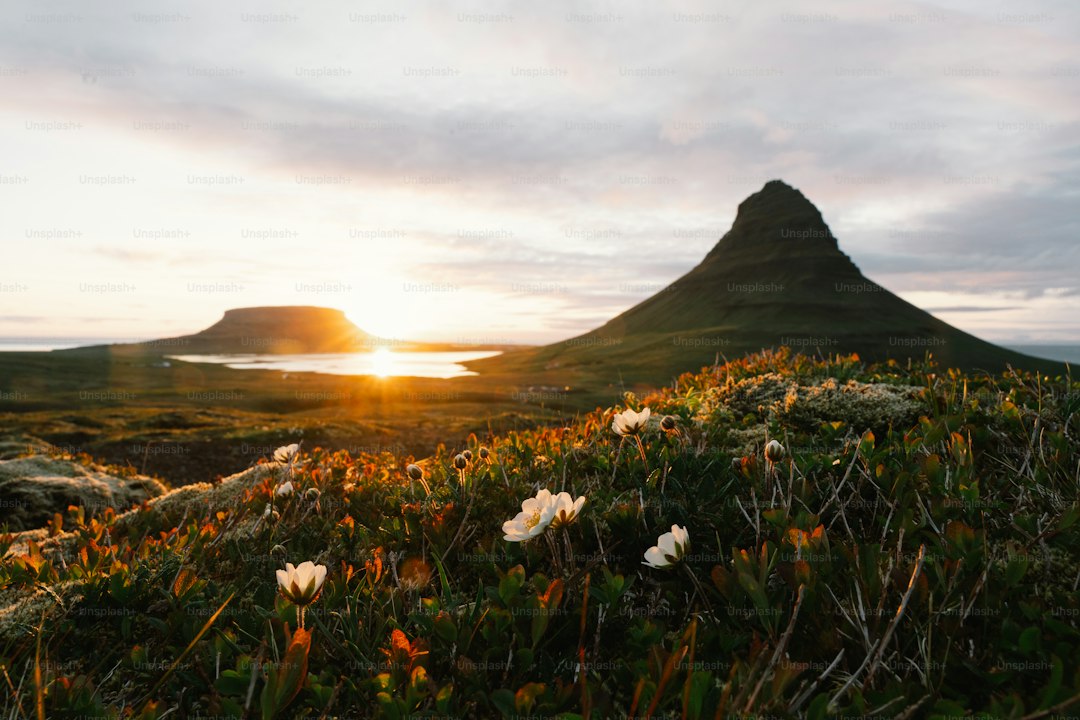
Exploring the Arctic Circle: Why Northern Norway is the Ultimate Midnight Sun Destination
If you’ve ever found yourself wishing for just a few more hours of daylight to finish a hike or capture that perfect shot, let’s talk about Northern Norway. We’re essentially looking at a place where the sun simply refuses to quit, thanks to that 23.5-degree axial tilt keeping the Arctic tilted toward the light. It’s not just a travel quirk; it’s a total shift in how you experience a day, especially when you’re in a spot like Tromsø between late May and July. I’ve always found it wild that you can get sixty straight days of sunshine there, which honestly changes your internal clock in ways that are hard to describe until you’re actually standing in the middle of a bright, sunny midnight.
If you want to push that experience to the extreme, Svalbard is the place to be. You’re looking at about 127 days of constant light, starting in April and stretching all the way into late August. It’s one of the few corners of the map where you can watch the sun loop around the horizon for months without it ever taking a dive. It feels surreal to watch wildlife like reindeer just graze whenever they feel like it, totally ignoring the standard sleep-wake cycles we’re all used to. And for the photographers in the crowd, the low angle of the sun creates this permanent, ethereal golden hour that hangs around for hours, giving you lighting conditions that would usually vanish in a heartbeat.
But what really surprises people is how "summery" it actually feels this far north. You’ve got places like Haukland Beach in the Lofoten Islands where the Gulf Stream keeps the water just warm enough for a swim, which feels like a total paradox when you consider how far north you are. The vegetation here works on overdrive, too, rushing through its growth cycle the moment the snow disappears. Just keep in mind that you’re trading the Northern Lights for this; the sun’s glare is just too strong for the aurora to show up. It’s a clean trade-off, though, because you get ice-free ports and open water that make exploring the coastline infinitely easier than it would be during the darker winter months.
Iceland’s Endless Days: Balancing Sightseeing and Adventure Under the Glow
If you’ve ever felt like twenty-four hours simply aren't enough to see everything on your bucket list, Iceland during the summer solstice is going to change your life. While the country sits just south of the Arctic Circle, it experiences a surreal stretch of white nights where true darkness practically takes a holiday. I’ve noticed that because Iceland sits at the far western edge of the Greenwich Mean Time zone, the sun doesn't hit its highest point until around 1:00 PM, which naturally pushes your entire schedule forward. It’s not just a clock quirk; it’s a total shift in how you navigate the day, as the sun stays less than six degrees below the horizon, giving you enough ambient light to read a book outside at 2:00 AM.
For those of us who get a bit anxious about safety on a trail, this extended daylight is a massive win when you're trekking across glacial tongues or navigating rugged volcanic fields. You can technically start a hike at midnight and have enough visibility to avoid the hazards that usually pop up when the light fades. Just keep in mind that the ice’s high albedo reflects that low-angled sun, so you’ll want to pack high-category UV eye protection unless you want a splitting headache by breakfast. I’ve also found that this light does something strange to the local wildlife; puffins and Arctic foxes essentially go into overdrive, foraging and hunting through the night to make the most of the brief, productive summer window.
The trade-off for all this exploring, of course, is that your internal clock might scream for a break. Many visitors struggle with what’s essentially midnight sun insomnia, which is why you’ll notice that blackout curtains are standard in almost every room you book. It’s worth it, though, especially when you consider that the constant thaw from all that sunshine keeps the country's hydroelectric reservoirs topped off and the power grid humming. You’re also getting a front-row seat to a massive botanical rush, where plants like Arctic thyme scramble to finish their blooming cycle in just a few weeks. It’s a fast-paced, high-energy time of year that forces you to balance your ambition to see it all with the reality that your body still needs to catch some sleep.
The Swedish Lapland Experience: Wilderness Immersion in the Land of Never-Ending Light
If you’re looking for a place where the midnight sun feels like a quiet, geological event rather than just a bright sky, Swedish Lapland is where you need to point your compass. While other regions might offer the novelty of light, Abisko National Park sits in a rare rain shadow, meaning those surrounding mountains actually keep the clouds at bay and give you a much higher probability of clear, unobstructed views. It’s a bit of a scientific anomaly that creates this unique microclimate, and when you’re standing by the 70-kilometer stretch of Torneträsk lake, the ice-covered surface acts like a giant mirror, bouncing that intense light back across the tundra. It’s pretty wild to see the landscape reflected like that, especially when the sun starts its solar oscillation, hovering and bobbing just above the horizon like it’s struggling to decide whether to dip or stay.
Because the air in this interior region is so incredibly dry, the clarity is on another level compared to the coast, and you can honestly see for over 100 kilometers on a good night. You’ll notice the shift in the light here isn't a quick sunset but a long, drawn-out blue hour that seems to hang in the air for hours. It’s the perfect backdrop for watching the Sami herders move their reindeer up to higher pastures, a migration that’s timed perfectly with the rhythm of this nonstop day. Even the local flora is synced to this schedule; the calcium-rich soil in the valley lets rare alpine plants bloom in a massive, coordinated burst the second the light takes over. You’ll even spot the cloudberries turning a deep golden hue as they soak up all that solar energy in record time.
The trade-off for this endless brightness is a very active ecosystem that doesn't really take a break. You’ll definitely notice the insects, specifically mosquitoes, staying busy through the entire 24-hour cycle because they’re trying to maximize their metabolic window while it’s warm. It’s a bit of a nuisance, but it’s fascinating to see how the ancient rock formations of the Fennoscandian Shield actually hold onto the day's heat, keeping the mosses photosynthesizing even when the sun hits its lowest point. Just keep in mind that even though the light feels softer and less harsh on your skin because of the way the atmosphere filters those low angles, the UV radiation is still there. If you’re planning a trip, try to find a rhythm that respects the fact that nature here never actually powers down, and pack plenty of layers to handle the temperature shifts between the sun’s high and low points.
Finland’s Summer Solstice: Embracing the White Nights in the Heart of the North
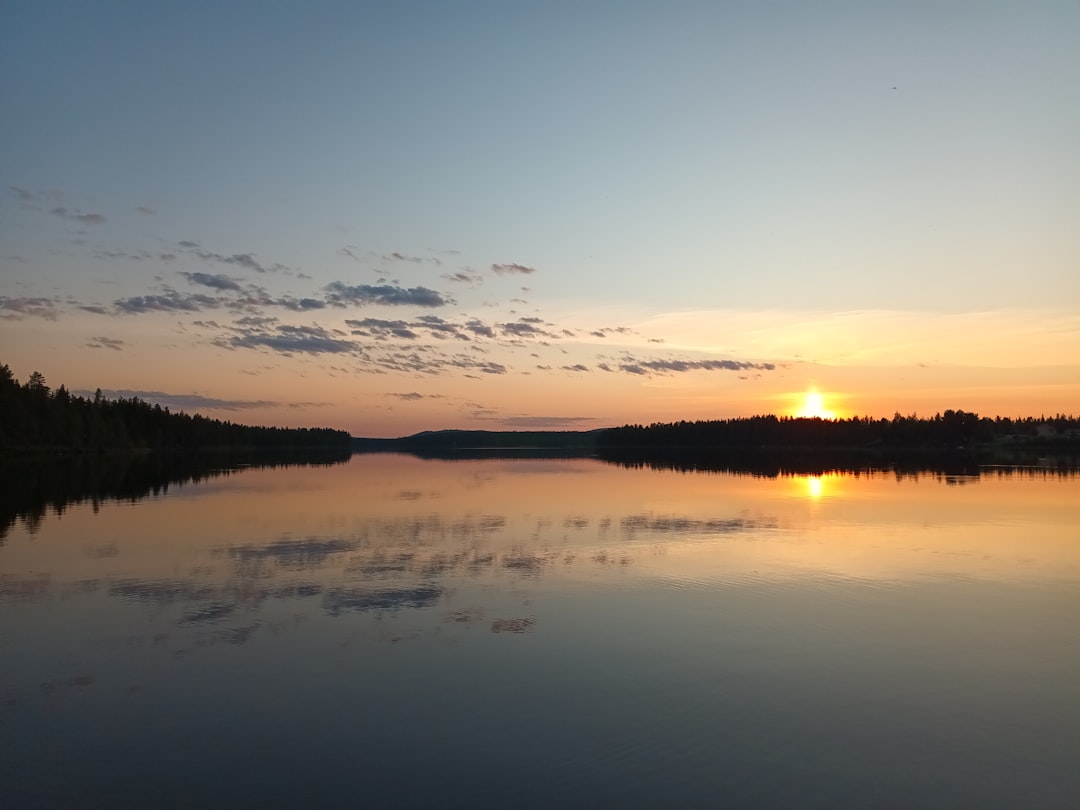
If you think you’ve seen long summer days, Finland’s solstice will absolutely recalibrate your expectations. We’re talking about the yötön yö, or nightless night, where the sun simply refuses to dip below the horizon, especially when you head north toward Utsjoki for seventy days of straight, unadulterated sunlight. It’s a complete shift in reality; even in southern hubs like Helsinki, you won't see true darkness for weeks, just a lingering, permanent civil twilight that hangs in the air. I’ve found that the lack of a real sunset forces you to rely heavily on blackouts if you want any hope of maintaining a normal sleep cycle, but honestly, you might not want to sleep at all given the energy in the air.
You’ll notice that this isn't just a visual spectacle; it’s a massive biological event that drives everything in the country. Take the local forests, where Scots pines engage in light-saturated growth, essentially gorging on photosynthesis to store energy in record time. Lake Saimaa becomes a giant thermal battery, soaking up that solstice heat to create a localized microclimate that’s surprisingly hospitable for plants you wouldn't expect to find this far north. And if you’re a photographer, the low angle of the sun is a dream, casting these massive, dramatic shadows across the flat lakelands that persist well into the early morning hours, giving you a lighting window that most of the world never gets.
But let’s be real about the trade-offs: this is a peak period for nature’s most annoying residents, as midges and mosquitoes use the twenty-four-hour warmth to complete their life cycles at a breakneck pace. You’ll also see the local bird life, like whooper swans, pushing their foraging into overdrive since they don’t have to worry about the cover of night. For the Finns, this is the prime window for mökkeily, or cabin life, where social gatherings and sauna sessions inevitably drift well into the early morning because there's no dark sky to signal that the day is over. It’s a fascinating, high-octane season where the power grid even sees a dip in demand since you barely need to flip a light switch, proving that even at a macro level, the country just naturally shifts its entire rhythm to follow the sun.
Svalbard’s Polar Phenomenon: Witnessing the Sun That Never Sets
Svalbard sits at such a high latitude that the sun’s trajectory during the polar summer forms a distinct, tight circle in the sky rather than the arc we’re used to seeing at lower latitudes. This constant solar position means that the shadows cast by the archipelago's jagged mountains remain virtually stationary for hours, slowly rotating around the peaks instead of lengthening or shifting as they do in temperate zones. You’ll also notice the unique atmospheric refraction in the Arctic can cause the sun to appear slightly distorted or flattened as it circles the horizon, which is just a wild optical illusion caused by the density of the cold air layers. Because the ground here is primarily permafrost, the lack of a traditional daily freeze-thaw cycle during the midnight sun period results in exceptionally stable terrain, which is why it’s a prime location for long-term climate monitoring stations.
The intense, unfiltered solar radiation during this period causes the surface snow on glaciers to develop distinctive sun cups, those little hollow, bowl-shaped depressions that form as the ice melts unevenly under the unmoving light. Despite the continuous brightness, the Arctic atmosphere remains thin and dry, meaning that the solar zenith angle never quite reaches the intensity needed to provide the heavy heat absorption you’d feel in a Mediterranean summer. It’s a fascinating, cool sort of warmth that feels different on your skin. Meanwhile, marine life in the surrounding Barents Sea experiences a massive phytoplankton bloom triggered by the endless light, which essentially powers the entire food web from tiny copepods all the way up to the massive bowhead whales that frequent these icy waters.
I find it interesting how the permafrost layers act like a massive thermal sink, absorbing that constant solar energy and maintaining consistent soil temperatures that allow specialized tundra plants to complete their entire reproductive cycle in a single, frenzied burst of growth. The lack of a true night means that the polar atmosphere doesn't experience typical nocturnal cooling, which prevents the formation of those temperature inversions you’d normally see further south. Researchers have even observed that the constant daylight leads to a complete suppression of melatonin production in local bird populations, forcing them to adopt erratic, non-circadian foraging behaviors just to keep their chicks fed. The archipelago’s unique geomagnetic location means that even though the sun is always visible, the ionosphere remains highly active, occasionally creating daytime aurora displays that stay invisible to us because of the overpowering solar glare. Ultimately, the absence of darkness during these four months prevents the buildup of nightly dew, which usually helps clean dust from the air, contributing to that distinctively crisp, sharp visibility that makes the Svalbard summer landscape feel so impossibly clear.
Tips for Travelers: How to Navigate and Sleep Through the Midnight Sun
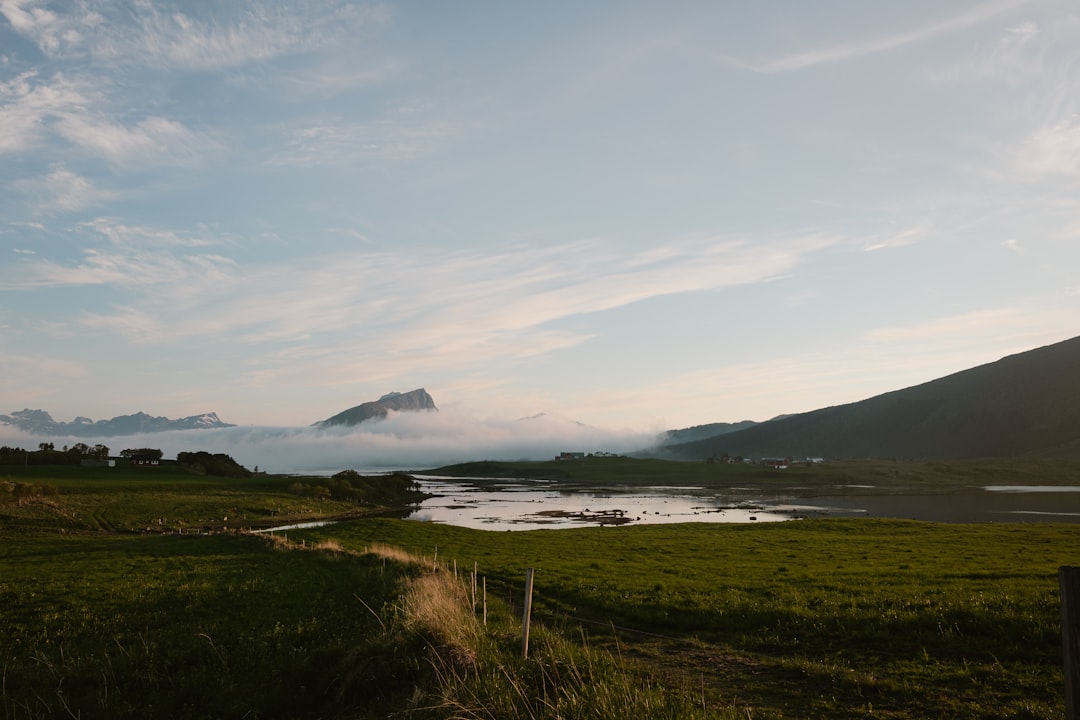
Let’s be real for a second: planning a trip to the Arctic is thrilling, but the reality of twenty-four-hour daylight can wreck your internal clock if you aren't prepared. Your body usually needs about 48 to 72 hours of consistent darkness to reset its natural rhythm, which is a tall order when the sun is still hanging out at 2:00 AM. Since melatonin production is incredibly sensitive to even small amounts of blue-spectrum light, that constant Arctic glow is basically sending a non-stop "stay awake" signal to your brain. To actually get some rest, I’ve found that standard hotel curtains just don't cut it, as they almost always leak light around the edges.
Honestly, your best move is to pack a pair of portable blackout blinds that you can stick directly onto the glass. Pair that with a high-quality, contoured eye mask that creates a tight seal around your nose and temples to stop any peripheral light from sneaking in. Because the sun stays so low on the horizon up there, it projects light horizontally, which makes it sneakier at finding gaps in your window treatments than sunlight ever would back home. Don't rely on your body to tell you when it’s time to sleep because, trust me, it’s going to keep screaming for adventure as long as it stays bright outside.
Instead, you have to lean into a strict, clock-based schedule to force your system to power down. I’d suggest cutting off the caffeine by 2:00 PM local time, otherwise, you're just piling more stimulation onto an already hyper-alert state. Keeping your room temperature cool is another trick I swear by, as the constant light can trick your brain into thinking it’s still the middle of the afternoon when it’s actually time to catch some Z’s. If you’re traveling with family, setting a firm wind-down time creates that necessary psychological buffer that helps everyone settle in. If all else fails, a low-dose melatonin supplement can act as a chemical nudge to override those environmental light signals, helping you wake up refreshed instead of feeling like you’re permanently stuck in a case of social jetlag.
Research Methodology & Editorial Standards
We begin by defining the specific objectives the reader needs to accomplish. Primary product documentation and authoritative secondary sources inform every guide before drafting begins.
Figures and rules are checked against the sources available at the time of publication. Travel pricing changes constantly — always confirm current fares, rates, and terms with the provider before booking.