
Best National Parks to Escape the Summer Heat Wave
If you’re looking to trade the stifling mid-summer heat for something more refreshing, let’s talk about why Glacier National Park is the gold standard for a cool-weather getaway.
High-Altitude Sanctuaries: Exploring the Cool Air of Glacier National Park
If you’re looking to trade the stifling mid-summer heat for something more refreshing, let’s talk about why Glacier National Park is the gold standard for a cool-weather getaway. While places like Alaska have grabbed headlines for their own icy allure, Glacier keeps drawing people back because it’s a masterclass in high-altitude geography. When the plains are baking in July, you can count on the mountain air here to stay a solid 20 to 30 degrees cooler. Think about it: you’re standing at the Continental Divide, a literal triple divide where water begins its journey toward three different oceans. It’s wild to realize that the ground beneath your feet holds 1.5-billion-year-old stromatolite fossils from ancient cyanobacteria, grounding your hike in a history that’s almost impossible to fully wrap your head around.
The real magic happens once you get up to Logan Pass, where the hanging gardens bloom in a short, frantic burst of color right after the snowpack finally decides to retreat. It’s a fragile, narrow window of beauty that feels earned rather than given. You’ll also notice the Lewis Overthrust here, a massive geological flex where ancient rock was pushed over newer shale, creating the vertical, jagged cliff faces that mountain goats navigate with their strange, rubbery hooves. It’s worth remembering that this ecosystem is incredibly precise; the endangered meltwater stonefly, for instance, can only survive in these specific, icy streams fed by the thinning glaciers. It’s a sobering reminder of how much is changing, especially when you consider that we’ve dropped from 150 glaciers down to fewer than 30 in just over a century.
If you’re planning a trip, don’t skip the Grinnell Glacier trail, as it’s one of the few places in the lower 48 where you can actually hike right up to an active basin and see that unreal turquoise glacial flour in the water. Even the Going-to-the-Sun Road is a feat of engineering that lets you experience that brutal, beautiful arête known as the Garden Wall without needing to be a pro climber. And because you’re so far from any major city lights, the sky at night is just as impressive as the ground during the day. It’s an International Dark Sky Park for a reason, and catching a glimpse of the Milky Way from these heights is the kind of experience that changes your perspective on the whole trip. Just be ready for the fact that the alpine larch trees are already thinking about their winter survival, turning a bright, warning gold before the snow hits. It’s a place that asks you to be present, because everything here—from the glaciers to the meadows—is moving on its own silent, ancient clock.
Coastal Breezes and Pacific Mists: Olympic National Park’s Temperate Rainforests
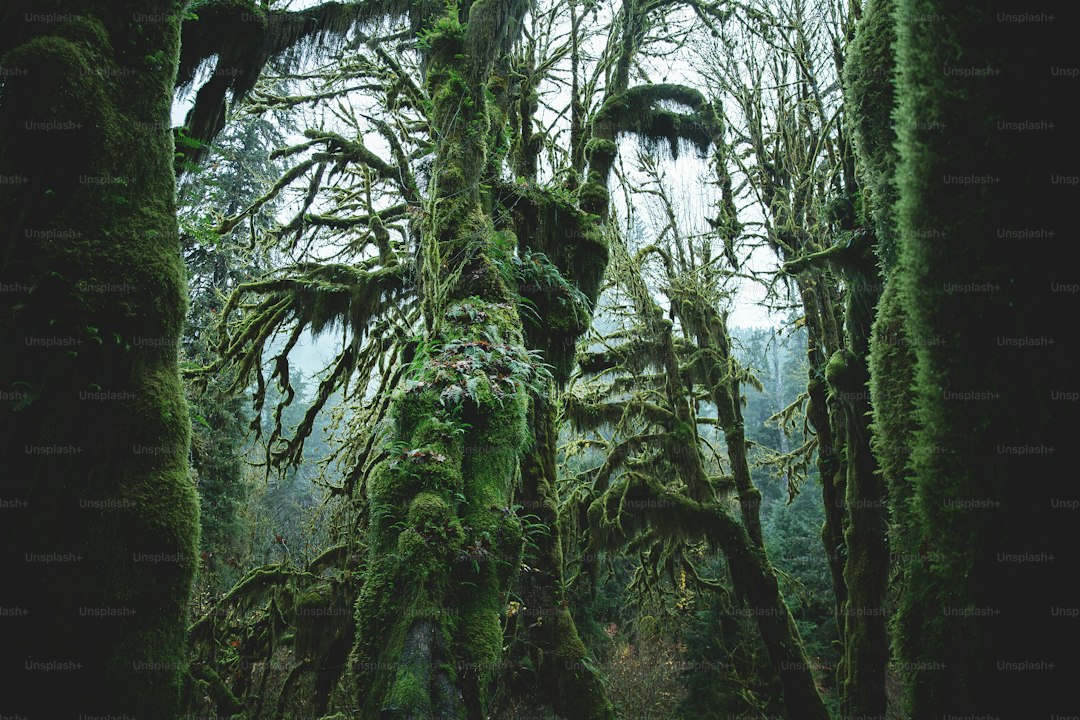
If you’re looking to escape the brutal heat waves that turn most of the country into a furnace every July, the temperate rainforests of Olympic National Park are easily your best bet. While the rest of the West is dealing with dry, scorching air, the Hoh Rainforest stays consistently cool because of the Pacific Ocean mists and the rain shadow cast by the mountains. It’s wild to think that this area can pull in anywhere from 140 to 170 inches of rain a year, which is exactly why everything here feels so dense and alive. When you walk through these woods, the ambient temperature stays refreshing, providing a natural air conditioning system that’s hard to find anywhere else. You’re essentially stepping into a massive, humid carbon sink that works harder than most tropical forests to keep the air clean and crisp.
What really strikes me is how this place functions as a vertical city of plants. You’ve got ancient Sitka spruce trees pushing over 300 feet into the sky, draped in heavy club moss that can weigh several tons once it's soaked through. The forest floor is just as busy, filled with nurse logs—fallen trees that act as a nursery for the next generation of seedlings. Because the decomposition process is so slow in these cool, damp conditions, the soil is incredibly thick and packed with organic matter. Fungi are constantly working in the background, running massive underground networks that trade nutrients between the trees and everything growing at your feet. It’s a perfect example of a system where nothing goes to waste and everything is interconnected.
Unlike the fire-dependent forests you might see in other parts of the country, this ecosystem is mostly shaped by windstorms and landslides that tear open the canopy to let in new light. It’s a bit messy, sure, but that’s exactly how the Roosevelt elk thrive, as they rely on the specific nutrition of the lush understory plants that grow in these river valleys. Honestly, there’s something grounding about being surrounded by trees that have been standing for centuries, oblivious to the heat spikes happening just a few hundred miles away. If you’re feeling burnt out by the summer, I’d suggest heading out here to just stand among the ferns and listen to the silence. It’s not just a walk in the woods; it’s a completely different rhythm of life that makes the stress of the modern world feel miles away.
Chasing Waterfalls and Glacial Streams in North Cascades National Park
If you really want to understand how a landscape can fight back against a heat wave, you need to look at the North Cascades, which hold about a third of all the glaciers in the lower 48 states. Think of these three hundred glaciers as massive, natural refrigerators that are constantly pumping chilled air into the valleys below. While the rest of the country is sweating through July, these glacial drainage systems—like the milky-blue, rock-flour-rich waters of Thunder Creek—are pulling cold air down from the peaks. It’s not just a subtle difference; the vertical relief here is so extreme that you can move from a warm valley floor to a frigid, icy alpine zone in just a few miles.
The geography here creates a perfect storm for waterfall lovers because of that rapid, heat-driven melting of the high-altitude snowpack. You’ll find some of the highest waterfall concentrations in the country, with behemoths like Colonial Creek Falls dropping over 2,500 feet across multiple tiers. It’s pretty wild to stand in a subalpine meadow and watch several of these hanging valley waterfalls descending simultaneously, knowing that the water you’re seeing hasn’t been liquid for very long. Because of the way the deep, jagged canyons are shaped, they act like natural wind funnels that suck that cooler mountain air downward, keeping the ambient temperature in the shadows significantly lower than what you’d find anywhere else nearby.
Honestly, the sheer volume of water is what keeps this entire place from feeling the sting of summer. With over five hundred individual lakes fed by that same glacial runoff, the water stays biting cold throughout the entire season, which in turn keeps the surrounding hemlock and fir forests from drying out. It’s a complete contrast to the arid, sun-baked regions just to the east of the Cascades. When you’re standing there, you aren’t just looking at scenery; you’re looking at a massive, interconnected cooling machine that’s been fine-tuned over millennia. If you’re looking to actually beat the heat rather than just endure it, this is about as close to a guaranteed refuge as you’re going to find.
High-Desert Nights: Why Acadia National Park Offers the Perfect Summer Refresh
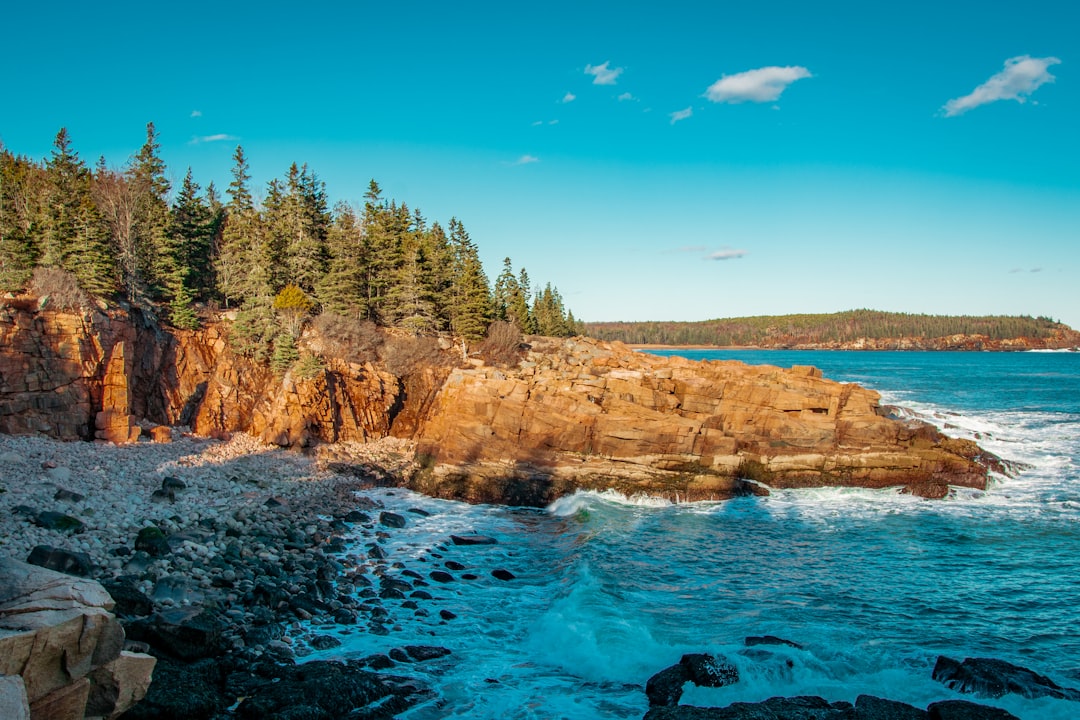
If you’re anything like me, you’re probably already dreading the sticky, breathless humidity that hits most of the East Coast by late June. But if you head way up the coast to Maine, you’ll find that Acadia National Park offers a completely different reality. It’s not just "cooler" there; it’s an entirely different climate system thanks to the Labrador Current, which keeps the surrounding Atlantic waters shockingly cold. That chilly water acts as a natural air conditioner, frequently dropping coastal temperatures by ten degrees or more compared to the mainland just a few miles inland. Honestly, it’s like stepping into a different world where the air actually feels crisp instead of heavy.
Think about the way the geography here is set up. You’ve got these massive granite peaks like Cadillac Mountain that don’t just hold heat like soft soil; they actually radiate it off quickly as soon as the sun dips. During the day, the park’s specific island topography creates constant sea breezes that shove stagnant, heat-trapping air right out to sea. And at night, you get this cool thermal inversion where the warm air sinks into the low valleys, leaving those high, rocky ridges absolutely perfect for stargazing. It’s one of the few places in the lower 48 where you can actually sleep under a blanket in the middle of July.
Beyond the wind, you’ve got these deep, glacially carved ponds like Jordan Pond that stay ice-cold all summer long because they’re shaded by steep, thick spruce-fir forests. Those trees are doing a lot of heavy lifting, too, acting as a massive evapotranspiration system that keeps the air from ever getting that dry, furnace-like feeling you’d get in other spots. It’s that combination of high-latitude positioning and deep-water influence that makes the nights so consistently refreshing. If you’re looking to dodge the heat waves without giving up the adventure, skipping the mainland for the micro-climates of Mount Desert Island is the smartest move you can make this summer.
Alpine Meadows and Crisp Mountain Peaks: The Serenity of Rocky Mountain National Park
When you’re looking to truly escape the stifling pressure of a summer heat wave, there’s nothing quite like the relief of stepping into the thin, electric air of Rocky Mountain National Park. We’re talking about an ecosystem where one-third of the terrain exists entirely above the tree line, creating an alpine tundra that feels more like a different planet than a simple vacation spot. Because the park sits at such extreme elevations, you’ll find that the climate here operates on its own set of rules, often forcing you to rethink what a summer day even looks like. It’s wild to consider that you can drive Trail Ridge Road—the highest continuous paved highway in the country—and crest at over 12,000 feet, where the air stays biting and crisp even while the rest of the country is sweating through record-breaking temperatures.
The geography here acts as a massive natural barrier, with the Continental Divide forcing moisture to dump as snow long before it ever reaches the parched plains to the east. That’s why you get these explosive, short-lived wildflower blooms in the meadows, a frantic display of life that lasts maybe two months before the frost starts creeping back in. If you want to see how this high-altitude reality shapes biology, just look for the pika; these tiny, mountain-dwelling mammals are so sensitive to heat that they can literally struggle if temperatures hit 78 degrees, which tells you exactly how precious this cool sanctuary is for the local wildlife. It’s a place where everything, from the twisted, ancient krummholz trees to the bighorn sheep clinging to sheer granite cliffs, has adapted to thrive in a zone that would be completely inhospitable to most life forms.
Honestly, the clarity you get here is the real kicker for me, especially when the sun starts to dip. Because the air is so thin and lacks the heavy humidity of lower regions, the light scattering is minimal, making the stars look sharper and more vibrant than I’ve ever seen them back home. Even the lakes reflect this environment; they’re oligotrophic, meaning they’re so low in nutrients that they remain crystal clear and bone-chillingly cold throughout the season. You’re not just visiting a park; you’re stepping into an ancient, 1.7-billion-year-old geological masterclass that’s been carved by glaciers and kept in deep-freeze by pure altitude. If you’re feeling totally burnt out by the relentless summer sun, I’d suggest heading up to these heights and letting the mountain air do the heavy lifting for you—it’s the most honest way to reset I know.
Exploring Underground Wonders: Staying Naturally Cool in Mammoth Cave and Wind Cave
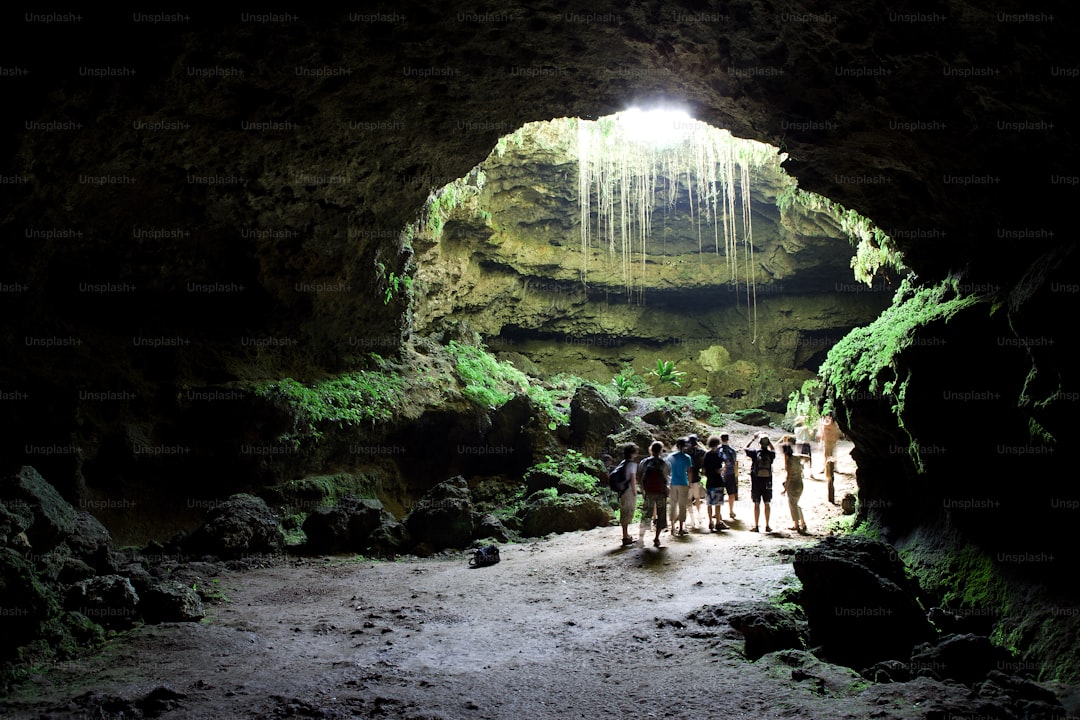
If you’ve ever found yourself desperate to escape a mid-July heat wave, you’ve likely looked for shade, but there’s a much more effective way to drop the temperature: head underground. While most people hit the mountains, I’ve found that Mammoth Cave and Wind Cave offer a kind of thermal stability that surface-level geography just can't touch. Mammoth Cave, for instance, functions as a massive, 426-mile-long geological heat sink that holds steady at a crisp 54 degrees Fahrenheit, no matter how brutal the sun gets outside. It’s wild to walk through those passages, knowing you’re effectively stepping into a natural air-conditioned vault that’s been insulated by limestone bedrock for millions of years.
Think about the contrast when you’re standing at the entrance to Wind Cave in South Dakota, where the barometric winds literally roar as the cavern balances its internal pressure with the shifting atmosphere outside. Unlike the vast, complex multi-level structure of Mammoth, Wind Cave acts as a largely closed system, which creates a sharp, immediate buffer against the baking prairie heat. You’re looking at some of the highest concentrations of boxwork on the planet—those honeycomb-like calcite formations that look almost alien when the light hits them just right. It’s a sensory shock in the best way possible, moving from the sweltering humidity of a summer afternoon into that perfectly consistent, subterranean chill.
The science behind this is pretty fascinating, too, as both systems were carved out over eons through the slow dissolution of limestone by acidic groundwater. While you’re wandering through these quiet, dark corridors, you’re essentially moving through a space that is entirely indifferent to the seasons, home to specialized life like the Kentucky cave shrimp that have thrived in this stable, cool darkness since the Mississippian period. If you’re tired of just enduring the heat, I’d suggest making these caves a priority, because it’s one of the few places left where the environment doesn't just feel cool—it’s genuinely, scientifically immune to the surface summer. It’s honestly the ultimate reset, giving you a chance to experience the earth’s own internal rhythm while the world above continues to boil.
Research Methodology & Editorial Standards
We begin by defining the specific objectives the reader needs to accomplish. Primary product documentation and authoritative secondary sources inform every guide before drafting begins.
Figures and rules are checked against the sources available at the time of publication. Travel pricing changes constantly — always confirm current fares, rates, and terms with the provider before booking.