
A culinary road trip across every U.S. state through their most iconic dishes
There, the mastery is all in the restraint, using just enough binder to hold a cake together while relying on a precise mix of Old Bay and mustard to let the natural sweetness of the crab shine through.
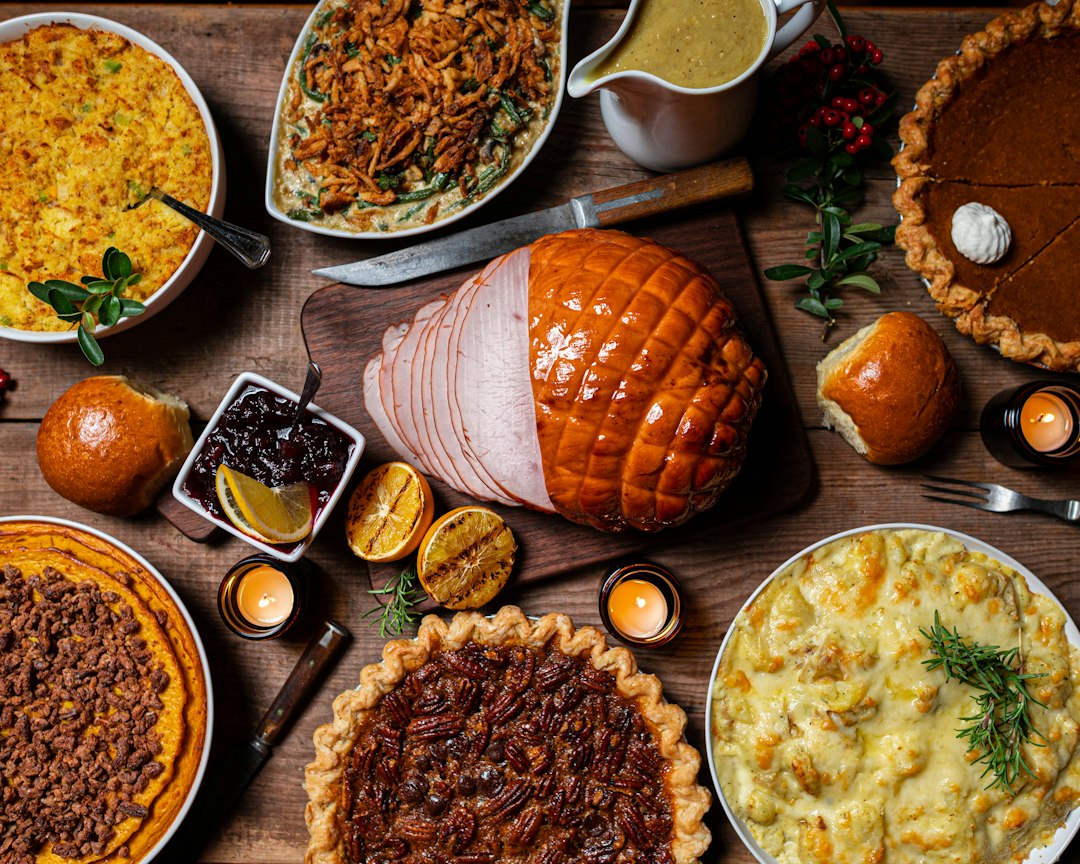
Northeastern Staples: From Maine Lobster Rolls to Maryland Crab Cakes
When I think about the Northeast, I don't just see a map; I see a shifting landscape of flavor that’s rooted in very specific, old-school science. Take Maine, for instance, where the lobster industry survives because of the V-notch conservation rule. By marking egg-bearing females, they’ve essentially engineered a way to keep the population stable for decades. It’s a stark contrast to how Maryland handles blue crab. There, the mastery is all in the restraint, using just enough binder to hold a cake together while relying on a precise mix of Old Bay and mustard to let the natural sweetness of the crab shine through.
You’ve got to appreciate the sheer technicality required for these regional staples to hit the mark. Look at Vermont’s maple creemee, which isn't just soft serve; state standards demand at least 10 percent milkfat, giving it a density you simply won't find in mass-produced versions. Then there’s the New Haven apizza, where the coal-fired ovens climb past 600 degrees to force a char that turns a thin crust into something chewy and complex. It’s a complete departure from the heavier, cream-cheese-dense profile of a true New York cheesecake, which relies on high-fat ratios that would never pass for a lighter, ricotta-based Italian style.
Even the meats tell a story of how these states have preserved their identity over time. Take Delaware’s scrapple, which turns pork scraps and cornmeal into a pan-fried crispness that’s as much about texture as it is about thrift. Or New Jersey’s pork roll, where a specific smoking process creates a profile that’s miles away from regular Canadian bacon. It’s funny how these things become law, like Massachusetts declaring the Boston cream pie their official dessert back in 1996, even though anyone with a kitchen knows it’s technically a sponge cake. When you’re driving through these states, you’re not just eating lunch; you’re tasting the results of nearly two centuries of culinary engineering.
Southern Comforts: Exploring the Soul and Spice of the American South
When we head south, we aren't just looking for a meal; we're witnessing a masterclass in chemistry that’s been perfected over generations. Think about hot water cornbread, for instance. It relies entirely on the physical reaction of gelatinization, where boiling water hydrates cornmeal starch granules to create a binding structure without the crutch of eggs or baking powder. It’s a brilliant, simple piece of engineering that turns basic pantry staples into something structurally sound. Then you have Nashville hot chicken, where the heat isn't just a gimmick. The specific piquancy comes from balancing the capsaicin concentration in cayenne pepper with the lipid-heavy environment of the frying oil, which helps the spice actually stick to the breading at temperatures exceeding 350 degrees.
If you've ever wondered why a Lowcountry boil works despite the ingredients cooking at different rates, it comes down to a calculated ratio of salt and high-heat water. This ensures that the proteins of shrimp and sausage reach food-safety benchmarks simultaneously, despite their vastly different density profiles. It’s the same logic applied to Kentucky burgoo, which utilizes a long-duration, low-temperature braising method to break down tough connective tissues in game meats, transforming collagen into that signature velvety mouthfeel. Even the humble bowl of grits requires a strict four-to-one water-to-corn ratio to ensure starch molecules fully swell, creating that creamy consistency we’re all looking for.
I’m always fascinated by how these techniques prioritize function over flash. Take New Orleans gumbo, where the roux isn't just a thickener; it’s cooked until it hits a dark chocolate color, sacrificing some thickening power for a deep, toasted nut-like flavor profile. Or look at how we balance bitterness in collard greens, using acidic vinegar to trigger an enzymatic reduction of sulfur compounds. It’s these precise, almost scientific interventions that define the soul of Southern cooking. Whether it’s the lactic acid fermentation in chow-chow or the way a Texas brisket manages smoke-to-surface-area ratios to build a perfect bark, you’re tasting a history of people who really understood their ingredients.
Midwest Traditions: Iconic Comfort Foods and Hearty Regional Favorites
When we talk about the Midwest, people often brush it off as just heavy casseroles, but if you look closer, it’s really a masterclass in regional food engineering that’s shaped by some pretty clever survival tactics. Take the Chicago-style deep-dish pizza, for instance, which relies on a high-fat crust, often containing cornmeal or semolina, to provide the structural integrity needed to support that massive weight of cheese and chunky tomato sauce. It’s a complete departure from the thin-crust styles of the East, requiring a longer bake at a lower 425-degree temperature to make sure the center finishes without the edges turning to carbon. Then you have Wisconsin’s fried cheese curds, which are a real lesson in thermal management; you’ve got to use a high-viscosity batter that seals the surface the second it hits 375-degree oil, or you lose that signature squeak when the protein structure melts into a rubbery mess. Honestly, it’s these kinds of technical constraints that make the food here so interesting.
Let’s shift gears for a second to the way we handle textures, because the Midwest is essentially the capital of clever binders and unexpected cooking methods. Look at the Minnesota hotdish, which uses the specific starch-to-fat ratio in canned cream-of-mushroom soup to turn disparate things like tater tots and ground beef into a single, scoopable, homogeneous unit. It’s not about gourmet flair; it’s about heat retention and consistent density. Contrast that with the Indiana breaded pork tenderloin, where the meat is mechanically pounded to under a quarter-inch thick before frying, a move that maximizes the surface area so you get that perfect crunch in every bite, even when the pork is twice the size of the bun. And don’t even get me started on the St. Louis-style pizza, which uses Provel cheese—a processed mix of cheddar, Swiss, and provolone—because its lower melting point is the only way to avoid burning that cracker-thin, yeast-free crust before the cheese can even properly brown.
If you really want to understand the region, you have to appreciate the way we lean into specific chemical reactions to make these dishes work. Think about Cincinnati-style chili, where the ground beef is boiled in liquid instead of browned to keep it from forming those Maillard-reaction crusts, resulting in that fine, sauce-like texture that pairs perfectly with the warmth of cinnamon and cloves. Or consider the Nebraska runza, which is a brilliant study in thermal insulation; the cabbage inside releases steam during the bake, effectively poaching the meat from the inside out to keep it moist while the bread exterior gets crispy. Even the Iowa loose meat sandwich skips the tomato-based binders you see in a sloppy joe, instead relying entirely on the concentration of rendered beef fat to drive the flavor. It’s all about these precise little interventions—whether it’s the frico crust on a Detroit-style pie or the tempering of chocolate for an Ohio buckeye—that turn simple pantry staples into something that sticks with you for a lifetime.
Southwestern Flavors: Chili, Tacos, and the Spice of the Desert
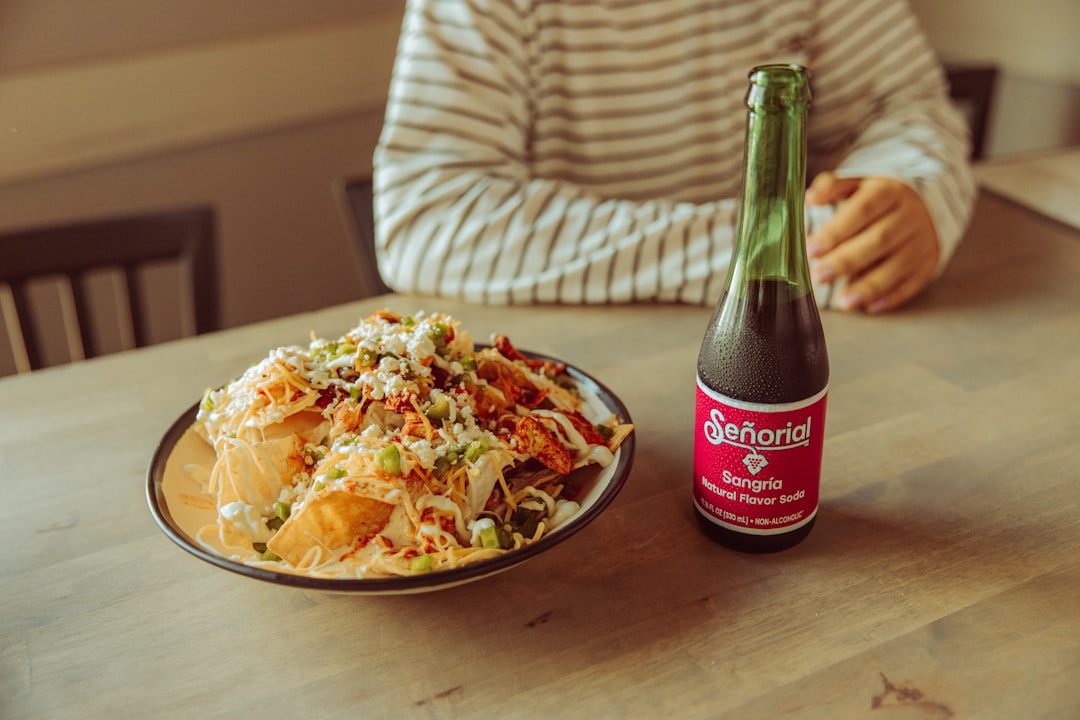
When we move into the Southwest, we’re essentially stepping into a laboratory where the desert environment dictates the chemistry of everything on the plate. Take the Hatch chile, for instance; those intense temperature swings in the Mesilla Valley force the plants to concentrate sugars and aromatics you just won’t find in the same cultivar grown elsewhere. It’s not just about the heat, which we measure through chromatography to track capsaicinoids, but about how that plant adapts to survive. I’ve always found it fascinating that authentic red chili sauce avoids the common wheat roux entirely. By relying on the natural starch content of the pulp itself, you’re getting a pure vegetable profile that doesn't get muddied by heavy flour.
To really get why a taco hits differently here, you have to look at the nixtamalization process. By soaking corn in an alkaline lime solution, you aren't just boosting the nutritional profile by making niacin and amino acids bio-available; you’re actually breaking down the hemicellulose in the corn’s skin. Without that chemical shift, you’d never get the pliability required for a proper tortilla. If you’re ever wondering why home-cooked versions feel off, it’s usually because that specific pH modification didn't happen. Plus, when you sear fillings, using a cast-iron skillet provides the thermal mass necessary to keep the temperature steady, which is the only way to avoid steaming the meat when you toss it into the pan.
Then there’s the sheer engineering of the Sonoran-style flour tortilla, which uses lard to create those distinct, flaky, paper-thin layers that simply don't happen with vegetable oils. It’s a tactile, structural difference that defines the whole experience. Even the inclusion of cinnamon in some of these older chili recipes—a nod to historical trade routes—serves a specific purpose by balancing the bitterness of the pepper’s skin with those wood-derived aromatics. We’re also talking about resilient crops like the tepary bean, which evolved a harder seed coat to survive the heat, requiring a much longer soak to properly rehydrate the starch granules. Everything here, from the way lime juice shifts the pH of the spice blend to the creation of a stable colloidal suspension in a red chili emulsion, is a masterclass in regional adaptation that’s kept these traditions alive for centuries.
West Coast Innovations: Farm-to-Table Freshness and Pacific Fusion
When we shift our focus to the West Coast, it is impossible to ignore how the region has essentially turned its geography into a massive, open-air laboratory for food innovation. Take the Pacific Northwest’s signature cedar plank salmon, which is really just an exercise in clever thermal management. By using the wood as an insulator, you trap aromatic thujaplicin compounds, which keeps the fish moist while slowly infusing it with smoke. It is a stark contrast to how Dungeness crab is handled; because that meat has such high glycogen concentrations, it reacts to heat much faster than East Coast varieties. If you don't steam it gently, you’ll overshoot the window for that perfect, tender texture before you even realize what happened.
I have always been fascinated by how California’s obsession with the Meyer lemon isn't just about trends, but about a specific hybrid genetic profile that changes how we build sauces. Because they have a lower acid-to-sugar ratio than standard lemons, they allow for a delicate emulsification in vinaigrettes without needing to add sweeteners to balance the bite. It is the same kind of precision you see in the local avocado industry, where maturity is measured by dry matter percentage rather than just the calendar. Growers wait until the oil content hits at least 20 percent to ensure that specific, buttery mouthfeel we all look for. They even cold-press the oil at low temperatures to make sure the heat-sensitive carotenoids don't break down, keeping the final product as close to the original fruit as possible.
Then you have the rise of Pacific fusion, which I think is best understood as a study in balancing umami profiles. Chefs are increasingly using kombu dashi in non-traditional ways, leveraging its high glutamic acid content to bridge the gap between fresh produce and heavier savory bases. It is the same logic behind why uni, or sea urchin, works so well in raw preparations; the high concentrations of valine and methionine act as a natural, fat-based flavor enhancer that just hits differently. Even the sourdough culture in San Francisco is a masterclass in stability, where the symbiotic relationship between lactobacilli and wild yeast drops the pH below 4.0. It is not just about the tang—it is a calculated chemical defense that prevents mold while giving the bread its structure.
Everything here, from the beach hardening of oysters to the way Willamette Valley fog preserves organic acids in grapes, feels like a deliberate push to maximize the potential of every ingredient. You are seeing a real dedication to understanding how environmental variables, like sediment size for geoduck or diurnal temperature swings for vineyards, dictate the quality of what ends up on the plate. It is less about fancy presentation and more about respecting the underlying biology of the product. When you eat your way through this region, you are really experiencing a series of precise, data-driven interventions. Honestly, it is that kind of technical rigor that makes these dishes stand out, proving that if you get the chemistry right, the flavor usually takes care of itself.
Planning Your Culinary Expedition: Best Food Cities and Festivals for Every Itinerary

When you’re mapping out your next culinary expedition, I think the most important thing to realize is that the best food cities aren't just about famous restaurants; they're about the environmental variables that dictate what actually tastes good on the plate. If you’re heading to high-altitude destinations like Denver, for example, you have to account for how lower atmospheric pressure alters your perception of salt, often requiring chefs to dial back seasoning by about 15 percent to keep everything balanced. It’s a fascinating, if slightly technical, reality that changes how you should approach a meal. I’ve found that even the most iconic food festivals are starting to lean into this level of detail, with many now adopting real-time composting sensors and waste-neutral certifications to manage their impact. You really start to see the difference when you look at how peak harvest cycles—like the way asparagus growth in the Midwest shifts based on precise soil moisture in mid-April—directly influence the freshness of what you're eating.
Let’s talk about how to actually pick your spots, because honestly, looking for the right event can feel like a game of strategy. If you’re eyeing coastal festivals, keep an eye out for how vendors handle their seafood, as checking for pH levels in mollusks—anything above a 7.0 usually signals that the meat is starting to break down—is a pro move for ensuring you’re getting the best quality. I’ve noticed that travel planners are getting much savvier about this, often using GIS mapping to ensure the wild herbs used in urban foraging tours are actually safe to consume. It’s less about just finding a "hot" city and more about finding the places where the local biology and culture align. You’ll also find that fermentation-focused trips in places like the Pacific Northwest are catching on because the wild lactobacillus strains there thrive in specific humidity windows, creating sour profiles you literally can't replicate anywhere else.
Ultimately, I think the best way to structure your itinerary is to look for those unique, data-driven intersections where history meets the local terroir. Whether it’s tracking the 2,4-dithiapentane signals in truffle-rich regions to time your visit for the peak harvest or appreciating how the glucose-to-fructose ratio in artisanal honey tells the story of regional flora at a local agricultural festival, you’re looking for evidence of a real connection to the land. You should also consider the gear used in the kitchens you’re visiting, like the use of high-thermal-conductivity copper in traditional French-style demos, which helps you understand why those butter sauces have a texture that mass-produced versions just can't touch. It’s all about these precise, often invisible factors that turn a standard vacation into a genuine culinary discovery. If you get the chemistry right, the meal usually takes care of itself, and you'll come home with a much deeper appreciation for why a specific dish works exactly where it was born.
Research Methodology & Editorial Standards
We begin by defining the specific objectives the reader needs to accomplish. Primary product documentation and authoritative secondary sources inform every guide before drafting begins.
Figures and rules are checked against the sources available at the time of publication. Travel pricing changes constantly — always confirm current fares, rates, and terms with the provider before booking.