
Why South Korea Is The Next Must Visit Destination For Every Traveler
I’ve noticed a major shift lately where travelers are actively choosing to bypass the capital’s density for the quiet, rugged appeal of the provinces.

Beyond Seoul: Why You Should Explore South Korea’s Hidden Gems
If you’ve spent any time in Seoul lately, you know the feeling of being caught in the sheer momentum of the city; it’s electric, sure, but it can also be overwhelming. I’ve noticed a major shift lately where travelers are actively choosing to bypass the capital’s density for the quiet, rugged appeal of the provinces. This isn't just about avoiding crowds, though; it’s a structural change driven by the Korea Railroad Corporation’s new integration with digital booking platforms. Now, you can actually plan a multi-city itinerary on your phone with the same ease you’d use for a ride-share app. When you look at the mobility data, it’s clear that high-speed rail is the real catalyst here, effectively shrinking the country and turning those formerly inaccessible coastal towns into legitimate day trips.
Think about it this way: you’re no longer tethered to a bus schedule that requires three transfers just to reach a decent mountain trail. This improved connectivity is changing the math for everyone, allowing you to hit a local festival or a coastal historic site and be back in a different city by dinner. Interestingly, this tourism surge has brought some unexpected trends to the surface, like the massive uptick in regional pharmacy shopping. It turns out that specialized skincare and laboratory-grade wellness products have become a major draw for secondary cities, creating a unique economic niche that you simply won't find in the standard tourist districts of Seoul.
I’m genuinely impressed by how these lesser-known municipalities are renovating their historic sites to accommodate this influx, making them feel like hidden discoveries rather than managed attractions. If you’re planning a trip, my advice is to stop viewing Seoul as the default base camp and start looking at the rail map as your primary tool. By leveraging these unified booking systems, you’re not just seeing more of the country; you’re engaging with an authentic cultural experience that the typical visitor—the one stuck in the city gridlock—is completely missing out on. It’s a smarter way to travel, and honestly, it’s the only way to get a real sense of what South Korea actually looks like beyond the neon lights of the capital.
A Culinary Journey: Authentic Flavors Across the Peninsula
If you really want to understand the soul of this country, you have to look past the standard menus and start paying attention to the chemistry happening in the kitchen. I’ve been tracking how South Korea’s fermentation science has hit a new peak, particularly with the standardization of onggi, those traditional earthenware jars that use microscopic pores for oxygen exchange. It’s not just a rustic aesthetic; this process fundamentally changes the probiotic profile of kimchi during long-term aging. When you’re sitting down to a meal in Jeolla, you’re eating food that’s been studied for its high concentration of antioxidant flavonoids found in wild-foraged mountain herbs, which honestly makes commercial produce feel pretty flat by comparison. It’s this kind of data-backed heritage that’s turning regional dining into a genuine research-grade experience.
But here’s where it gets interesting for those of us who track these shifts: the country is currently undergoing a massive revival of nearly lost grain varieties, with cooperatives now documenting over 200 types of native glutinous rice that industrial farming almost wiped out. You’ll see this same precision in the south, where chefs are swapping synthetic umami additives for fermented sea squirt enzymes in regional soups—a move that’s not just bold, but scientifically sound for flavor depth. I’ve also noticed how the resurgence of traditional makgeolli has been tied to unique yeast strains discovered in volcanic basalt caves, which create floral notes you simply can't force in a sterile lab. It’s that intersection of ancient, raw environment and modern testing that’s really driving the current culinary movement.
You should also look at how regional logistics are changing the literal freshness of what’s on your plate. With the high-speed rail network fully integrated, we’re seeing a "freshness index" where highly perishable seafood hits inland tables within four hours of being pulled from the water. Even the way soy sauce is aged in specialized cedar barrels—a five-year cycle that breaks down cellulose to impart vanillin notes—shows a level of technical patience that’s rare in today’s fast-paced food scene. And if you’re ever curious about why your buckwheat noodles in Gangwon taste so different from those in the southern plains, it’s all in the mineral content of the local water sources. Honestly, the fact that you can now scan a QR code to see the exact mountain slope where your seasonal ingredients were harvested is just the cherry on top.
Seamless Infrastructure: Why South Korea Is a Modern Traveler’s Dream
If you’ve ever found yourself frantic at a train station abroad, staring at a paper ticket that doesn't make sense while the departure board mocks you, South Korea’s infrastructure is going to feel like a total revelation. It’s not just that things run on time—though a 99.9 percent on-time performance rate in Seoul is honestly impressive—it’s the way the entire country feels like a single, responsive machine designed to get you from A to B without a single hiccup. I’m talking about a unified T-money system where you tap into a subway, hop on a bus, and grab a coffee at a convenience store all with one card, and it processes in under 0.2 seconds. It removes that friction that usually ruins the flow of a good trip, letting you focus on the actual experience instead of the logistics.
And it’s not just about convenience; it’s about how much tech is humming along in the background to make your day smoother. You’ve probably noticed 5G dead zones elsewhere, but here, you’ll be streaming maps or catching up on emails even when you’re deep inside a mountain tunnel or underground in a subway corridor. That’s because there’s a government mandate forcing transit operators to keep you connected, and it makes a massive difference when you’re trying to navigate a new city. Even the way crowds are managed is smart—they use AI-driven surveillance to spot bottlenecks during busy holidays, which prevents that suffocating feeling you get in other major global hubs.
Think about the sheer peace of mind that comes from knowing the city is actually working for you. In places like Songdo, they’ve even done away with garbage trucks, using pneumatic systems that keep the streets clear and quiet, which sounds like a small thing until you realize how much nicer it makes a morning walk. You can even check real-time air quality data from over 500 ground-level stations before you head out for a hike, which is the kind of transparency that honestly makes me wonder why every other country hasn't copied them yet. It feels less like you’re a tourist navigating a foreign grid and more like you’ve been given a master key to the whole peninsula.
I’m also seeing a huge shift toward digital-first travel that actually works, like the move toward a near-paperless system where 95 percent of tickets are just encrypted QR codes on your phone. You’re not hunting for printers or worrying about losing a physical pass; you just scan and go. Plus, with biometric kiosks popping up in secondary hubs, you’re increasingly bypassing the manual check-in lines entirely. It’s a level of technical polish that sets a high bar, and honestly, once you get used to this kind of seamless mobility, it’s really hard to go back to the old way of doing things.
Harmonizing Past and Future: From Ancient Palaces to Futuristic Cities
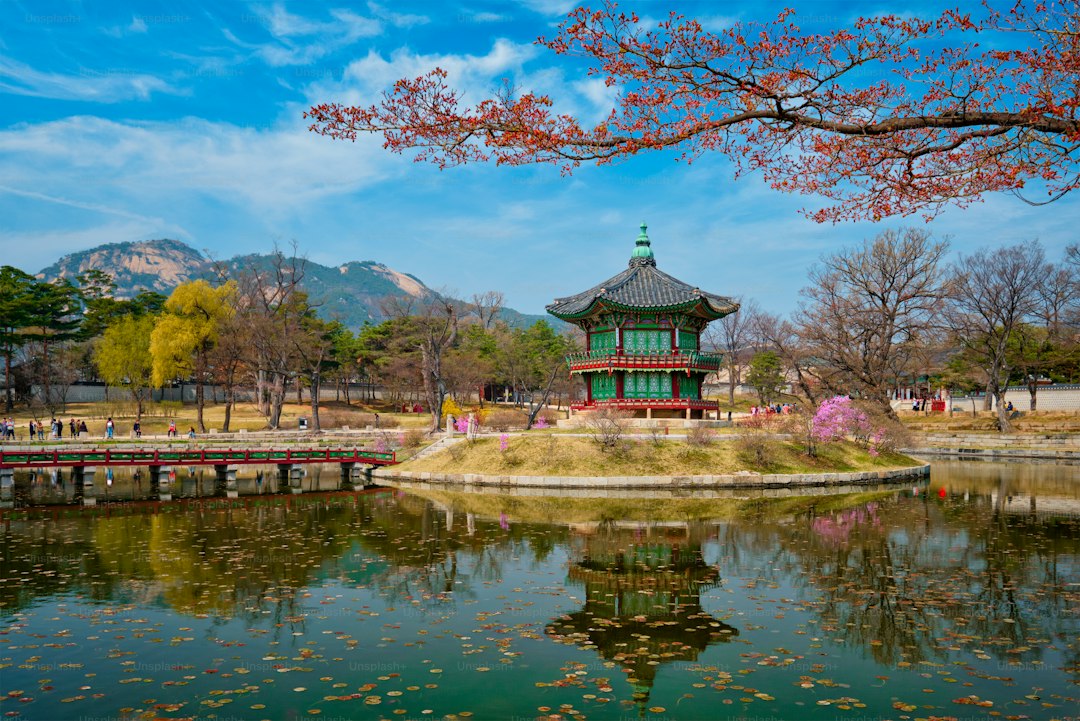
Let’s pause for a moment to really look at how South Korea manages the tension between its ancient roots and its hyper-modern trajectory. It is honestly fascinating to see how the Gyeongbokgung Palace now uses advanced light-shielding tech during evening hours, which protects the delicate wood grain from UV damage while somehow making the architecture look even more striking. You’ll find that beneath many of these Joseon-era sites, engineers have installed sensitive vibration sensors to monitor structural shifts caused by the rumble of the subway lines running nearby, ensuring history stays standing while the city keeps moving. It’s a delicate balance, and I’m genuinely impressed by the way the Seoul Metro has rolled out a new typography system that mathematically aligns Hangul with Latin characters just so international travelers can navigate the transit grid without feeling that visual friction.
And the way they’re pulling traditional design into the future is even smarter. If you look at the new residential towers, architects are actually borrowing the old hanok concept of spatial flow to create natural cross-ventilation, which naturally cuts down on energy use without needing a bunch of noisy climate control. We’re even seeing digital preservationists using sub-millimeter 3D laser scanning to model ancient stone pagodas, letting them simulate how these structures handle seismic activity over long periods. You can actually walk through some of these sites now and use an augmented reality interface to see the original footprints of destroyed palace complexes mapped right onto the modern sidewalk. It’s a surreal, high-tech way to see exactly how the city has shifted beneath our feet over the centuries.
But honestly, the most thoughtful interventions are the ones you might not even notice at first. Urban planners are now enforcing strict height-to-distance ratios for new skyscrapers to make sure they never cast shadows on those ancient courtyards during the winter solstice, keeping the soul of the old world intact despite the skyline’s rapid growth. I’ve noticed they’ve even started installing localized sound-masking tech in historic gardens that filters out the white noise of traffic while letting you hear the natural sounds of water and wind. They’ve even managed to integrate smart-grid lighting in these heritage areas that adjusts in real-time based on ambient IoT sensors to save energy, which is just brilliant. It makes you realize that being a modern, futuristic city doesn't have to mean erasing the past; it just means being smart enough to let the two exist in the same space.
Safety, Accessibility, and Convenience: The Perfect Destination for Every Traveler
When you’re planning a trip, safety isn’t just a box to check—it’s the foundation that lets you actually relax and soak in the environment. South Korea consistently ranks among the safest nations globally, and that’s not just a statistic; you feel it the moment you walk through a Seoul neighborhood at midnight. The country leans into this with a massive network of high-definition cameras and motion-tracking tech that works quietly in the background to ensure security without feeling intrusive. Plus, the 119 emergency system is genuinely impressive, offering real-time translation in over 20 languages so you’re never stranded if you hit a snag. It honestly changes your mindset when you know the infrastructure is designed to look out for you, whether you're navigating a busy market or a quiet coastal trail.
Accessibility is another area where the country really separates itself from the pack. It’s rare to find a place that has so thoroughly baked "Universal Design" into its national identity, from the tactile paving that guides you through transit hubs to the 98 percent of subway stations now fully equipped with elevator access. I’ve noticed they’ve taken this a step further with a formal "Barrier-Free Certification" system, which audits hotels and museums to ensure they’re actually usable for everyone, not just on paper. Even the platform screen doors at every underground station are a simple, brilliant piece of engineering that effectively eliminates the common risks you see in older transit systems elsewhere. It’s this kind of proactive planning that makes the experience feel inclusive rather than an afterthought.
Then there’s the sheer convenience of the digital landscape, which acts like a master key for your entire trip. You’ve got nationwide public Wi-Fi that hits almost every bus stop, meaning you’re rarely left guessing about directions or missing a connection. The integration is seamless, too—you can manage your medical appointments through a central government portal or use a "safe-return" app that tracks your taxi ride and shares your status with family back home in real-time. Even the 24-hour convenience stores function like local hubs, handling everything from international shipping to last-minute supplies. Honestly, when you pair that level of technical polish with a transit system that runs with near-perfect reliability, you stop worrying about the logistics and start focusing on the actual journey.
Why 2026 Is the Definitive Year to Experience South Korean Culture
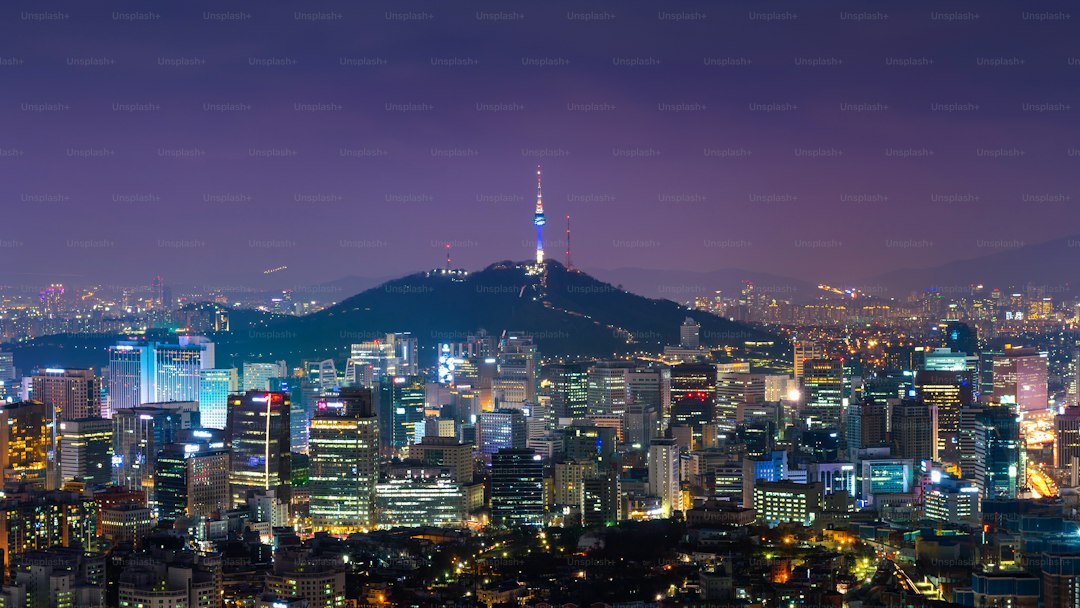
If you’ve been feeling like the world is moving a bit too fast lately, 2026 is the year South Korea finally proves that high-tech advancement can actually make travel feel more human, not less. I’ve been looking closely at the recent shift in the country’s cultural output, and it’s clear that we’re at a turning point where cinema and performance are no longer just things you watch, but environments you step into. When you look at the technical benchmarks set by global hits like Hope or the record-breaking success of KPop Demon Hunters, you realize the industry has moved into a new tier of production that changes how we experience storytelling. It’s not just about the spectacle; it’s about how these milestones have forced every theater and venue to upgrade their accessibility, including the rollout of AI-enhanced glasses that feed you historical context in real-time as you watch a show.
The level of personalization you’ll find here right now is honestly staggering, especially if you’re interested in how technology intersects with personal well-being. Beauty tourism has evolved from simple procedures into a science-backed experience where clinics use your own epigenetic markers to tailor skincare regimens that actually fit your biology. I’m also seeing travelers flocking to the latest in 3D-printed nail technology, which delivers designs that look like they belong in a museum but only take about ten minutes to apply. Even your day-to-day health is being managed with more care, as mobile travel apps now pull in live regional environmental data to give you personalized wellness tips, like adjusting your itinerary based on localized pollen counts or air quality.
But the real magic is how they’re using these advancements to make the country more open and connected than ever before. If you’re a fan of live events, the BTS ARIRANG tour has essentially written the blueprint for 6G-enabled concerts where the audience can actually interact with the stage lighting and visuals right from their seats. Meanwhile, the infrastructure in heritage sites has been quietly transformed, with new haptic-feedback navigation systems helping visitors with visual impairments explore complex temple grounds with ease. Even the shopping experience has been upgraded for clarity, as you can now scan your artisan crafts to pull up blockchain-verified proof of their exact workshop origin and history. It’s rare to find a place that balances such rapid technical adoption with such a deep respect for its own roots, and that’s exactly why you need to see it for yourself while this momentum is at its absolute peak.
Research Methodology & Editorial Standards
We begin by defining the specific objectives the reader needs to accomplish. Primary product documentation and authoritative secondary sources inform every guide before drafting begins.
Figures and rules are checked against the sources available at the time of publication. Travel pricing changes constantly — always confirm current fares, rates, and terms with the provider before booking.