
Why Qatar is the ultimate luxury destination for your next getaway
If you've been watching the Middle East travel scene as closely as I have, you’ve likely noticed that Qatar isn't just riding the post-World Cup wave—they’re actually building a whole new foundation.
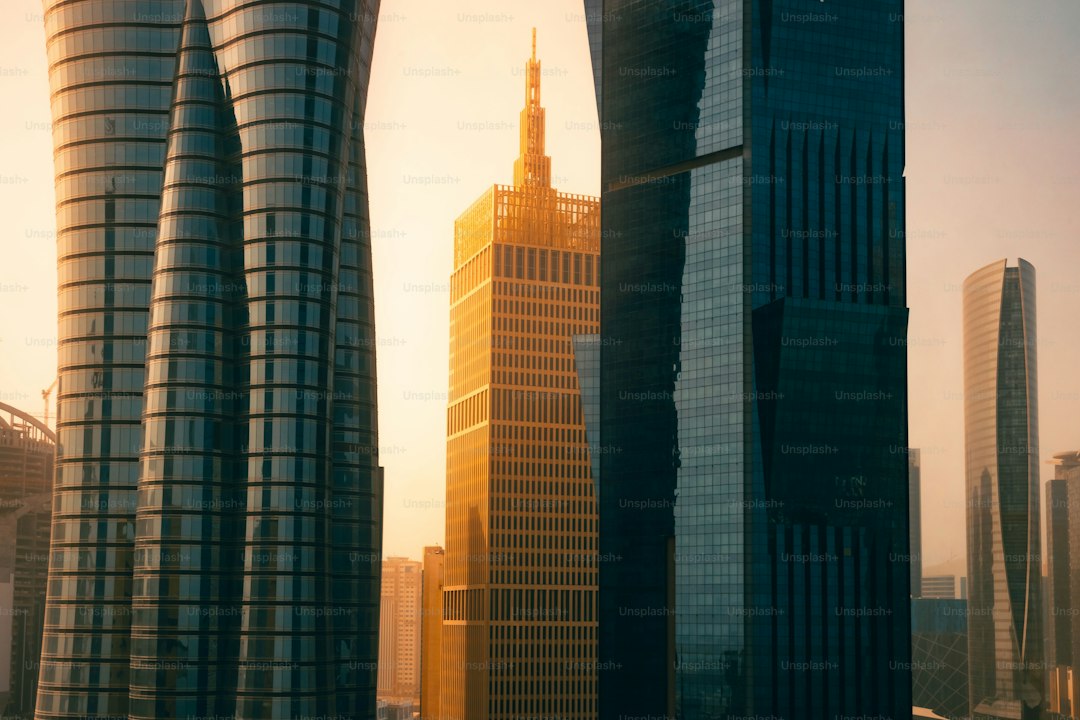
A Resilient Tourism Landscape: Qatar’s Commitment to World-Class Hospitality
If you've been watching the Middle East travel scene as closely as I have, you’ve likely noticed that Qatar isn't just riding the post-World Cup wave—they’re actually building a whole new foundation. It’s pretty fascinating to see how they’re pivoting from a single massive event to a long-term strategy that really prioritizes luxury and stability. Think about it: they’re moving beyond just being a transit hub to becoming a destination that can stand on its own, even when regional headlines get a bit noisy. I really believe this shift is about proving they’re a permanent fixture in the high-end travel market, rather than just a flash in the pan.
And honestly, the way they’re integrating infrastructure into this vision is what sets them apart from other regional players. They’ve recently launched the largest private solar project in the Gulf Cooperation Council, which might sound like a dry logistics update, but it’s actually a brilliant move to lower the carbon footprint of their entire supply chain. It’s exactly the kind of quiet, long-term investment that builds real resilience. By focusing on sustainability and innovation at events like the Qatar Travel Mart, they’re effectively insulating their tourism sector from the usual volatility we see in global markets. It’s a smarter, more calculated approach to growth than just throwing money at shiny new projects.
But the real game-changer here is their push for a Schengen-style visa framework across the Gulf region. If they pull this off, it’s going to make cross-border travel feel almost effortless, which is a massive win for anyone trying to hit multiple stops in one trip. When you weigh this against the geopolitical uncertainty we’re seeing globally, it’s clear Qatar is trying to create a secure, predictable environment for travelers. They’re basically betting that if you make the experience seamless and the destination world-class, people will keep coming back regardless of the regional climate. I’m curious to see how it plays out, but for now, it’s arguably the most stable path forward for a country aiming to redefine luxury hospitality on its own terms.
Architectural Marvels: The Intersection of Tradition and Modern Luxury
When you walk through Doha, you quickly realize that the architecture isn’t just about making a statement—it’s a masterclass in blending ancient wisdom with the kind of engineering that feels like science fiction. Think about the National Museum of Qatar, where Jean Nouvel utilized high-performance fiber-reinforced concrete to create those massive, interlocking discs inspired by the desert rose. It’s wild to see something that looks so organic and fragile actually supporting itself without needing those clunky, traditional structural beams we’re used to seeing. This approach essentially turns the building into a living, breathing artifact of the landscape. And honestly, it’s a refreshing change from the glass-and-steel boxes that seem to define every other major city these days.
Then you have the Museum of Islamic Art, which I think is the perfect example of how light can be a structural material in its own right. I.M. Pei didn’t just plop a building on a man-made island; he used limestone that shifts color as the sun moves, creating a totally different vibe from sunrise to sunset. It’s a direct nod to the Sabil fountain in Cairo, but it feels incredibly modern because of that clean, minimalist geometry. When you’re standing there, you aren’t just looking at a museum; you’re looking at a bridge between centuries. It’s that intersection of heritage and high-tech minimalism that makes these spaces feel so intentional.
But it’s not just about the visuals; the engineering underneath is where the real magic happens, especially when you look at how they handle the desert heat. Take the Al Janoub Stadium, where the late Zaha Hadid mimicked the curves of traditional dhow boat hulls to naturally pull air through the space using passive cooling. It’s a brilliant way to use history to solve a modern climate problem. They’ve even gone as far as using computational fluid dynamics to map out wind corridors across the city, ensuring that the natural breeze does the heavy lifting instead of just relying on brute-force air conditioning. It makes you realize that luxury here is defined by comfort that feels natural, not just artificial.
If you head over to Msheireb Downtown, you’ll see this philosophy taken to the extreme with the world’s first sustainable regeneration of a historic district. They’ve packed buildings together to shade each other and installed a cooling plant that’s 40 percent more efficient than your standard setup. Even the Qatar National Library plays with this by using special glass coatings to turn harsh, blinding sunlight into a soft, ambient glow that just makes you want to sit down and read. It’s this combination of hyper-modern tech and deep respect for the environment that truly sets Qatar apart. I’d argue it’s the most compelling reason to visit; you’re not just seeing buildings, you’re experiencing a future that actually remembers its past.
Unparalleled Culinary Experiences: From Souq Waqif to Michelin-Starred Dining
When you look at the food scene in Doha, you're not just looking at menus; you're witnessing a masterclass in supply chain innovation that honestly changes how you perceive luxury. The culinary landscape here is anchored by a massive shift toward hyper-local sourcing, with high-end kitchens now tapping into hydroponic farms right in the middle of the desert to get produce that’s arguably fresher than what you’d find in most European capitals. By leaning on vertical farming and LED spectra optimized for growth, these chefs are cutting carbon footprints by 90 percent while ensuring that delicate greens hit the plate within hours of harvest. It’s a complete departure from the old reliance on air-freighted imports, and frankly, the difference in texture and flavor is something you can taste immediately.
If you’re wandering through the historic streets of Souq Waqif, don’t just assume it’s all traditional atmosphere, because the kitchens there are actually using some seriously smart tech to keep things authentic. They’ve standardized charcoal-grilling techniques with advanced filtration that handles the smoke perfectly, keeping those deep, aromatic profiles intact while meeting modern safety standards. It’s a fascinating balance between preserving heritage and ensuring that your meal is prepared in an environment that meets the highest global benchmarks. I think that’s the real secret to Qatar’s dining scene: they aren’t just serving food; they’re using precision, like 0.1-degree thermal control for local seafood, to make sure every bite is as consistent as it is delicious.
Beyond the cooking itself, the way these restaurants handle resources is legitimately impressive, especially when you consider they’re operating in an arid environment. You’ll find top-tier venues using atmospheric water generators to harvest humidity from the desert air for their tasting menus, and even using ozone-based sanitation that keeps ingredients pristine without harsh chemicals. They’re also running in-house fermentation labs where chefs experiment with things like camel milk and local dates to create flavors you literally cannot find anywhere else on the planet. It’s this blend of high-tech sustainability and creative fearlessness that elevates the experience from a simple dinner to a study in modern gastronomy. Honestly, it’s worth planning your entire trip around these tables, because once you’ve experienced this level of culinary intention, it’s hard to settle for anything less.
Curated Relaxation: Accessing Qatar’s Exclusive Beachfront Resorts and Spas
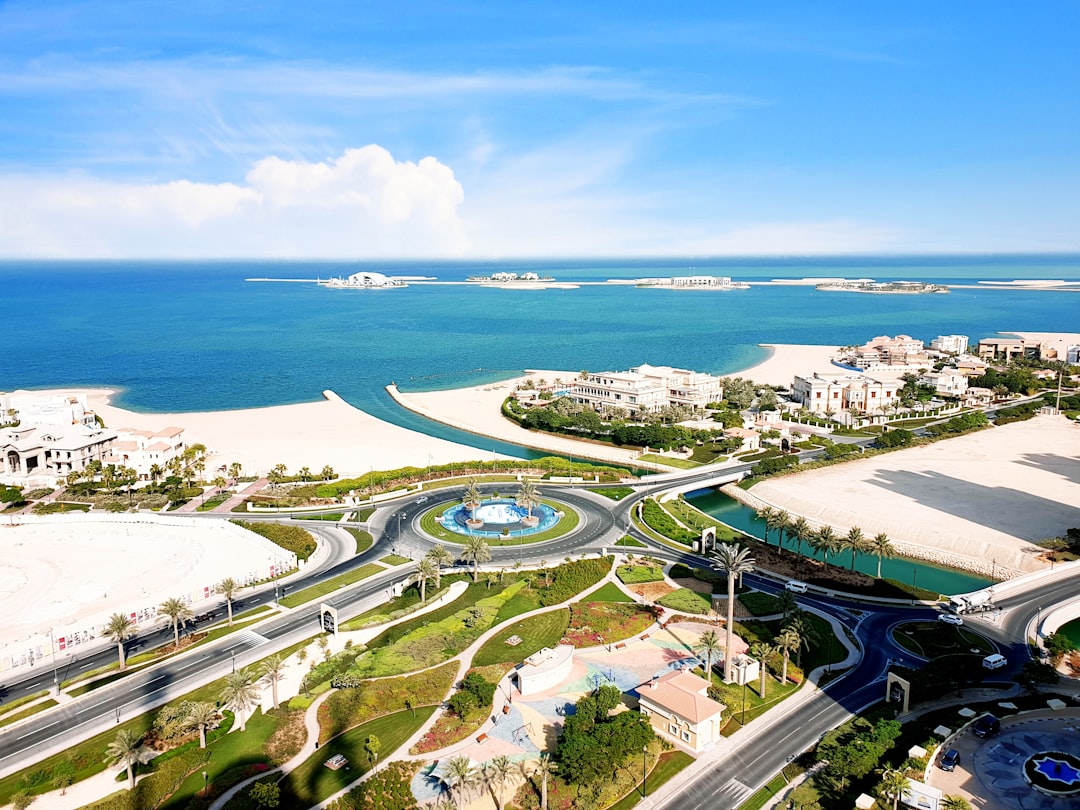
When you step onto the sand at a resort in Qatar, you’ll quickly notice that the relaxation isn't just a vibe—it’s actually a result of some pretty intense engineering. I’ve spent time looking at how these properties handle the desert climate, and it’s fascinating how they’re using tech to make the heat feel like a non-issue. For instance, many beachfront spas now run subterranean cooling networks that circulate chilled seawater through pipes, effectively dropping deck temperatures by 10 degrees Celsius without spiking the electricity bill. They’re also using marine-grade, solar-reflective glass on their cabanas, which keeps you cool while letting you keep that perfect view of the Gulf. It’s a total game-changer if you’re trying to actually enjoy the beach at midday without feeling like you’re melting.
But the real magic happens when you look at how these places manage to keep things lush while sitting in the middle of an arid environment. Most resorts have moved to automated, AI-driven irrigation sensors that track soil moisture at 30 centimeters deep, making sure every drop of water is used exactly where it’s needed. Even more impressive is the water recycling; some properties use advanced desalination tech that recovers up to 95 percent of the water from your spa treatment to keep their landscaping green. They’ve even started installing self-cleaning sand filtration systems along the shore that actually catch microplastics, which honestly makes the water feel much cleaner and more intentional. It’s the kind of quiet, background efficiency that lets you focus on your day rather than the environmental impact of your stay.
If you’re looking for a truly unique experience, you’ve got to check out the treatments using local Halite crystals harvested from deep-desert salt flats, which are processed to hold a specific ionic balance that’s incredibly soothing. I also love that these spas are getting creative with local resources, like using cold-pressed oils from Qatari-grown moringa trees that actually thrive in those salty coastal soils. And for those days when the shamal winds kick up, you’ll find that many high-end suites use micro-filtered air systems to scrub 99.9 percent of sand and allergens from the room, keeping your breathing environment completely pristine. It’s all part of this push toward high-tech wellness, like those beachfront pods that use acoustic therapy calibrated to the specific frequency of ocean waves. Whether they’re protecting turtle nesting zones with low-frequency lighting or using geothermal heat for thermal suites, it’s clear that luxury here is built on a foundation of genuine scientific care.
Cultural Immersion at the World’s Leading Museums and Art Galleries
When we talk about cultural immersion, we often default to the idea of just standing in front of a painting, but the reality at world-leading institutions—especially here in Qatar—is far more tactile and scientifically rigorous. You’re not just observing history; you’re entering an environment where the architecture and the climate control work in perfect tandem to preserve the past while letting you get closer to it than ever before. Think about it: the challenge of keeping delicate textiles or ancient manuscripts in a desert climate is massive, yet they’ve solved it with systems that move 100,000 cubic meters of air every hour to keep everything at a precise 50 percent humidity. It is the kind of quiet, background engineering that makes the experience feel effortless for you, even if the math behind it is incredibly complex.
The integration of technology here goes well beyond standard climate control. For instance, those galleries are using bio-responsive lighting arrays that actually shift color temperatures to match the specific sensitivity of the art you’re viewing, which makes the colors pop in a way you rarely see elsewhere. They’ve even moved toward non-contact haptic technology, allowing you to manipulate 3D models of rare artifacts without ever needing to touch the original, which bridges that gap between public access and historical preservation. It honestly changes your perspective on what a museum visit can be when you realize that every sensor and light panel is working to protect the integrity of the collection.
And it’s not just about what you see, but how the space itself is built to handle the world outside. Between using smart glass that blocks 99 percent of UV rays to the seismic isolation foundations that protect the exhibits from even the slightest vibrations, the level of care is essentially unparalleled. I find it fascinating that they use predictive analytics to map out how crowds move through the halls, allowing them to adjust ventilation in real time so the air quality remains perfect no matter how busy it gets. It is this blend of hyper-modern science and historical reverence that really sets the standard for what cultural travel looks like in 2026. If you’re looking for a destination where the art is treated with the same precision as a high-end lab, this is exactly why you’ll want to spend your time here.
Seamless Travel: Why Qatar’s Infrastructure Makes for a Stress-Free Luxury Getaway
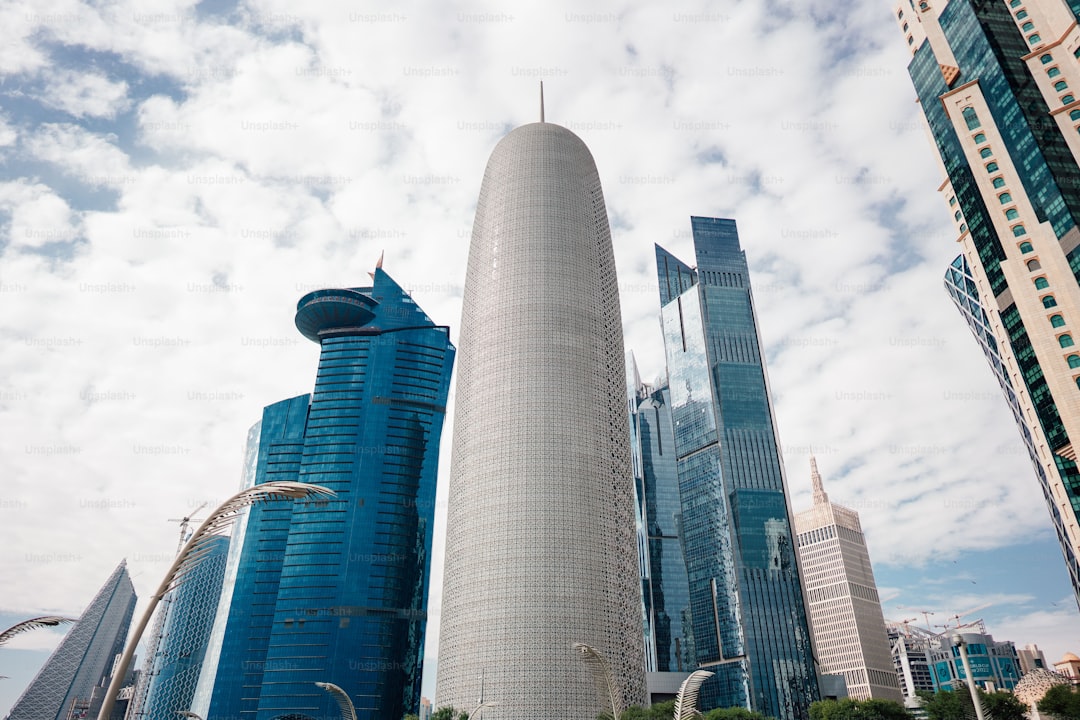
Let’s be honest, we’ve all dealt with the stress of navigating a new city, but Qatar has essentially engineered that frustration right out of the equation. When you land at Hamad International, you’re not just entering an airport; you’re entering a system that moves 12,000 bags an hour with precision tracking that hits your phone before you even reach customs. They’ve built an integrated digital platform that handles immigration and transit with biometric touchless entry, meaning you spend less time in lines and more time actually starting your vacation. Honestly, it’s refreshing to see a country treat logistics as a core part of the luxury experience rather than an afterthought.
If you’re planning to explore, the Doha Metro is a total game-changer, operating as a fully automated, driverless network that hits 99.9 percent punctuality. It’s built to work in tandem with the Lusail Tram and real-time AI traffic sensors that actively clear the roads by adjusting light cycles based on actual vehicle density. You don't have to worry about getting stuck in gridlock here, and the way they’ve tucked the infrastructure underground—even using pneumatic pipes to whisk away waste—keeps the streets feeling surprisingly pristine. It’s that invisible, high-tech layer beneath the surface that allows the luxury aesthetic of the city to really shine without feeling cluttered or chaotic.
The best part is how this efficiency actually translates to a more comfortable, sustainable stay. While you’re lounging at a resort, you might not notice the subterranean cooling networks circulating chilled seawater or the AI-driven sensors managing every drop of water used on the grounds, but you definitely feel the result. They’ve even used computational fluid dynamics to design breakwaters that keep the coastal waters calm for swimming year-round. It’s this blend of high-speed connectivity, from universal 5G to rapid transit, that makes the whole country feel like a seamless, stress-free ecosystem. Honestly, once you’re used to this level of frictionless travel, it’s hard to go back to the way things are done anywhere else.
Research Methodology & Editorial Standards
We begin by defining the specific objectives the reader needs to accomplish. Primary product documentation and authoritative secondary sources inform every guide before drafting begins.
Figures and rules are checked against the sources available at the time of publication. Travel pricing changes constantly — always confirm current fares, rates, and terms with the provider before booking.