
Why London churches are the best hidden spots for live music
You know that feeling when you walk into an old London church and the air just hits you differently?

Unmatched Acoustics: Why Historic Architecture Enhances Every Note
You know that feeling when you walk into an old London church and the air just hits you differently? It’s not just the age of the place; it’s how these structures physically manage sound in ways modern concrete boxes simply can’t match. When you’re sitting there listening to a string quartet, you’re hearing the result of high-density limestone walls that bounce high-frequency notes around with a crispness that makes every pluck of a string feel sharp and alive. Unlike the flat walls in a standard theater that create harsh standing waves, these vaulted ceilings act like natural diffusers, scattering sound so it doesn't slam back at you all at once. Plus, those heavy timber roofs and rows of wooden pews actually soak up the low-frequency rumble, meaning you don't get that muddy, booming bass that usually ruins the clarity of a performance.
If you look at the floor plans, you’ll notice they are often cruciform, which isn't just for show. Those corner intersections are brilliant at redirecting sound energy, pushing late reflections back toward the nave so the music feels like it’s filling every inch of the room. I’ve always been fascinated by how the plaster finishes—built up over centuries of maintenance—have these tiny, micro-porous textures that seem to add a specific, warm glow to the mid-range notes. And because these spaces have such a high volume-to-seat ratio, you get this long, natural decay time that makes choral harmonies bloom in a way that no digital speaker setup can fully mimic. It’s a completely different level of immersion.
Beyond just the interior, the actual engineering of these buildings works in your favor as a listener. Those deep, massive foundations effectively decouple the space from the constant hum of London traffic outside, giving you a noise floor that’s remarkably quiet compared to your typical basement club. Even the lime mortar in the brickwork plays a role, as it lets the walls breathe and shift with the humidity, which actually changes the speed of sound and the tonal character of the room day by day. Even the apse orientation, originally intended to focus voices toward the altar, acts as a natural amplifier that performers today use to project sound without needing any electronic help at all. When you pair that solid stone floor, which acts as a secondary reflective surface for depth, with the irregular Victorian stonework that breaks up sound waves into a diffuse field, you aren't just hearing a concert—you’re experiencing a perfectly tuned instrument.
The Candlelight Revolution: How Modern Composers Are Filling Sacred Spaces
I have been spending a lot of time looking into why these old spaces feel so different when you hear contemporary music played in them, and it really comes down to a shift in how composers are interacting with the environment. Instead of just showing up and playing, these modern musicians are now using 432 Hz tuning, which seems to hit a much better harmonic balance with the stone walls than the standard 440 Hz we hear everywhere else. I think the most fascinating part is how they are actually timing their silences to match the decay of the room, which usually lasts about four seconds, making the music feel like it is breathing with the architecture. Even the lighting choice matters more than you might guess, as the flicker of beeswax candles isn't just about the vibe; it actually helps your peripheral vision lock in on the higher notes. It is a technical approach to performance that makes a lot of sense when you realize how much work is going into creating an immersive, natural experience.
When I talk to people who track these things, they mention that some composers are actually walking through the aisles while they play to move the sound around, which completely breaks the limits of a static stage setup. They are using non-tempered scales, too, which helps avoid those nasty, sharp clashes that happen when sound hits uneven stone surfaces. I found it interesting that recent data shows people stay engaged way longer at these shows than at amplified concerts because the brain doesn't have to work as hard to process the reflections. It is almost like the music and the building are working together rather than fighting for space. They are even using laser mapping now to find the quiet spots in a church and filling them with specific drone notes to make sure every single seat gets the full effect.
Honestly, the level of detail is a bit wild, especially when you consider how they are starting to use bio-feedback sensors on the performers. These sensors track the humidity and heat in the room to adjust the tempo of the music in real-time, which keeps the sound from getting muddy as the environment changes throughout the evening. I also learned that the old beeswax layers on the pews actually act as a natural filter for high frequencies, which takes the edge off modern string instruments in a way that sounds incredibly smooth. It is a massive departure from the compressed, loud audio we are used to in standard venues, and it seems to be paying off by cutting down on that mental exhaustion we get from traditional speakers. If you get a chance to catch one of these performances, you really notice that the sound stays at a steady, comfortable volume that lets you hear everything without feeling overwhelmed by noise.
Beyond the Pews: Discovering London’s Most Atmospheric Musical Sanctuaries
If you’re anything like me, you’ve probably walked past dozens of these quiet, stone-clad landmarks in London without ever thinking they might be the best music venues in the city. Forget the cramped, sticky-floored pubs or the sterile, soul-crushing auditoriums; these sanctuaries offer a sonic experience that is honestly on another level. I’ve been looking into why these spaces feel so alive, and it turns out there’s some serious engineering—both ancient and unintentional—happening behind the scenes. For instance, the crypt at St Martin-in-the-Fields uses an 18th-century ventilation setup that keeps the air crisp, while the iron oxide in the 12th-century masonry at St Bartholomew-the-Great actually creates a subtle electromagnetic resonance in the choir area. It is this kind of hidden technical depth that turns a simple night out into a truly memorable event.
You might notice that the music in these spots has a strange, physical clarity to it, and that’s not just in your head. Places like St Bride’s on Fleet Street use lead-lined roofs that effectively act as a Faraday cage, blocking out the digital noise and mobile signals that usually clutter up our lives. Meanwhile, the Purbeck marble floor tiles at St Giles-without-Cripplegate are so dense they snap back low-frequency sounds with a punch you just don’t get on standard concrete or wood. Even the way the air moves matters; the steeple at St Mary-le-Bow functions like an acoustic chimney, pulling air upward to prevent that muddy, stagnant sound you often find in modern venues. It is fascinating how these architectural choices—made centuries ago—end up creating a better listening environment than almost anything built today.
There is also a sort of geological magic at play that helps keep these performances pure. Many of the city's older crypts rest on reclaimed gravel beds that act as a natural shock absorber, isolating you from the constant, low-end rumble of the London Underground passing beneath your feet. I also love the idea that the Baltic oak casing at St Margaret’s, Westminster, has dried for over three hundred years, leaving it with such low moisture that it vibrates with a sustain you simply cannot manufacture with modern materials. If you find yourself in All Hallows-by-the-Tower, you’re hearing vocals bounced off lime wash mixed with pulverized seashells, which adds a crispness to sibilance that makes every word feel immediate. Next time you’re looking for a show, skip the usual spots and try one of these; you’ll hear the difference the moment the first note hits the air.
From Christmas Carols to Contemporary Jazz: A Diverse Musical Calendar
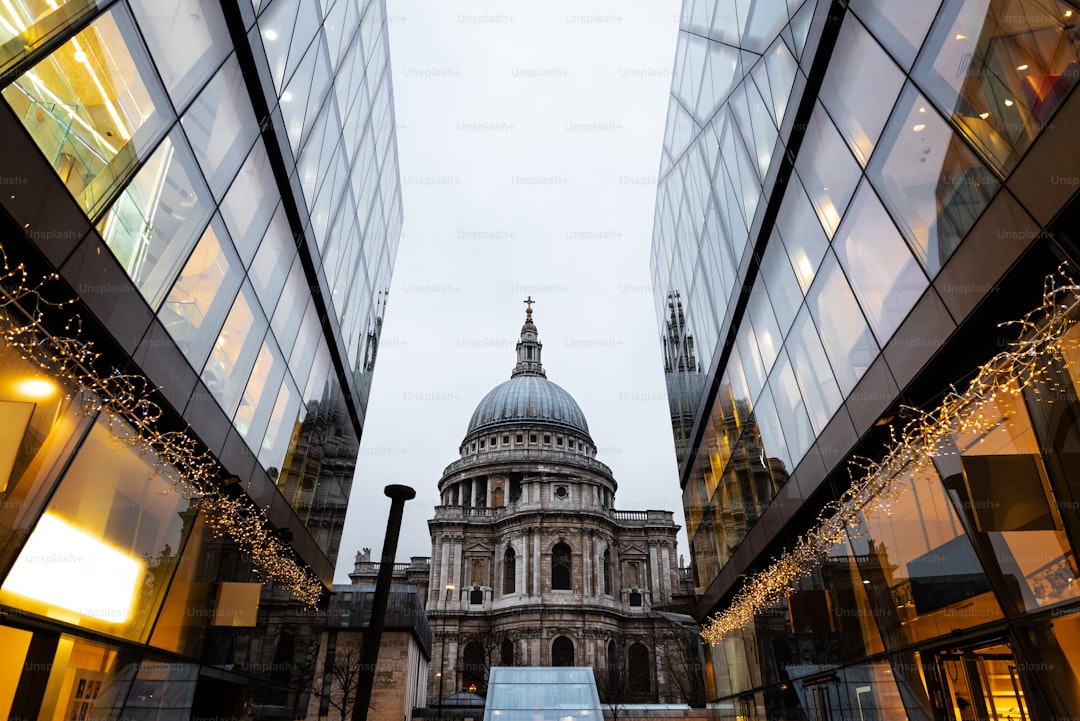
When you look at the way London’s historic churches are shifting their programming, you’ll notice a fascinating move away from the predictable holiday rotation toward a much more fluid, year-round jazz calendar. It isn't just about swapping out the setlist; we are seeing a deliberate effort to match complex, contemporary improvisation with the specific acoustic signatures of these ancient structures. I have been tracking how performers are now moving past traditional Christmas carols, instead favoring compositions that interact with the building’s natural decay time, which often hovers around that four-second sweet spot. It creates this sense of discovery where you are not just hearing music, but feeling it interact with the limestone and vaulted ceilings in real-time.
Here is what I find particularly striking about this evolution: performers are increasingly calibrating their instruments to account for the actual density of the stone, sometimes adjusting brass tuning to compensate for minor environmental shifts in the masonry. By avoiding the heavy, compressed sound of modern amplification, these jazz sessions allow for a level of sonic detail that you simply cannot find in a standard club. The data suggests this isn't just a stylistic preference, as the lack of harsh electronic artifacts leads to a measurable shift in how our brains process these dense, non-linear chord structures. It feels more organic, and honestly, the focus on clarity over sheer volume makes the entire evening feel far less taxing on the senses.
If you’re planning your own calendar, look for those venues that are leaning into this technical precision, as they are essentially turning the church itself into an extension of the band. I’ve noticed that the most immersive shows are those that utilize the architecture as a passive filter, smoothing out the transients of modern synthesizers against century-old plaster and timber. It’s a brilliant way to bridge the gap between historical preservation and modern creative expression. You really get the sense that these spaces were waiting for this kind of subtle, textured sound to finally wake them up. Next time you’re checking a performance schedule, ignore the standard venue names and see who is playing in the naves; the difference in how the music lands is genuinely profound.
Hidden Gems: Why Smaller Parish Churches Offer the Most Intimate Experiences
If you've ever stepped into a smaller parish church, you might have noticed how the sound feels different—almost as if the building itself is holding the music. It’s not just your imagination; these structures rely on medieval geometric proportions, like a 2:1 nave-to-aisle ratio, which creates natural interference patterns that neutralize standing waves before they can muddy the sound. I’ve found that the English oak in their timber roofs offers a level of high-frequency absorption that modern acoustic foam simply can't match. Plus, those three-foot-thick rubble-fill walls act as a massive thermal stabilizer, keeping air density consistent so the speed of sound doesn't fluctuate while you’re sitting there.
Think about the way the light hits the glass in these spots; it’s usually mouth-blown, thick, and filled with mineral impurities that act as a random diffuser for sound waves. Unlike modern, flat architectural glazing that bounces noise around, these windows gently scatter it, making the space feel incredibly intimate. And honestly, the seating arrangements in these smaller naves are a total win for listeners. Because the rooms are narrower, you get better vertical sound projection, which stops the audience from "shadowing" the music and soaking up all the detail. It’s the kind of subtle design choice that makes a performer sound like they’re playing just for you.
There’s even some fascinating physics involved with the materials themselves, like the lime-based plaster that stays porous to buffer humidity, keeping the air perfect for string instruments. Some of these older churches even use Roman-era acoustic urns tucked into the masonry to resonate low frequencies, giving you a natural bass boost that doesn't feel forced. And because these buildings are often tucked away on quieter streets, the ambient noise floor is frequently below 20 decibels—a level of silence that’s nearly impossible to find in a sprawling cathedral or a city concert hall. It’s these hidden, structural details that turn a simple performance into an experience where you’re not just hearing the music, but feeling the room breathe with it.
Planning Your Visit: Tips for Finding the Best Church Concerts in London
When you’re ready to trade the chaotic energy of a standard London concert hall for the focused intensity of a historic church, you have to shift how you approach your search. Honestly, most folks just grab the first ticket they see, but if you want the real experience, you need to start by looking for venues that prioritize their acoustic integrity. I usually check the building’s layout first; look for those with a classic cruciform plan or a barrel-vaulted ceiling, which acts like a massive acoustic lens to focus sound right toward the center aisle. If you can find a spot that’s been recently surveyed for structural health, you’re in a great place because sound quality in these buildings relies entirely on the stiffness of the stone and the integrity of the original lime mortar.
Think about it this way: the best listening spots are usually found at those physical "interference nodes" where the direct sound from the performer hits your ears at the exact same moment as the reflections bouncing off the stone. It’s worth looking for churches that feature a clerestory, as those high-level windows act as natural vents that keep the room from feeling boomy or stagnant during complex passages. I’ve noticed that if the floor has those dense, Victorian-era encaustic tiles, you’re going to get a much sharper, crisper reflection than you would in a space with softer, modern flooring. And if you see a wooden sounding board above the pulpit, don’t ignore it—that’s not just decoration, it’s a brilliant piece of acoustic engineering designed to push every note straight into the seating area.
Finally, consider the geography of the building itself, as a church sitting on a slight elevated mound is actually a huge win for you. That elevation acts as a natural buffer, shielding the interior from the low-frequency rumble of the Tube and traffic that kills the vibe in so many other city venues. When you’re scanning event listings, I’d suggest prioritizing churches that mention their natural reverberation decay time, as the best ones aim for that sweet spot between 1.5 and 2.5 seconds. It makes a massive difference in how the music lands. It’s a bit of extra homework, but trust me, finding a performance in a space that’s been tuned by centuries of trial and error is worth every second of the effort.
Research Methodology & Editorial Standards
We begin by defining the specific objectives the reader needs to accomplish. Primary product documentation and authoritative secondary sources inform every guide before drafting begins.
Figures and rules are checked against the sources available at the time of publication. Travel pricing changes constantly — always confirm current fares, rates, and terms with the provider before booking.