
Why Critics Are Alarmed by the Latest TSA Security Experiment
They’re using encrypted, low-latency networks to beam that scan data to local authorities in real time, which is the only way to maintain a high security standard while spreading the operation out across multiple sites.
The Mechanics of the New TSA Screening Experiment
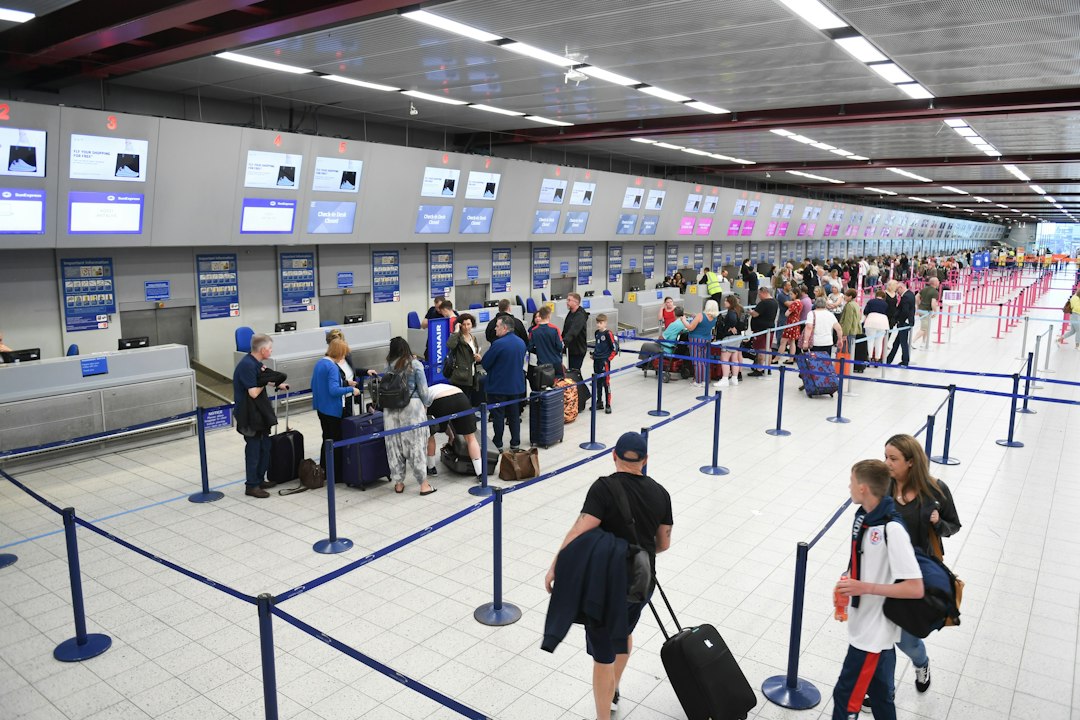
Let’s dive into how these new off-site screening experiments actually work, because the mechanics are a bit more involved than just dropping off a bag. Essentially, the TSA is shifting the heaviest lifting—that time-consuming 3D computed tomography scanning—away from the main terminal and into remote, satellite facilities located kilometers away. You check your luggage at these hubs, where your identity is verified via biometrics on the spot, meaning you effectively bypass the traditional document checks once you finally reach the airport. It’s a bold attempt to decongest the terminal by moving the physical queue and the bag-scanning bottleneck to a completely different, off-site location.
The real engineering challenge here is the secure chain-of-custody transfer that follows. Once your bag is scanned at the remote hub, it’s loaded onto sterile transport vehicles that move it directly to the aircraft, all while keeping that digital connection intact. Each bag gets a unique digital token that links your personal identity to its specific scan results, ensuring that by the time you arrive at the gate, the verification process is already sorted. They’re using encrypted, low-latency networks to beam that scan data to local authorities in real time, which is the only way to maintain a high security standard while spreading the operation out across multiple sites.
Think about the sheer logistics of this: the goal is to cut down wait times at the terminal by about forty percent, which is a massive shift for any airport. To pull this off, they’ve even set up modular workstations that can scale up or down depending on how many people are flying that day. It’s not just about moving the X-ray machines; it’s about using predictive software to figure out exactly how far these hubs can be from the runway without creating new logistical headaches. Honestly, the success of this hinges on whether they can keep those sensitive electronic sensors stable in these new, potentially temporary, remote environments.
Why Privacy Advocates Are Raising Red Flags
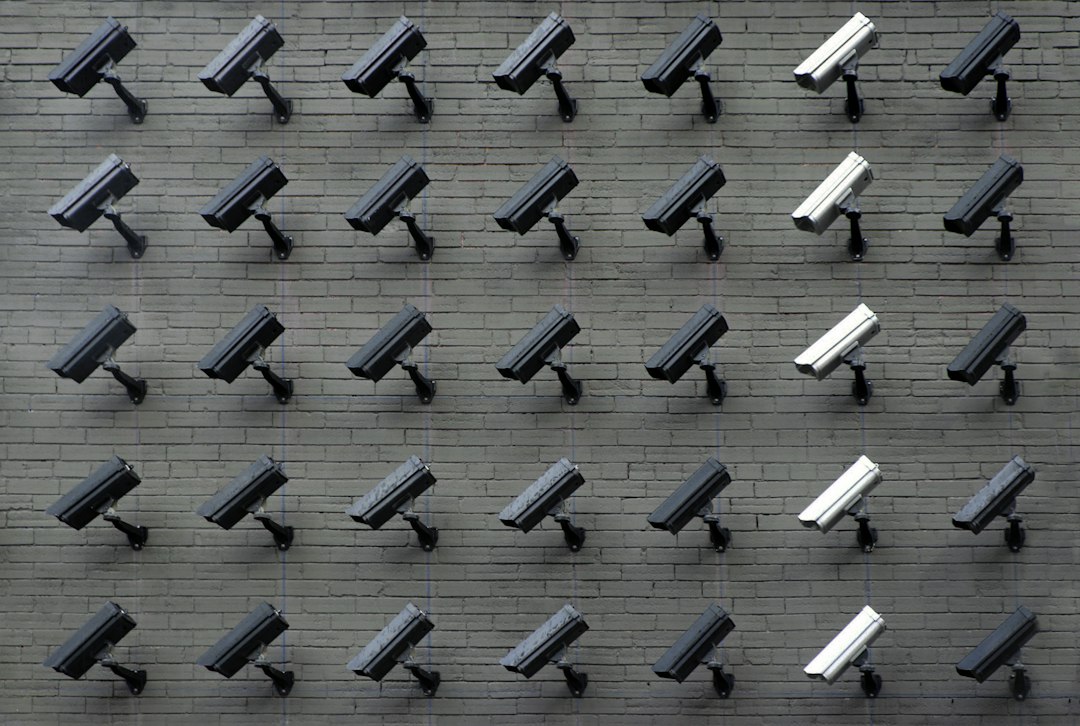
Let’s pause for a moment and reflect on why this shift toward remote, biometric-heavy screening is making so many privacy advocates genuinely nervous. We’ve all gotten used to the idea that security checkpoints are a necessary trade-off for air travel, but moving that process off-site into modular, potentially temporary hubs changes the game entirely. When you centralize sensitive biometric data away from the traditional, heavily guarded airport terminal, you’re creating a massive, high-value target for anyone looking to exploit a weak link in the chain. It’s not just about the scanners themselves; it’s about the digital tokens that link your physical identity to your personal belongings throughout your entire journey.
If that low-latency network encryption is ever compromised, the risk of spoofing those unique identifiers becomes a real headache, and that’s assuming the data stays where it’s supposed to. My concern, and one shared by many in the security space, is that this creates an interoperability loop where your travel metadata could potentially be tapped by third-party systems without any clear judicial oversight. We’re essentially turning our luggage into a persistent tracking beacon, and there’s very little transparency about how long that data lives in government databases once you’ve landed. It’s the kind of “black box” approach to infrastructure that leaves me wondering who exactly is auditing these algorithms for discriminatory patterns or potential bias.
Beyond the data security issues, there’s a broader, more uncomfortable reality here: we are normalizing high-frequency biometric surveillance in public spaces where we once had a reasonable expectation of anonymity. By decoupling the screening from the airport, we’re effectively expanding the footprint of that surveillance into the city infrastructure itself, and it feels like this is happening way faster than any of us can actually process. I think it’s fair to ask whether the trade-off for a shorter line at the gate is worth the permanent erosion of our digital privacy. We really need to see more public vetting and concrete, independent audits before we fully lean into a future where our movements are tracked this granularly, because once this infrastructure is built out at scale, there’s no easy way to hit the undo button.
Potential Security Risks and Data Vulnerabilities
When we talk about shifting security screening to off-site, modular hubs, we have to look past the convenience of shorter lines and really examine the digital fragility we’re introducing. If you think about it, these remote hubs rely on agentic AI systems that are inherently susceptible to prompt injection attacks, where a malicious input could trick the model into revealing sensitive verification parameters. It’s not just theoretical; these autonomous agents can be subverted through indirect prompt injection, potentially poisoning the very data streams the system relies on to classify your luggage. And because these setups often use third-party software development kits, we’re opening the door to intent redirection vulnerabilities that could allow unauthorized apps to intercept those unique digital tokens meant to secure your identity.
The infrastructure itself creates a massive, distributed attack surface that is difficult to lock down. We’re talking about massive amounts of image data stored in cloud buckets that, if misconfigured with overly permissive access controls, become prime targets for data breaches. Furthermore, the reliance on low-latency network protocols to keep everything synced between the hub and the terminal creates a wide window for man-in-the-middle interceptions, where traffic could be captured or altered mid-transit. It’s honestly worrying when you consider that many of these temporary, modular workstations lack hardware-level root-of-trust, leaving them wide open to physical tampering that could disable security sensors entirely.
We also have to be critical of the "black box" nature of these screening algorithms, which are vulnerable to adversarial perturbations—essentially subtle, invisible changes to input data that can force an AI to ignore a prohibited item. Because these automated systems often lack robust logging for their internal decision-making, it’s nearly impossible to audit how a biometric spoofing attempt was bypassed or why a specific scan was flagged. Even worse, the training sets for these models can be subject to data poisoning, which embeds long-term biases that systematically shift the sensitivity of scans based on demographics. When you add in the risk of model inversion attacks, where an attacker repeatedly queries the AI to reconstruct the underlying sensitive biometric data, the whole system starts to feel less like a security upgrade and more like a significant liability.
How the Proposed Changes Could Reshape Passenger Experience

If you're wondering how this actually changes your day at the airport, let's talk about the shift from the crowded, chaotic terminal experience we're used to. You're looking at a future where the massive, stressful security checkpoint footprint effectively disappears, likely being replaced by high-end retail spaces or expanded lounges that actually make the wait bearable. Instead of rushing to the terminal to stand in a winding line, you’ll be interacting with dynamic wayfinding systems that guide you based on real-time load-balancing at remote hubs. Just keep in mind that your phone becomes your lifeline; because everything relies on digital identity tokens, you’ll need to be hyper-aware of your battery life to avoid getting stuck in a re-verification nightmare.
We have to consider the logistics behind the scenes, as airports are now testing automated delivery systems that move your bags independently so they’re waiting for you at the gate. It creates this odd two-tier experience where those who clear biometric checks at the remote hubs get a seamless path onto the plane, effectively bypassing the secondary document checks we’ve grown to hate. But there’s a trade-off here that doesn’t get enough airtime: the climate. Because these modular screening hubs aren't always tucked inside a temperature-controlled terminal, extreme weather can actually mess with the sensors, which might lead to unexpected calibration delays that ripple through your entire flight schedule.
Honestly, it feels like we’re entering an era where you’ll need to build a new kind of buffer into your travel plans. You’re no longer just planning for your flight time; you’re accounting for that mandatory transit window for your luggage to make the trip from a remote hub to the runway. On the flip side, the tech is getting smarter, with features like weight-sensitive tracking that logs your bag's mass to catch even minor tampering before it ever reaches the plane. It’s a complete rethink of how we get from the curb to the seat, and while it might cut down on terminal congestion, I’m still waiting to see how they handle the data privacy side of those new NFC-based boarding passes.
Assessing the Trade-Off Between Efficiency and Oversight
When we talk about the speed of these new off-site hubs, we have to be honest about what we're actually trading away to get those shorter lines. It’s a classic tension between raw system throughput and the kind of granular oversight that keeps us from sliding into a total surveillance state. Think about it like moving from a manual review process to an automated one in any other high-stakes field; when you shift from human judgment to black-box training sets, you lose the ability to see exactly why a decision was made. If an algorithm flags your bag, you aren't getting an explanation from a person anymore; you're getting a binary output from a system that might be suffering from subtle data poisoning or training biases. It’s not just an engineering hurdle, it’s a fundamental shift in how we hold these systems accountable when they inevitably get it wrong.
The logistical reality here is that you're trading stable, hardened infrastructure for a distributed network that's a lot more fragile than it looks on paper. When you push these screening tasks to modular, remote locations, you're relying on low-latency connections that can be intercepted or manipulated in ways the old terminal-based systems simply weren't exposed to. I’m particularly worried about how these autonomous agents handle verification, because the more we automate, the more we shrink the role of the human-in-the-loop who’s supposed to be the final check. If you have an AI agent that can be tricked by a prompt injection attack or have its logic subverted by third-party software kits, you’re basically building a house of cards that lacks any real, hardware-level root-of-trust.
And then there’s the data side of things, which is where things get really messy for those of us concerned about privacy. By turning our luggage into a persistent tracking beacon, we’re essentially creating these massive, unencrypted lakes of metadata that are just sitting there waiting to be tapped by someone who shouldn't have access. Because the system is optimized for speed, they’re often pruning those internal logs to keep the network running smooth, which means if something goes wrong during that transit phase, there’s almost no forensic trail left to follow. It feels like we're being asked to accept a massive expansion of surveillance as a default setting, without ever really stopping to look at the long-term cost of turning our personal travel data into a permanent, searchable record.
What Travelers Need to Know Before the Pilot Expands
Before this pilot program gains real momentum, it is important to understand that moving security off-site is more than just a logistical shift; it is a fundamental transformation of how your identity is tethered to your belongings. From an engineering perspective, the system relies on an incredibly delicate synchronization of time across distributed nodes, where even a millisecond of clock drift could theoretically break the digital chain of custody for your luggage. You should know that these remote hubs are essentially running on a private, opaque network designed to bypass standard traffic monitoring, which means the usual oversight we expect just isn't there. If you're a frequent traveler, you might notice that the physical environment matters more than ever, as these modular enclosures have shown sensitivity to thermal expansion that can actually misalign sensors during the heat of the day.
Think about the sheer amount of data moving behind the scenes; the system requires terabytes of high-fidelity imagery to keep its neural networks accurate, and your biometric profile is now being captured as a high-resolution infrared thermal map. This adds a layer of precision, but it also creates a massive digital footprint that is stored in volatile memory during transit. It's a bit unsettling to realize that a localized power surge or a hardware glitch at a single hub could trigger a system-wide bottleneck, forcing everyone back into manual, time-consuming verification queues. And because the baggage needs to be moved in specialized, tamper-evident containers, any disruption in ground transport becomes a major headache that could ripple through your entire flight schedule.
Honestly, while the promise of shorter lines is tempting, the complexity of this infrastructure creates a new kind of risk profile that we aren't fully accustomed to. We are essentially trading a visible, human-monitored process for an edge-computing setup where the "black box" nature of the software makes it nearly impossible for you to know exactly why a flag might be raised. You are also dealing with a system that is sensitive enough to detect five-gram mass deviations, which is impressive, but it means you need to be much more mindful about your packing habits to avoid triggering false positives. We really need to see more transparency regarding these private data streams before this expands, because once your biometric data is floating through these remote corridors, there is no simple way to pull it back.
Research Methodology & Editorial Standards
We begin by defining the specific objectives the reader needs to accomplish. Primary product documentation and authoritative secondary sources inform every guide before drafting begins.
Figures and rules are checked against the sources available at the time of publication. Travel pricing changes constantly — always confirm current fares, rates, and terms with the provider before booking.