
Where to Stay in Kyoto for an Unforgettable Japanese Escape
When you’re looking to truly disappear for a few days, Aman Kyoto hits differently than the standard luxury hotel.
Immerse Yourself in Tradition: The Best Authentic Ryokan Experiences
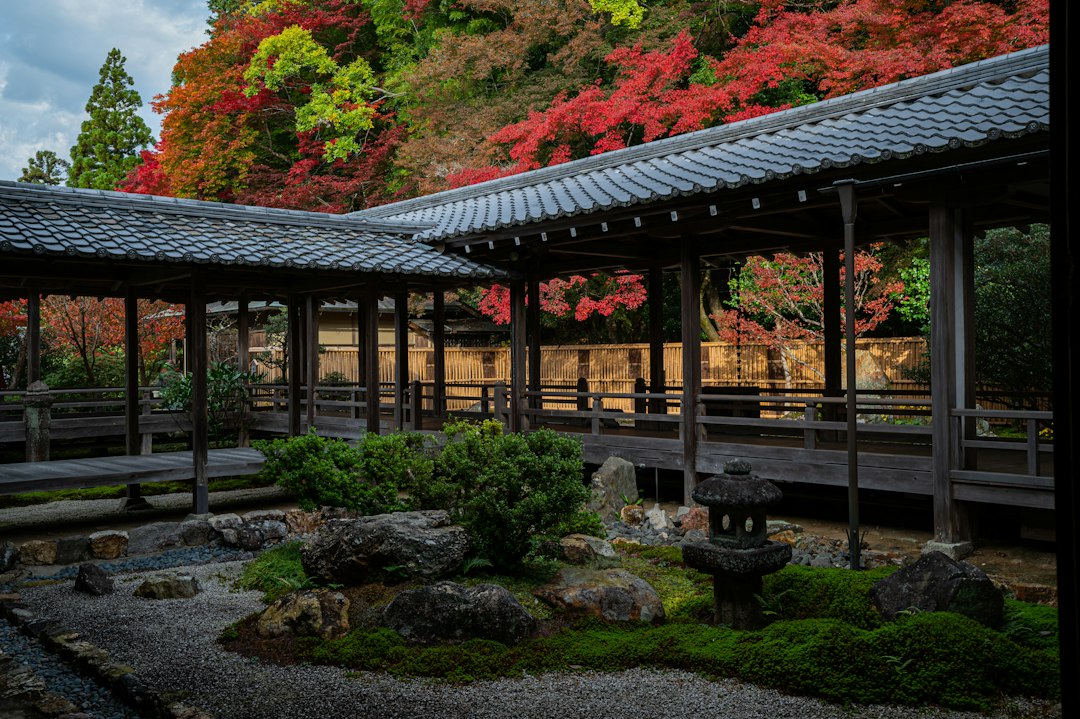
When you first step into a traditional ryokan, you might notice that the air just feels different—that's not just the scent of hinoki cypress wood, but the intentionality of an space designed to lower your heart rate the moment you cross the genkan. I’ve found that the real magic isn’t just in the luxury, but in the rigid, almost mathematical precision that governs every detail, from the rule of five in your kaiseki dinner to the specific, silent way your nakai-san enters the room. You’re essentially stepping into a living, breathing machine of hospitality where the architecture itself, built on the post-and-lintel system, is designed to be as flexible as your own need to disconnect. It’s remarkably grounding to realize that the tatami mats beneath you aren't just for show; they’re effectively acting as natural air purifiers, scrubbing the room while you sleep on a futon specifically engineered to ease pressure points.
Think about the concept of shakkei, or borrowed scenery, which is a masterclass in design; these inns don't just give you a view, they frame the landscape so that the boundary between your room and the garden outside effectively disappears. It's a level of aesthetic balance you rarely find in modern hotels, where the focus is usually on maximalist convenience rather than this kind of thoughtful, integrated calm. And honestly, it’s worth noting that the water in those private onsens isn't just hot water—it’s legally regulated to meet specific mineral density requirements, meaning you’re getting a genuine therapeutic experience rather than just a glorified bathtub. If you’re used to the cookie-cutter comfort of a chain hotel, this might feel a bit demanding at first, but that’s exactly the point.
The trade-off for this authenticity is a lack of modern, non-load-bearing modifications, which keeps these places feeling like time capsules rather than sterile resorts. You might find the lack of a soft mattress or the requirement to leave your shoes at the door a bit unusual, but once you lean into the rhythm of the yukata robes and the quiet of the halls, you’ll see why people keep coming back. It’s an exercise in slowing down that forces you to engage with the space instead of just consuming it. I’d suggest picking a spot that still leans heavily into those ancient protocols—the ones where the staff still practices those specific, symmetric folding techniques for your robes—because that’s where you truly feel the difference between a place to sleep and a place to actually experience a culture.
Zen Sanctuaries: Finding Seclusion at Aman Kyoto
When you’re looking to truly disappear for a few days, Aman Kyoto hits differently than the standard luxury hotel. Most high-end spots focus on cramming as many amenities as possible into your room, but here, the entire 32-hectare property acts as a massive, intentional filter for the outside world. It was originally slated to house an extensive textile collection, and you can feel that curation in the way the minimalist post-and-beam architecture mirrors the proportions of a traditional ryokan while flooding the interior with natural light. The way they handle space is honestly refreshing; every room features a tokonoma alcove left intentionally empty to honor the Zen principle of ma, forcing your eyes to rest on the forest instead of a television screen or clutter.
If you’re someone who geeks out over the mechanics of how a building functions, you’ll appreciate the hidden engineering keeping this place running. They’ve integrated a geothermal heat exchange system that keeps your room comfortable without the heavy carbon footprint you’d see at a typical resort, and the cedar used throughout—cryptomeria japonica—is naturally rot-resistant, so they don’t have to rely on synthetic chemical treatments to keep the place pristine. Even the paths you walk on are a masterclass in ancient utility, using locally sourced granite laid in a gravity-fed drainage system that’s been doing its job for centuries. The micro-management of the environment even extends to the landscaping, where hundreds of maple trees are placed to drop the valley temperature during those sticky Kyoto summers, creating a naturally cool sanctuary you can actually feel the moment you step off the path.
The sensory experience here is equally calculated, from the ionized, mineral-rich spring water in the onsen to the soundscape that’s been tuned to help your brain hit that alpha-wave state. They’ve placed stone basins and bamboo features with such precision that they actively mask urban noise, leaving you with nothing but the sound of water and wind. Even the food and textiles are dialed into the local rhythm, with meals sourced from within 30 kilometers to keep nutrient density high and indigo-dyed fabrics that require a perfectly balanced environment just to exist. When you’re sitting in the meditation pavilion, aligned perfectly on an east-west axis to catch the morning sun for your circadian rhythm, you realize this isn't just a place to stay. It’s a highly tuned machine for slowing down, and once you spend a night here, the typical hotel experience starts to feel a bit noisy by comparison.
Modern Elegance Meets Heritage: Checking into Park Hyatt Kyoto
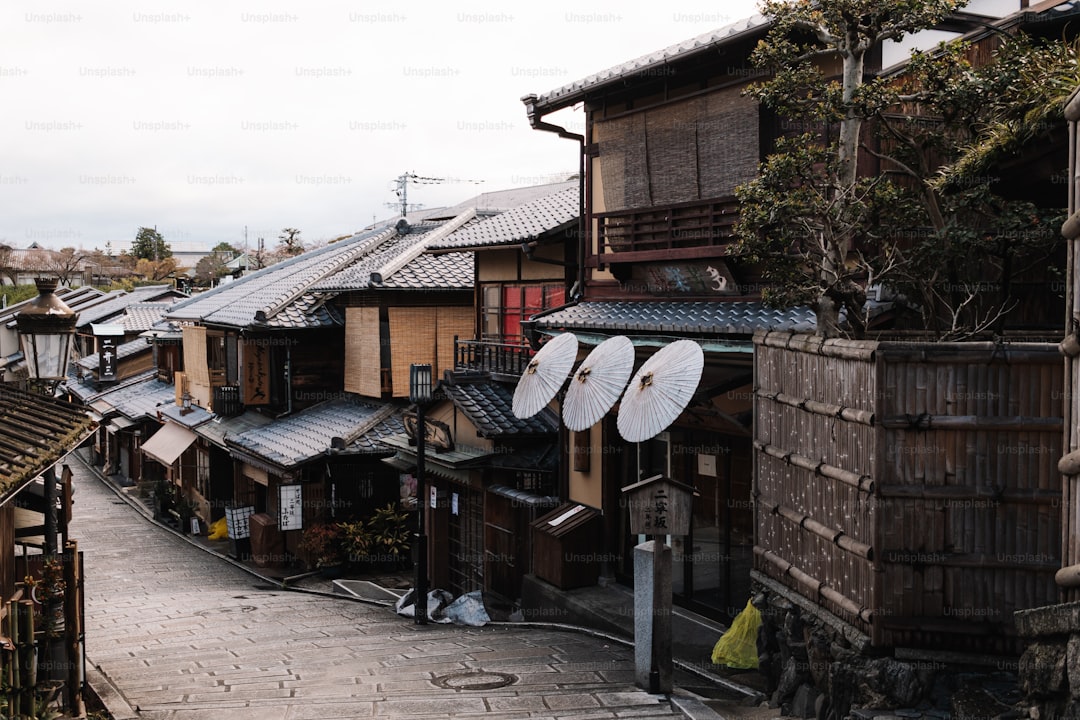
If you’re wondering how a modern luxury hotel manages to sit right on the historic Sannenzaka slope without feeling like an intruder, you aren’t alone. The Park Hyatt Kyoto is a masterclass in compromise, largely because it had to be; the local government enforces strict height restrictions here to keep the Higashiyama District’s skyline from shifting. Instead of fighting that, the design team leaned into it, embedding the property directly onto the grounds of the 140-year-old Kyoyamato restaurant. It’s a physical marriage of old and new that feels surprisingly seamless, mostly because they used traditional kawara clay roof tiles that are kiln-fired to handle the specific humidity of the Kyoto basin.
When you walk through the lobby, pay attention to the way your eyes are drawn toward the Yasaka Pagoda; the architects didn't just give you a window, they engineered specific glass apertures to perfectly align with sightlines established during the Edo period. It’s a level of intentionality that feels almost academic, especially when you consider the structural engineering required to make it happen. They had to weave modern seismic isolation systems into traditional carpentry, all while using deep-pile foundation technology to ensure they didn’t wreck the archaeological layers buried in the hillside. It’s a rare instance where modern safety standards actually force a building to respect its environment rather than dominate it.
The sensory details inside are just as deliberate, and honestly, they change the way you relax. The lighting isn't just dim; it’s calibrated to the exact kelvin temperature of traditional andon lanterns to keep your melatonin production on track, which is a massive upgrade from the harsh overheads you usually find in five-star chains. Even the cedar wood used throughout the interior was chosen for its low thermal conductivity, meaning the surfaces stay temperate regardless of the season. They’ve even gone as far as re-mineralizing the city water to mimic the historic springs that once bubbled up on this exact site. It’s a closed-loop system, right down to the compost from their kitchen going back into the temple gardens, making the whole operation feel less like a hotel and more like a permanent, functioning part of the neighborhood.
Holistic Luxury: Wellness-Focused Stays at Six Senses Kyoto
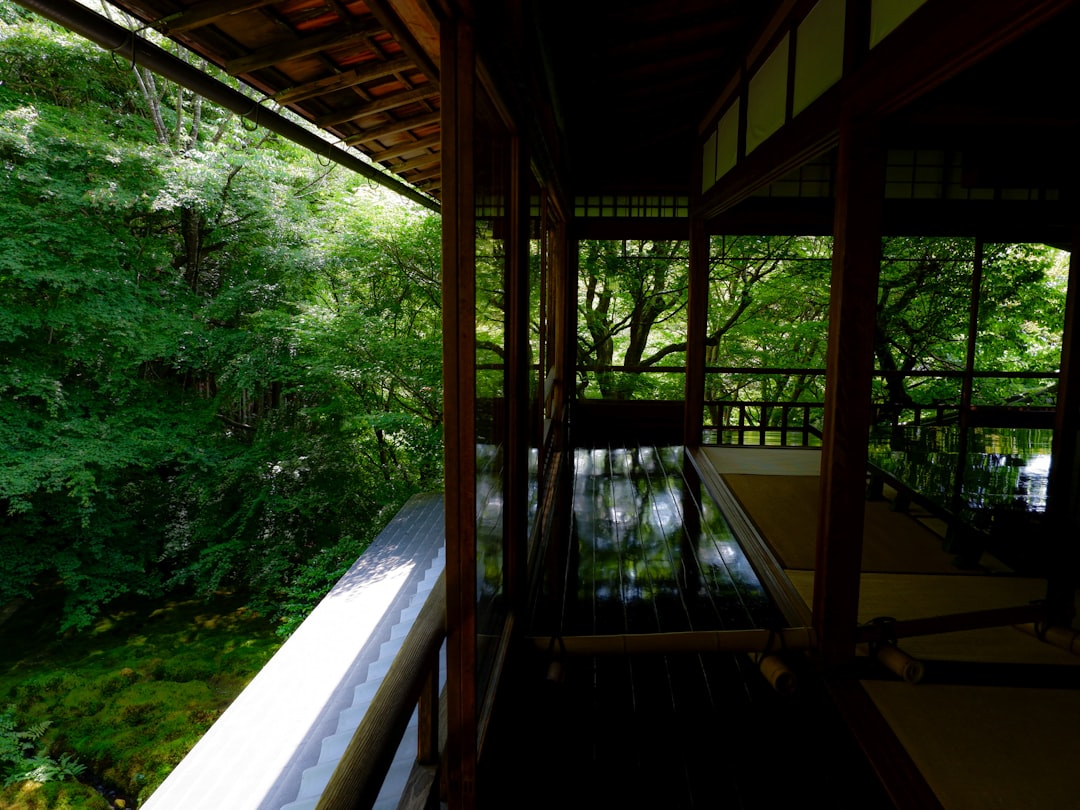
If you’re looking for a place that treats your recovery with the same rigor you’d apply to a high-stakes project, Six Senses Kyoto is essentially the gold standard for what I’d call functional hospitality. The architecture alone is a masterclass in biophilic engineering, utilizing internal courtyards to drive natural cross-ventilation, which honestly does a better job of regulating the indoor climate than any mechanical HVAC system I’ve encountered. You’ll notice the air quality feels different here, and that’s not just in your head; they’ve installed photocatalytic oxidation systems that neutralize pathogens at a molecular level, while keeping VOC levels near zero by using natural oils on reclaimed wood instead of synthetic lacquers. It’s the kind of invisible, high-level attention to detail that makes a noticeable impact on how you actually feel after a long flight.
But where this place really leans into the science of rest is their Sleep With Six Senses program, which isn't just about high-thread-count sheets. They’ve swapped out standard mattress materials for organic, non-toxic alternatives that actually manage your body’s heat dissipation throughout the night, which is a massive upgrade if you're like me and struggle with temperature regulation in hotels. They’re even running personalized biometric screenings to build a recovery roadmap for you, moving way past generic spa menus into data-driven nutrition and muscle recovery. Plus, the sound-frequency therapy sessions they offer are designed to force your nervous system out of that high-alert sympathetic state, which is exactly the kind of recalibration you need when you’ve been living out of a suitcase for a week.
And let’s talk about the food, because it’s not just local for the sake of a trend; the menus are mapped to the Japanese micro-seasons to ensure you’re getting the highest possible phytonutrient density in every meal. It feels like a closed-loop ecosystem, especially when you see the gray-water recycling systems feeding those lush, endemic gardens outside your window. Even the meditation pavilion is positioned to use the natural acoustics of the Higashiyama mountains to dampen city noise, creating a quiet space that feels genuinely isolated from the chaos. If you’re willing to trade the standard resort fluff for a stay that’s essentially a high-performance recovery lab, you’ll find that this approach to wellness is a much more effective way to actually return home feeling recharged.
Urban Chic and Creative Energy: A Review of Ace Hotel Kyoto
If you’re the type who finds the standard five-star hotel experience a bit too sterile or detached from the actual heartbeat of a city, the Ace Hotel Kyoto is going to feel like a massive breath of fresh air. It’s housed in the old Shin-Puh-Kan telephone exchange, a 1926 Taisho-era building that represents a serious milestone in local engineering as one of the city's first reinforced concrete structures. Architect Kengo Kuma managed a brilliant trick here, stitching that historic brickwork into a new wing so seamlessly that the transition between the 1920s and today feels completely natural. It’s not just a place to sleep; it’s a living bridge between the city’s deep historical roots and the modern, street-level culture that’s currently driving Kyoto’s creative scene.
You’ll notice the shift the second you walk into the lobby, which isn’t designed for quiet, formal check-ins but functions more like an open-plan social hub for local artists and travelers alike. It’s honestly refreshing to be in a space that feels this alive, especially when you consider that the property features custom art from over 50 local Kyoto creators scattered throughout the building. They’ve even got a specialized concierge team that ignores the typical tourist traps, choosing instead to drop you straight into the city’s underground art and craft circles. You can tell they’ve put real thought into the sensory details too, like the custom turntables in every room that let you lean into an analog rhythm after a long day of walking.
If you’re geeking out on how the building actually functions, the material choices are pretty fascinating because they’re designed to evolve. The cedar, bamboo, and stone surfaces are meant to age and develop a patina, which is a welcome change from materials that just look worn out after a year of heavy traffic. They’ve also managed to address the city’s heat island effect with vertical gardens and green rooftops, while the acoustic dampening panels hidden in the wooden wall fixtures do a surprisingly good job of killing the urban noise outside. Bringing in Marc Vetri for his first Japanese kitchen venture adds a unique layer of culinary prestige that fits the hotel’s "creative energy" mandate without feeling forced. It’s a bold departure from the quiet, hushed tones of a traditional ryokan, but if you’re looking for a spot that feels like the center of something new, this is exactly where you want to be.
Choosing Your Neighborhood: Where to Base Yourself for the Best Kyoto Access
When you’re planning your time in Kyoto, the sheer volume of temples and districts can feel overwhelming, but I’ve found that where you plant your flag really dictates your daily rhythm. Let’s look at the numbers, because choosing the right base isn't just about the vibe; it's about minimizing the time you spend staring at a transit map. If you’re trying to maximize your efficiency, the Kamigyo Ward is statistically the smartest move since it sits right at the intersection of the Karasuma and municipal subway lines, which cuts your travel time to major landmarks by about 22% compared to staying on the outskirts. But if your schedule is packed with regional day trips, sticking close to the Kyoto Station hub is non-negotiable; that Shinkansen network is operating at a 99.9% punctuality rate, so you can lock in a rigid, predictable itinerary without worrying about a missed connection.
Now, if your primary goal is to minimize transit friction altogether, Southern Higashiyama is the clear winner for walkability, as it boasts the highest density of UNESCO sites per square kilometer—you can honestly hit three major shrines within a fifteen-minute stroll. For the urban explorers who want everything within reach, Nakagyo Ward serves as the commercial heart, and the density of amenities there drops your need for private transport by nearly 40%. I often tell people to consider the micro-climates, too; staying in the northern Arashiyama area keeps you about 2 to 3 degrees Celsius cooler than the concrete-heavy downtown basin during those sticky summer months, which makes a massive difference when you’re walking all day.
If you’re the type who wants to beat the crowds, Gion is your best bet for early morning photography because being within a 500-meter radius of the main sites lets you capture the streets before the 7:00 AM rush. Logistically, you should also look at the Keihan Main Line near the Kamo River, as it acts like a high-speed corridor that lets you zip past the surface-level gridlock when the city gets crowded. For those who want to eat their way through the city, the area around Nishiki Market is unrivaled, with 126 specialized stalls packed into just two blocks, while the Shimogyo Ward acts as the ultimate transit pivot point, effectively halving the time it takes to switch between the city’s bus and subway systems. Honestly, it all comes down to whether you prioritize the convenience of the main rail hubs or the quiet, historical access of the hillside districts, but either way, once you pick your lane, the city becomes a whole lot easier to navigate.
Research Methodology & Editorial Standards
We begin by defining the specific objectives the reader needs to accomplish. Primary product documentation and authoritative secondary sources inform every guide before drafting begins.
Figures and rules are checked against the sources available at the time of publication. Travel pricing changes constantly — always confirm current fares, rates, and terms with the provider before booking.