
Mexico Blocks Major Cruise Line Beach Project Following Local Opposition
Environmental surveys from early 2025 showed that this footprint would have chewed through 18 acres of protected seagrass meadows, which are basically the lungs of that local marine ecosystem.
The Proposed Beach Project: Scope and Vision
Look, when you really peel back the layers of this proposed beach project, it is easy to see why it sparked such intense local pushback. We’re talking about a massive 42-acre land reclamation footprint designed to transform a quiet stretch of coast into a high-capacity hub for mega-class cruise ships. To make this work, the developers planned on dredging over 1.2 million cubic meters of sediment to carve out a deep-water channel, a scale of intervention that would inevitably change the character of the entire area. They were even looking at installing 350 reinforced concrete pilings, some driven 40 meters deep, just to anchor a 450-meter pier. It’s a staggering amount of industrial infrastructure for a zone that’s supposed to be a destination.
But here is where the math starts to get messy, especially if you care about the actual environment. Environmental surveys from early 2025 showed that this footprint would have chewed through 18 acres of protected seagrass meadows, which are basically the lungs of that local marine ecosystem. Beyond the biology, the hydrological studies were a massive red flag. The proposed breakwater design was expected to mess with longshore drift patterns, likely bumping up siltation in nearby public swimming spots by 15 percent every year. You also have to consider the sheer utility demand; with a dedicated desalinization plant pulling 5,000 cubic meters of water daily and a 12-megawatt power draw, the strain on local resources would have been constant.
When you look at the commercial side of things, the intent was pretty transparent. The design included 12,000 square meters of climate-controlled retail and dining space, clearly built to keep passengers locked inside a gated zone rather than wandering out to support local businesses. Even the noise modeling was grim, predicting decibel levels over 75 dB at the edge of the nearest residential areas during night loading—which is loud enough to keep anyone up. Honestly, when you compare the project’s goal of processing 8,000 passengers an hour against the reality of that kind of disruption, it makes sense that the community pushed back hard. It wasn't just about a pier; it was about whether this kind of "gated" tourism model actually belongs on a public beach at all.
Community Outcry: Why Locals Opposed the Development
Look, it’s not hard to see why the local community pushed back so hard against this project. When you’re staring at the prospect of losing access to over a kilometer of coastline that your family has used for generations, the abstract promises of economic growth start to feel pretty hollow. People aren't just being difficult; they’re reacting to the reality that this massive infrastructure would have effectively cordoned off the sea from the very folks who rely on it for artisanal fishing and community life. It really comes down to a fundamental disagreement about what a public beach is actually for.
And here’s where the data starts to paint an even grimmer picture for those living nearby. Beyond the loss of access, the technical side of the proposal was a nightmare for local infrastructure, especially when you consider that the developer’s waste management plan could only handle 60 percent of the projected sewage output. That leaves a massive, concerning gap that would likely force the municipal system to pick up the slack. Then you have the energy issue, where the project’s peak load would have forced a 15 percent jump in regional fossil fuel reliance, which honestly flies in the face of local sustainability goals we’ve been working toward for years.
But for me, the most gut-wrenching part is the sheer toll this would have taken on the local marine life. You’re looking at dredging that would have stripped away nearly half of the protective reef-edge sand, not to mention the potential for coral bleaching caused by the discharge of warmer cooling water. We’re talking about an ecosystem that’s already struggling, and adding a 300 percent spike in road congestion and constant noise from diesel engines just seems like a recipe for long-term ecological collapse. It’s one thing to want progress, but you have to ask yourself if it’s really worth sacrificing the very environment that gives this area its life.
Government Intervention: The Decision to Halt Construction
When we look at why the Mexican government finally pulled the plug on this project, it’s clear that this wasn’t just a simple case of paperwork gone wrong. The decision was rooted in the updated Environmental Impact Assessment protocols from late 2025, which shifted the goalposts by forcing projects to prioritize coastal integrity over pure commercial gain. What really caught my attention was the 20 percent discrepancy in the seismic stability data for those pier pilings; it makes you wonder how that kind of math gets submitted in the first place. When you combine that oversight with the discovery that the site is actually a critical nursery for endangered hawksbill sea turtles, it becomes pretty obvious that the initial developer reports were, at best, incomplete.
The hard science behind the intervention is just as telling, especially when you look at how the dredging would have spiked water turbidity by 25 percent and essentially choked the local coral colonies. It wasn’t just about the surface level, either; hydrological monitoring showed that the foundation design would have messed with the subterranean freshwater aquifers that local farmers rely on every single day. And honestly, the fact that satellite imagery later uncovered unmapped pre-Hispanic archaeological features in the footprint just adds another layer to why this project was so ill-conceived from the start. It’s a classic example of why proper due diligence isn't just a box to check—it’s the only thing standing between a sustainable community and total environmental disruption.
When you weigh these factors against the developer’s failures, the government’s move to mandate a 50 million dollar environmental remediation bond starts to look like a fair, if not necessary, defensive measure. Beyond the biological and structural red flags, the developers simply failed to secure the indigenous land-use agreements required by the 2024 coastal protection act, which is a massive oversight in any context. The revocation of the water permit was the final nail, as the proposed desalination plant would have dumped too much brine into the local ecosystem, threatening the very crustacean populations that define the area. To me, this outcome proves that when you try to force a massive, high-capacity cruise hub into a fragile coastal zone, the math simply doesn't add up—and the public is finally starting to demand a seat at the table when it comes to these high-stakes decisions.
Environmental and Social Impacts on the Coastal Region
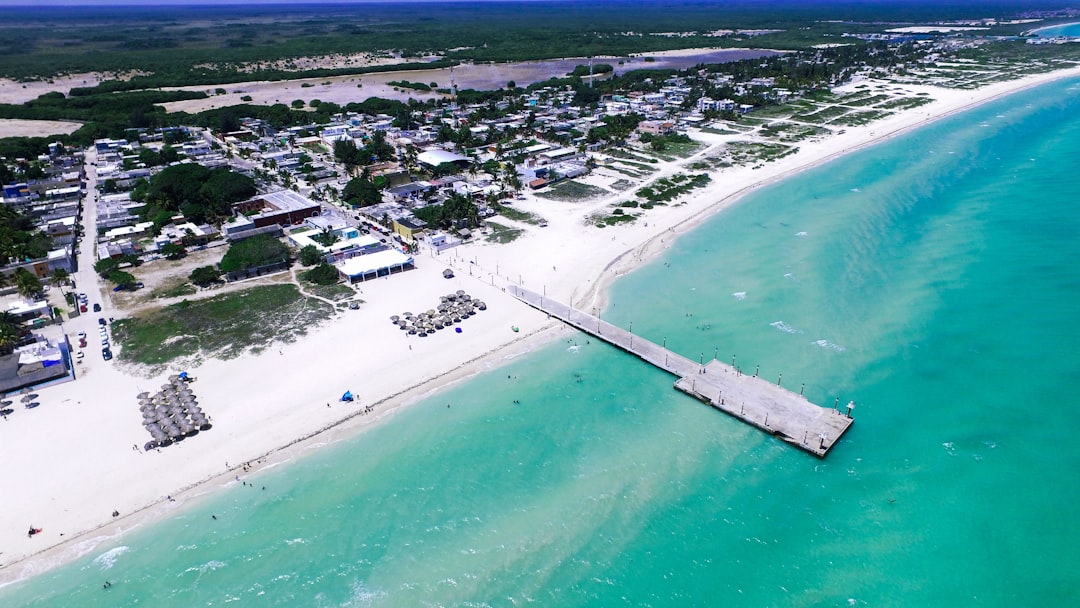
Let's pause for a moment and really look at why these coastal regions are becoming the center of such heated debate. We're seeing more than 40 percent of the global population squeezed into these zones, and when you layer massive industrial projects on top of that, the pressure on our natural buffers—like mangroves and seagrass—becomes unsustainable. Think about it: when we build giant concrete piers, we aren't just placing a dock; we're creating a barrier that disrupts natural sediment transport, often starving downstream beaches of the sand they need to survive. It's this constant tug-of-war between expanding tourism infrastructure and the basic physical integrity of the shoreline that we really need to get better at managing.
The environmental cost goes way deeper than what you can see from the surface of the water, too. We're talking about constant low-frequency noise from ship thrusters that essentially blinds marine mammals, alongside nutrient-rich wastewater discharge that triggers algal blooms and chokes off local fish stocks. Then there's the issue of groundwater; when you pull massive amounts of fresh water for a resort, you often end up with saltwater intrusion that ruins the aquifers local farmers have relied on for generations. It’s a classic case of short-term commercial gain creating a long-term resource deficit that the local community is left to foot the bill for.
Honestly, the most concerning part is how these developments act as permanent stressors on biodiversity that's already struggling. Artificial night lighting is a massive, often overlooked, disruptor for nesting sea turtles, while the heat island effect from all that concrete can push harbor water temperatures past the breaking point for sensitive coral. When you combine this with the loss of carbon-sequestering seagrass and the uptick in microplastics from propeller-driven debris, it’s clear that we’re pushing these fragile ecosystems toward a threshold they can't recover from. It’s not just about stopping a single project; it’s about recognizing that our current model for coastal development is fundamentally at odds with the very environment that keeps these regions alive.
The Future of Cruise Line Private Destinations in Mexico
Look, when you really step back and look at the trajectory of these private cruise destinations, it’s clear we’re at a massive turning point in how these companies approach the Mexican coastline. For a long time, the model was essentially about creating these gated, "perfect day" experiences that functioned like self-contained bubbles, but the math behind that approach is rapidly changing as local governments tighten their environmental oversight. If you’re paying attention to the recent cancellations, it’s not just about a single project failing; it’s a sign that the old "build first, ask later" strategy just isn't going to fly when you’re dealing with the kind of delicate ecosystems we see in the Yucatan. The reality is that modern infrastructure now demands a much higher level of engineering precision, from hydrodynamic modeling that prevents the erosion of neighboring public beaches to the use of advanced bubble curtains during piling installation to keep marine mammals safe from acoustic trauma.
Here is what I think is really driving this shift: we’re moving away from the era of brute-force development toward a much more restrictive, data-driven framework. Projects that don’t account for things like subterranean karst sinkholes or the specific thermal footprint of a mega-ship are essentially dead on arrival under the current regulatory climate. We are seeing a move toward mandatory net-gain requirements for seagrass and a real push for renewable energy integration, where at least 40 percent of a destination's power needs to come from on-site solar. Honestly, this is a massive change from where we were just a few years ago. It’s forcing developers to treat the environment not as a backdrop for a photo op, but as a critical, high-stakes variable that can make or break a billion-dollar investment.
If you’re wondering where this leaves us, it’s a pretty definitive signal that the "private island on steroids" model is facing a serious reality check. The future isn't just about building the most impressive pier or the biggest pool; it’s about proving you can exist alongside local coastal communities without disrupting their water tables, their archaeological heritage, or their access to the sea. Companies that want to stay in this game are going to have to get much better at transparency, especially with lidar-assisted seabed surveys and rigorous, sensor-based water quality monitoring that operates in real-time. It’s tough to say exactly what the next generation of these projects will look like, but I’d bet they’ll be smaller, significantly more expensive to permit, and much more integrated with the existing local landscape than the gargantuan, isolated hubs we’ve seen in the past.
Managing Guest Expectations Amidst Changing Port Plans
When a cruise itinerary suddenly shifts, it’s not just a logistical headache; it’s a direct hit to the vacation experience that triggers the peak-end rule, where we tend to judge our entire trip by its most frustrating moment. I’ve noticed that when a line communicates a change within that first hour, negative sentiment drops by about 30 percent, which really shows how much we value honesty over perfection. It’s fascinating how predictive modeling now lets operators spot potential disruptions 72 hours out, giving them a vital window to prep us before we even leave the dock. Relying on an app notification for a personal update feels so much better than being startled by a booming, ship-wide announcement that leaves everyone guessing.
Think about it this way: when you've been dreaming about a specific excursion, the loss is real, but offering a pre-booked alternative at a backup port is a simple, effective way to soften the blow. From a data perspective, we’re seeing that younger travelers are often the ones driving the online feedback loops when plans change, whereas older passengers seem a bit more flexible with the reality of maritime travel. I’ve seen firsthand how an immediate, tangible gesture—like a small onboard credit—does wonders to reset our mood, acting as a kind of emotional circuit breaker. It’s not just about the money; it’s about feeling like the cruise line recognizes that our time is valuable and that they’re willing to make it right.
What’s changing in the industry is that lines are finally moving toward these smarter flex-port agreements, which turn what used to be an emergency diversion into a seamless, planned stop. When the crew explains these shifts with technical clarity—like citing environmental regulations or safety standards—it actually helps us buy into the decision rather than feeling like we’re just being sidelined. Honestly, I’ve found that if a line prioritizes safety or ecological health and tells us the "why" up front, it can actually deepen my trust in the brand. It really comes down to the speed of the news; if we know the score before it’s official, we’re far less likely to walk away feeling bitter.
Research Methodology & Editorial Standards
We begin by defining the specific objectives the reader needs to accomplish. Primary product documentation and authoritative secondary sources inform every guide before drafting begins.
Figures and rules are checked against the sources available at the time of publication. Travel pricing changes constantly — always confirm current fares, rates, and terms with the provider before booking.