
Know Your Legal Rights When Navigating Security at US Airports
Navigating airport security can feel like a high-stakes guessing game where the rules seem to shift depending on who’s standing at the podium.
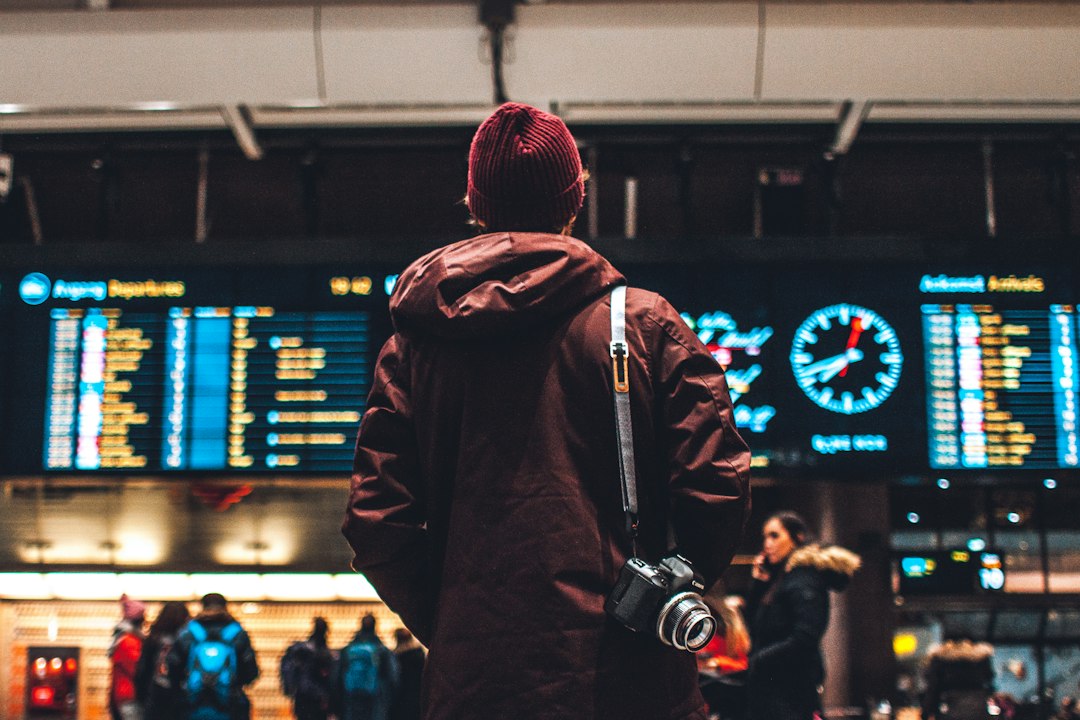
Understanding Your Rights During TSA Screenings and Searches
Navigating airport security can feel like a high-stakes guessing game where the rules seem to shift depending on who’s standing at the podium. I’ve spent enough time in terminal lines to know that sinking feeling when you’re pulled aside for extra screening, but here is what I think you need to keep in mind: you aren't powerless in these moments. TSA officers are authorized to perform administrative searches like pat-downs, but they don't have the legal standing to interrogate you about your immigration status. If a pat-down is necessary, you have every right to request a private area for the procedure and even ask for a witness of your choice to be there. It’s a small measure of control in an environment that often feels like it's designed to strip that away.
When it comes to your belongings, the lines can get a bit blurry. You aren't required to consent to a search of your electronic devices by TSA, though you should be aware that refusing standard screening procedures will almost certainly result in you being denied boarding for your flight. It’s a practical trade-off, not a legal mandate. However, if federal agents like ICE are involved, the rules change significantly. Their jurisdiction for warrantless searches is generally restricted to areas considered the functional equivalent of a border, and they don't have the authority to make you sign any documents without speaking to an attorney first.
If you find yourself being questioned, remember that you have the right to remain silent, and you are never under an obligation to discuss your citizenship or immigration status with anyone. If you're being detained, ask clearly if you're under arrest and demand the specific reason. You can also record these interactions in public spaces, provided you aren't physically interfering with security operations or creating a safety risk. Honestly, the best approach is to stay calm and polite, even when you’re frustrated. Documented non-compliance is frequently used to justify further scrutiny, so keeping your cool while asserting your rights is the most effective way to protect yourself.
Navigating Interactions with ICE and CBP Agents at Airports
Let’s talk about that moment of uncertainty when you’re walking through a terminal and realize the badge you’re looking at isn’t a standard TSA officer. It’s easy to assume all airport security operates under the same set of rules, but the reality is that CBP and ICE carry a completely different set of legal authorities that change the game entirely. CBP agents, for instance, have broad power to conduct searches without a warrant within 100 miles of a border—which actually covers about two-thirds of the U.S. population. When you’re at an international terminal or what the law calls a functional equivalent of a border, those standard protections you might rely on elsewhere get a whole lot thinner.
Here is what you need to keep in mind: while TSA is strictly focused on aviation safety, ICE and CBP are there for immigration enforcement, and their presence at domestic checkpoints has become increasingly common and unpredictable. I’ve seen airports shift their personnel deployments from one month to the next, meaning you shouldn't assume that just because a terminal felt routine in the past, it will stay that way. If you’re stopped, it’s vital to distinguish who you’re talking to, as TSA officers don't have the legal standing to enforce immigration statutes. If you find yourself in a situation where they are questioning you, remember that you are never required to answer prying questions about your religion or political beliefs, regardless of the agency.
If you’re a traveler who isn't a U.S. citizen, the stakes feel even higher, and it's smart to keep your documents organized and accessible. But even for citizens, if you feel you’ve been wrongly targeted or detained, you have the right to request an attorney and eventually file a formal complaint with the Department of Homeland Security’s Office for Civil Rights and Civil Liberties. People often ask me about recording these interactions, and while you have that right in public spaces, just be careful not to cross the line into physically interfering with their work. That’s a subjective standard, and it's often the exact excuse officers use to justify taking your phone or camera away. Stay calm, stay polite, but know your boundaries before you even step into the airport.
Your Legal Recourse When Detained or Questioned by Federal Authorities
Let’s pause for a moment and reflect on what actually happens when the power dynamic shifts, because knowing your legal recourse isn't just about theory—it’s about knowing how to protect your interests in a high-pressure environment. If you find yourself being questioned or detained by federal authorities, the first thing I’d suggest is to firmly but politely ask if you’re under arrest and if you are free to leave, as these questions help clarify exactly where you stand. Remember, you have an absolute right to remain silent, and honestly, asserting that right or asking for an attorney is never an admission of guilt. It’s also worth noting that while you might feel pressured to sign documents to speed things up, you are under no legal obligation to put pen to paper before consulting with counsel.
Now, here is the reality of the situation: federal agents, including those from ICE or CBP, must adhere to Fourth Amendment protections even in those tricky border-adjacent zones. Their authority to conduct warrantless searches is specifically tied to immigration and customs enforcement, not broad criminal investigations, and they definitely cannot use your race, religion, or national origin as the sole reason to pull you aside. If you’re a foreign national, don't forget that you can request that a consular representative from your home country be notified, which is a right protected under the Vienna Convention. It’s a layer of oversight that matters when you're feeling isolated.
Finally, think about the tools you have in your pocket. You can record these interactions in public spaces as long as you aren’t physically obstructing an officer from doing their job, though you have to be smart about how you do it to avoid giving them an excuse to escalate. If things go sideways and you feel your rights were violated, there is a formal channel for this: you can file a complaint with the Department of Homeland Security’s Office for Civil Rights and Civil Liberties. I know it sounds like a bureaucratic hurdle, but these offices are specifically mandated to investigate claims of misconduct. Just stay steady, keep your records, and don't let the intensity of the moment make you feel like you've lost your voice.
Documenting Potential Civil Rights Violations During Airport Security
When you find yourself in the middle of a high-pressure security stop, it’s easy to feel like the situation is moving too fast to track, but documenting what happens is actually the most powerful tool you have to protect your rights. If you believe you’re being targeted unfairly, start by quietly noting the badge numbers and full names of every officer involved in your interaction; this simple act creates a factual trail that’s essential if you ever need to file a formal complaint later. Remember, federal agencies like ICE and CBP are legally required to follow Fourth Amendment protections even in those broad, 100-mile border zones, and they absolutely cannot use your religion, race, or national origin as the sole reason to pull you aside. You should also try to keep a clear mental—or written, if possible—record of the specific questions asked, as these details serve as critical evidence for any subsequent investigation into prohibited profiling.
While you might be tempted to pull out your phone to capture the scene, you have to be incredibly careful because agencies often use the vague claim of physical interference as a justification to seize your devices. If you are recording, stay physically distant and avoid any behavior that could be interpreted as blocking their work, as documented non-compliance is the easiest way for them to escalate the situation. For those who are foreign nationals, always keep in mind that you have the right to request a consular representative under the Vienna Convention, and if that request is denied, that refusal itself becomes a key piece of information for your records. If you happen to be transgender, you may face specific hurdles at these checkpoints, so keeping your identity documentation current and consistent can save you from unnecessary, extended scrutiny.
At the end of the day, there’s a massive legal difference between the administrative searches performed by the TSA and the immigration-focused enforcement tactics used by other federal entities, and understanding that distinction is how you navigate these interactions with confidence. If you feel like a line has been crossed, you don't have to just walk away and forget it; the Department of Homeland Security actually has an Office for Civil Rights and Civil Liberties specifically tasked with investigating these kinds of complaints. I’ve noticed that some cities are even rolling out their own multilingual reporting platforms to make it easier for people to hold these agencies accountable. It can feel like you’re just one person against a massive system, but clear, precise, and objective documentation is exactly how you make sure your voice is actually heard.
Balancing Security Protocols with Personal Privacy and Religious Accommodations
Let’s be real for a second: navigating an airport checkpoint when your religious practices require specific garments or items can feel like walking a tightrope between safety and self-respect. It’s a delicate balance, but you should know that you aren't forced to choose between the two. Federal law mandates that security protocols remain religion-neutral, meaning you shouldn't be singled out just because of your attire. If you’re wearing religious headwear that triggers an alarm during an imaging scan, you don’t have to just accept a follow-up scan; you have the right to request a pat-down as a reasonable alternative. I always suggest that if you’re carrying a prosthetic or a sensitive medical device, you speak up early to avoid those awkward, unexpected physical encounters that can leave you feeling exposed in the middle of a busy terminal.
When things get a bit more hands-on, you need to remember that you have the upper hand on privacy. If an officer asks you to remove religious headwear, you have an absolute right to move that request into a private screening room. You can also perform the removal yourself, and you’re entitled to have that happen in front of an officer of the same gender. It’s about keeping your dignity intact while the job gets done. I’ve found that officers are often trained to use non-invasive tools like explosive trace detection swabs on garments rather than forcing you to take them off, so don't be afraid to suggest that if you feel the situation is heading in an uncomfortable direction. You can even bring a witness of your choice into that private room if you’re feeling uneasy about how the screening is being handled.
If you’re someone who likes to be prepared, definitely look into the TSA Cares program before your flight. It’s a solid resource for clarifying these protocols in advance, which can save you a massive amount of stress once you’re standing in line. But if you walk away from a screening feeling like you were treated disrespectfully or that your request for accommodation was ignored, don't just let it slide. Note the time, the specific location, and the officer’s description so you can file a formal complaint with the Office of Civil Rights and Civil Liberties. These policies are there to protect your rights, but they only work if you know how to advocate for them. It’s not about causing a scene; it’s about making sure the system respects the person wearing the clothes, not just the cargo they’re carrying.
How to Seek Legal Assistance If Your Rights Are Violated While Traveling
If you ever find yourself in the middle of a secondary screening that feels like it has crossed a professional line, the most important thing to remember is that you aren't just a passive participant in the process. While the legal system can feel like a labyrinth, there are concrete channels designed specifically to hold federal agencies accountable when they overstep their authority. First and foremost, if you believe you’ve been subjected to discriminatory profiling or a civil rights abuse, you should file a formal complaint with the Department of Homeland Security’s Office for Civil Rights and Civil Liberties. Always insist on receiving a unique tracking number for your case, as this creates the necessary administrative trail that any future legal counsel will need to verify your account of the incident.
When the situation involves more than just a procedural complaint, you might need to look toward broader legal avenues like the Federal Tort Claims Act, which allows you to pursue claims against the government for wrongful acts committed by federal employees. It’s worth noting that the landscape for these lawsuits is constantly shifting, especially with the Supreme Court narrowing the scope of Bivens actions that allow individuals to sue officers directly for constitutional violations. Because these paths are highly technical and bound by strict procedural deadlines, you shouldn't hesitate to reach out to rapid response networks operated by pro bono legal organizations or immigrant rights groups. These teams are built for high-pressure scenarios and can provide the immediate guidance you’re likely lacking when you’re standing in a terminal wondering what your next move should be.
And if you’re wondering about other levers you can pull, don't overlook the power of your local congressional representative. Their offices can initiate formal inquiries into specific incidents of detention, which often carries more weight with federal agencies than a standalone complaint from a private citizen. You should also be aware that states are increasingly exploring their own legislation to create pathways for civil litigation against federal agents, offering a potential layer of accountability that operates outside of standard federal court hurdles. While it’s easy to feel small when you’re facing off against a massive agency, keeping your documentation precise—timestamped notes, badge numbers, and specific details—is your most effective way to anchor your experience in reality. Remember, you aren't just making noise; you’re building a case that, if handled correctly, forces the system to acknowledge the boundaries it is legally required to respect.
Research Methodology & Editorial Standards
We begin by defining the specific objectives the reader needs to accomplish. Primary product documentation and authoritative secondary sources inform every guide before drafting begins.
Figures and rules are checked against the sources available at the time of publication. Travel pricing changes constantly — always confirm current fares, rates, and terms with the provider before booking.