
How a DIY hobbyist built a functional airplane in his own backyard
A Quick Build option might shave hundreds of hours off your project, but you’ll sacrifice a deeper understanding of your own airplane’s skeleton, which matters if you ever need to perform a field repair.

Choosing the Right Aircraft Kit for Your Skill Level
Picking the right aircraft kit is easily the biggest decision you’ll make, and honestly, it’s where most people get tripped up before they even touch a rivet gun. You really have to look at the 51 percent rule, which dictates that you need to be the one doing the heavy lifting to keep that experimental certification, so don't trick yourself into thinking a kit is just an assembly job. If you’re just starting out, prioritize manufacturers that offer pre-punched aluminum components because they bake in a level of geometric precision that used to take months of painful jig setups to achieve. Think about your available workspace too, because if you go the composite route, you’re basically committing to a climate-controlled environment just to keep your resins from acting up.
But it’s not just about the raw materials; it’s about what you’re actually capable of fixing when things get weird. Most folks don't realize that switching out simple hardware for generic fasteners can be a total disaster since those AN-standard parts have specific metallurgical specs that keep your wings attached when it matters. If you’re eyeing those fancy glass cockpits, be prepared to get comfortable with CAN bus protocols, which is a massive leap from the old-school analog gauges we’re used to. I’d suggest finding a kit that comes with 3D-printed jigs, as these have made it significantly easier to nail the alignment on control surfaces without needing an engineering degree.
The real test, though, is whether you’ve got the patience for the long haul. A Quick Build option might shave hundreds of hours off your project, but you’ll sacrifice a deeper understanding of your own airplane’s skeleton, which matters if you ever need to perform a field repair. Don't forget that corrosion prevention is the silent killer here; if you’re skipping the zinc chromate or epoxy primers on your faying surfaces, you’re just building in future headaches. Honestly, if you can’t carve out at least ten hours a week in the shop, you’re probably going to lose your momentum and end up with a half-finished project. Find a community or a support network early because when you’re staring at a pile of wires and feeling like you’re in over your head, having someone to ask is the only thing that’ll keep you from walking away.
Navigating Aviation Regulations and FAA Certification
Let’s pause for a moment and reflect on the reality of what you’re actually signing up for when you decide to build a plane in your own backyard. It’s easy to get lost in the romance of the build, but the transition from a pile of parts to an airworthy machine involves a rigorous dance with the FAA that you really shouldn’t underestimate. You’re essentially acting as the manufacturer, which means you’re on the hook for proving your aircraft is safe enough to share the skies with everyone else. You’ll need to navigate a formal flight test period, usually logging between 25 and 40 hours within a restricted geographic area, just to satisfy the inspectors that your bird can handle its own weight. It’s not just about getting it off the ground; you’re required to document every single hour of that testing with meticulous data that an FAA examiner will eventually scrutinize before you’re cleared for broader operations.
When you’re finally ready to apply for that airworthiness certificate, you have to submit an affidavit confirming you’ve met the major portion rule, essentially proving you built this for your own education and recreation. Don't forget that even in the experimental world, you’re mandated to display permanent, fireproof identification plates that include your serial number and registration marks, positioned where they’re still accessible after the skin is closed. You’ll also need to keep a clear placard in the cockpit for your passengers, explicitly stating that this isn't a production-line craft. And keep in mind that navigation technology is becoming a moving target; as GPS spoofing threats become more common, you’ll need to ensure your avionics suite maintains signal integrity that meets modern standards. If you’re adding advanced glass cockpits, double-check that your gear won’t accidentally bleed interference into regulated communication frequencies.
Honestly, the paperwork doesn't stop once you’re officially in the air. If you ever decide to tweak your gross weight or shift your center of gravity, you’re looking at a formal reassessment of your flight test phase, which can be a real headache if you aren't prepared for it. Even something as technical as moving from visual to instrument flight rules requires a specific certification process that verifies the redundancy of your pitot-static and gyroscopic systems. Plus, with remote identification standards evolving globally, your avionics might eventually need to broadcast specific session IDs to stay compliant. Your airworthiness certificate is only as good as your commitment to those annual condition inspections, which must be signed off by a repairman certificate holder—which, in your case, means you need to stay on top of your own maintenance logs and metallurgical specs for every bolt and fastener you’ve used.
Essential Tools and Workspace Requirements for Homebuilding
To maintain structural integrity in aluminum aircraft, your workspace must be equipped with a calibrated pneumatic rivet squeezer that provides consistent force to prevent stress risers in the fastener holes. You should implement a dedicated lighting scheme utilizing high-CRI LEDs, as standard shop lighting often masks subtle surface oil-canning or micro-fractures that are invisible to the naked eye. Static electricity control is a critical and often overlooked requirement, as uncontrolled discharges can damage the sensitive integrated circuits found in modern glass cockpit avionics. When preparing metal surfaces, utilizing a dedicated, isolated area for chemical conversion coating is essential to prevent acidic vapors from causing galvanic corrosion on stored airframe components.
You must invest in a digital torque wrench capable of logging data, because verifying every structural bolt to a specific foot-pound range is a mandatory step for long-term fatigue resistance. A professional-grade, oil-free air compressor is necessary, as even trace amounts of moisture or oil in the pneumatic lines can compromise the adhesion of structural primers and sealants. Implementing a 3D-laser alignment tool allows you to verify the geometric symmetry of your wing incidence angles within a fraction of a degree, far surpassing the accuracy of traditional plumb lines and levels. You should maintain a constant ambient temperature of at least 65 degrees Fahrenheit in your shop, as many structural epoxies will fail to reach their full curing strength if the ambient environment drops below their specific chemical activation threshold.
Utilizing a vacuum-sealed storage system for your blind rivets and AN hardware prevents oxidation and ensures that every fastener meets its design-basis metallurgical performance. A dedicated grounding station for your workbench is vital when handling electronic components to prevent latent failure of microprocessors from electrostatic discharge. You must ensure your workspace floor is perfectly level and braced, as even a slight foundation sag can introduce a permanent twist into the airframe during the initial assembly phase. Finally, high-precision deburring tools are mandatory because micro-burrs left on aluminum sheet edges act as stress concentrators that significantly reduce the vibration tolerance of the entire wing assembly. Let's be real: cutting corners on these basics isn't just about making the build harder, it's about the safety of the machine you’re going to be flying.
The Step-by-Step Assembly Process: From Fuselage to Avionics
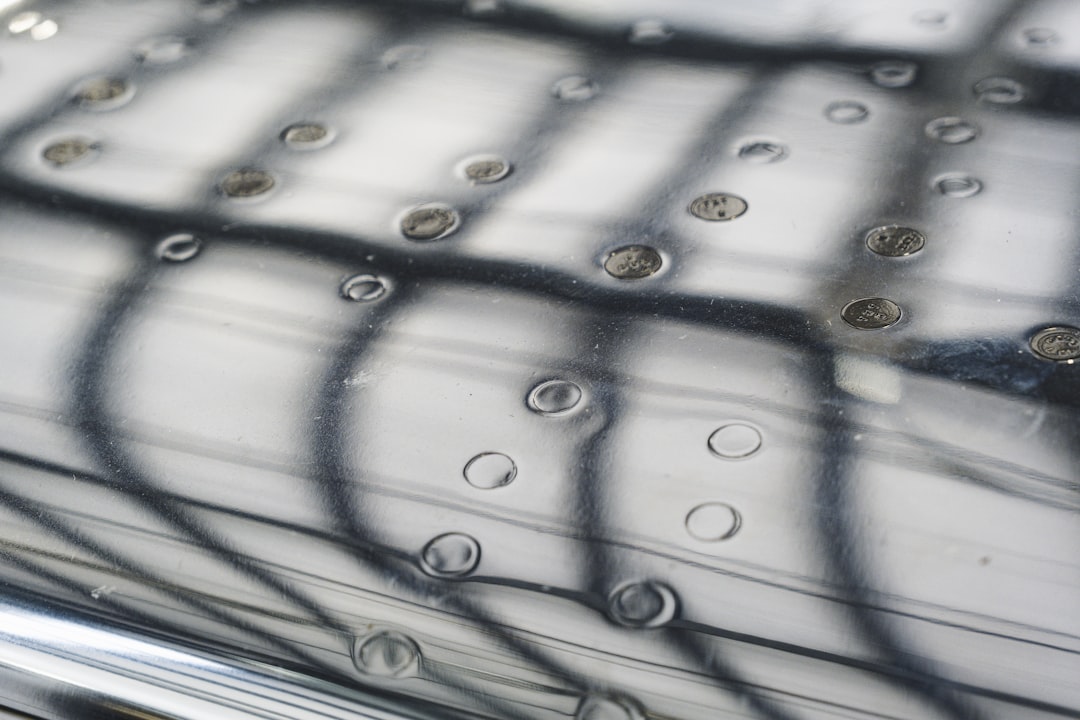
The transition from a raw kit to an actual flying machine is honestly where the magic—and the headache—really begins. It’s a methodical process that starts with the fuselage, where you’re essentially balancing the structural rigidity of your aluminum frame against the need to avoid those pesky stress risers that develop from uneven riveting. You’ve got to be incredibly disciplined with your assembly jigs here because if your fuselage skin isn't perfectly tensioned, you’re looking at long-term fatigue cracks that could compromise the entire airframe down the line. I’ve seen enough builders rush this part only to regret it when the alignment is just a hair off. It’s worth taking your time to ensure your shop heads are perfectly centered, because that structural integrity is the only thing standing between you and a mid-flight issue.
Once the skeleton is set, you’ll find yourself moving into the more finicky world of avionics integration. This is a massive shift, and if you aren’t careful with your electrical grounding, you’ll end up with electromagnetic interference that plays havoc with your flight data buses. I always tell people to lean toward using Teflon-jacketed wiring, as it’s way more resistant to the constant vibration and fuel vapor exposure that your internal systems are going to face in a small cabin. It’s also vital that you keep your pitot-static lines absolutely spotless during installation. Even a tiny speck of debris can give you a false airspeed reading when you’re up at altitude, which is the last thing you want to worry about when you’re trying to land.
Finally, don't overlook the importance of the little things, like applying torque-seal to your fasteners so you can spot a loose bolt at a glance during your pre-flight checks. You’ll also need to be patient with fuel sensor calibration, as those tank baffles often create weird, non-linear geometry that standard calculations just won't fix. It’s a long, detail-oriented road, but there’s something deeply satisfying about knowing exactly how every wire is routed and every rivet is set. You aren't just building a plane; you’re building a complete, high-performance system that you’ll eventually trust with your life, so treat every connection like it’s the most important one in the build. It might feel like a slow grind, but honestly, that’s exactly what it takes to get it right.
Critical Safety Inspections and Test Flight Protocols
Let’s be real for a second: when you’re building your own aircraft, that first taxi test is a massive milestone, but it’s really just the beginning of a cold, hard data-gathering mission. You’re essentially acting as the flight test engineer for your own prototype, and the FAA’s requirement for a formal test period isn’t just bureaucratic red tape—it’s the only way to prove that your specific build can handle the realities of the sky. You’ll need to execute a series of flutter tests, which sounds terrifying because you’re intentionally pushing the airframe into high-speed oscillations to make sure it doesn’t shake itself apart, but this is how you confirm your structural damping is actually up to the job. Think of this as the ultimate stress test where you’re looking for any sign of resonance that could lead to a structural failure, and honestly, you don’t want to be guessing about that at altitude.
Beyond the airframe, you’ve got to be methodical about verifying the systems that keep you alive, starting with a static pressure test on your fuel lines that pushes them 25 percent beyond what you’ll ever see in normal operation. It’s the same logic for your pitot-static system; you’ll run a leak-down test to ensure your altimeter and airspeed indicator aren't feeding you lies when you're on a critical approach. I’ve seen builders use thermal-sensitive paint on their engine cooling baffles during early flights, which is a brilliant way to spot localized hot spots that would otherwise cook your cylinder heads before you even hit your first hundred hours. And don't skip the weight and balance check with real, calibrated scales, because your math on paper rarely matches the reality of a finished, painted machine sitting on its gear.
You also need to treat your avionics like a delicate ecosystem by running an electromagnetic compatibility test; you’re looking to make sure your radios aren't accidentally creating interference that could corrupt your GPS signal or, worse, scramble your transponder. It’s also vital to test your emergency egress systems, because if your canopy release requires too much physical force, you’ll never get out in a real-world crisis. I’m a big fan of the low-tech stuff, too, like using a simple yaw string to check your aerodynamic symmetry, which is often more honest than an expensive digital sensor. By the time you finish your stall speed verifications, you’ll have a clear map of your plane’s operating envelope, and that empirical data is exactly what turns a backyard project into a reliable, predictable flyer.
The True Cost of Building Your Own Backyard Plane
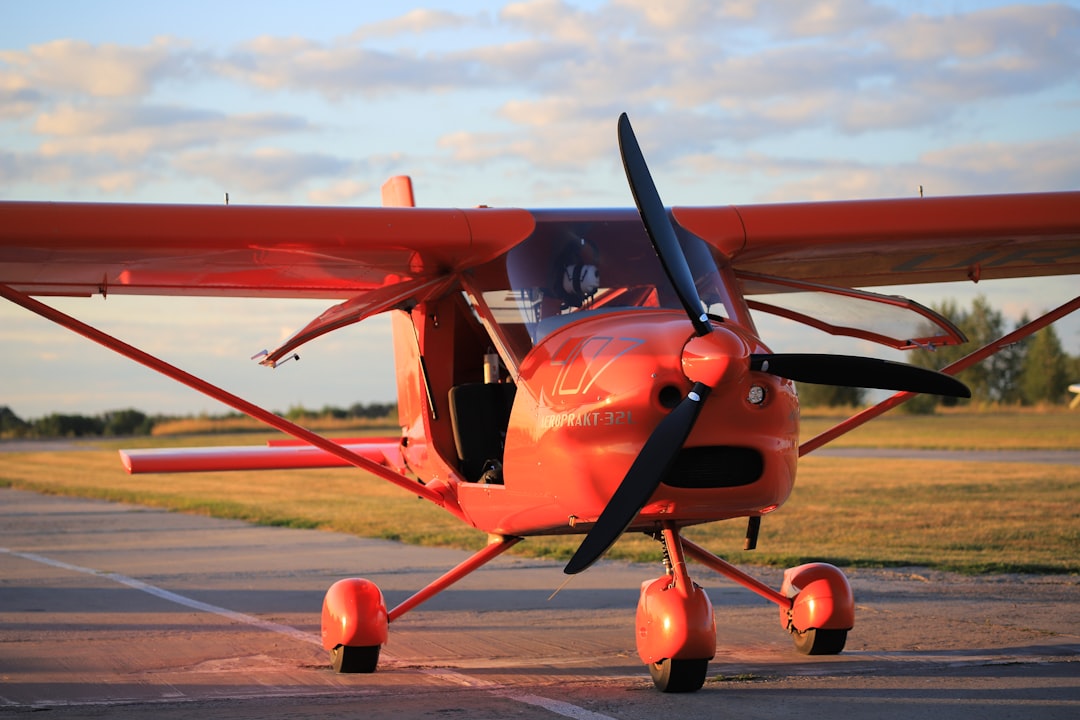
Let’s talk about the real price tag of this journey, because if you’re just looking at the sticker price of the kit, you’re missing half the story. Most people walk into this assuming the engine and the airframe are the biggest line items, but the hidden logistics of moving oversized aluminum skins and wing spars via specialized freight can sneak up on you fast. You’re often looking at LTL carrier fees that aren't exactly pocket change when you're moving crates the size of a small car. And don't get me started on the hardware; you can't just run to the local hardware store for bolts. Using anything less than aviation-grade, certified fasteners is a non-starter because you’re playing with structural fatigue life, so you need a massive safety margin in your budget for high-spec procurement.
Then there’s the environmental cost of your shop, which is the kind of thing that keeps me up at night when I think about the long-term integrity of the build. If you aren't running climate control to keep the humidity under 50 percent, you’re basically inviting invisible oxidation to set up shop inside your wing spars while you're still working on the fuselage. You’ll also need to invest in specialized storage racks to keep your airframe parts from warping against a cold concrete floor, and those racks aren't exactly cheap. Plus, when you factor in the cost of high-performance, lightweight aviation coatings—because you definitely don't want to add the extra weight of heavy automotive paint—the aesthetic side of the project starts to look like a major investment.
Finally, we have to talk about the "hidden" overhead of actually getting the thing legal. You aren't just paying for parts; you’re paying for a DAR to come out and certify your work, and those travel and service fees vary wildly depending on where you're located. You’ve also got to account for the fuel burn during your mandatory 25 to 40 hours of test flying, which happens at high power settings and eats through gas way faster than your eventual cruising profile. Even the documentation process adds up, whether it’s the cost of a repairman certificate course or the price of high-precision load cells to get your weight and balance data perfect. It’s a lot, honestly, but you’re building a flying machine, not a shed, so you really have to account for these operational realities if you want to finish without breaking your spirit—or your bank account.
Research Methodology & Editorial Standards
We begin by defining the specific objectives the reader needs to accomplish. Primary product documentation and authoritative secondary sources inform every guide before drafting begins.
Figures and rules are checked against the sources available at the time of publication. Travel pricing changes constantly — always confirm current fares, rates, and terms with the provider before booking.