
Discover the Best of British Columbia with Our Seasonal Guide to the Cariboo Chilcotin Coast
You know that feeling when the world suddenly wakes up all at once?
Spring Awakening: Wildlife Viewing and Whitewater Adventures
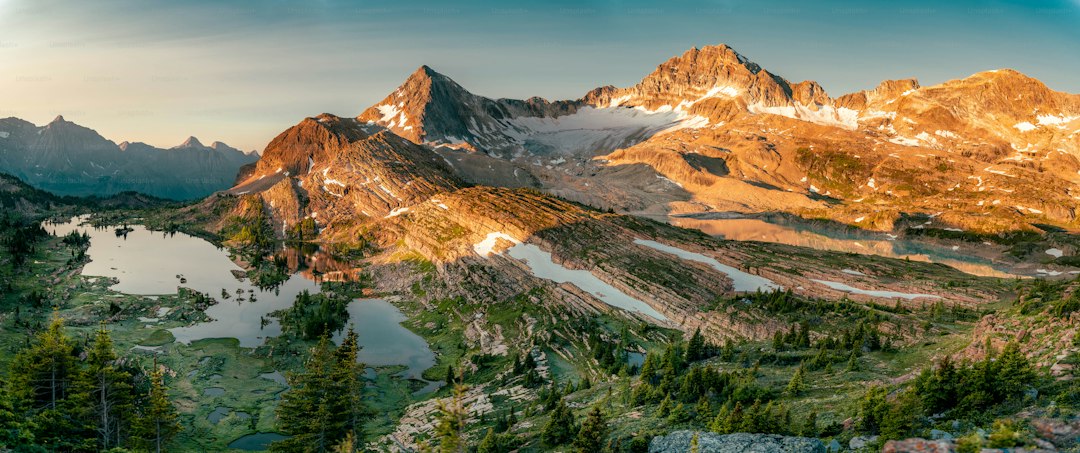
You know that feeling when the world suddenly wakes up all at once? That’s what spring in the Cariboo Chilcotin feels like, but it’s not just a soft transition; it’s a high-stakes, high-energy event for both the local wildlife and the rivers themselves. If you’re looking at the Chilcotin River in late May, you aren’t just looking at water—you’re seeing a pulse of glacial melt hitting 4 degrees Celsius. It’s brutal, it’s cold, and for experienced kayakers, it creates some of the most serious whitewater conditions you’ll find anywhere. The Fraser River is doing its own thing, too, with that narrow volcanic basalt canyon at Big Bar squeezing the flow into massive, intimidating standing waves.
But while the river is busy turning the landscape into a playground for adrenaline junkies, the animals are playing a completely different game. Think about the California bighorn sheep, which head down to the lower canyon to grab the first bits of green forage right as the freshet peaks. Grizzly bears are already out by April, hunting for sedges in those wet riparian zones, and you’ll even catch mule deer in the middle of their fawning season by late May. It makes the transition zones between forest and meadow feel like a live-action nature documentary. Honestly, the timing is so precise that you can practically watch the food chain reset itself in real time.
If you’re a birdwatcher, this is the time to be here, especially near the confluence of the Chilcotin and Fraser. It acts like a natural bottleneck where you can count over 50 species of songbirds in a single morning. Keep an eye out for bald eagles hunting salmon smolts or, if you’re really lucky, a white pelican heading toward the interior plains. Even the geography is working for you; the hoodoos create these tiny microclimates where bitterroot blooms weeks early, and the shifting sediment from the runoff creates temporary sandbars that shorebirds use as vital rest stops. It’s a lot to take in, but that’s the reality of a season that doesn’t just arrive—it forces its way onto the scene.
Summer Sun and Alpine Trails: Exploring the Coast Mountains
When we talk about summer in the Coast Mountains, we’re really talking about a massive, high-altitude cooling system that feels worlds away from the heatwaves hitting the rest of the country. These mountains hold the largest temperate icefields on the planet outside of Alaska, and those glaciers do more than just look impressive; they act as critical thermal regulators that keep the air up here significantly crisper than in the valleys. Honestly, it’s a total game changer if you’re looking to escape the sweltering heat of August. You’ll find the alpine zones are home to the hoary marmot, a critter that spends about eight months of the year hibernating, which tells you everything you need to know about the resilience required to survive at these elevations.
The geology here is just as intense as the climate, defined by the Coast Plutonic Complex—massive igneous rock formations that have been shoved upward over millions of years to create these jagged, vertical peaks. If you’re hiking in late summer, keep an eye out for the "krummholz" forests, where the trees are twisted into wild, wind-sculpted shapes by relentless alpine gales. It’s a harsh environment, but it’s also incredibly fertile, with some western slopes pulling in over 4,000 millimeters of rain annually to sustain high-altitude temperate rainforests. You’ll even spot unique wildflowers like the glacier lily, which is essentially engineered to push straight through melting snowpack to bloom the second the sun hits.
From a practical standpoint, the water quality in the high-altitude tarns is incredible; because they’re fed entirely by glacial melt, they lack the organic sediment you’d find in lower-elevation lakes. That’s where you get that brilliant, opaque turquoise color known as glacial flour, created by finely ground rock particles caught in the flow. It’s a dynamic, shifting landscape where grizzly bears follow the seasonal food, moving from the high-alpine berry patches down toward the valleys as the weeks roll on. And if you’re wondering why the air feels so different, it’s because the drop in atmospheric pressure supports specialized lichens that can actually photosynthesize at temperatures just above freezing. It’s a raw, high-stakes environment, but for anyone who prefers a mountain breeze over a beach chair, it’s the best place to be.
The Golden Season: Fall Fishing and Wilderness Escapes
As the water temperatures in the Cariboo Chilcotin drop in September, the metabolic rates of rainbow trout decrease, forcing them to become more opportunistic and aggressive as they prepare for the winter freeze. This cooling shift triggers a phenomenon where fish move from deep, oxygen-depleted lake bottoms toward shallower, oxygen-rich inlets where autumnal insect hatches provide a final caloric surge. The Chilko River’s late-season salmon run is so massive that it acts as a primary nutrient pump, depositing thousands of kilograms of marine-derived nitrogen into the riparian soil that sustains the surrounding coniferous forests. Unlike summer angling, fall fishing requires a switch to deeper presentations because the diminishing daylight reduces the period of peak aquatic insect activity to just a few hours around midday. It’s a total game changer for anyone used to the frantic, surface-level action of July, as you really need to dial in your gear to succeed in these cooling depths.
The autumnal equinox triggers a dramatic change in the behavior of local moose, which enter the rut in late September and become remarkably vocal, allowing travelers to hear their calls across vast mountain valleys. During this time, the lack of intense summer heat allows grizzly bears to shift their foraging habits away from high-altitude berries and toward the riverbanks to feast on spawned-out salmon. You will notice that the deciduous trees, specifically the trembling aspen and interior cottonwood, undergo a synchronized color shift caused by the degradation of chlorophyll that unmasks hidden carotenoid pigments just before the first frost. It’s honestly one of those moments where the whole forest seems to hold its breath, painting the landscape in shades of gold and amber that just don't happen in the height of summer.
As the air pressure rises during clear autumn high-pressure systems, the visibility in the region’s deep-water lakes increases significantly, allowing anglers to sight-fish for trophy-sized trout at depths of up to five meters. Migratory waterfowl, particularly Canada geese and various species of diving ducks, use the Cariboo plateau as a critical staging ground, creating massive, temporary congregations on the wetlands that are rarely seen during the warmer months. The reduction in mosquito and biting fly populations by mid-September makes the wilderness significantly more accessible for backcountry hikers who prefer the quiet, frost-crisped trails of the late season. Furthermore, the nocturnal sky clarity reaches its peak in October, providing optimal conditions for observing the aurora borealis, which is often visible due to the region's low light pollution and high northern latitude. Finally, the cooling lake surfaces cause a turnover event where water temperatures equalize at all depths, resetting the aquatic ecosystem and creating a brief but intense period of active feeding for predatory fish before the surface ice begins to form. You’ve really got to be ready for these windows, because they open and close fast, but catching one is honestly worth every bit of the planning.
Winter Wonderlands: Snowmobiling and Backcountry Skiing
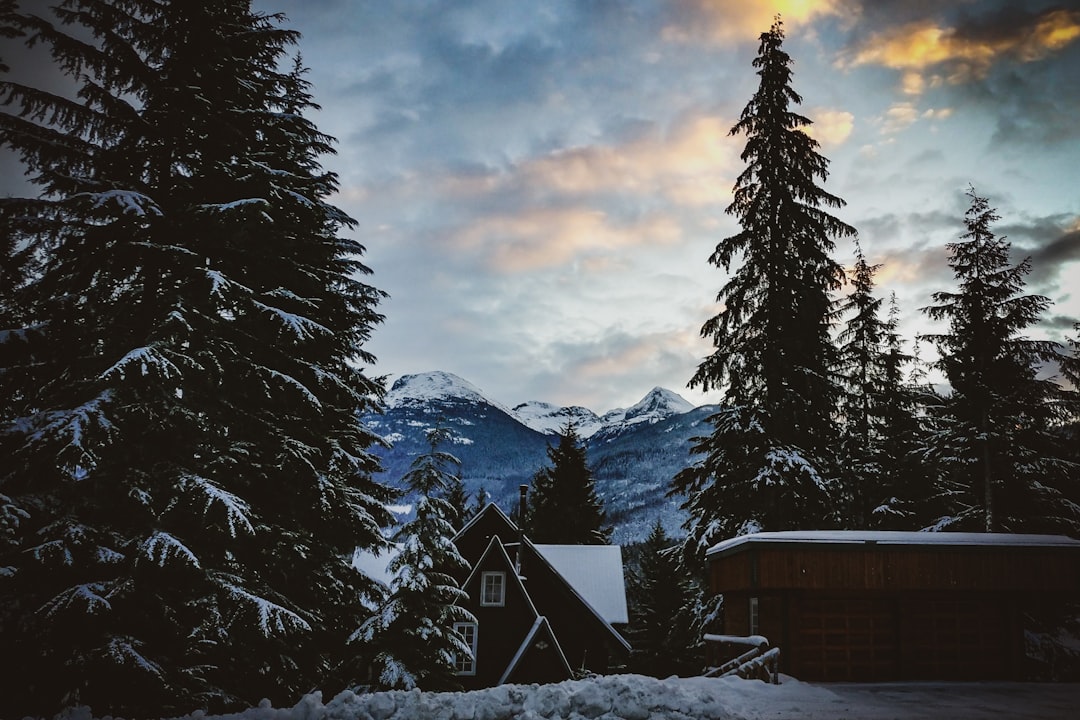
When we talk about the Cariboo Chilcotin in winter, we aren’t just looking at a pretty backdrop; we’re looking at a complex, high-stakes engineering problem that shifts under your feet every single day. If you’re heading out to shred that legendary dry powder, you have to realize that the continental snowpack here behaves nothing like the heavy, wet stuff found on the coast. Because of the extreme cold, we deal with temperature gradient metamorphism, where the snow literally turns into sugar-like, non-cohesive grains that lack the structure to hold their own weight. That depth hoar—essentially little ball bearings at the base of the pack—is the reason why deep-slab avalanches are the primary threat you need to be prepared for. It’s a sobering reality, but understanding these structural weaknesses is the only way to safely access those wide-open alpine bowls.
For those of you looking to cover ground, the region’s old logging roads are honestly a lifesaver, acting as groomed veins that get you deep into the backcountry without needing a helicopter. I’ve noticed a massive shift toward electric snowmobiles lately, and it’s actually pretty smart; the high-torque, cold-resistant battery tech is handling these sub-zero environments better than I ever expected. But don't let the tech distract you from the topography. Because the trees are sparse up on the tundra, the wind dictates everything, building these massive, overhanging cornices on ridgelines that can catch you off guard if you aren't watching the leeward slopes. When the arctic outflow hits, it can double the weight of the snowpack in just a few hours, completely changing the stability profile of a slope you might have felt comfortable with that morning.
Honestly, it’s all about reading the signs the landscape leaves for you. I spend a lot of time checking for surface hoar, that fragile, fern-like frost that forms on clear nights; it’s a silent, hidden trigger that creates a perfect slide plane once it gets buried by the next storm. And because the sun stays so low in the sky, those north-facing slopes don't see any warmth, which keeps the snow perfect for skiing but also means it never settles into a stable, bonded state. You’ve got to respect that early-season ice crust, too, because that foundation layer is going to dictate how the rest of the winter’s layers slide for the next few months. It’s a lot to manage, but if you’re meticulous about your gear and your snow safety, the payoff—that light, 10:1 water equivalent powder—is as good as it gets anywhere on the planet.
Cultural Heritage: Connecting with Indigenous History and Pioneer Roots
When we talk about the Cariboo Chilcotin, it’s easy to get distracted by the sheer scale of the mountains, but the real story here is the human footprint that stretches back over 10,000 years. You’re looking at a landscape where the Secwépemc and Tsilhqot’in nations didn't just survive; they engineered their way through extreme conditions. Think about those ancient pit houses—they weren't just shelters, but sophisticated thermal designs that kept families alive through brutal interior winters. When you walk along the Fraser, keep an eye out for signs of those massive, communal salmon harvests that happened for millennia. It’s wild to realize that the very spots where you’re standing were once high-wind corridors where Indigenous ancestors strategically placed drying racks to preserve their catch.
But the history here is layered, and you can see it in how the land has been shaped by both ancient trade and colonial ambition. Those obsidian projectile points found near the riverbeds tell a fascinating story of trade networks stretching over 300 kilometers, proving this plateau was never an isolated wilderness. Then, of course, the 1858 Cariboo Gold Rush hit, bringing the Cariboo Wagon Road—a genuine engineering beast that required blasting through solid rock just to haul supplies into the interior. Honestly, you can still feel that shift when you look at the names on a map; you’ve got Secwépemc and Tsilhqot’in toponyms sitting right alongside the anglicized names left by 19th-century surveyors, creating a kind of dual-language geography.
What really strikes me, though, is how these pasts aren't just sitting in a museum; they’re actively driving the future of the region. Take the Xeni Gwet’in people and their 2014 legal victory securing Aboriginal title—that wasn't just a win in court, it fundamentally changed how we manage the land today. You see it in the way modern forest management is finally starting to integrate traditional ecological knowledge, like using controlled fire to manage berry patches and habitat just as it was done for centuries. Even the local cattle ranches, some still operating on their original land grants, are finding that their old-school grazing habits have helped preserve rare bunchgrass ecosystems that might have otherwise vanished. It’s a pretty compelling reminder that the best way to understand this place is to look at it as a living archive where every valley and ridge has a story still being written.
Practical Planning: Essential Tips for Navigating the Cariboo Chilcotin Coast
Navigating the Cariboo Chilcotin Coast isn’t your typical road trip, and honestly, the sheer scale of the region—spanning over 117,000 square kilometers—catches most travelers off guard. You’re dealing with a landscape that’s larger than many countries, so you have to treat your itinerary like an expedition rather than a casual drive. The elevation gain alone is enough to scramble your plans, as you’ll climb from 300 meters at the Fraser River to over 1,500 meters on the interior plateau, triggering temperature swings that feel like moving through different climate zones in a single hour. If you’re heading out, you absolutely need to prioritize fuel management; with stretches of Highway 20 extending 150 kilometers between stations, filling up in hubs like Williams Lake or Quesnel isn't just a recommendation—it’s a necessity. And don't count on your phone to get you out of a jam, because once you leave those towns, cellular service effectively drops to zero, making a satellite communication device the only reliable lifeline you’ll have.
When you start digging into the backcountry, the reality of the infrastructure changes, and you need to be prepared for the risks that come with it. Those secondary logging roads look tempting, but they are active industrial corridors where heavy trucks operate on specific radio frequencies, so picking up a VHF radio and learning the channel protocols is standard practice if you want to avoid a dangerous encounter on a narrow pass. You’ll also find that the road surface itself is constantly shifting; the regional frost heave cycle can destroy pavement overnight, turning smooth stretches into minefields of unexpected damage. Because of the rugged nature of the terrain, medical emergencies often require an aerial extraction, so ensuring your travel insurance explicitly covers remote medevac is a non-negotiable step before you even leave home. It might feel like overkill until you’re sitting in the middle of a forest and realize just how far you are from the nearest urgent care.
There are also some subtle, practical details that really define whether your trip feels like a struggle or an adventure. Take water purification, for example; standard mechanical filters often fail here because the glacial flour in the runoff is fine enough to clog the pores, so you’re much better off relying on chemical or UV treatment methods. If you’re visiting in June, prepare for the fact that the sun stays up until 10:00 PM, which can wreak havoc on your internal clock unless you pack a high-quality eye mask. And if you’re planning on going old school with a baseplate compass, don't forget to manually adjust for the significant magnetic declination in the area, or you’ll find yourself way off course. Finally, respect the local ecology by staying strictly on marked trails—those vast wetlands are critical carbon sinks, and the delicate sphagnum moss ecosystems don't handle foot traffic well. Keep your distance from the wildlife, stay on the map, and honestly, just give the landscape the space and preparation it demands; you’ll have a much better time if you do.
Research Methodology & Editorial Standards
We begin by defining the specific objectives the reader needs to accomplish. Primary product documentation and authoritative secondary sources inform every guide before drafting begins.
Figures and rules are checked against the sources available at the time of publication. Travel pricing changes constantly — always confirm current fares, rates, and terms with the provider before booking.