
Delta passenger removed and arrested after refusing to end phone call before takeoff
They aren't just enforcing a rule about cell phones; they’re making a calculated decision to prioritize the safety of the entire flight over the convenience of one individual.
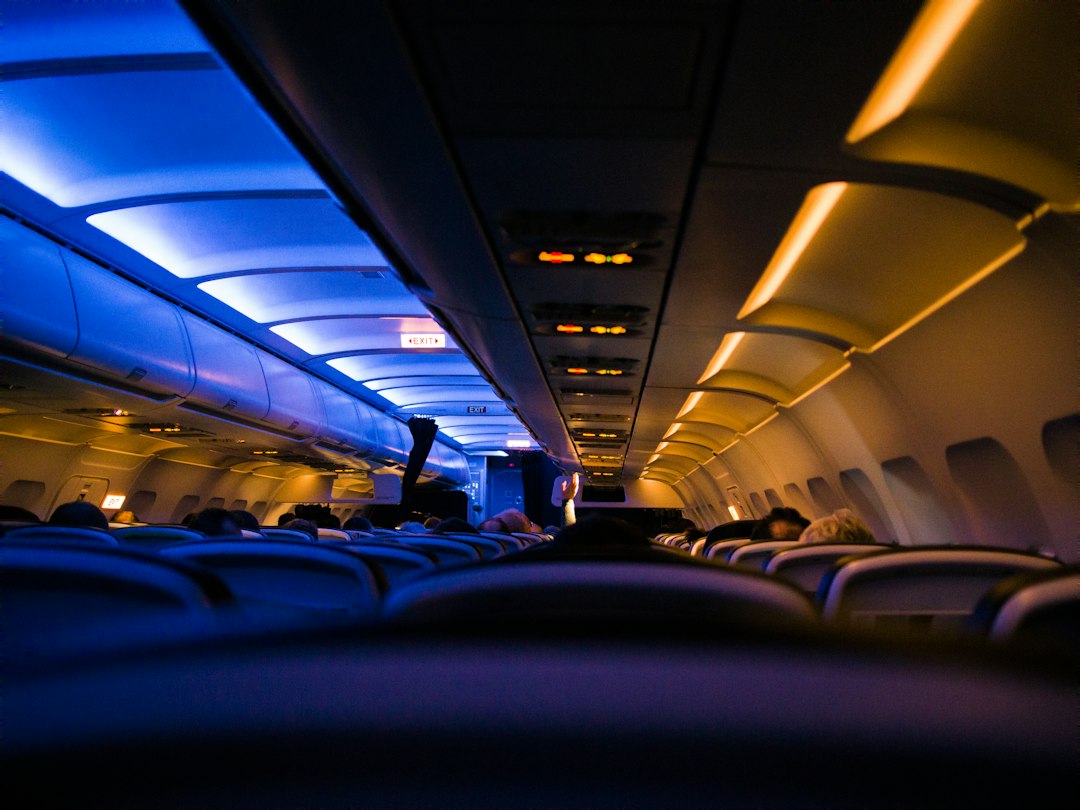
Sequence of Events: How the Conflict Escalated Before Takeoff
Let’s step back and look at how these things actually spiral, because it’s rarely a sudden explosion; it’s usually a series of small, missed cues that lead to a full-blown security intervention. You’ve probably seen it happen: a flight attendant makes a polite, routine request for a passenger to stow a device or end a call, and for most of us, that’s where it ends. But when a passenger digs their heels in, the situation shifts from a minor nuisance to a formal safety protocols activation almost instantly. It’s worth noting that federal regulations grant the pilot-in-command total authority to remove anyone they deem a threat, and they don’t have to wait for a physical altercation to pull the plug. Once an order is refused, the act of non-compliance is legally classified as interfering with a flight crew member, which is a federal offense under 49 U.S.C. § 46504.
It’s fascinating, in a grim way, to watch how quickly the environment turns when someone decides they’re the exception to the rules. Scientific data on cabin psychology shows that the pressurized, confined nature of an aircraft acts like a pressure cooker, where one person’s volatile behavior can rapidly spike the stress levels of everyone else on board. Flight crews are trained specifically to spot this emotional contagion, and their goal is to re-establish a baseline of authority before that one person’s defiance infects the rest of the cabin. They aren't just enforcing a rule about cell phones; they’re making a calculated decision to prioritize the safety of the entire flight over the convenience of one individual. Honestly, the de-escalation attempts happen behind the scenes long before most passengers even realize there’s a problem brewing.
By the time the captain is formally notified of a security threat, the window for a peaceful resolution has usually slammed shut. You might be surprised to learn that the entire timeline—from that first polite request to law enforcement stepping onto the jet bridge—is often under twenty minutes. It’s an incredibly efficient, albeit expensive, chain of events that triggers significant operational costs, from fuel burn to missed connections, which airlines don't take lightly. We’re talking about potential civil litigation and a permanent spot on a no-fly list, all because someone couldn't wrap up a conversation. It’s a stark reminder that in aviation, your personal autonomy ends the moment it starts to compromise the safety or the schedule of the machine you’re riding in.
Safety Protocols: Why Ending Phone Calls is Mandatory for Departure
Look, I get it—it feels like a massive overreach when a flight attendant tells you to hang up just because the plane is pushing back from the gate. You might think your quick call isn't hurting anyone, but from an engineering and safety perspective, there is a whole lot happening behind the scenes. Those devices emit radio frequency signals that can theoretically interfere with sensitive cockpit navigation tools, and while modern avionics are shielded, that rule is a non-negotiable safety redundancy. We’re essentially trying to eliminate every single variable that could go wrong when the flight deck is at its most vulnerable. Plus, if your phone is stuck in an active search for cell towers while we're moving at high speeds, it’s going to transmit at maximum power, which increases the load on that lithium-ion battery and creates a real fire risk in the pressurized cabin.
Beyond the technical side, there is the human element of situational awareness that we just can't compromise on. When you're lost in a conversation, you're mentally checking out, which means you’re missing the safety briefings and the critical cues from flight attendants who are scanning the rows for exit-row readiness. If an emergency happens in those first few minutes, we need you present, not distracted by what’s happening on the other end of the line. It’s also about the cocktail party effect, where too many voices make it impossible for everyone to hear the captain’s announcements clearly. If the cabin is a wall of noise, a crew member can't relay urgent instructions, and that’s a dangerous situation for everyone on board.
Then there is the physical reality of the plane itself, especially during the chaos of taxiing or a sudden, hard stop. A loose smartphone isn't just a gadget; it becomes a projectile that can cause real injury if the plane decelerates rapidly. We also have to consider the ground networks—when your phone is high up and moving fast, it tries to ping multiple base stations at once, which can actually disrupt service for thousands of people below you. Honestly, it’s about maintaining a neutral, calm environment so the crew can do their jobs without fighting for your attention or dealing with potential conflicts. When you hang up, you’re not just following a rule; you’re helping keep that shared space focused and ready for whatever the departure throws at us.
Passenger Reaction: Viral Footage and Onboard Tensions
You know that sinking feeling when you’re buckled in, ready to push back, and suddenly the vibe in the cabin shifts from excitement to pure, high-octane frustration? It’s not just you imagining the tension; there’s actually a well-documented phenomenon called passenger mimicry where one person’s refusal to follow a simple rule, like ending a phone call, acts like a domino effect that spikes the cortisol levels of everyone sitting nearby. It’s wild to think about, but scientific data shows that our bodies start producing stress hormones within minutes of witnessing a verbal altercation, creating a measurable physiological spike that ripples across several rows. When you add smartphones into the mix, things spiral faster because onlookers are 60% more likely to start filming, which unintentionally validates the instigator by giving them a captive, digital audience.
It’s easy to look at these viral clips and think they’re just isolated, messy moments, but they’re actually part of a predictable pattern in cabin psychology where the pressure-cooker environment of a parked plane amplifies every minor annoyance. When a crew member is forced into a public dispute, their perceived authority takes a hit, which makes it significantly tougher for them to keep the rest of the cabin calm for the remainder of the trip. From an engineering standpoint, this is a massive problem because that extra noise and agitation can mask critical auditory cues from the flight deck, making it physically harder for the crew to coordinate if something actually goes wrong. We’re essentially talking about a breakdown in situational awareness that ripples out, making it harder for everyone to process safety instructions when they're preoccupied with the drama unfolding a few seats away.
What really gets me is the hidden cost of these interruptions, which most of us don't even see until we’re sitting on the tarmac for an extra hour. When a gate-side removal happens, it isn't just about walking that person off; the airline has to go through the mandatory, time-consuming process of re-screening every single piece of checked luggage that belongs to the person being offloaded. You’re looking at a delay that typically ends up being three times longer than the initial disruption, all because someone couldn't wrap up a conversation. It’s a stark reminder that in the cramped, shared world of aviation, your personal autonomy really does end the moment it starts to compromise the safety or the schedule of the machine we’re all riding in.
Operational Impact: Flight Delays and Returning to the Gate
Let’s dive into why pulling a plane back to the gate isn't just a minor annoyance for the people on board, but a massive, compounding problem for the airline’s entire operation. Once a pilot decides to turn around, you lose your original place in the takeoff queue, often forcing the flight to the very back of a complex air traffic control line. This isn't just about waiting longer; it’s a domino effect where that one plane, which might have been scheduled for three or four more flights that day, suddenly becomes a bottleneck that can delay dozens of other trips. It’s wild how quickly the math changes, too, because federal security rules demand that a passenger can’t be separated from their checked bags, meaning ground crews have to hunt through cargo containers to offload specific luggage.
This process is incredibly expensive and logistically brutal for the ground teams involved. Every minute spent idling on the tarmac or taxiing back burns fuel, and if the delay pushes the flight past its original planning, the pilots might even need to re-verify takeoff performance data to account for the weight shift or potential fuel changes. Plus, you have to consider the crew’s legal duty-time limitations; if the standoff with a passenger lasts too long, the original crew might "time out," which effectively kills the flight entirely since there’s rarely a backup crew waiting in the wings. Beyond the personnel hurdles, that return can trigger a secondary security sweep of the cabin and a data sync nightmare within the airline’s management systems, as ground, maintenance, and catering teams scramble to adjust their automated schedules.
Honestly, we’re looking at thousands of dollars in lost value every single minute the aircraft is stuck at the gate, not to mention the frustration of every passenger who misses their connection down the line. It’s also worth noting the physical stress on the hardware, as frequent stopping and starting in a heavy aircraft puts extreme thermal strain on the brakes and wheel assemblies, which ground crews have to monitor like hawks to prevent tire issues. When you combine this with the FAA’s administrative requirements—where every such incident must be documented and filed—it’s easy to see why airlines view these disruptions as a massive systemic failure. It’s a stark reminder that the entire aviation ecosystem relies on a precise, fragile rhythm, and one person refusing to end a call can effectively grind that entire machine to a halt.
The Legal Aftermath: Arrest Charges and Law Enforcement Involvement
When a situation on a plane escalates to the point of arrest, you might assume the legal fallout ends once the suspect is off the jet bridge, but that is rarely the case. We need to talk about the reality of 49 U.S.C. § 46504, a federal statute that turns a stubborn phone call into a potential twenty-year prison sentence if the court decides your defiance compromised flight safety. It is a staggering threshold, honestly, because federal law sets the bar for interference incredibly low; even passive resistance, like refusing to buckle up while arguing, can be enough to trigger a felony indictment. From an analytical perspective, this isn't just about a bad day for a passenger—it's about how the Department of Justice and the FAA overlap, often hitting you with separate civil penalties that can climb toward $37,000 per violation even after the criminal case is handled.
Once law enforcement boards the aircraft, they are operating under a rigid set of jurisdictional protocols that often require a seamless hand-off between local airport police and federal agents. They don't just escort you out; they secure your device for forensic analysis to see if that phone call was part of a larger, coordinated security threat, which is a standard procedure that few travelers realize exists. Everything—from your cockpit voice recorder data to the statements gathered from the people sitting in your row—is immediately placed under strict chain-of-custody for potential grand jury proceedings. And because the arrest creates a permanent entry in the National Crime Information Center database, this one moment of poor judgment follows you across state lines, effectively serving as a red flag for any future interaction you have with law enforcement.
Think about the sheer ripple effect this has on the flight itself, because when you are pulled off, the airport has to treat the entire aircraft as if it’s no longer sterile. This means every other passenger has to undergo a secondary verification of their identification, which adds an entirely new layer of frustration to an already ruined travel day. Meanwhile, the airline is busy transmitting detailed incident reports to the TSA to push for your immediate inclusion on the No Fly List, and on top of that, they’ll almost certainly move to permanently ban you from their network as a private company action. It’s a brutal, high-stakes mechanism, but when you look at how these things are processed, it’s clear that the aviation system is designed to prioritize the security of the machine above your personal autonomy every single time.
Airline Policy: Consequences of Non-Compliance with Crew Instructions
Look, let’s be real about what happens when you decide to push back against a flight crew’s instructions—it’s not just a minor disagreement, but a move that triggers a massive, inflexible chain of events. When you ignore a direct order, you aren't just annoying the person in the uniform; you're triggering a federal safety protocol that legally classifies your behavior as interference with a crew member. This isn't some vague policy either, as statutes under 49 U.S.C. § 46504 are broad enough that even passive resistance can land you with a felony charge and civil penalties that climb toward $37,000 per incident. It’s a harsh reality check, but the aviation system is built to prioritize the collective security of the aircraft over your personal autonomy every single time.
When a captain decides to pull a plane back to the gate, the ripple effect is immediate and expensive. Ground crews are forced into a mandatory, time-consuming re-screening of every piece of your checked luggage to ensure nothing hazardous remains on board, a process that frequently drags delays out by an hour or more. Beyond the clock, the sudden unscheduled stop puts real thermal strain on the aircraft’s brakes and landing gear, which maintenance teams then have to monitor like hawks for safety. And if that standoff drags on, you might end up timing out the flight crew, which often forces the airline to cancel the trip entirely because they don't have a backup crew waiting in the wings.
You also have to consider the long-term consequences that follow you off that jet bridge. Airlines are increasingly using real-time data syncs to report these incidents to the TSA, which can get you slapped on a no-fly list almost as soon as you're in custody. We’re seeing international carriers take it a step further, with some issuing 30-year bans for repeat offenders, effectively blacklisting them from the skies for a generation. It’s worth noting that your device might even be seized for forensic analysis to see if your actions were part of a larger security threat, a standard procedure that few travelers realize is on the table. Honestly, when you look at how these systems are hardwired to protect the flight, it’s clear that non-compliance isn't just a bad idea—it’s a career and travel-ending gamble.
Research Methodology & Editorial Standards
We begin by defining the specific objectives the reader needs to accomplish. Primary product documentation and authoritative secondary sources inform every guide before drafting begins.
Figures and rules are checked against the sources available at the time of publication. Travel pricing changes constantly — always confirm current fares, rates, and terms with the provider before booking.