
Off the Rails: Should Trains Replace Planes for Your Next Trip?
Trains are widely regarded as a greener transportation alternative.
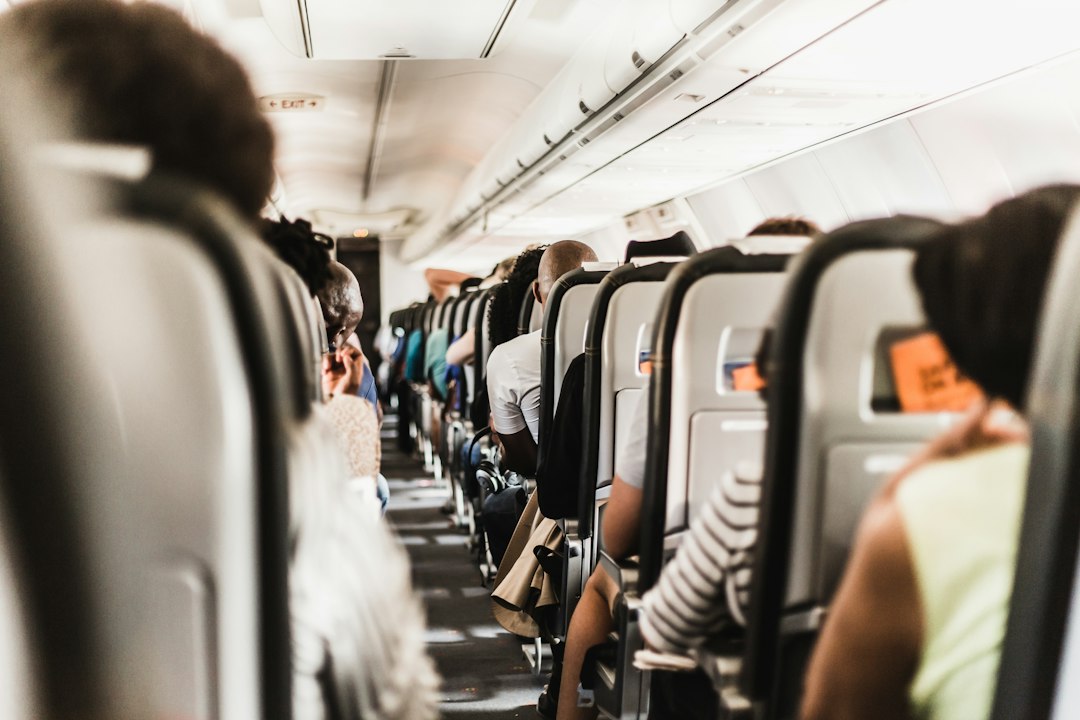
The Environmental Impact of Flying vs Rail Travel


As climate change rapidly progresses, more and more travelers are considering the environmental impact of their actions. Flying has long been criticized as an unsustainable form of transit that pumps copious amounts of greenhouse gases into the atmosphere. According to some estimates, aviation accounts for 2-3% of global carbon emissions.
With flight shame becoming a growing social phenomenon, especially in Europe, many conscientious jetsetters are now opting to travel by train instead. Trains are widely regarded as a greener transportation alternative. According to the International Energy Agency, trains produce up to 80% less CO2 emissions per passenger kilometer than planes.
I recently had the chance to chat with John, a frequent traveler who decided to go flight-free for an entire year. He shares, "I used to hop on a plane without thinking twice, but after learning more about aviation's contributions to climate change, I felt compelled to change my habits."
Now John opts for the train whenever possible, even if it costs a bit more or takes longer. "I don't mind spending an extra few hours en route if it means making more eco-friendly choices. Seeing the countryside pass by is part of the adventure!"
Of course, trains can't reach every destination. But for short- and medium-haul trips, they provide a greener alternative. On a per-passenger basis, high-speed rail services in Europe emit up to 10 times less CO2 than flying.
Trains are also gaining popularity in the U.S. Amtrak has been steadily increasing its ridership, carrying over 32 million passengers in 2019. Upgrades to high-speed rail infrastructure across the country could further boost these numbers.
Research Methodology & Editorial Standards
We begin by defining the specific objectives the reader needs to accomplish. Primary product documentation and authoritative secondary sources inform every guide before drafting begins.
Figures and rules are checked against the sources available at the time of publication. Travel pricing changes constantly — always confirm current fares, rates, and terms with the provider before booking.