
Lights Out: The Science Behind Dimming Cabin Lights During Takeoff and Landing
The practice of dimming cabin lights during critical phases of flight has been around for decades, with its origins tracing back to the early days of commercial aviation.

The History Behind the Practice

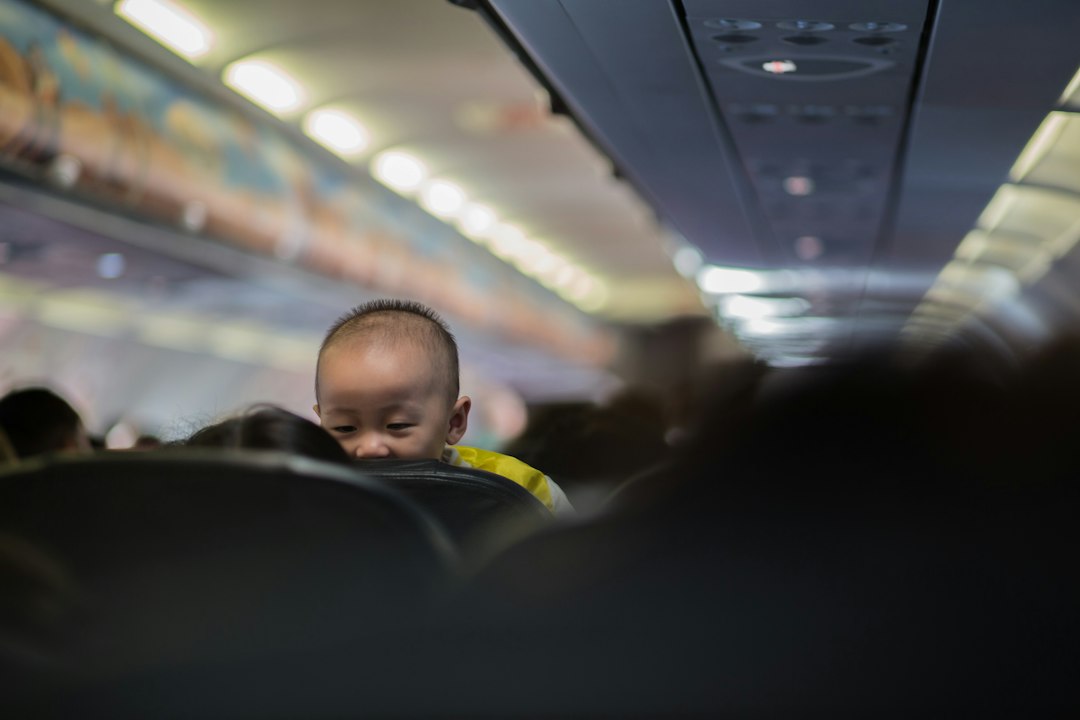
The practice of dimming cabin lights during critical phases of flight has been around for decades, with its origins tracing back to the early days of commercial aviation. While it may seem like a minor detail, the reasoning behind lowering light levels ties deeply into human perception and aviation safety.
In the 1950s and 60s, as commercial jet travel began to take off, airlines were focused on making the passenger experience as comfortable and luxurious as possible. Dimming the harsh fluorescent lights was one way to create a more relaxed vibe. The soft lighting also served a practical purpose during night flights, enabling travelers to sleep.
But it wasn't until the 1970s that scientists began researching how lighting affects people's circadian rhythms, sleep patterns, and hormone production. They discovered that bright light plays a major role in regulating alertness. Further studies in the 1980s and 90s revealed how rapidly the human visual system adapts when transitioning from light to dark environments.
For pilots undergoing critical phases of takeoff and landing, this adaptation is key. Bright cockpit lights can impair vision outside the aircraft and reduce sensitivity to objects in the dark. Dimming the lights allows pilots' eyes to adapt to low-light conditions, optimizing their vision outside.
By the 1990s, the FAA mandated that airlines turn off unnecessary cockpit lights during taxi, takeoff, and landing. Carriers applied similar practices in the cabins, creating procedure manuals that instructed flight attendants to dim main lights during these periods.
Apart from optimizing pilots' vision, lowering light levels also helps direct passengers' attention. With fewer visual distractions in the cabin, travelers are more likely to pay attention to important safety announcements. The change in lighting signals it's time to stow tray tables, fasten seatbelts, and prepare for departure or arrival.
Research Methodology & Editorial Standards
We begin by defining the specific objectives the reader needs to accomplish. Primary product documentation and authoritative secondary sources inform every guide before drafting begins.
Figures and rules are checked against the sources available at the time of publication. Travel pricing changes constantly — always confirm current fares, rates, and terms with the provider before booking.